How to Brew the Perfect Dutch Coffee at Home
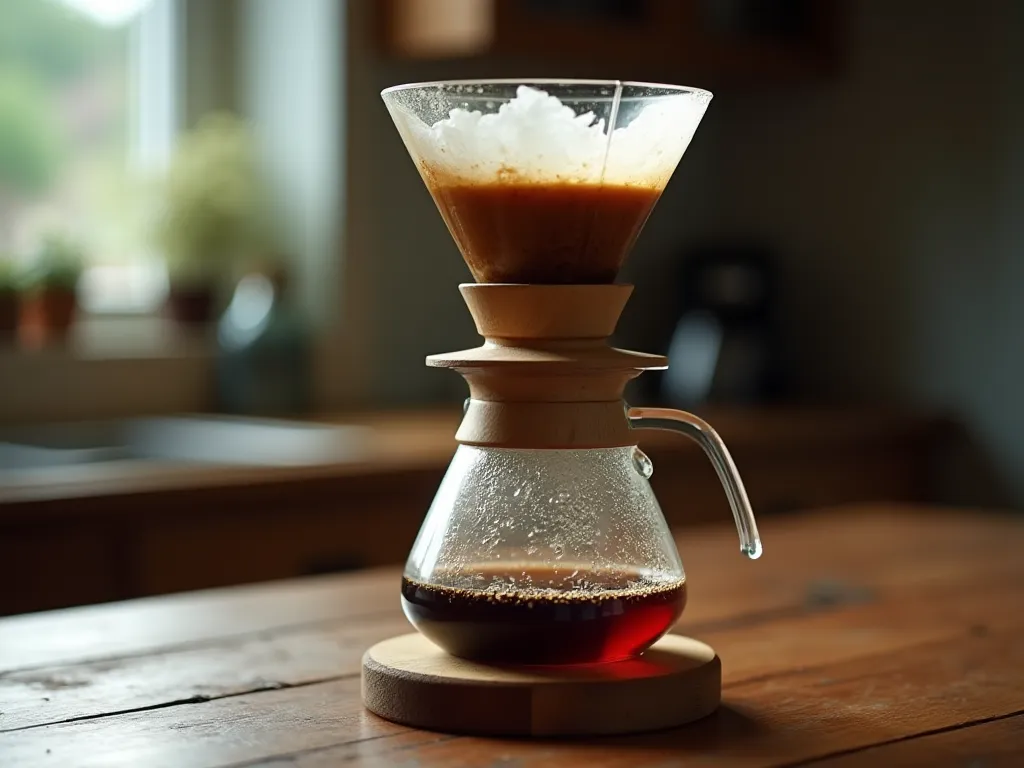
Brewing Dutch coffee involves combining coarse-ground beans with ice water in a gravity-fed slow-drip apparatus. You allow the liquid to pass through the grounds over several hours, typically using a one-to-ten ratio of coffee to water. This process yields a smooth, low-acid concentrate; refrigerate immediately after brewing to preserve freshness for up to two weeks.
Developed in the Netherlands during the early modern period as an alternative to hot brewing, this method leverages gravity and cold water for stability.
Unlike modern immersion cold brews that steep grounds in water for twelve hours, the Dutch style filters continuously as it drips. This distinction matters because hot methods rely on rapid extraction of oils and acids, while slow drip minimizes oxidation and bitterness from prolonged contact with heat or static liquid.
Calibrating the Perfect Ratio and Grind
Start with the liquid base because it dictates extraction stability. Fill the top reservoir with a mixture that is exactly fifty percent ice and fifty percent cold water. This specific ratio maintains a consistent low temperature throughout the six-hour brewing process, preventing the upper layers from warming up too quickly while the lower layers extract slowly.
Measure your coffee grounds using a precise scale rather than volume heuristics. The standard calibration for Dutch Coffee is ten grams of dry beans per one hundred grams of that ice-water mixture. Adhering to this weight-to-weight relationship ensures the final beverage has sufficient body without becoming muddy or overly strong.
Grind consistency determines how evenly these solids release their flavor compounds. Grind to the consistency of coarse sea salt or raw sugar; particles should be visibly distinct and uniform, larger than typical drip coffee grounds but finer than French press. This medium-coarse particle size allows water to pass through without clogging while extracting enough solubles to create that characteristic smoothness.
If your resulting cup tastes sharp or unpleasantly astringent, the grind may be too fine for this slow method. This is often a sign of over-extraction rather than bad beans, similar to hiding a bitter truth in commercial preparations. Adjusting these two variables before changing the drip rate solves most flavor imbalances.
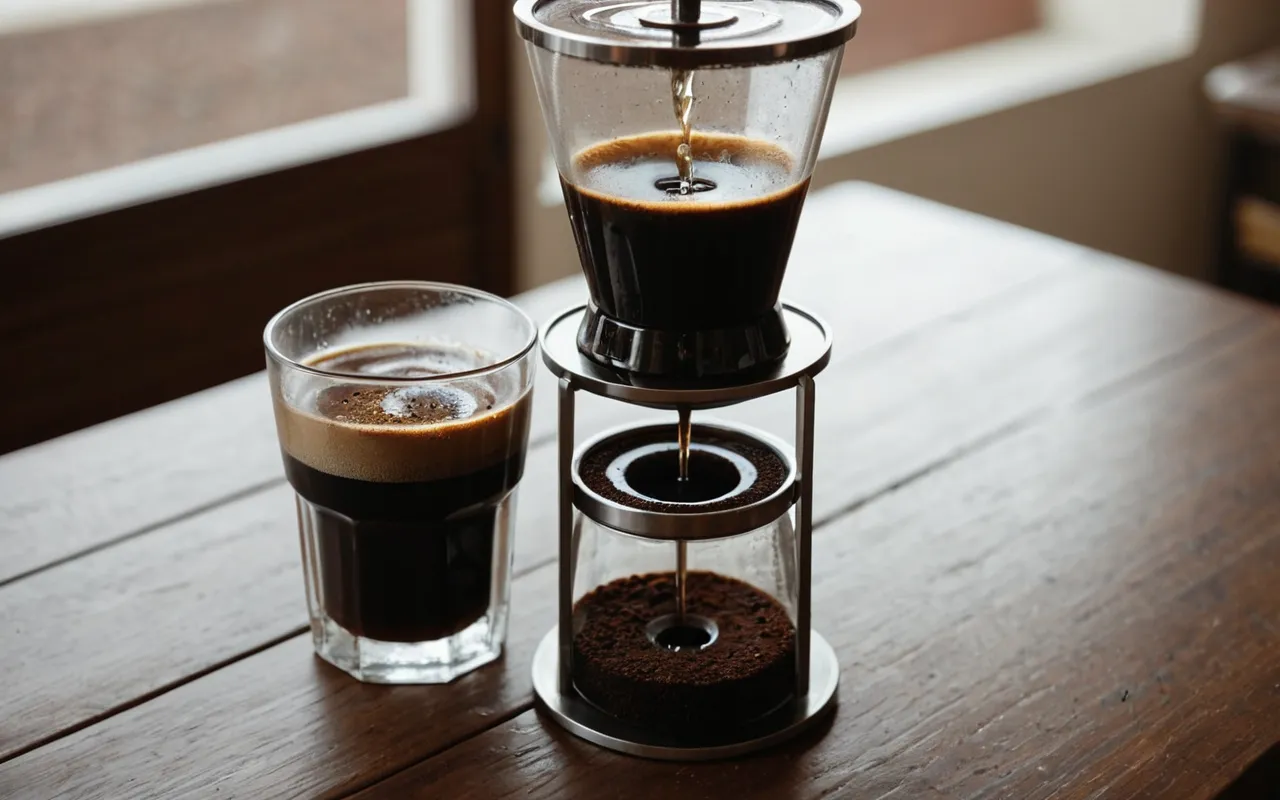
Setting the Drip Speed for Consistency
Calibrating Flow Rate
Adjust the valve until you achieve a steady rhythm of approximately four drips every ten seconds. This specific pace allows water to saturate the coffee bed evenly without rushing through or stagnating. It serves as a reliable baseline for balancing extraction efficiency and flavor clarity.
Deviations from this target create distinct taste flaws. A flow that is too fast washes over the grounds, resulting in under-extraction and an unpleasantly sour cup. Conversely, a sluggish drip lets water sit on top of the bed for extended periods, leading to over-steeping and muddy bitterness.
Watch the droplets rather than watching the clock.
Visual monitoring is more accurate than timing devices because fluid dynamics shift with environmental changes. Room temperature directly affects water viscosity, meaning a flow that feels perfect in a cool kitchen may become too fast as temperatures rise during summer. Adjust the valve incrementally to maintain that consistent four-drip cadence.
Managing Oxidation and Freshness Windows
Cold water extraction fundamentally alters the chemical landscape of the final cup. By avoiding heat, you significantly reduce oxidation rates compared to hot brewing methods. This preservation keeps delicate aromatic compounds intact rather than allowing them to dissipate or degrade into flat flavors.
While Dutch coffee is shelf-stable for at least two weeks in the refrigerator, that duration marks safety limits, not quality peaks. The beverage reaches its optimal flavor profile after three days of rest in a cold environment. This waiting period allows solubles to integrate fully without introducing harshness.
Extending the steeping time beyond these recommended windows yields diminishing returns. Prolonged contact between water and grounds extracts bitter, astringent compounds that mask the natural sweetness of the bean. Precision in timing ensures you capture smoothness rather than harsh tannins.
Treat your fresh batch as a consumable item with a specific lifespan rather than an indefinite stockpile. Consuming the coffee within this peak window maximizes the value of every drop extracted during that slow, deliberate drip process.
Serving and Storage Best Practices
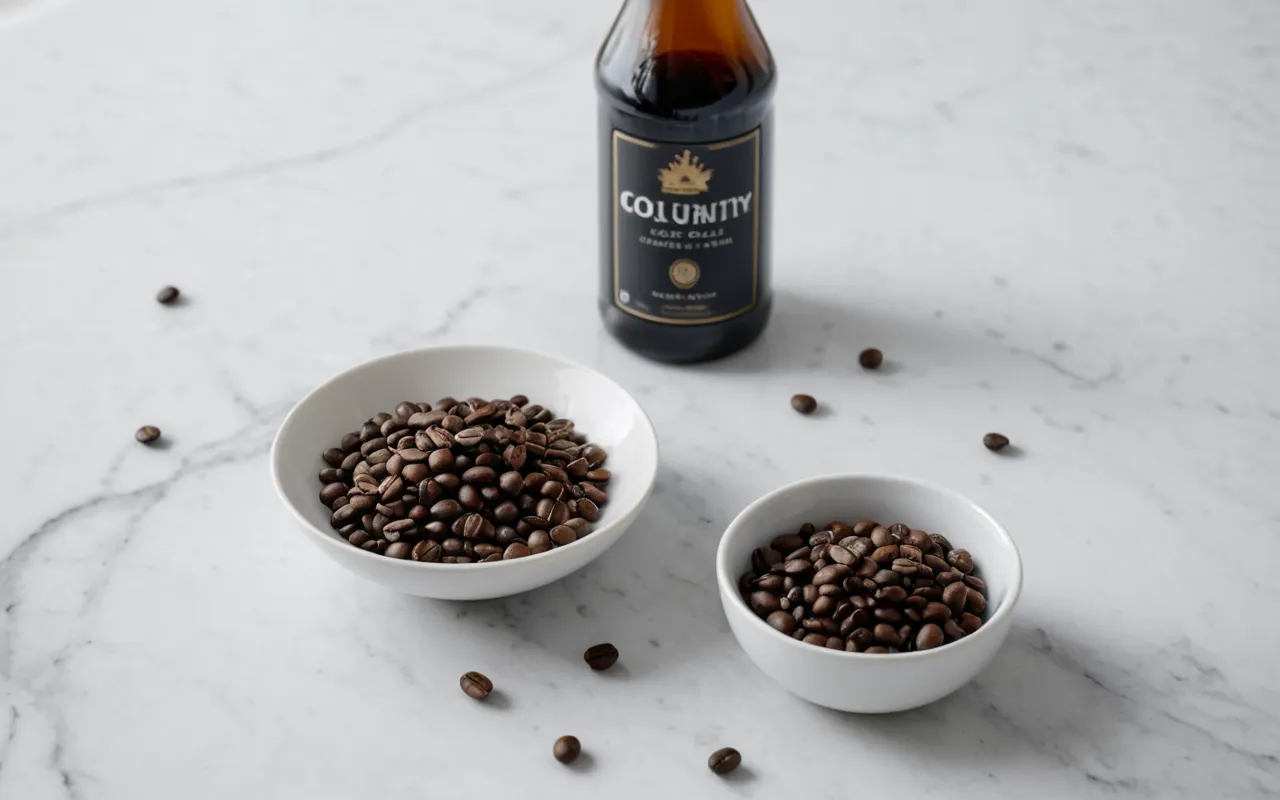
Transfer the concentrate to airtight glass containers immediately after brewing. Glass prevents the absorption of surrounding fridge odors that plastic often picks up over time, preserving the clean profile developed during the slow drip process.
Label each batch with the date it was finished to track the optimal consumption window. Dutch cold brew remains fresh for up to 14 days when stored properly, after which subtle flavor degradation becomes noticeable despite no visible spoilage.
Serve over ice or dilute with milk as preferred. The high concentration allows the coffee to maintain its body and sweetness even when mixed, creating a balanced drink without requiring additional syrups or heavy creamers to mask thinness.
Frequently Asked Questions
Can I use a standard drip coffee maker to make Dutch coffee?
No, you cannot use a standard drip machine because the method requires slow dripping over several hours. The process involves ice water passing through grounds for 3½ to 12 hours rather than rapid hot extraction.
Does the origin of the water (tap vs. filtered) affect the taste significantly?
Filtered water is recommended to prevent mineral interference with extraction and avoid metallic aftertastes common in hard tap water.
How much concentrate do I get from one full batch?
You obtain approximately 500ml of Dutch coffee concentrate after filtering the beans. This volume results from using a specific ratio of sixty grams of brewed coffee beans and six hundred grams of water.
For the full overview, see coffee culture in the netherlands.
Related in this series: amsterdam coffee house history.