Crafting Industry Experiences Gains Momentum with AI Innovations and Wellness Integration
The Revival of Crafting Through Technological Innovation
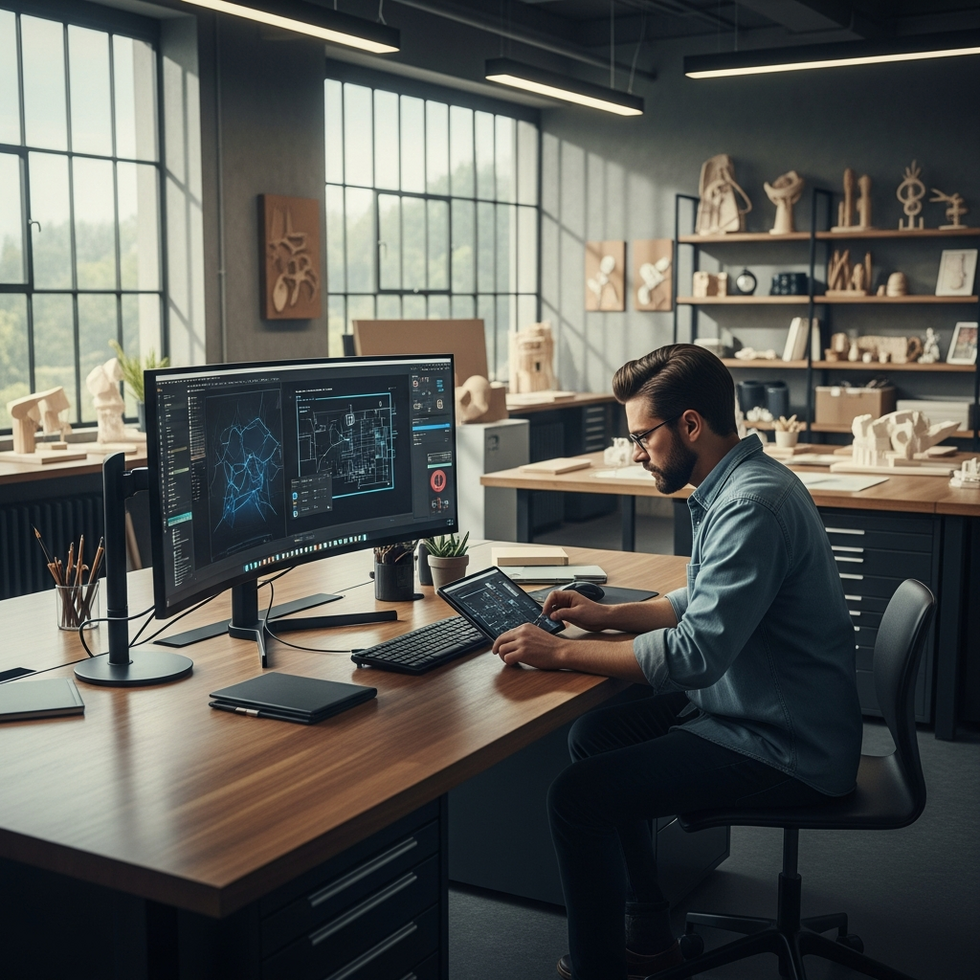
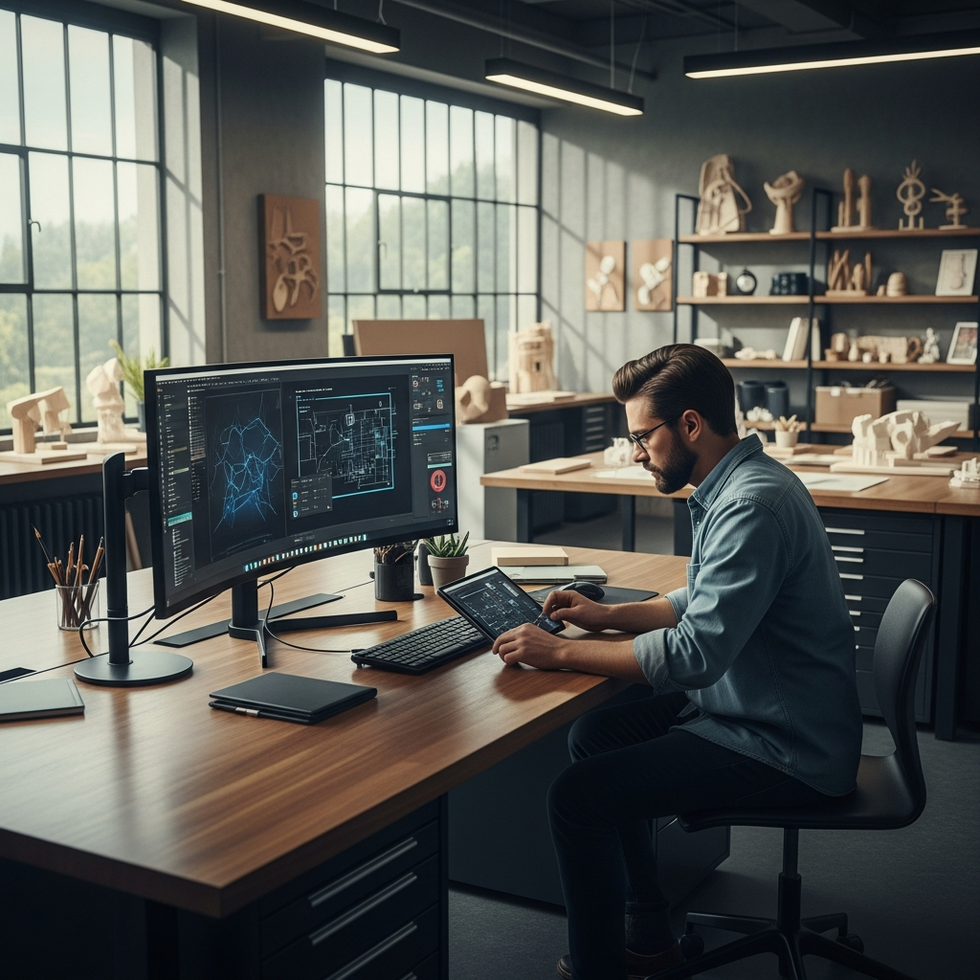
Away from city lights, where hands have shaped work for generations, quiet shifts are happening. Machines now assist makers in testing hues before thread meets loom. One tool learns how a pattern bends when shifted by texture or direction. Instead of guessing thread counts, artists let algorithms suggest balance. Even ancient techniques get adjustments through data patterns formed overnight. Precision grows without replacing touch or thought. Some tools simulate fabric weight before cutting, cutting down scrap. Not every solution shines bright - some work best in dim rooms. Nowhere is change more clear than in how old skills meet modern tools. Technology steps in, guarding tradition while nudging it forward. Take one firm, CraftTech - they build smart systems that help makers test ideas and guess what buyers might want. That kind of support sharpens output, matching supply with demand like never before. What stands out isn’t replacement, but partnership: hands-on art paired with intelligent aid. Young creators begin noticing these combinations, drawn not by replicas of the past but by fresh chances to build something real.
The Rise of Wellness-Centric Crafting Products
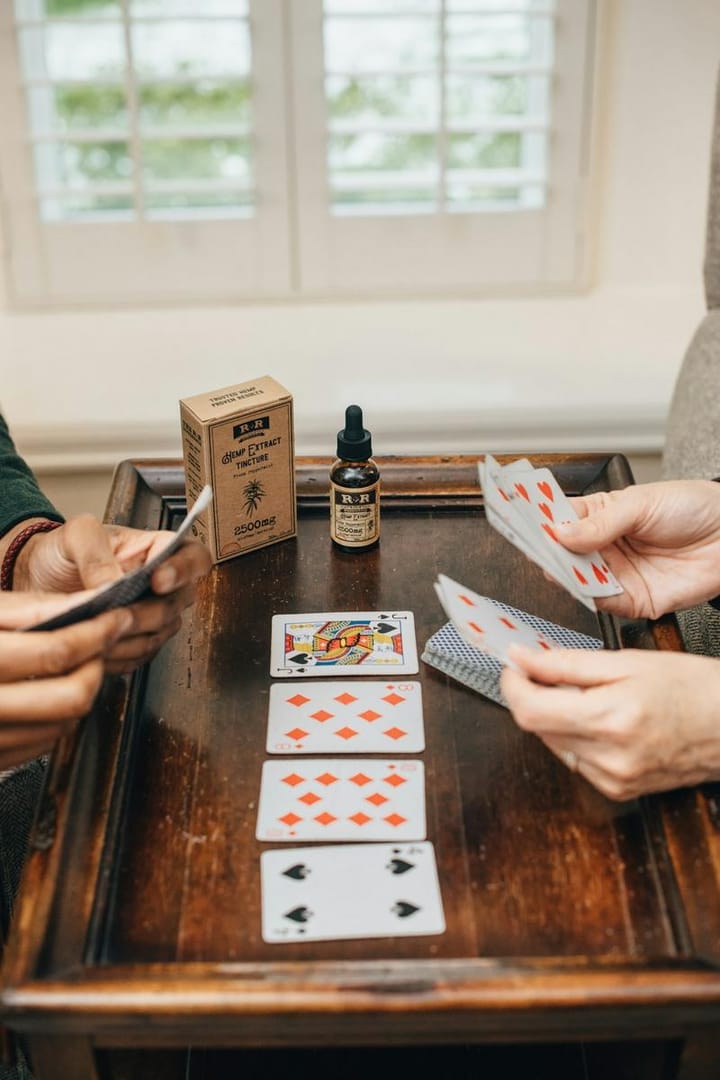
One trend standing out in this era involves craft pieces made with well-being in mind. People now look for items that help them unwind, stay calm, or feel better in their bodies, which pushes makers toward creating pieces like scented fabrics, handmade tools for focused breathing, or lotions and salves blended with plants. Firms like WellCraft take lead by weaving real herbs and eco-friendly methods into the way they design and make traditional handmade goods, drawing buyers who care about how things affect health. Wellness shows up where you least expect it - not just what's inside a jar, but how the jar looks, who made it, even why they did. Realness matters now; people want truth more than tricks. Wanting quieter lives, closer to trees and fewer gadgets, has become normal again. Small makers gain ground when others crave ease and honesty. Health worries today push many toward simpler things made by hand. What began as trend may simply follow human rhythm back toward calm.
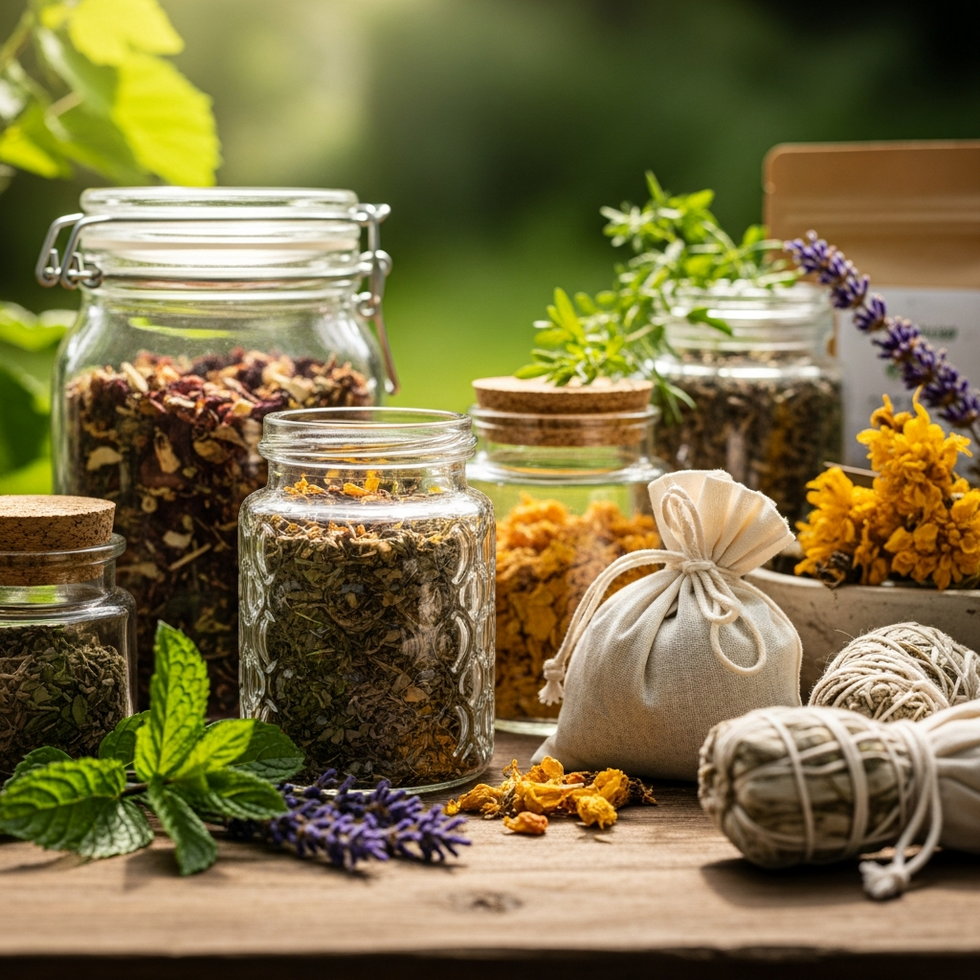
Integrating AI and Wellness to Create Unique Consumer Experiences
When tech like artificial intelligence meets well-being fads, it reshapes how craft shops serve customers. Instead of one-size-fits-all, makers use smart tools to shape items matching personal tastes - smells, feels, colors, even moods. Because people care more about calm minds and strong bodies, creations reflect that need. Outcomes? Deeper connections with purchases. Take VR setups powered by artificial intelligence - they let buyers step into a world where every detail of building a piece comes alive. Instead of just showing results, these systems open doors to real moments of insight. Because of shifts like this, making things means more than assembling parts; it involves emotion, presence, even inner balance. People who care about genuine value and how life feels begin to see value in work that nourishes both soul and body. With time, such experiences might define what handcrafting truly entails down the line.