Living as a Night Owl May Significantly Increase Cardiovascular Disease Risk
Understanding the Connection Between Night Owl Behavior and Heart Health
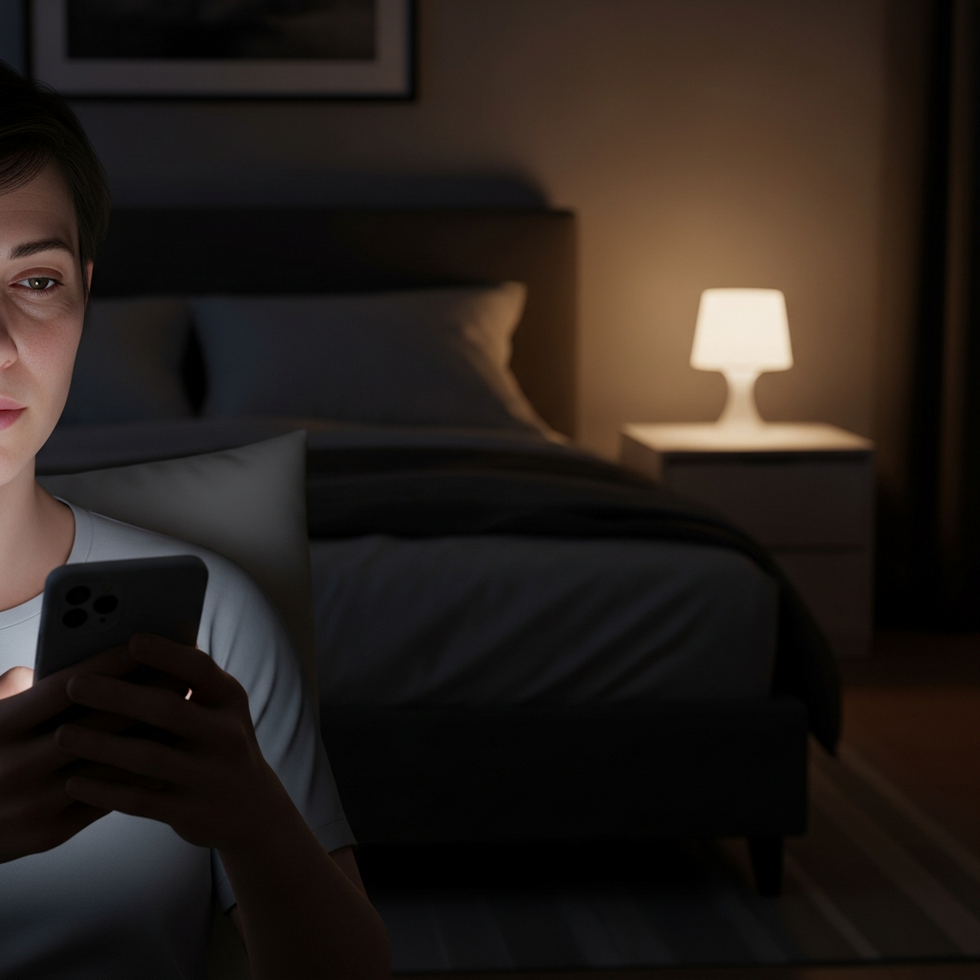
Science now pays closer attention to body clocks - how they shape well-being, especially heart health. A large look at more than 320,000 people in the UK, shared in the Journal of the American Heart Association, showed evening types face greater odds of heart attacks and strokes. Being a night person stands out as different; those rising late tend to face tougher outcomes. This ties back to how we sleep, live day to day, then carry effects into years ahead. Late nights full of movement clash with how society expects people to begin day. That ongoing gap throws off basic body operations - particularly those tied to how the heart works. What matters here is recognizing personal circadian patterns and shaping schedules around them instead of ignoring nature's pull. Health strain can soften when routine fights the body's pulse.
The Role of Lifestyle Factors in Increasing Cardiovascular Risks Among Night Owls
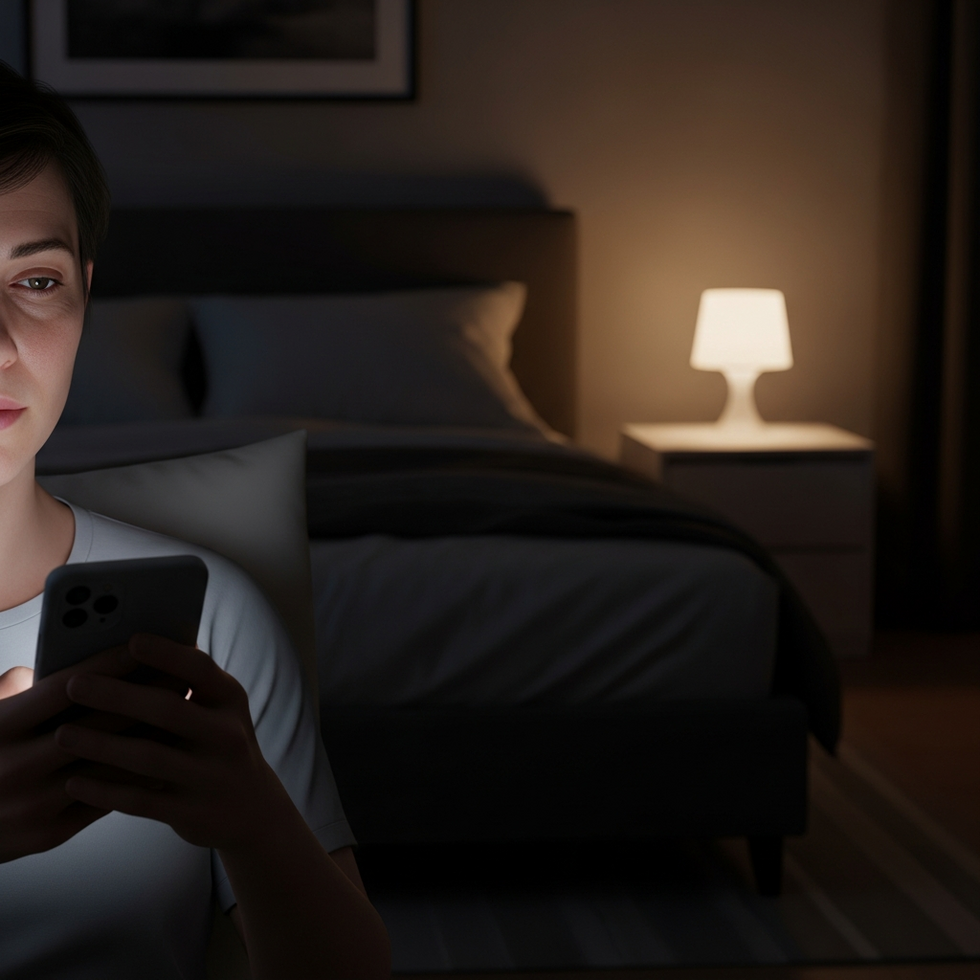
Looking closer, certain habits tied to staying up late seem to raise how much night people risk heart problems. Using guidelines from the American Heart Association - like eating well, moving regularly, getting proper rest, plus avoiding tobacco - the team measured various bodily signs. People who prefer active nights showed weaker results across each of these areas. When added together, those outcomes made heart issues more likely for them. Later nights often tie back to nicotine use - this links strongly to higher heart disease risk, accounting for roughly one third of that connection. When people do not sleep or stay awake at unusual hours, their body rhythms get out of sync, which worsens problems such as blood sugar spikes and weight gain. What stands out here is how shifting both rest patterns and daily routines matters just as much as length of sleep alone. Staying aligned through the night and day helps protect the heart more reliably than fixing only how long someone rests.

Implications for Prevention and Lifestyle Changes for Night Owls
Results show clear actions people - particularly late sleepers - can follow to lower chances of heart issues and brain vessel problems. Doctors stress matching daily habits with the body's natural rhythm helps guard heart wellness. Small changes like setting regular bedtime times, cutting down smoking and drinking, plus moving more in sync with personal energy make a real difference. One thing Dr. Kristen Knutson at Northwestern University points out: stopping smoking stands out clearly as what to do, yet tiny moves - like adding brief walks or reducing salt - can still shift things. When it comes to rest, skipping screens too late and keeping bedtimes steady helps align the body's rhythm, quietly boosting well-being. It’s straightforward really - knowing how your body works with rest, paired with everyday choices that fit daily life, works well in cutting down risks tied to staying up late.

Conclusion and the Importance of Recognizing Your Chronotype
When life pushes against our body's clock - late shifts, busy schedules, screens lighting up at odd hours - knowing your natural sleep pattern matters more than before. A fresh look at circadian types shows awareness shapes how people manage blood pressure and overall well-being. Seeing how your body tends to rise or fall changes the way small daily choices fit together. Little shifts, rooted in personal timing, might quietly lower chances of sudden brain issues or blocked arteries. Looking at how bodies naturally sleep shows a clear path forward. Small changes in daily habits help more than big fixes ever did. What stands out is that aligning with our internal rhythms does far more than fix rest issues - it shapes overall strength and stability.