Mastering the Art of Brewing Techniques for Exceptional Coffee and Tea at Home
An Introduction to the World of Brewing Techniques That Elevate Your Coffee and Tea Experience
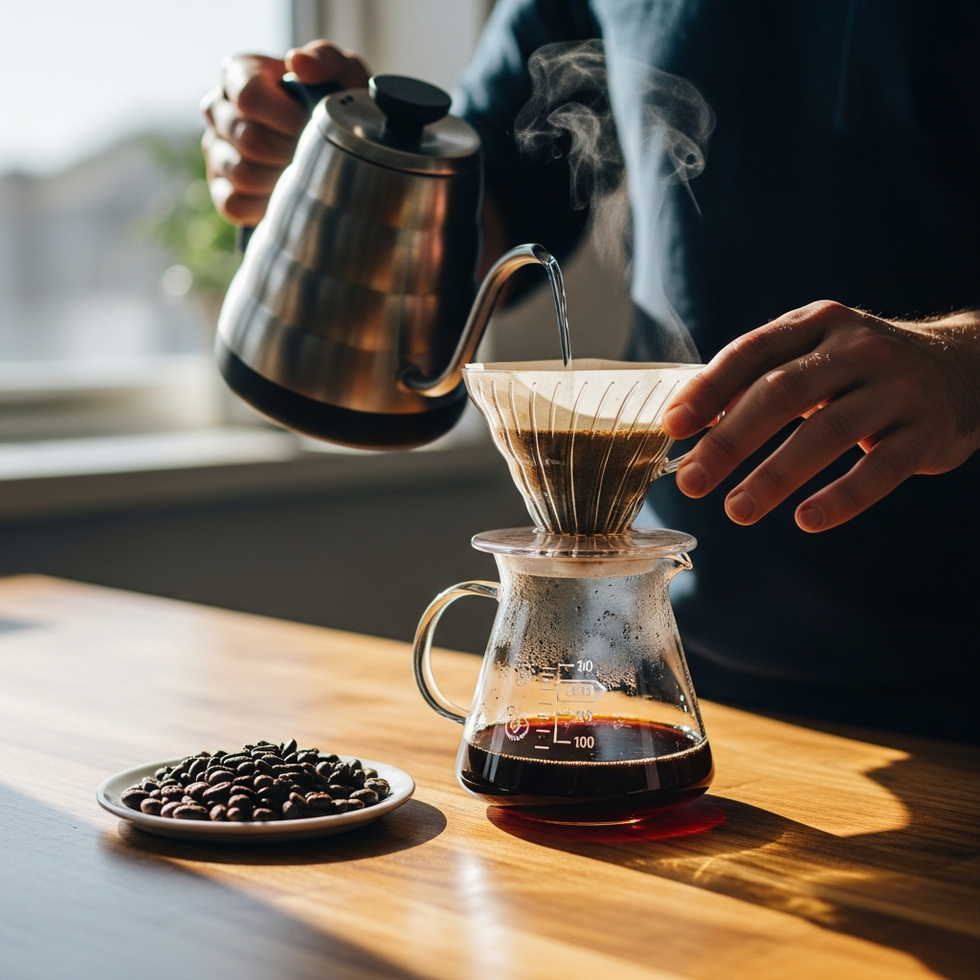
Creating the ideal cup of coffee or tea blends creativity with careful attention. Found in many homes across nations, both drinks carry distinct tastes shaped by how they’re made. Not limited to basic approaches, fans today explore what lies beneath every method - seeking deeper notes and balance. Starting with a cup of coffee made by dripping water, moving into slow steeping in a jar, then shifting toward precise heat management and forced pressure, the ways to make liquid transform into something deeper. When folks start spending better money on sharp grinders, fast boilers, plus gear such as balanced filters or machines that adjust heat exactly, small shifts turn into major gains - turning what was once just morning fuel into layered flavor. For someone sipping casually at home yet wanting smoother mornings, or anyone serious about turning kitchen space into training ground for coffee art, knowing how different methods work matters most. Starting off, this guide explores standout ways to make coffee, using tools that shape flavor when handled carefully. Each technique shifts the experience in small yet noticeable ways, turning everyday cups into something special.
Essential Tools and Equipment That Make a Difference in Your Brewing Journey
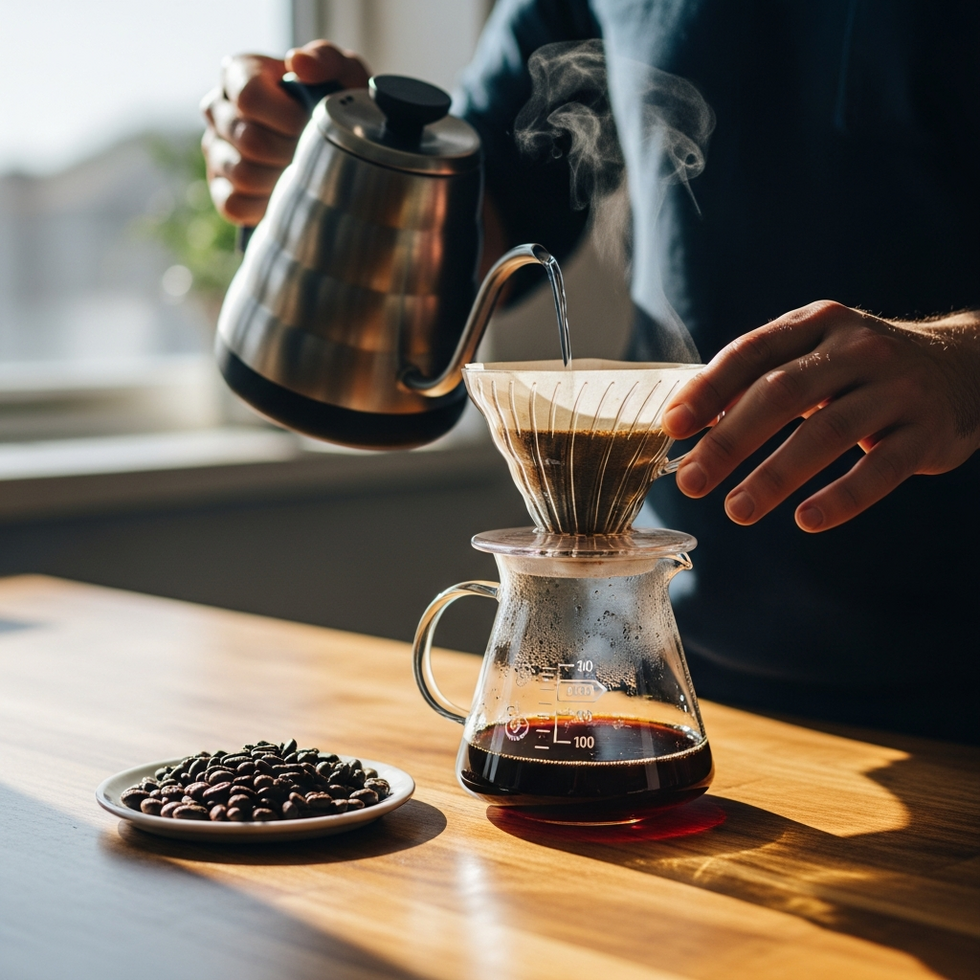
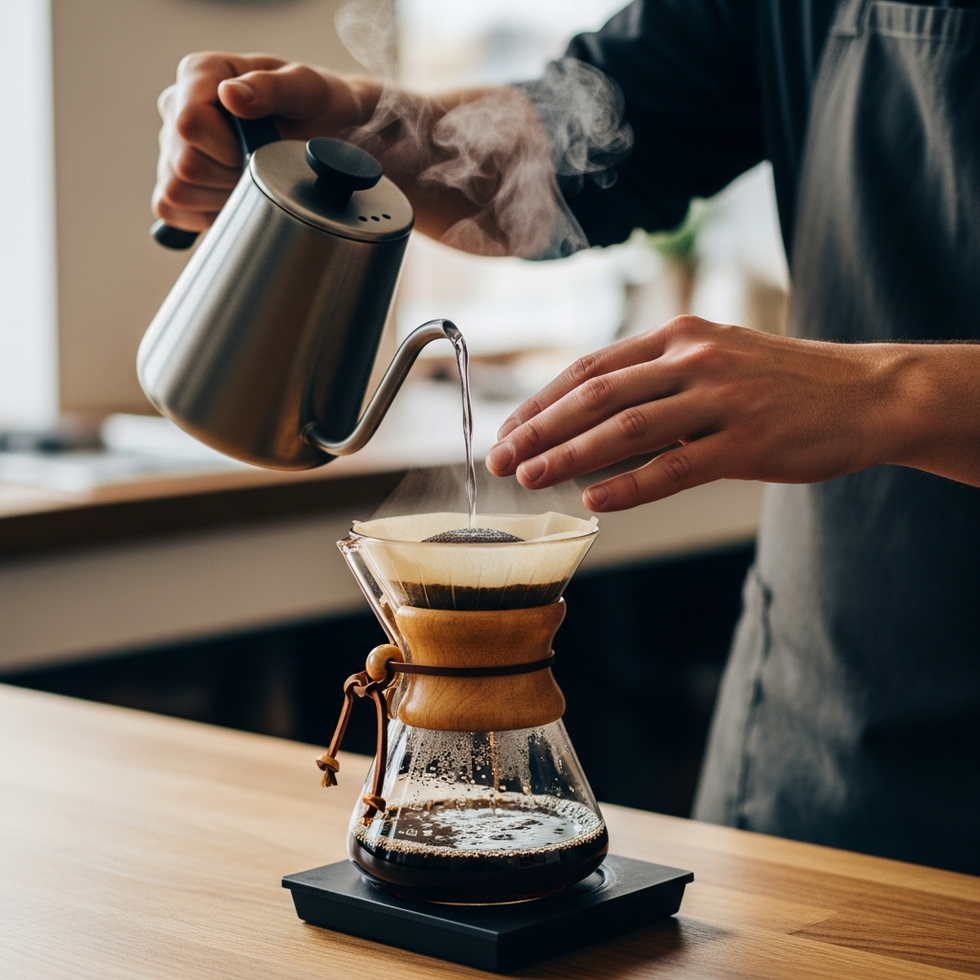
Great brewing starts with choosing the correct tools. Using solid gear might change how good your drink tastes - from smooth coffee to soft tea with herbs. When it comes to coffee fans, one thing stands out: a grinder that works precisely. That even grind affects how well flavors extract, shaping what you taste. What stands out is how something like a *Baratza Encore* or *Oxo Brew Conical Burr Grinder* delivers repeatable results, making them stand out among serious users. Pouring coffee becomes more precise when using a gooseneck kettle - its design helps control flow during pour-over techniques common in expert routines. Tea fans often appreciate items such as a cast-iron teapot or a glass infuser, which help achieve better soaking times along with a cleaner look. From Chemex for slow pours to Aeropress for fast, full-bodied cups, tools shape how coffee comes through. What matters most is picking what fits how you make it, so flavors come out right every time. With constant upgrades in tools, companies make high-tech gadgets that track heat and clock intervals - blending old methods with today’s ease. This opens doors for anyone to prepare specialty drinks without leaving their kitchen floor.
Advanced Brewing Methods That Unlock Richer Flavors and Aromas
Even though many stick to basic ways such as drip or steeping, trying newer approaches might reveal hidden layers in taste and scent. Take cold brew - it sits with cold water for a full day, sometimes even longer, grains rough and uneven, pulling out soft, low-acid notes perfect when sun heats up the street or you want it mixed with milk. Then there's the French press: instead of filtering, it plunges aside the grounds, leaving behind every trapped oil and flavor that rose through the heat. When it comes to coffee fans, getting how tamping works - along with grind texture and brewing length - really matters. Using a high-end machine, say something like Breville Barista or Gaggia Classic, might just make those details easier to handle. The Aeropress finishes a strong cup fast, almost like espresso, yet needs almost nothing fancy around it. That setup lets you tweak things freely without extra hassle piling up. Newer gadgets now show up too - like connected brewers that link through phones and include their own grain crushers. These set points get finer, so results stay smoother than older versions ever did. What if flavor could change just by tweaking a few small things? Some people now experiment with heat levels, force, or seconds saved during drink prep. These tiny shifts turn basic acts - like pouring coffee - into moments that feel alive, almost magical. Instead of blind routine, there's room for curiosity, for noticing what happens when rules bend slightly. The result? Ordinary stuff turns surprisingly rich, layered, full of hidden depth.