
The Lie We Tell Ourselves About Quality Coffee
I sat in a sleek café on the Maaskade last month. The latte art was perfect. It tasted like hot water and disappointment. That’s when it hit me. We’re chasing aesthetics, not flavor.
Here's the thing about this city. It’s a harbor town built on grit and trade. Coffee culture here isn’t about luxury. It’s about efficiency, precision, and respect for the bean.
Most tourists look at maps. They search for high ratings or Instagram-worthy walls. That’s a mistake. The best cups are hidden in plain sight.
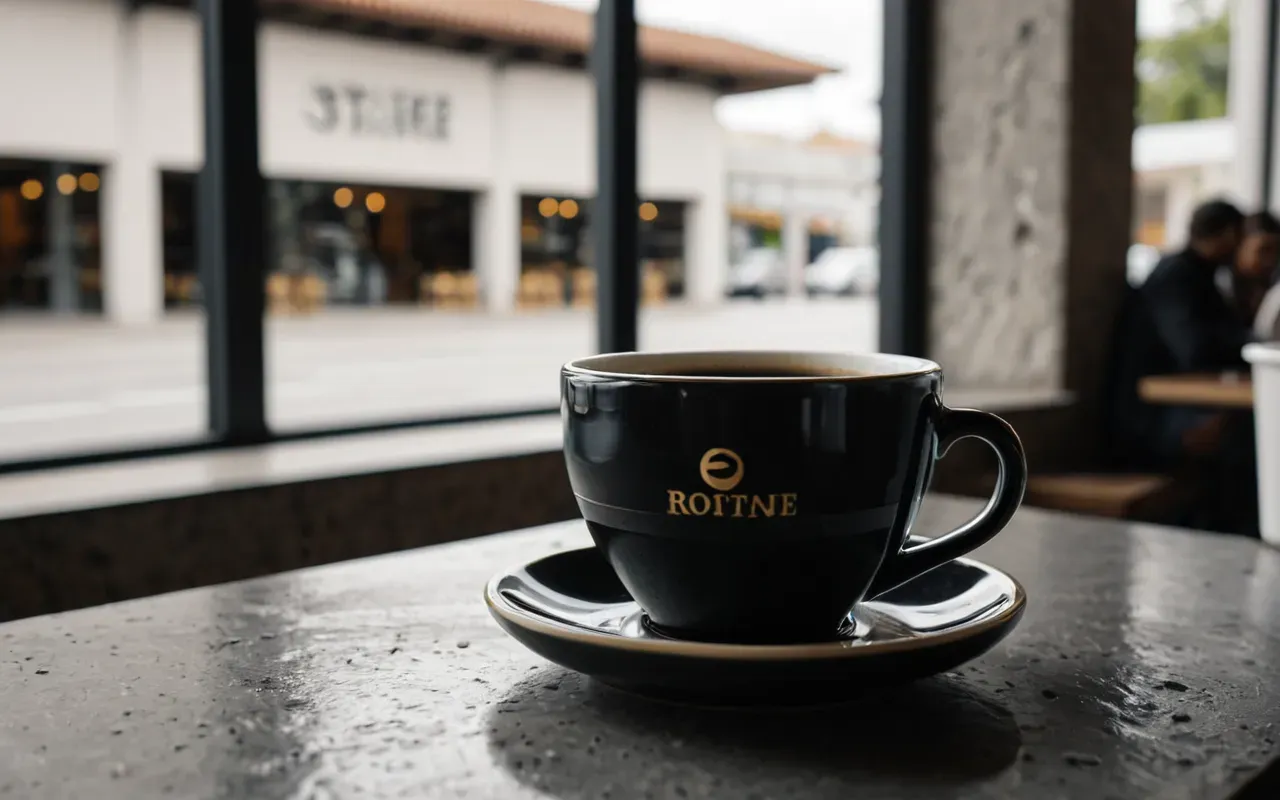
Why the Main Strip Is Actually the Worst Place to Drink
Walk down any major commercial street in this port city. You’ll see lines out the door. The music is loud enough to mask conversation.
Baristas here work in factories. They pull shots under pressure. Speed matters more than taste. You get a drink that looks good but lacks depth.
I’ve tasted the same sludge in five different locations. The beans are often pre-ground days ago. Oxidation kills flavor fast.
The Hidden Third Tier of Local Spots
Look for places with no menu boards. Look for owners who know their regulars by name. These are the true champions.
One shop near the old harbor has no sign. Just a door and a smell of fresh beans. The coffee is intense but clean.
Another spot in the creative district uses single-origin beans from small farms. The pour-over ritual takes five full minutes.
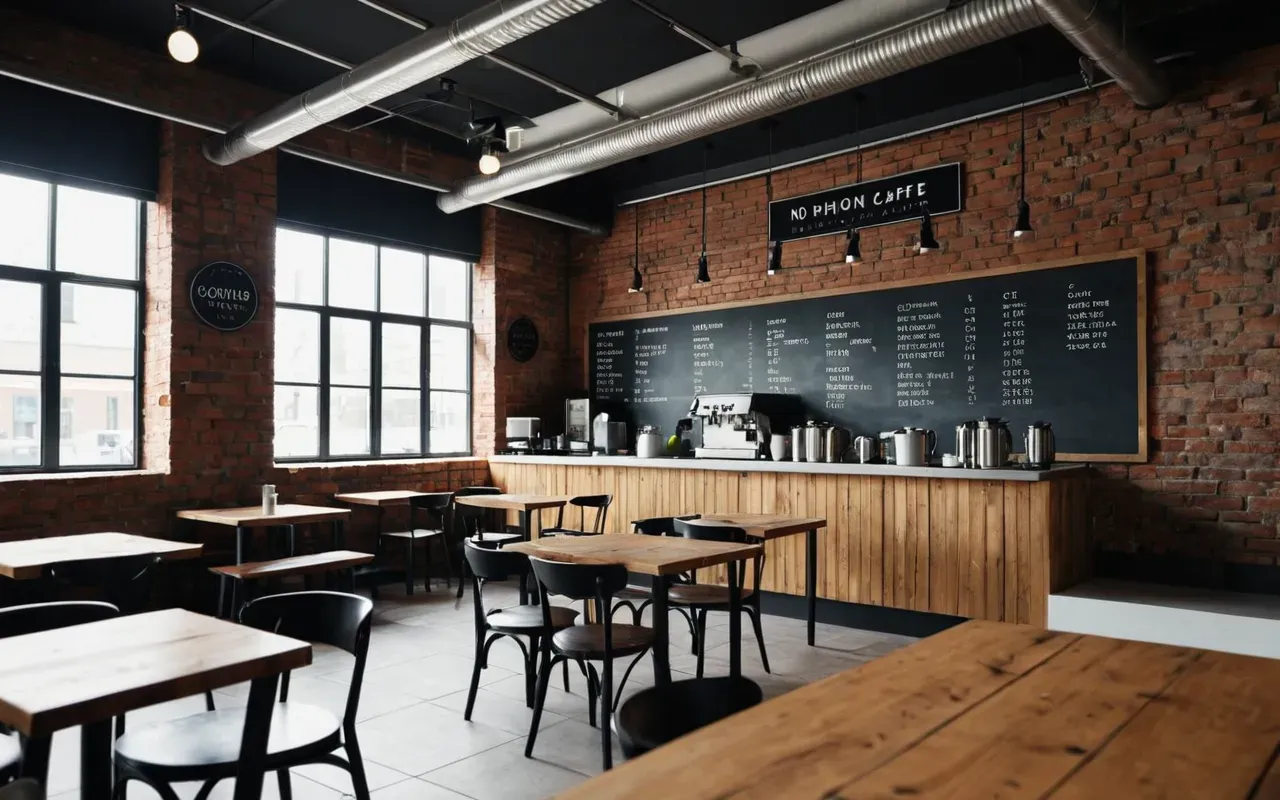
The Myth of the Perfect Roast Level
People think dark roasts taste stronger. They don’t. Dark roasts mask origin flavors with carbon and oil.
Lighter roasts reveal the fruit. You get notes of berry or citrus in a dark cup that just tastes like ash.
A local roaster told me this. If you can’t taste the difference between two beans, your palate is broken or the coffee was stale.
How Freshness Changes Everything You Taste
Coffee is alive. It releases gas for days after roasting. Drinking it too early makes it sour and gassy.
Drinking it after thirty days makes it flat. The sweet spot is seven to fourteen days.
Check the bag date before you buy. If it’s missing or old, walk away.
Brewing Techniques That Actually Matter in This City
We ignore the basics. Water temperature and grind size dictate everything else.
Most machines here run too hot for light roasts. You scorch delicate aromatics before they bloom.
I recommend asking your barista for a cold brew. It’s smoother and brings out sweetness without bitterness.
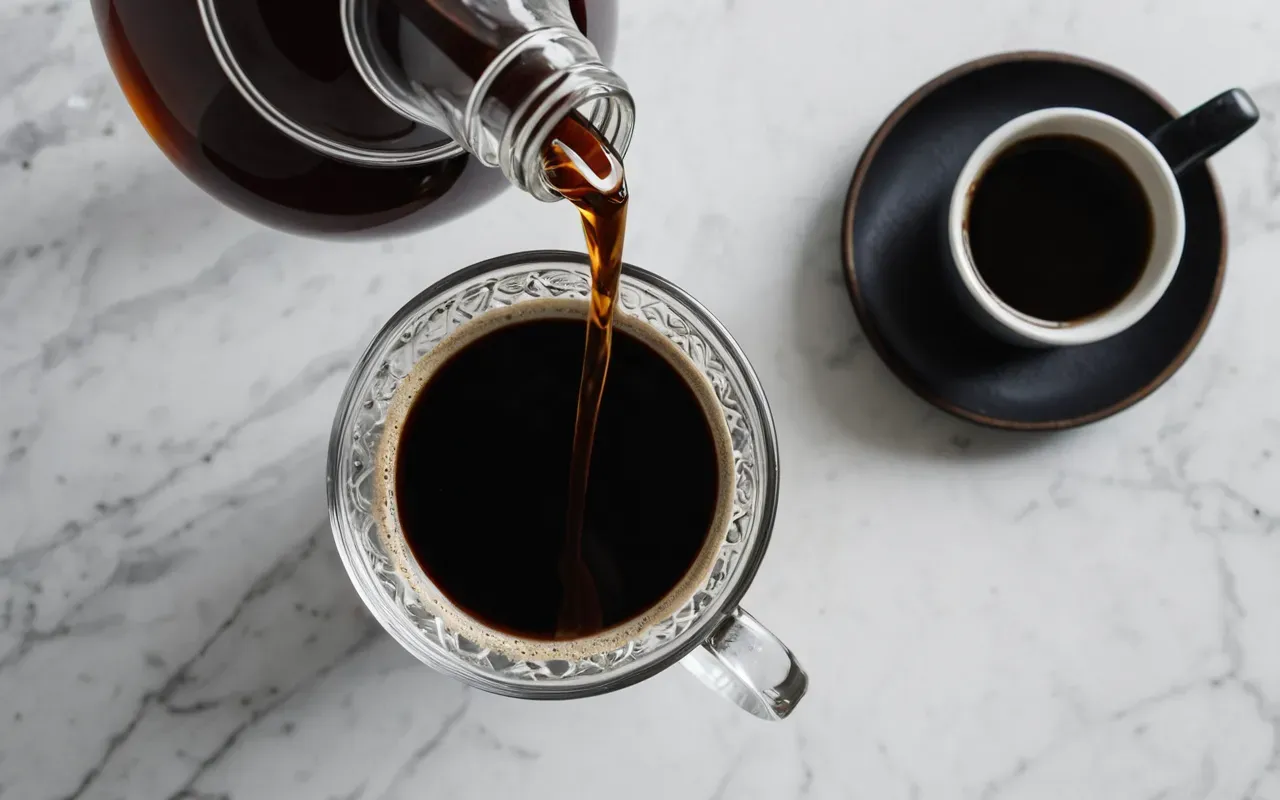
Why Cold Brew Is the Smartest Choice for Summer Here
It’s not just trendy. Cold extraction reduces acidity significantly. Your stomach will thank you.
Local roasters use whole beans soaked for twelve hours. The result is thick and syrupy.
Try adding a splash of oat milk if you like it. It pairs well with the chocolatey undertones.
Three Spots You Need to Visit This Weekend
First is a tiny kiosk near the central station. No seating. Just coffee and pastries. The espresso is punchy.
Second is a garden café in the creative quarter. They serve single-origin beans and fresh fruit tarts.
Third is a roastery in the old docklands. You can watch the beans roast while you drink.
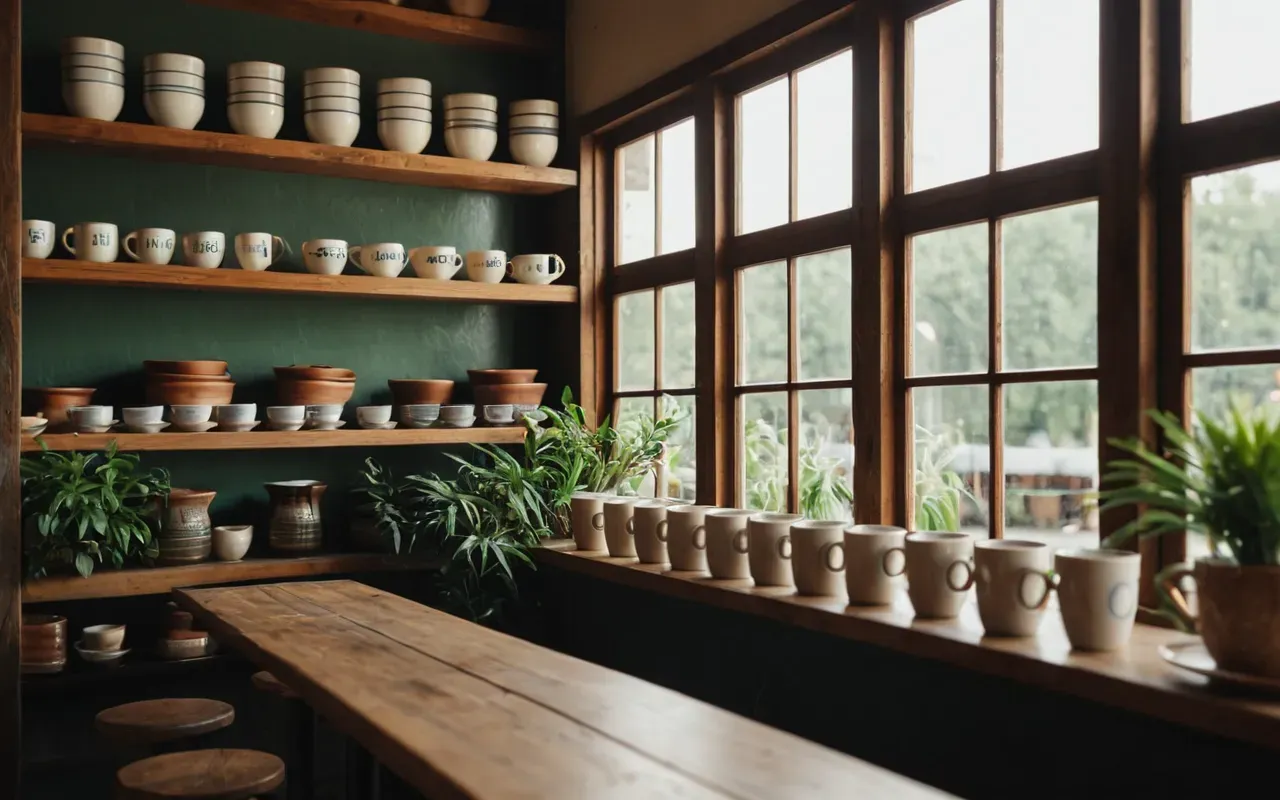
What to Order at Each Location for Best Results
At the kiosk, ask for a double ristretto. It’s concentrated and intense.
At the garden café, try a pour-over of their house blend. Let it cool slightly before tasting.
At the roastery, ask for a sample of their light roast. Compare it to medium.
The Real Reason Your Coffee Tastes Flat at Home
It’s not the machine. It’s the water.
Tap water here has high mineral content. It strips away delicate flavors in light roasts.
Use filtered water if you want to taste the fruit notes in your beans.
How Grind Size Changes Your Home Brew Experience
Too fine clogs the filter. Too coarse makes it watery.
Aim for a texture like table salt. That’s the sweet spot for pour-overs.
Adjust your grinder after every ten cups. Beans shrink as they age and need finer settings.
Starting Your Own Coffee Venture Without Breaking the Bank
You don’t need a million euros. You need passion and consistency.
Many local shops started in kitchens or pop-up carts. They scaled slowly and carefully.
Focus on community first. Build a loyal base before chasing profits.
Why Community Beats Marketing Every Single Time
People remember how you made them feel. A warm smile lasts longer than a discount code.
Learn names. Ask questions. Remember preferences. It creates loyalty that ads can’t buy.
This is the secret ingredient in every successful local café I’ve visited here.
Frequently Asked Questions About Local Coffee Culture
What is the best time to visit a roastery for fresh beans?
Morning hours between nine and eleven are ideal. Roasting often happens overnight or early morning. You get the freshest options before they sell out.
How long does it take to brew a proper pour-over at home?
Plan for four to six minutes total. This includes heating water and blooming the grounds. Rushing this step leads to under-extraction.
Why do some local cafés charge more for single-origin coffee?
Sourcing from specific farms costs more. Farmers get fair prices for high-quality crops. You pay for traceability and better flavor profiles.
Can I bring my own cup to get a discount at most shops?
Yes. Many places offer five cents off for reusable mugs. It reduces waste and supports sustainability goals in the industry.
What should I look for to identify a low-quality coffee shop?
Check the bean bag date. If it’s over thirty days old or missing a roast label, avoid it. Stale beans lack aroma and taste flat.


