
The fourth bean is a genetic impostor
You've been handed the wrong story about your morning cup. For over two hundred years, botanists and roasters assumed excelsa was just a subvariety of liberica. It is not.
A rigorous study in Nature Plants confirmed that excelsa is a standalone species. That single finding shatters the taxonomic foundation of the industry.
Most people don't know this. They buy their Sunday bag of beans assuming the label is biologically accurate. Often, it isn't.
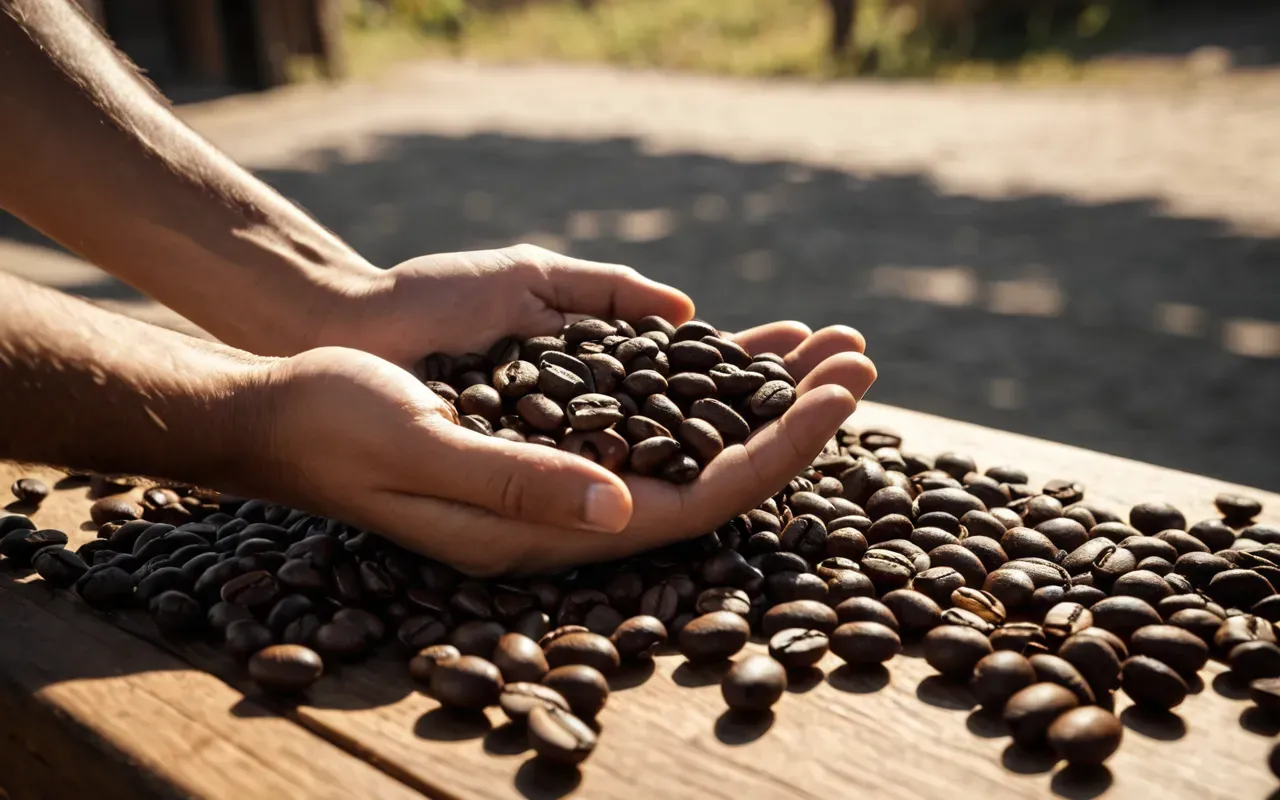
Why this misclassification matters to you
When a bean is miscategorized, pricing and quality control become arbitrary. Roasters can't fairly compare excelsa to liberica if they're not even in the same family.
This creates a hidden market inefficiency. You might be overpaying for what is essentially an unknown species dressed up as a common one.
I've seen shelf labels in specialty shops that group these two together. It's a subtle lie that profits from your lack of botanical knowledge.
The flavor gap between the big three and excelsa
Arabica dominates about percent of global production. It tastes of fruit and chocolate because it demands high elevation and specific rainfall.
Robusta is the workhorse. It grows anywhere and delivers a bitter punch that makes it ideal for espresso blends or instant powder.
Liberica is the fruit bomb. It tastes like jackfruit with a boozy finish and grows in lower altitudes where other beans would die.
Excelsa is the outlier. It tastes of plums and whiskey with a tea-like complexity that no other bean can replicate.

How brewing changes the genetic truth
Arabica shines in pour-overs because its delicate sugars need gentle extraction to avoid bitterness.
Robusta needs the pressure of an espresso machine to tame its harsh woodiness and bring out underlying sweetness.
Excelsa is a chameleon. It handles medium roasts well but falls apart if over-extracted in a French press.
If you've been ruining your Sunday coffee without even trying, it might be because you're treating excelsa like liberica.
The cultivation nightmare that keeps prices high
Arabica and robusta grow as shrubs. Farmers can harvest them with short ladders from waist height.
Excelsa grows as a tall tree. This forces farmers to climb high branches and prune constantly just to keep the plants manageable.
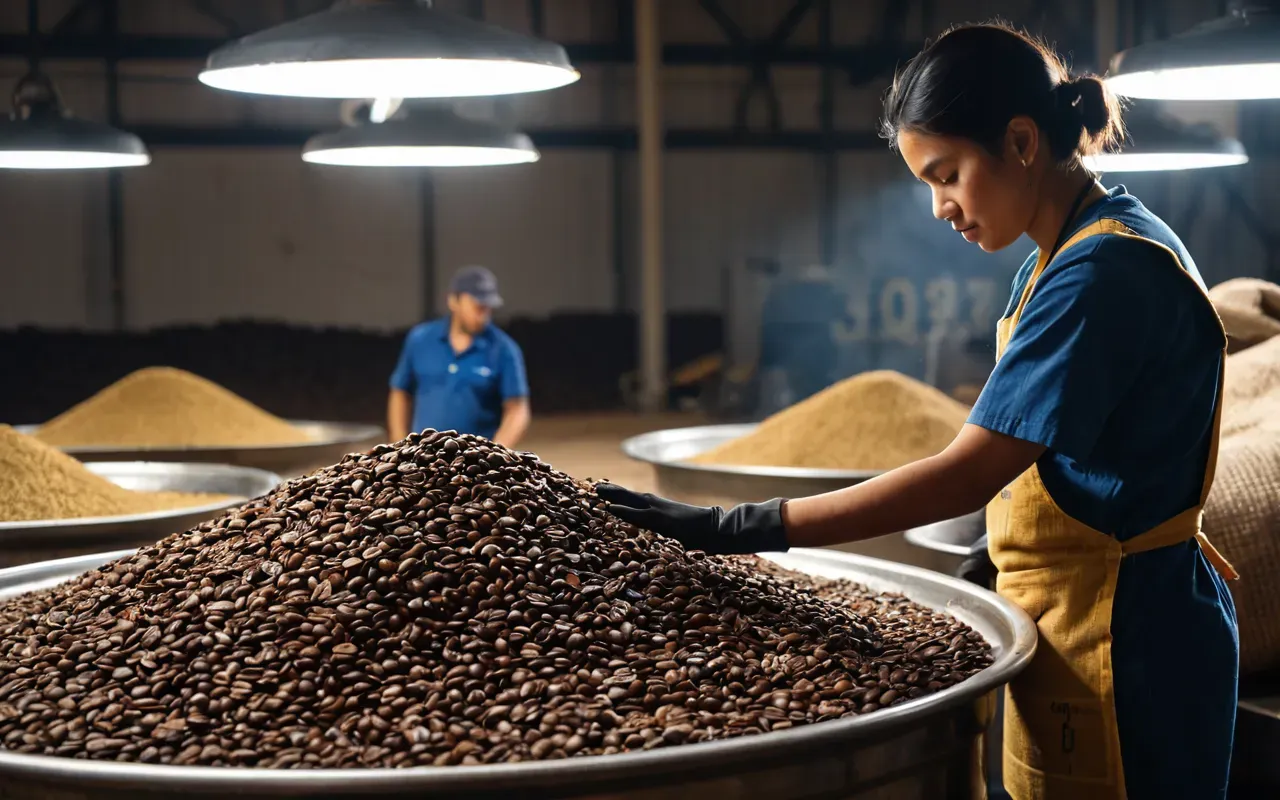
The yield is lower. The labor is higher. This economic reality keeps excelsa out of your supermarket bag and into niche roasteries.
This is why you rarely see it. It is not a marketing trick. It is pure biological economics.
Who wins from this genetic reclassification
Niche roasters win. They can now charge a premium for excelsa as a distinct species rather than a cheap alternative to liberica.
Farmers in Vietnam and the Philippines benefit from higher export values for their crops.
You lose out if you don't adapt. The market is shifting toward transparency and specific origin stories that justify higher costs.
How to spot a fraud on the label today
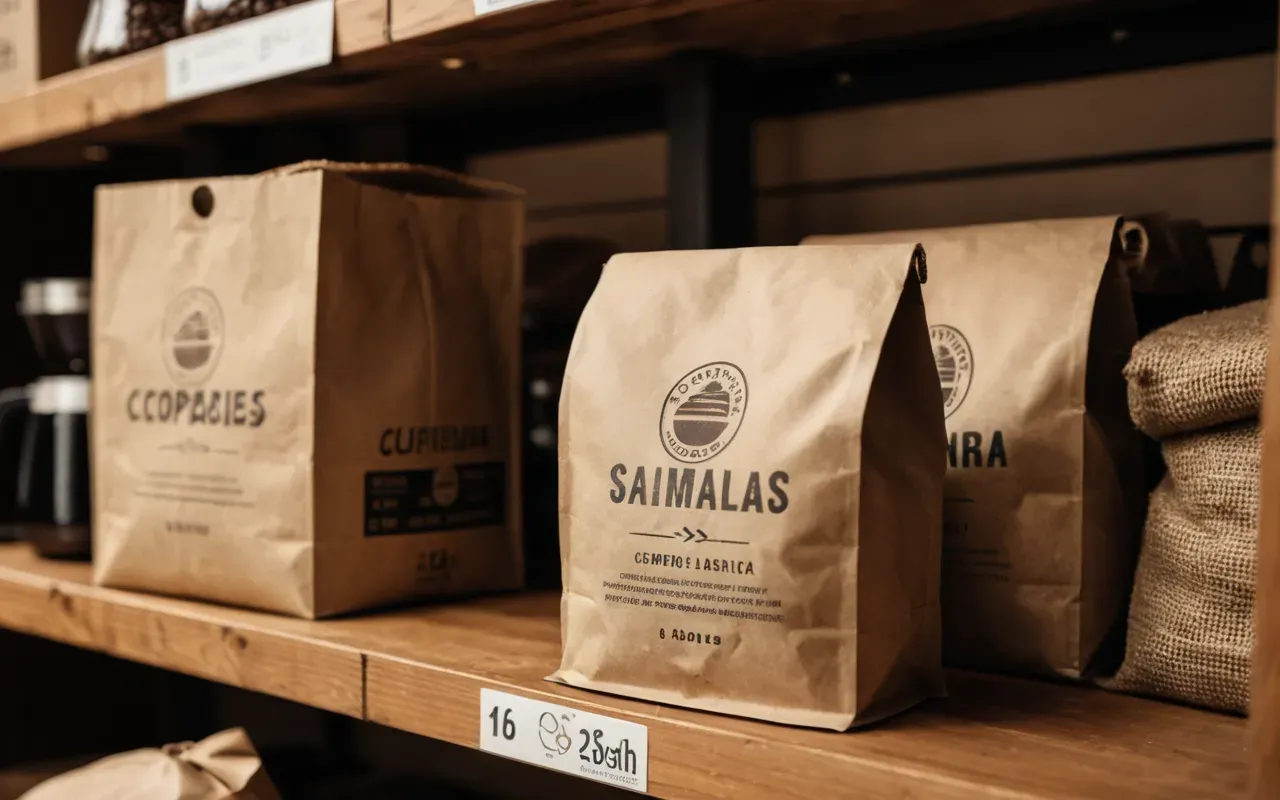
Look for the word 'variety' next to excelsa. If it claims to be a sub-type of liberica, that's outdated science.
Check the origin. Excelsa from Vietnam or the Philippines is likely authentic. Other regions are suspicious.
Taste the acidity. Excelsa has a distinct tartness that liberica lacks because of its different cellular structure.
If the cup tastes flat and syrupy with no fruit notes, you're probably drinking liberica mislabeled as excelsa.
The future of your Sunday cup is changing now
Climate change favors hardy species like robusta and excelsa. Arabica is struggling to survive in traditional growing zones.
This means your favorite arabica blend might get more expensive or disappear entirely within the next decade.
Excelsa is positioned to fill that gap. It grows at lower elevations and resists disease better than its rivals.
The coffee industry is quietly pivoting. The genetic truth about excelsa is the first domino falling in this shift.
If you want to stay ahead of the curve, start sampling excelsa now before it becomes mainstream and loses its edge.

