
The quiet end of an era in retail brewing
Last Sunday I sat at a small table near the harbor. The air smelled of roasted beans and wet stone. A man in a grey coat poured water from a glass kettle onto loose grounds. Slow. Deliberate. No plastic cups stacked high on the counter.
That scene is getting rare in big cities. The big **coffee company** chains that ruled the last twenty years are losing ground fast. Why? People want real connection now. Quality over speed. This shift has been building for a decade, but it hit hard this year.
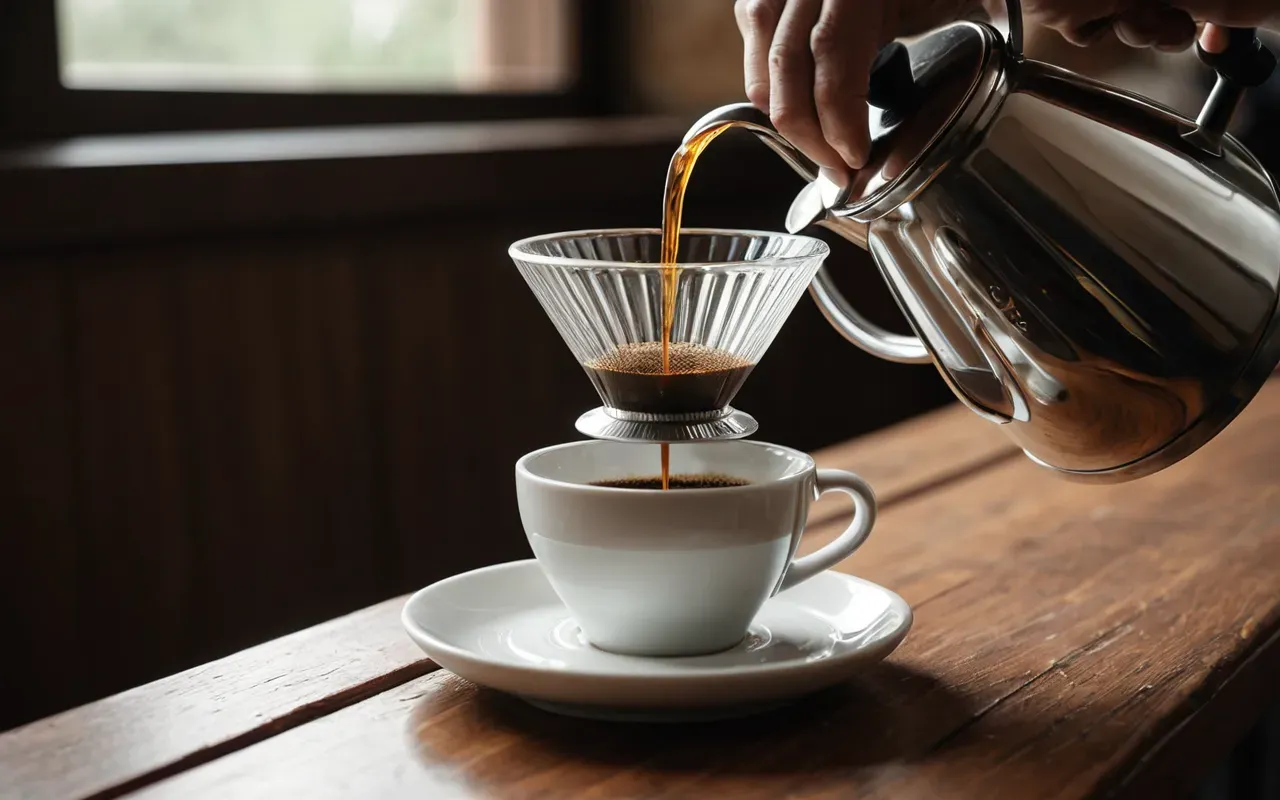
Look at the numbers. Independent roasters in Europe grew by percent last year. The big brands dropped by percent. Not a subtle change. A complete flip of consumer preference. We are moving away from mass production toward artisanal quality.
Why the big brands lost their edge
For years, convenience was king. Walk into any chain, get the same drink in under two minutes. That was the promise. But today's consumer is different. They know their coffee better than ever before.
They read the labels. They check the source of the beans. They ask about the roast date. A generic blend from a warehouse does not cut it anymore. The **coffee company** model relied on volume and consistency. Now, those are weaknesses.
I talked to a barista in Utrecht last month. She said her customers ask for specific origins. Ethiopia. Colombia. Guatemala. They want traceability. They want to know the farmer's name. Impossible with mass-produced beans stored for months.
The rise of the local roaster movement
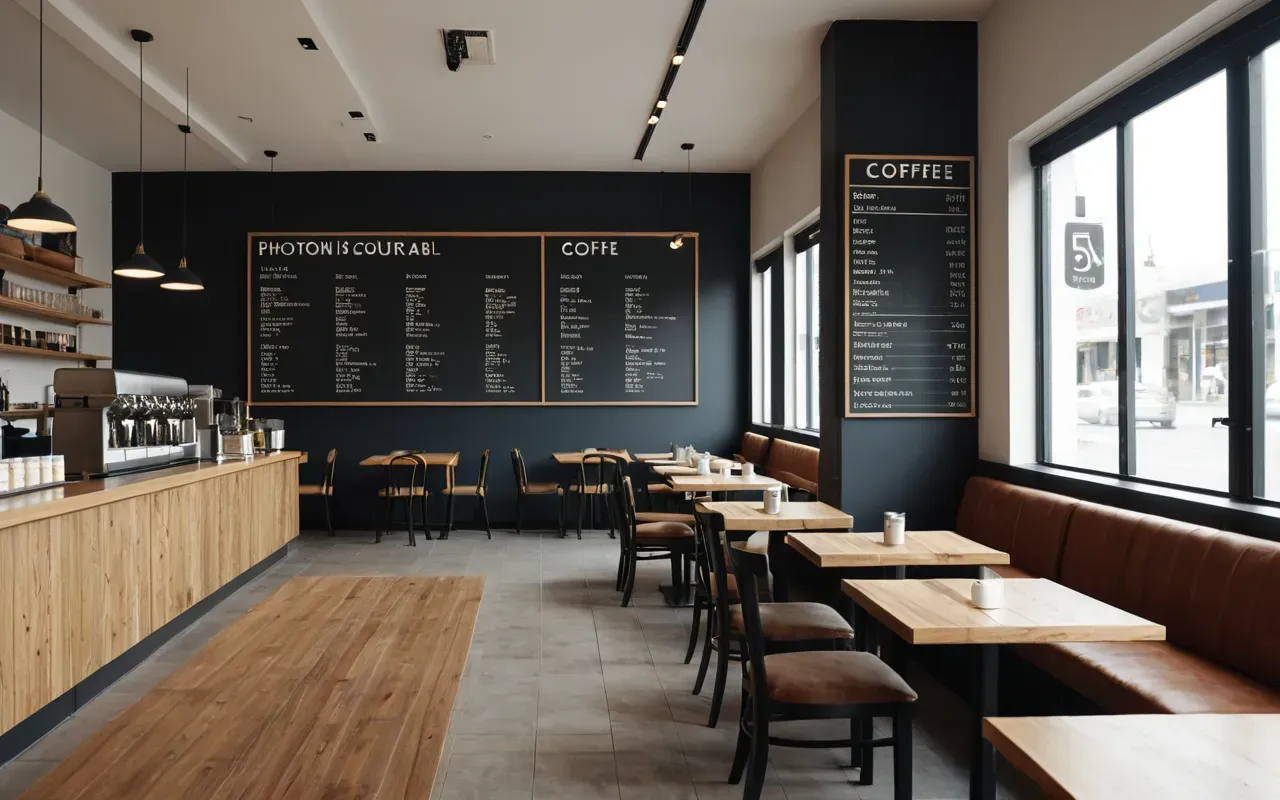
Small shops are popping up in every neighborhood. Smaller batches, fresher stock. The owner is often behind the counter. You can talk to them directly about flavor profiles.
This creates a community feel that chains cannot replicate. I have seen customers form regular friendships with baristas. It is more than just buying a drink. It is about sharing knowledge and passion for the craft.
How sourcing has changed everything
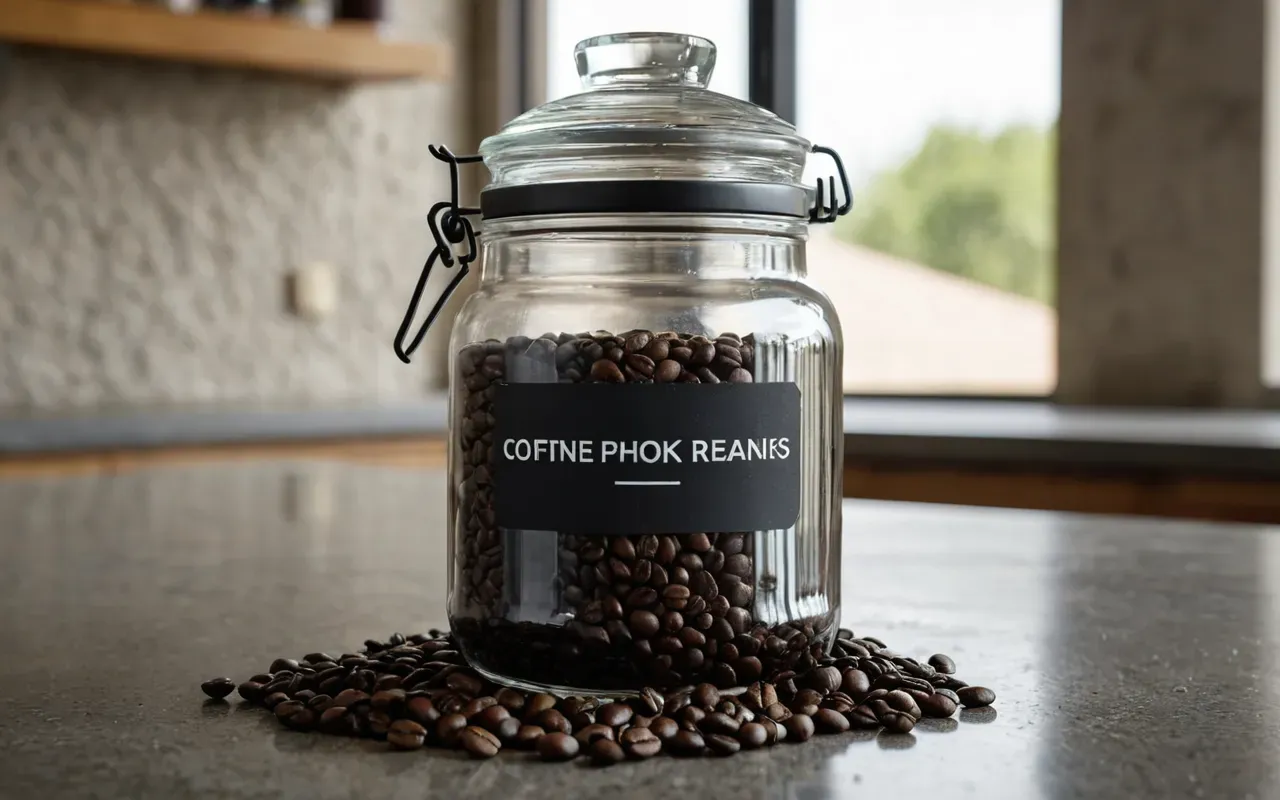
Independent roasters buy directly from farms. They pay fair prices for high-quality cherries. Better taste, and ethical treatment of workers.
Big chains often buy through brokers with long supply lines. Quality suffers in transit and storage. Taste the cup side by side and the difference is clear.
Brewing methods that are winning hearts
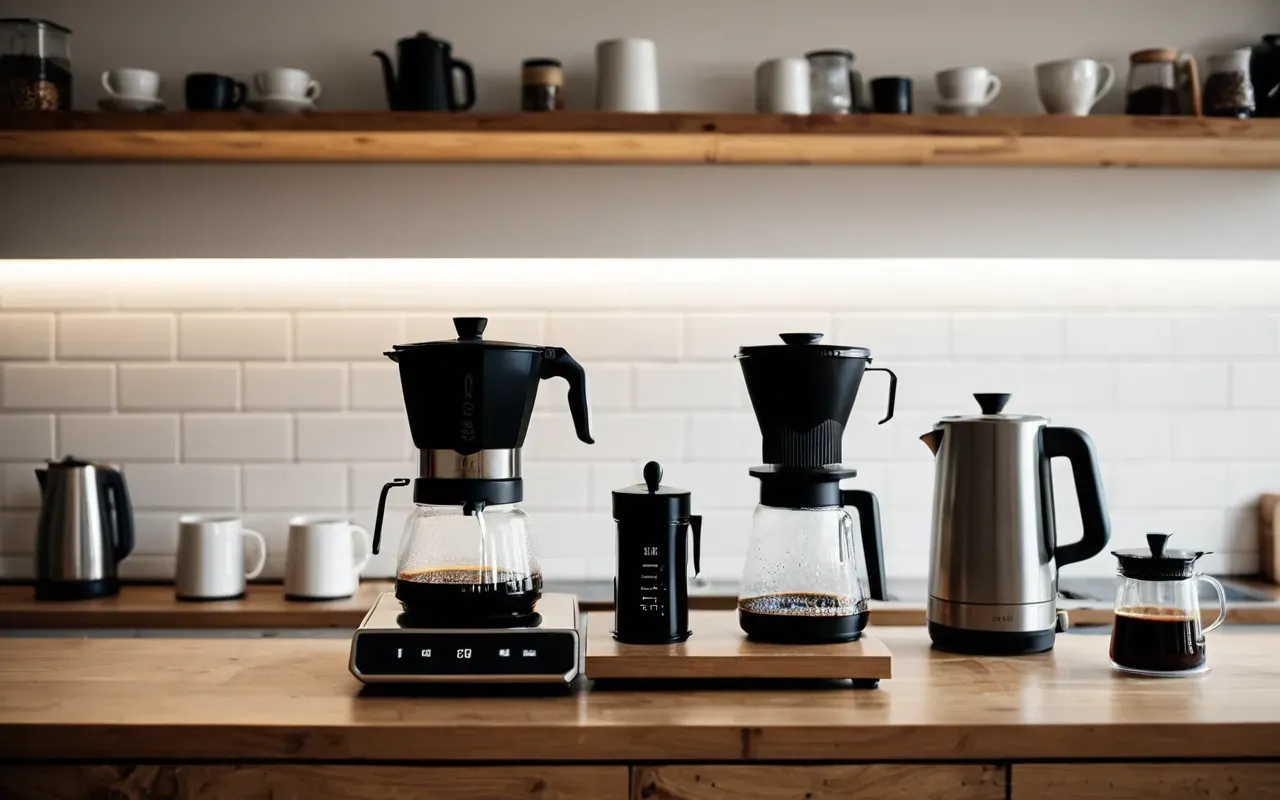
Pour-over is having a massive moment. It allows full control over extraction time and temperature. You get a clean cup with bright acidity.
Espresso remains popular for its intensity and quick service. But the way it is being prepared has changed. Baristas use precise scales to measure dose and yield.
The science behind the perfect cup
Water temperature matters greatly. Too hot and you burn the sugars. Too cold and you under-extract. The ideal range is between and degrees Celsius.
Grind size also plays a huge role. Finer grounds for espresso. Coarser grounds for French press. Matching the grind to your method ensures balanced flavor notes.
What this means for your Sunday ritual
You do not need expensive gear to taste the difference. Start with fresh beans bought from a local shop. Use filtered water and measure your dose carefully.
Take five minutes to enjoy the process. Smell the dry grounds before brewing. Listen to the water hit the coffee. These small moments create satisfaction that a quick chain drink simply cannot match.
Choosing the right beans for your taste
Light roasts reveal fruity and floral notes. Medium roasts balance sweetness and body. Dark roasts bring out chocolatey bitterness.
Try a single-origin bean first. It lets you appreciate the unique characteristics of one region without blending complexities clouding your palate.
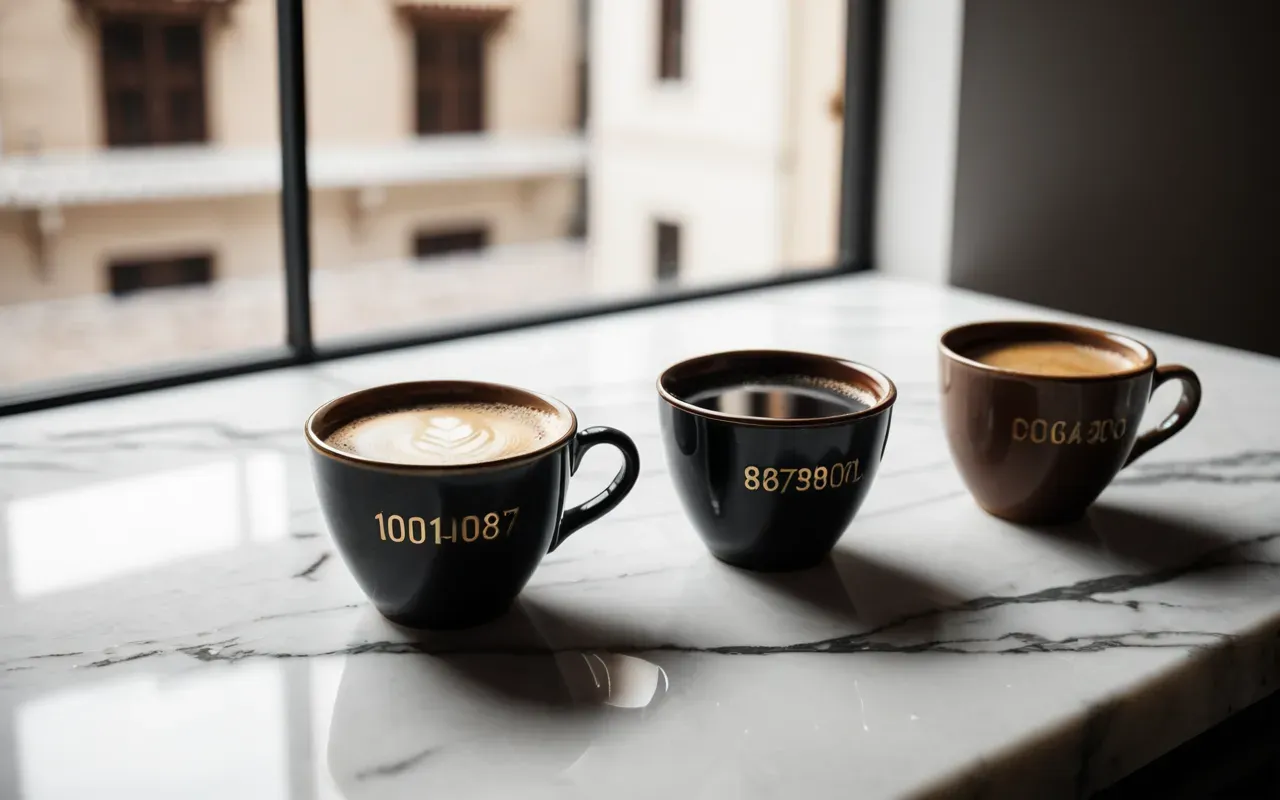
The future of coffee is local and personal
We are seeing a return to craft. People value the story behind their drink more than convenience alone.
This shift is not just about taste. It is about supporting local economies and ethical practices worldwide.
If you are still buying from a big chain every morning. It might be time to switch. Visit a local roaster this Sunday.
Taste the difference for yourself. Your palate will thank you and your community will benefit too.
Frequently Asked Questions
Why is independent coffee growing in popularity?
Consumers prefer fresh beans and ethical sourcing from small roasters. This offers better taste than mass-produced blends stored for long periods in warehouses.
How do I choose the best beans at home?
Buy single-origin beans roasted within two weeks. Check for a clear roast date and source information on the label to ensure freshness and quality.
What is the biggest trend in European coffee?
The shift from chain stores to local artisanal roasters is the dominant movement. People value transparency and direct trade relationships over brand recognition.
