
The Word That Bets Against Your Sunday Cup
You type a single word into your search bar. You expect warmth. You expect the rich aroma of roasted beans and a quiet corner to decompress. Instead, you walk through a door and find neon lights, a different kind of haze, and zero espresso machines. It happens to almost every visitor who doesn't know the local code. The word you used is a linguistic trap waiting to snap shut.
In the Netherlands, that word does not mean what you think it means. Locals will laugh, shake their heads, or simply point you toward the nearest café with a sympathetic shrug. I've seen tourists stand outside the wrong door, confused and embarrassed, while the real coffee culture thrives just a block away under a completely different name. This isn't just a vocabulary lesson. It's the difference between ruining your morning and crafting a perfect Sunday.
Here's the thing about language in this country. Words carry weight, and some carry baggage. When you ask for a coffeeshop here, you are asking for a cannabis café. The Dutch have reappropriated the term entirely. Coffee lovers? They head to cafés, koffiezalen, or simply good neighborhood spots that never use that confusing label. If you want the bean, you need to drop the label.
I've spent years navigating these streets, and the realization hit me hard. The barrier isn't quality. The Dutch are obsessed with coffee. The barrier is the sign on the door. Misunderstanding this distinction leads people away from some of the best brewing techniques and coffee types the region has to offer. We need to talk about what actually happens inside the right doors.
Why Dutch Coffee Culture Fights Back Against the Label
The Netherlands has a coffee history as deep as its waterways. Imports have flowed through these ports for centuries, shaping a palate that demands quality. Yet, the global association of the local term with cannabis has created a strange cultural dissonance. Real coffee entrepreneurs work hard to distance themselves from the confusion. They focus on craft, community, and clarity.
If you're curious about why your routine might feel off, you should read why your sunday coffee ritual is secretly failing you. The issue often isn't the bean. It's the environment and the expectations you bring to the table. When you walk into a place with the wrong mindset, you miss the nuance. You miss the care baristas put into extraction. You miss the Sunday calm that defines a proper Dutch coffee break.
The Rise of the Third Wave Café Movement
Look at the map today. You won't find specialty roasters calling themselves coffeeshops. You'll find them branding as cafés, roasteries, or coffee bars. This shift is intentional. The third wave movement has taken root here, emphasizing direct trade, light roasts, and precise brewing. These places treat coffee like wine. They care about origin, processing, and cupping scores.
And honestly, the quality rivals any capital in the world. I've had pour-overs in small neighborhoods that made me forget I was far from Portland or Melbourne. The secret is knowing where to look. You have to ignore the tourist traps and follow the locals. They know which cafés source the best Ethiopian Yirgacheffe or the boldest Colombian Huila. They know the difference between a grinder that shreds beans and one that preserves integrity.
This culture fights back by being better. They win you over with flavor, not confusion. When you embrace this side of the market, you unlock a world of taste profiles that challenge the old stereotype of dark, bitter Dutch coffee. The palate here is evolving, and it's leading the charge toward brighter, more acidic, and complex cups. Your Sunday deserves that evolution.
Coffee Types That Actually Define the Dutch Sunday
Let's get into the nitty-gritty. What are you actually drinking when you get it right? The Dutch coffee menu is a landscape of specific types, each with its own rules. Understanding these types transforms your order from a guess to a statement. You stop asking for a generic coffee and start requesting the experience you crave.
The Classic Koffie Met Melk and Its Modern Cousins
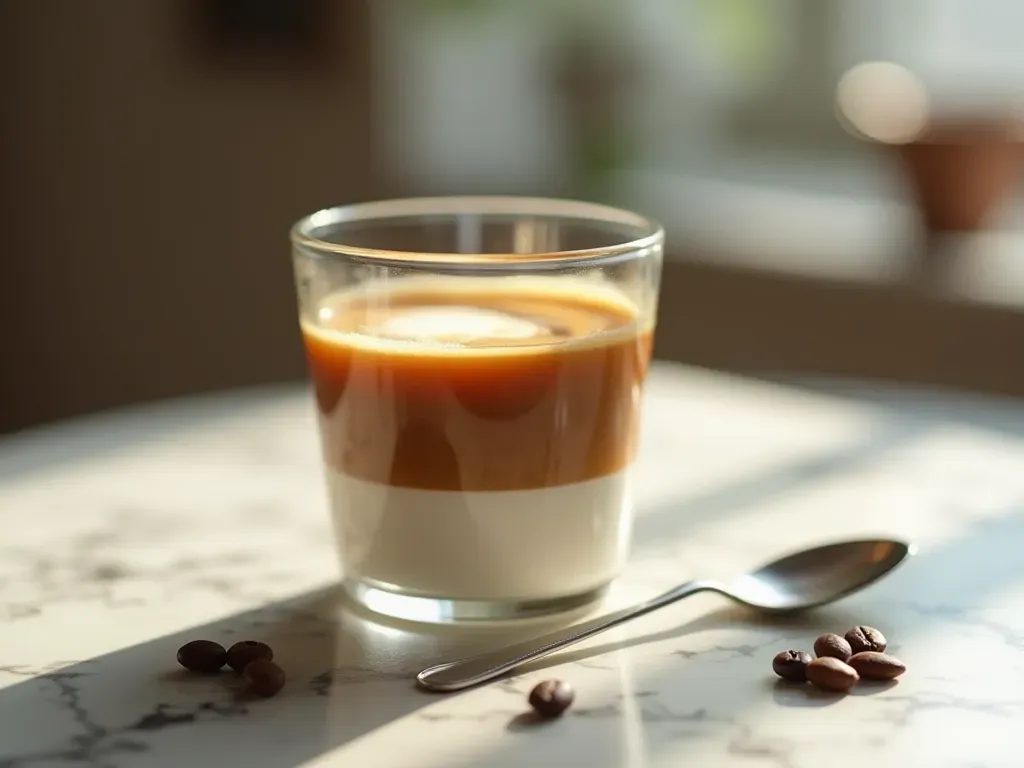
Koffie met melk is the backbone of the culture. It's coffee with milk, but the ratio matters. Traditionally, it's served in a glass, showing off the layered aesthetic. The milk is steamed but not microfoamed to death like a latte. It's warmer, heavier, and designed to complement the coffee rather than mask it. On a Sunday, this is the comfort food of beverages.
But the modern twist changes everything. Specialty cafés now offer this classic with single-origin beans. Imagine that creamy milk texture paired with a floral Ethiopian bean. The result is a drink that feels familiar yet surprising. You get the nostalgia of the Dutch staple with the complexity of third-wave roasting. It's the best of both worlds, and it's becoming the new standard for weekend mornings.
Een Lange and the Art of Dilution
Een lange might sound simple. It's long coffee. But there's a trick. The water isn't added after the espresso. It's added before. The shot pours over hot water, preserving the crema and reducing bitterness. This method highlights the bean's natural acidity. It's perfect for a slow Sunday read. You get volume without the diluted flavor that comes from poor preparation.
I've noticed baristas judging you if you ask for water on the side. It's a subtle test. Do you know the craft? Ordering een lange shows respect for the process. You're acknowledging that temperature and order change the chemistry of the cup. It's a small detail that makes a massive difference in mouthfeel. Trust the method. Your taste buds will thank you.
Pour-Over and the Sunday Slow Down
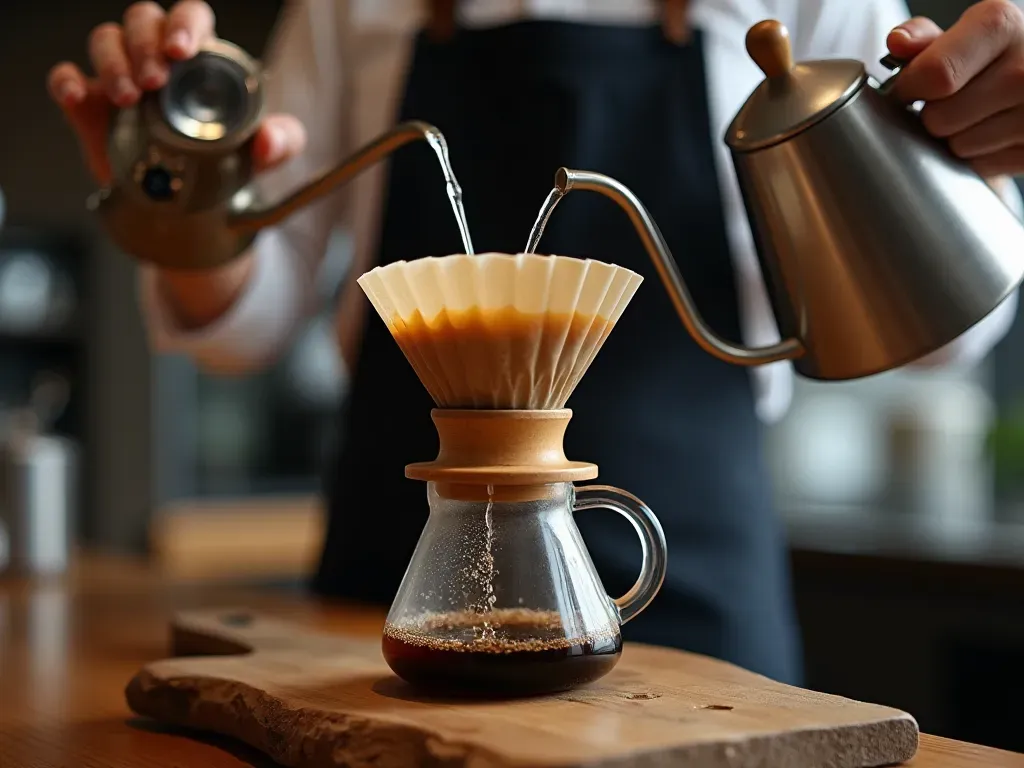
Sundays are for slowing down, and pour-over brewing matches that energy perfectly. This method has exploded in popularity across the region. Cafés now feature baristas performing these brews like rituals. The V60, the Kalita Wave, the Chemex. Each device brings out different notes. You're not just drinking coffee. You're witnessing a performance of precision.
The flavor clarity is unmatched. When you order a pour-over, you're choosing to taste the bean in its purest form. No milk to hide flaws. No syrup to distract. Just water, heat, and time working with the grounds. It's bold. It's honest. And for the connoisseur, it's the ultimate Sunday reward. You sip, you analyze, and you appreciate the origin story in every drop.
Brewing Techniques That Beat the Bad Reputation
The reputation of Dutch coffee used to lean heavy. Dark roasts dominated the market for decades. That stereotype still lingers in some minds. But the brewing techniques available today shatter that image completely. You can brew light, medium, or dark with equal skill. The equipment and knowledge are here. You just need to know how to use them.
If you're brewing at home, your setup might be the problem. Have you checked why your expensive coffee machine is ruining your sunday ritual? It's often the grind size or the water temperature. Dutch coffee culture is shifting toward manual methods that give you control. Learning these techniques turns a mediocre morning into a specialty experience without leaving your kitchen.
The French Press Myth Versus Reality
Everybody assumes French press means sludge. That's a technique failure, not a device failure. When you get it right, the immersion brew delivers a rich, full-bodied cup with incredible texture. The secret is the coarse grind and the timing. Four minutes is the magic number. Push it longer, and you're drinking bitterness. Cut it short, and sourness takes over. Master that, and you've got a Sunday powerhouse.
I've watched baristas reach for a French press when they want to showcase body and sweetness in single-origins. It works wonders for beans from Brazil or Sumatra. The oils that paper filters trap stay right in the cup, adding complexity. It's a bold choice for a lazy morning. You press, you pour, and you enjoy a coffee that feels substantial and grounding. Perfect for starting the day with intention.
AeroPress and the Portable Sunday
The AeroPress has changed the game for versatility. It's cheap, durable, and capable of producing cupping-quality coffee. You can brew it traditional or inverted. You can use paper or metal filters. The experimentation is endless. On a Sunday, you might want to play. Try a different ratio. Switch the grind. See how the flavor shifts. It's a scientist's toy and a coffee lover's best friend.
And the cleanup is instant. No fumbling with baskets or grounds disposal. Just a pop and a rinse. This convenience matters when you want to relax, not work. But don't let the ease fool you. The AeroPress demands good beans. It exposes low quality instantly. So invest in fresh roasts from local roasteries. You'll be amazed at the chocolate and berry notes you can pull out with a few seconds of pressure.
Cold Brew for the August Heat
It's August, and the sun can still be fierce. Cold brew has become a staple for warm afternoons. The slow extraction over twelve hours removes acidity and creates a smooth, sweet concentrate. It's refreshing without being watery. You can drink it black or add a splash of oat milk. It's the perfect companion for a Sunday stroll or a nap on the terrace.
Making it at home is simple. Coarse grind, cold water, patience. That's it. No fancy gear required. Just a jar and a filter. The flavor profile is distinct from iced coffee. It's deeper and less sharp. I've found that lighter roasts shine here, revealing fruity notes that heat usually hides. It's a refreshing twist that proves coffee isn't just for winter mornings.
Store Ideas for the Aspiring Coffee Entrepreneur
Maybe you're inspired. You want to open a place that gets it right. The market is competitive, but there's room for creativity. The key is differentiation. You can't just serve coffee. You need to sell an atmosphere, a concept, a feeling. Here are some ideas that blend Dutch practicality with modern hospitality trends. These concepts could define the next wave of Sunday spots.
Concept One: The Zero-Waste Coffee Atelier
Sustainability is non-negotiable now. A zero-waste café appeals to the conscious consumer. Use bulk dispensers for beans. Encourage reusable cups with discounts. Source pastries from local bakeries using surplus ingredients. The decor can feature upcycled materials. This isn't just eco-friendly. It's a statement. Customers love supporting businesses that align with their values. It builds loyalty fast.
The operational challenge is high, but the branding is powerful. You become the go-to spot for the thoughtful Sunday crowd. They'll share their experience online. The word-of-mouth marketing is priceless. Plus, reducing waste often cuts costs in the long run. Less packaging, less trash disposal. It makes business sense while doing good. It's a model that respects the bean and the planet equally.
Concept Two: The Neighborhood Coffee Library
Combine coffee with community. A space where customers can borrow books while they sip. The vibe is quiet, intellectual, and welcoming. You stock local literature and art books. Maybe host author readings on Sunday afternoons. This creates a destination, not just a stop. People stay longer. They linger. They become regulars. The coffee fuels the culture, and the culture sells the coffee.
This concept taps into the desire for connection. We're all scrolling too much. A physical space for reading and reflection is a luxury. It positions your café as a sanctuary. The revenue stream diversifies too. You can sell books or partner with publishers. It's a cozy idea that feels timeless. In a world of noise, quiet is the ultimate premium product. Your Sunday ritual becomes a reading ritual.
For more inspiration, you might want to transform your sunday mornings with inspiring coffee cafe ideas in the netherlands. These concepts show that creativity pays off. You don't need to reinvent the wheel. You just need to add a layer of meaning. Customers are hungry for experiences that matter. Give them a place to belong, and they'll bring their friends. The growth follows naturally.
Selecting Beans Like a Local Connoisseur
The bean is the soul of the cup. No technique can save a bad bean. Selecting the right roast for your taste is the final step in mastering your Sunday. You need to understand flavor wheels, roast levels, and freshness dates. Here's how to choose like a pro. Stop grabbing the first bag you see. Start reading the label. Your morning depends on it.
Roast Profiles That Matter for Flavor
Light roasts preserve the bean's origin character. You'll taste fruit, flowers, and tea-like acidity. These are for pour-overs and pour-over fans. Medium roasts balance body and brightness. They offer chocolate and nut notes with a hint of sweetness. Dark roasts bring smoke and bitterness. They stand up well to milk. Know your preference. Match the roast to your brew method and palate.
I've learned that trying a new roast every Sunday keeps things exciting. Don't get stuck in a rut. If you always drink dark, try a medium-light Ethiopian. You might be shocked by the berry notes. It expands your appreciation for coffee. Roasteries often list tasting notes on the bag. Treat them like a wine label. They're clues to what you'll experience. Follow your curiosity.
Origin Stories You Should Know
Where the bean grows changes everything. Soil, altitude, and climate dictate flavor. Ethiopian beans are known for complexity. Colombian beans offer balance. Brazilian beans bring body. Sumatran beans deliver earthiness. Understanding origins helps you predict taste. It makes shopping intentional. You're not just buying coffee. You're supporting farmers in specific regions. The story behind the cup adds depth to the sip.
Look for single-origin bags. They trace back to one farm or cooperative. This transparency ensures quality and fair trade. Blends have their place, especially for espresso, but single-origins teach you about diversity. They reveal what coffee can be. On a Sunday, you have time to savor these nuances. Slow down. Let the origin story unfold in your mouth. It's a travel experience without leaving home.
The Sunday Ritual: Making It Count
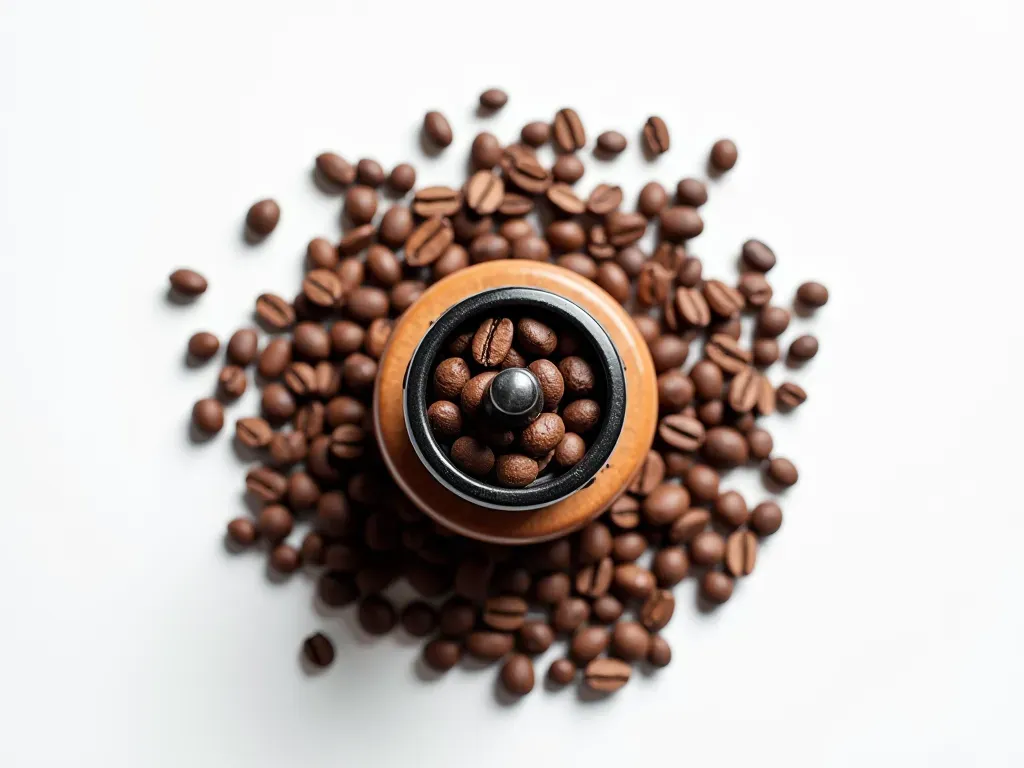
Coffee is more than caffeine. It's a ritual. Sundays are the anchor of the week. How you spend that hour shapes your mood. Creating a dedicated coffee routine turns a chore into a highlight. It's about presence. Put the phone away. Listen to the grinder. Watch the bloom. Smell the steam. Engage all your senses. This mindfulness is the real magic.
Pair your coffee with intention. Maybe it's a fresh pastry. Maybe it's a good book. Maybe it's just the view from your window. The Dutch value gezelligheid, that cozy togetherness. Invite a friend. Or enjoy solitude. The ritual adapts to your life. But the coffee remains the centerpiece. It grounds you. It signals that the day is yours to enjoy. Protect that time fiercely.
Pairing Coffee With Local Treats
You can't talk Dutch coffee without mentioning food. The pairing elevates both. A stroopwafel melts perfectly over a hot cup. The caramel sweetness balances acidity. Try a speculaas for spice notes. Or a simple butter cookie for crunch. The contrast enhances the coffee. You taste the bean more clearly when food is involved. It's a harmonious dance of flavors.
Bakeries here are top-tier. Look for artisanal spots that bake fresh daily. The ingredients are simple. Butter, flour, sugar. But the execution is masterful. Supporting local bakers strengthens the community. They often supply cafés, creating a network of quality. Your Sunday table becomes a showcase of local craft. It's delicious, it's ethical, and it feels authentic. That's the vibe you want.
Navigating the NL Coffee Scene Without the Gaffes
Avoiding the coffeeshop trap is step one. Step two is respecting the local norms. Dutch service can seem direct. It's not rude. It's efficient. Baristas are busy. Be clear with your order. Know the menu. Tip if you want, but it's not mandatory. Table culture varies. Some places expect you to leave. Others welcome lingering. Read the room. Adapt your behavior. You'll blend right in.
Also, learn the basics of Dutch. Just 'dank u' and 'een koffie, alsjeblieft' goes a long way. Locals appreciate the effort. It shows respect. You don't need fluency. A few phrases break the ice. It turns a transaction into an interaction. And remember, the goal is coffee. Keep your focus on the cup. Let the language barrier melt away with the first sip. The brew speaks universal.
Reading the Menu Like a Pro
Menus can be confusing. Terms like 'dubbel' or 'extra sterk' have specific meanings. Dubbel means double espresso. Extra sterk means a stronger roast or higher dose. Asking questions is smart. Baristas love to educate. If you see a pour-over list, ask about the bean of the day. It's usually a highlight. Engaging with the menu shows you care. It signals that you're a serious drinker. You'll get better service.
Don't be afraid to customize. Milk alternatives are standard now. Oat, soy, almond. Most cafés accommodate preferences without judgment. Sweetness is usually added at the table. Syrups are available but less common in specialty spots. The focus is on the bean. Trust the barista's recommendation. They cup these drinks daily. They know what works. Let their expertise guide your Sunday choice.
Tipping and Table Culture Nuances
Tipping is appreciated but not expected. Leaving small change is standard. It's a gesture of thanks, not an obligation. Table culture is relaxed. You can stay as long as the café is open. Just don't hog the spot during peak hours. If the room is full, consider moving on. It's polite. The Dutch value fairness. Everyone deserves a chance to enjoy a cup. Be mindful of the flow. It keeps the vibe positive for everyone.
These small courtesies matter. They show you're part of the community, not just a visitor. The coffee scene thrives on mutual respect. When you act like a regular, you become one. You'll get remembered. You'll get the best beans saved for you. It's a subtle game. Play it well. Your Sunday rewards will multiply. You'll find your home away from home in the local café.
Frequently Asked Questions
What is the difference between a coffeeshop and a café in the Netherlands
In the Netherlands, a coffeeshop is a licensed establishment where cannabis is sold and consumed. A café is a traditional coffee shop serving coffee, tea, food, and alcoholic beverages. The terms are not interchangeable. Using the wrong word can lead to confusion. For coffee, always look for cafés, coffee bars, or roasteries. This distinction is crucial for visitors seeking a caffeine fix.
How do Dutch people typically drink their coffee on Sundays
Dutch people often enjoy a slow Sunday coffee ritual, either at home or in a local café. Common choices include koffie met melk, een lange, or specialty pour-overs. The focus is on relaxation and quality. Many pair their coffee with pastries or a light breakfast. It's a time to disconnect from the week. The ritual emphasizes presence and savoring the cup.
What are the best brewing methods for Dutch-style coffee
The best methods depend on your taste. For traditional richness, a French press or moka pot works well. For clarity and acidity, pour-over devices like the V60 or Chemex are ideal. Espresso machines are popular for milk-based drinks. Dutch culture embraces all techniques. The key is using fresh beans and proper water temperature. Experiment to find your favorite Sunday brew.
Why is the term coffeeshop confusing for coffee lovers in NL
The term is confusing because it has a completely different meaning locally. Internationally, it implies a coffee shop. In the Netherlands, it refers to cannabis venues due to regulatory history. This linguistic clash misleads tourists and new residents. Understanding the local terminology prevents awkward mistakes. It ensures you find the coffee culture you seek.
Can you find specialty coffee in traditional Dutch cafés
Yes, many traditional cafés now offer specialty coffee options. The third-wave movement has influenced the entire market. You can find single-origin beans and precise brewing even in neighborhood spots. Quality is rising across the board. Look for cafés that mention roastery partnerships or pour-over menus. The standard is improving daily. Great coffee is everywhere if you know where to look.


