
The marketing myth behind your bitter cup of java
You bought the bag because it said "French Roast." You expected bold flavor. Instead, you got a mouthful of charcoal and regret.
Here's the thing. Most mass-market coffee brands use "French Roast" as a shield for cheap beans.
The name implies sophistication. It suggests Parisian cafés and centuries of tradition. But the reality is far less romantic.
I've tasted hundreds of coffees in my life. And I can tell you that true dark roast is not about burning the bean.
It's about balance. Caramelized sugars. A heavy body that sits comfortably on the palate.
Why cheap roasters hide burnt flavors behind bold labels
Colby Barr from Verve Coffee Roasters put it bluntly. He said that mass-market French roasts use very cheap commercial coffee.
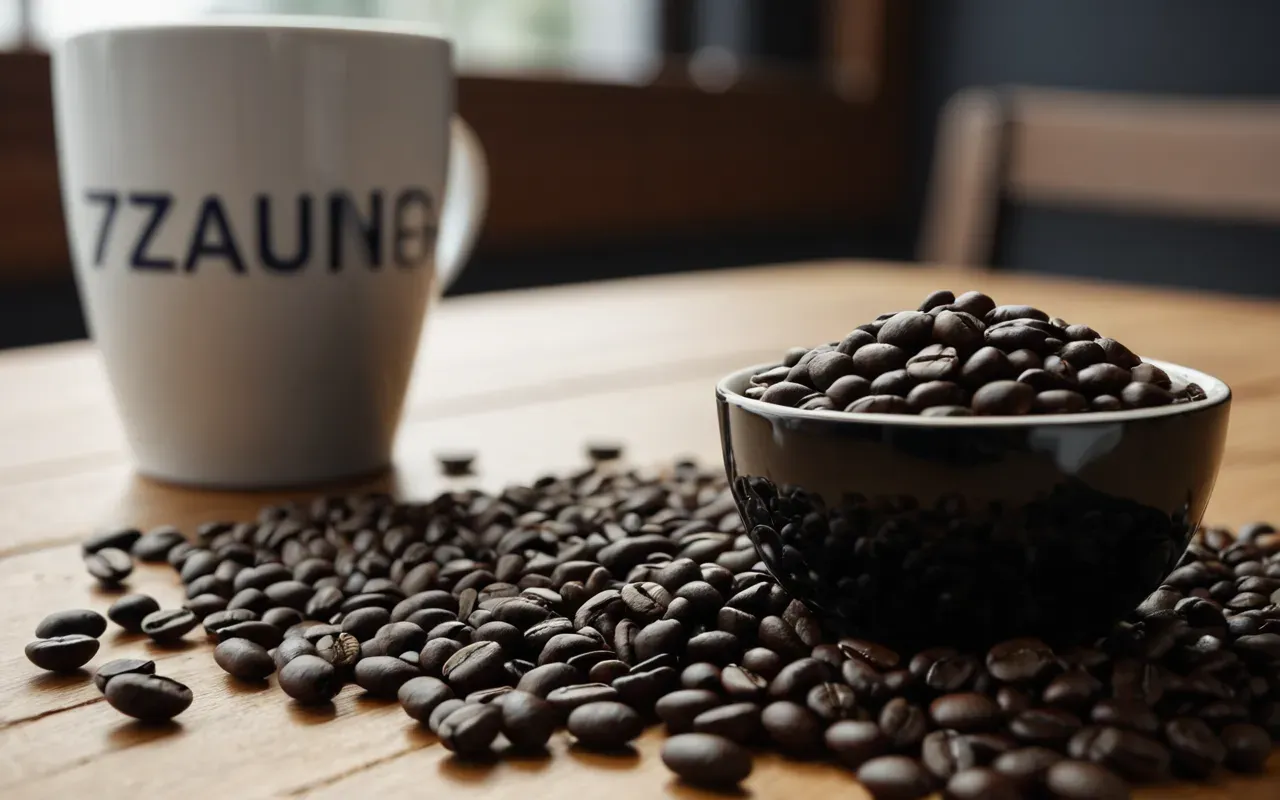
They roast these low-quality grounds so dark that they're covered in oils. That's a clear sign the bean was overcooked.
When you drink this coffee, you're not tasting the bean. You're tasting the heat damage.
The exposed aromatic compounds accelerate aging. They make the coffee stale faster and create a massive mess in your brewing equipment.
So why do we keep buying it? Because the label promises intensity. And most of us confuse intensity with quality.
The real difference between bold and burnt coffee beans
Lighter roasts are bright and fruity. Dark roasts rely more on the flavors created during heating.
But there's a line. A good dark roast should have bittersweet chocolate notes and caramelized sugars.
A bad dark roast tastes like ash. Harsh. One-dimensional.
I tried a popular supermarket brand last week. No fruitiness left. No origin character. Just smoke.
How to identify high quality roasts in your local shop
Look at the bean color. It should be dark but not black.
Check for oil sheen. A little is fine. Too much means the bean was pushed past its limit.
Read the roast date. Freshness matters more than any label claim.
If the bag is sealed for six months before it hits the shelf, you're already drinking stale coffee.
Brewing tips to bring out natural sweetness in dark beans
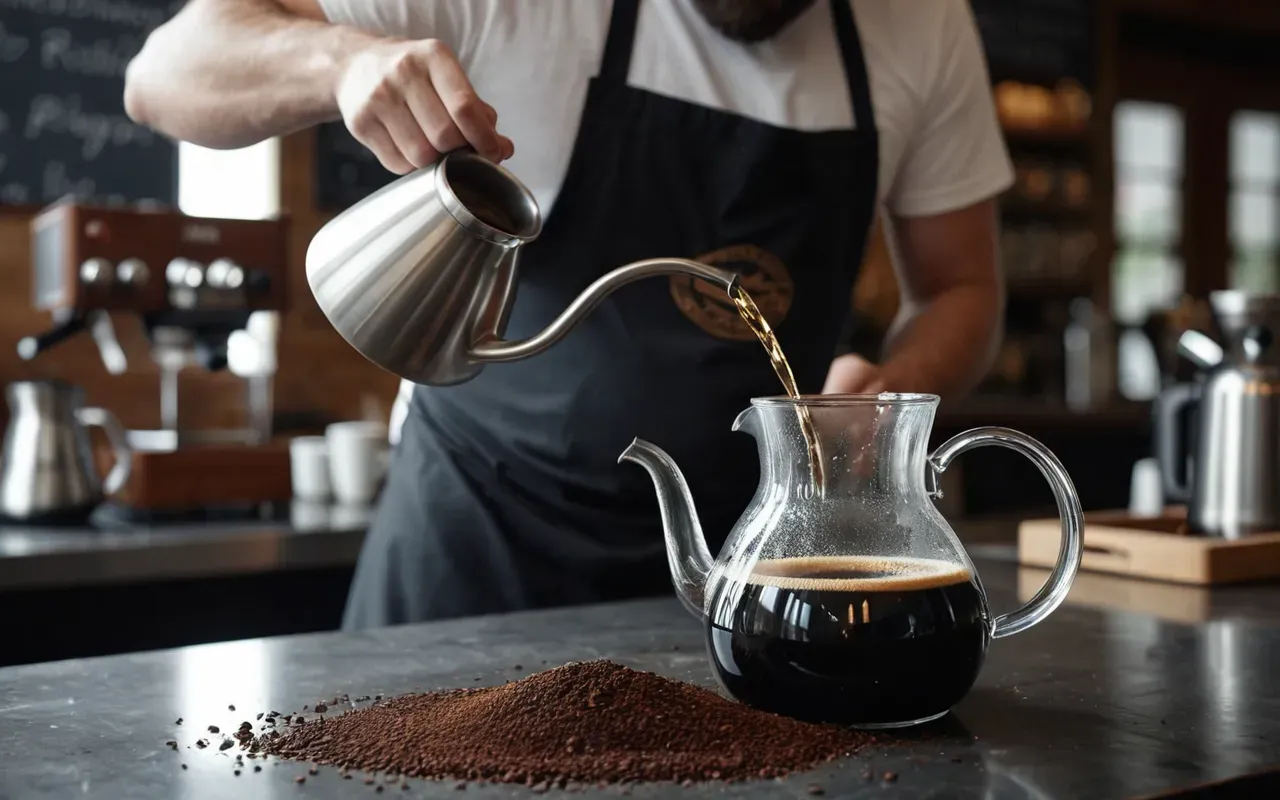
Use slightly cooler water for very dark roasts. This reduces bitterness extraction.
Grind coarser than you think fine grinding releases more bitter compounds from the outer surface.
I switched my routine and noticed a massive difference in flavor depth within days.
If you want to explore more about how equipment affects taste, check out this article on the hidden flaw in your expensive coffee machine.
The surprising health angle of low acid dark roasts
Many people avoid light roasts because they irritate their stomachs.
Dark roast is a natural solution for sensitive drinkers. The roasting process breaks down chlorogenic acids.
This makes it gentler on the gut. It's a valid reason to prefer bold flavors.
But don't let health excuses justify buying burnt beans. Quality and comfort are not mutually exclusive.
Where to find honest bold coffee in your neighborhood
Small roasters care about varietal integrity. They don't hide bad beans behind dark heat.
They source specific origins and roast to highlight natural characteristics rather than mask them.
I found a local shop that offered a sample before purchase. The difference was immediate and profound.
If you're looking for more spots to visit, read this piece on the 12 best coffee shops hiding in plain sight.
The future of bold flavor in a changing market landscape
Consumers are waking up to the quality gap. They want transparency over hype.
Big brands are starting to respond with cleaner labels and fresher dates. But the shift is slow.
You have the power to vote with your wallet. Choose beans that respect your palate.
The next time you reach for a dark roast bag, look closer. Ask questions. Taste the difference.


