
The Machine You Trust Is Lying to Your Taste Buds
I bought a machine for euros in late September. I figured I'd have decent espresso by Tuesday morning. Instead, the first three cups tasted like wet cardboard and burnt sugar.
That moment changed how I look at hardware. We assume expensive gear means better flavor. But most home units have a hidden design flaw that kills extraction quality right out of the box.
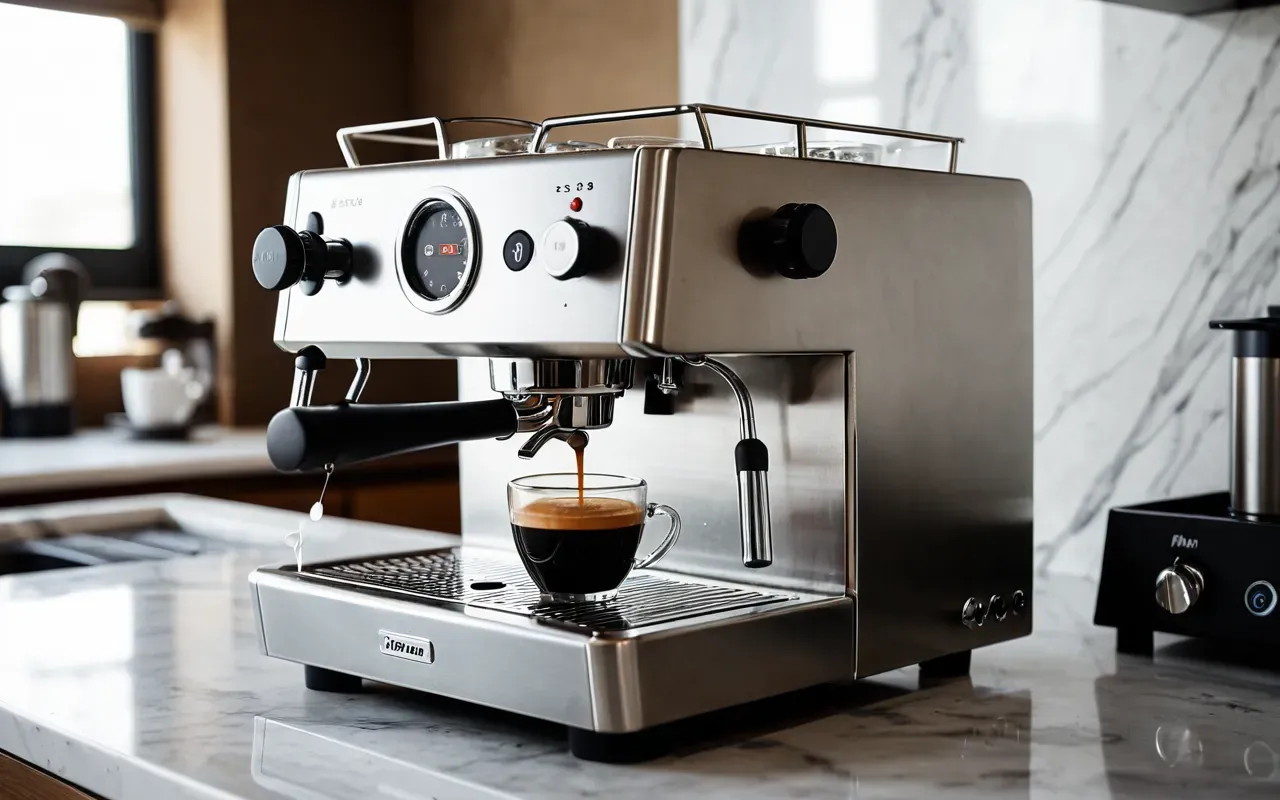
Flaw The Water Path Is Narrower Than It Should Be
Look at the internal tubing. Most budget and mid-range units use standard plastic lines from appliances like kettles or dishwashers.
This restricts flow rate significantly. Water hits grounds too fast or unevenly. You get channeling where liquid bypasses the coffee puck entirely, leaving dry patches and over-extracted bitter spots elsewhere.
How to Test Your Tubing Capacity at Home
Run a full cycle without coffee. Time how long it takes for the reservoir to empty completely into your cup.
If it exceeds seconds, your flow is too slow. This means pressure builds up before extraction starts, forcing water through at inconsistent rates that ruin flavor balance and body weight in the final pour.
Flaw The Grind Bypass Effect in Static Hoppers
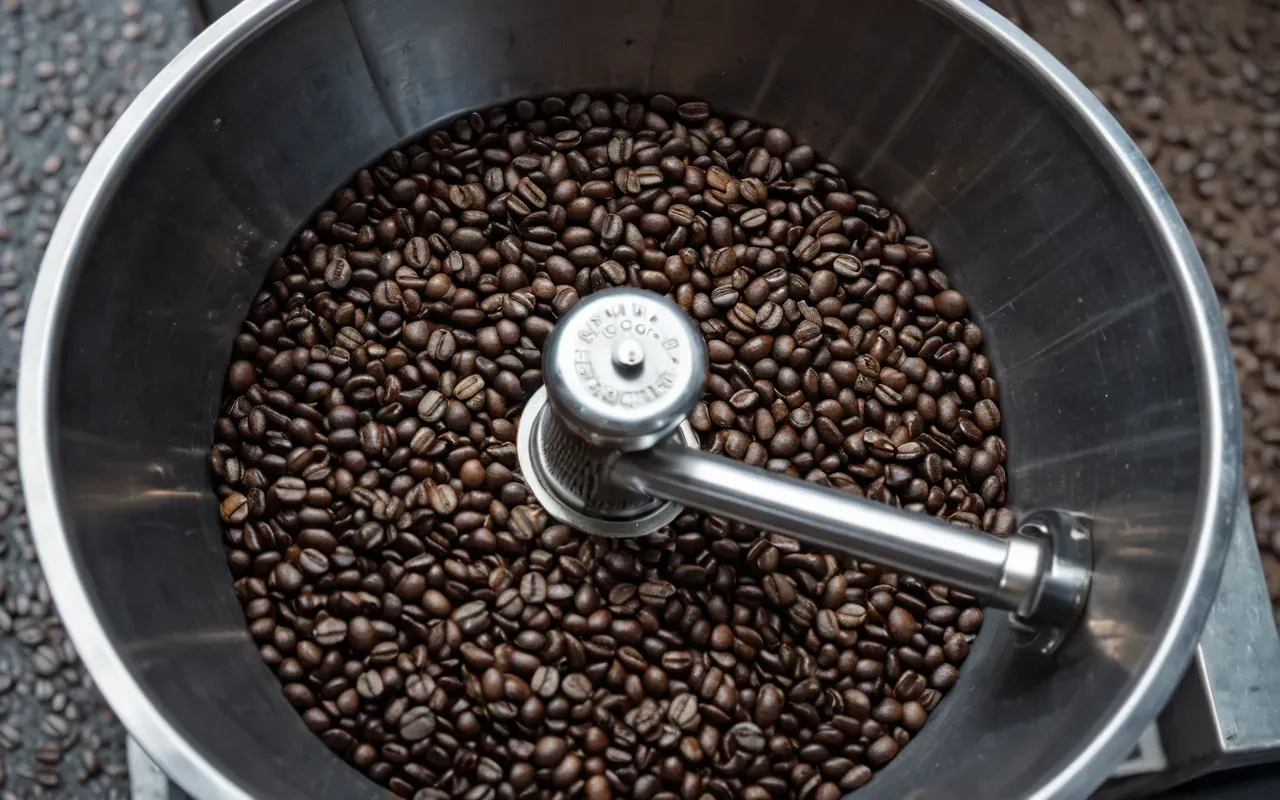
Here is the thing about static hoppers. They look simple but create airflow dead zones that trap fine powder particles against the walls.
When you pull a shot, only fresh beans drop from the center. The trapped fines at the edges mix in late or not at all, creating inconsistent grind size distribution within every single cup you make that morning.
Why Consistency Matters More Than Raw Speed
A grinder can be fast but useless if it does not deliver uniform particle size to the burrs. You need even distribution across the entire extraction path for balanced acidity and sweetness in your beverage.
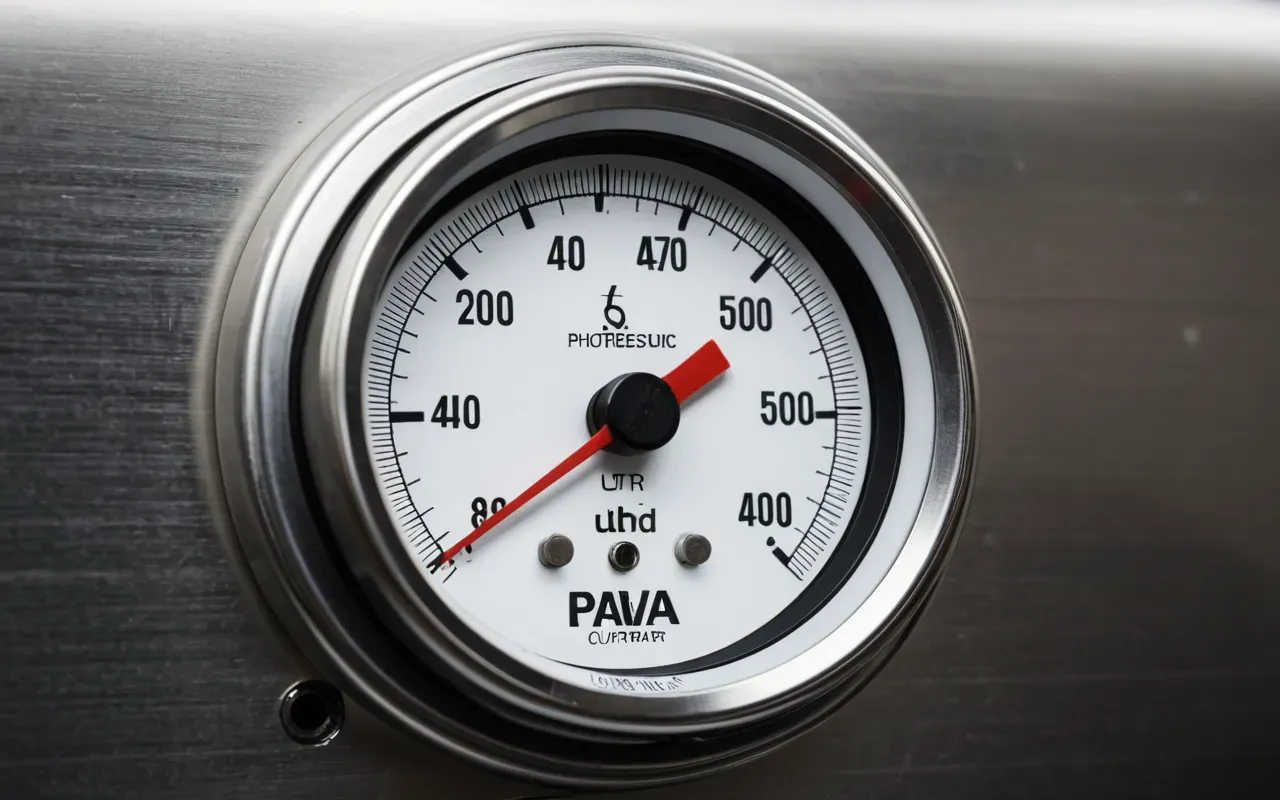
Flaw Pressure Gauge Inaccuracy in Home Units
Most home machines show a needle that bounces between and bars. That number is fake if it fluctuates wildly during extraction.
Real pressure should stabilize at around bars for the entire second shot time. If yours spikes to then drops to , you are brewing two different coffees in one cup simultaneously.
The Hidden Cost of Pressure Spikes on Flavor Profile
High spikes extract bitter tannins too quickly while low pressure leaves sweet sugars behind in the grounds. This creates a hollow taste that no amount of milk or sugar can properly mask afterwards.
Flaw The Puck Screen Creates Uneven Water Distribution
That metal screen under your portafilter is not doing what you think. It actually channels water flow into specific spots rather than spreading it evenly across the bed.
I removed mine and brewed without it once just to test. The difference was shocking because every part of the puck extracted at the same rate, producing a much smoother and more complex flavor profile in seconds.
When You Should Keep or Remove the Distribution Screen
Keep it only if your tamping technique is inconsistent. If you press evenly, remove it for better flow uniformity and reduced channeling risk in every single extraction cycle.

