
The Truth About Coffee in the City of Canals
Most people show up with a list. The famous spots — the ones influencers tag after staying ten minutes and posting five photos.
"They're chasing a photo that doesn't taste like anything." I heard some version of that in every local conversation I had about the city's coffee scene last month.
I spent three weeks walking these streets. Not as a tourist with a map. As someone trying to figure out what makes this particular morning so different from the rest of Europe.
Why Your First Cup Matters More Than You Think
The first sip sets the tone for your whole day. If it tastes like burnt cardboard, you're already fighting a battle.
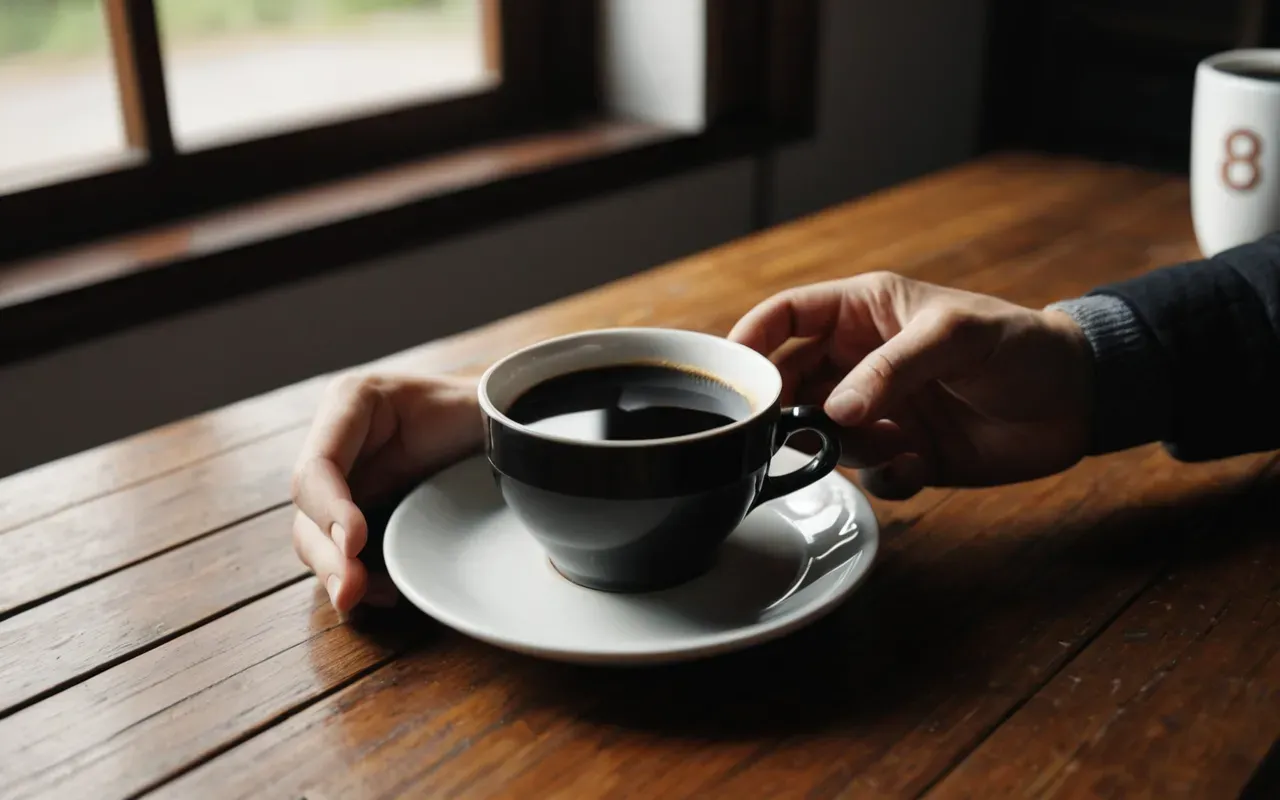
Here, that first moment is sacred. It isn't just about caffeine. It's about the pause before the noise starts.
Mapping The Real Coffee Route Beyond The Main Streets
Forget the busy squares. You want the corners where locals sit with their laptops and newspapers.
The Quiet Corners of De Pijp That Everyone Overlooks
De Pijp is famous for a reason. Highest density of small businesses per square meter in the region.
"The best espresso here isn't on the main strip — it's two streets deeper, where the light hits differently." A barista told me that while polishing a portafilter.
So I walked those extra blocks. Found a place with six seats and a roaster who knows every customer by name.
Understanding The Local Roasting Culture That Sets This Place Apart
It's not really about buying beans. It's a philosophy of freshness that big chains just can't replicate.
How The Four-Bean Mix Is Actually A Genetic Impostor
You'll see plenty of four-bean blends on shelves here. The truth is messier than the label.
"Four beans do not make better coffee," one local roaster told me last Tuesday. "They just hide bad flavors."
Which is where the fourth bean on your shelf is a genetic impostor becomes relevant to anyone trying to buy quality locally.
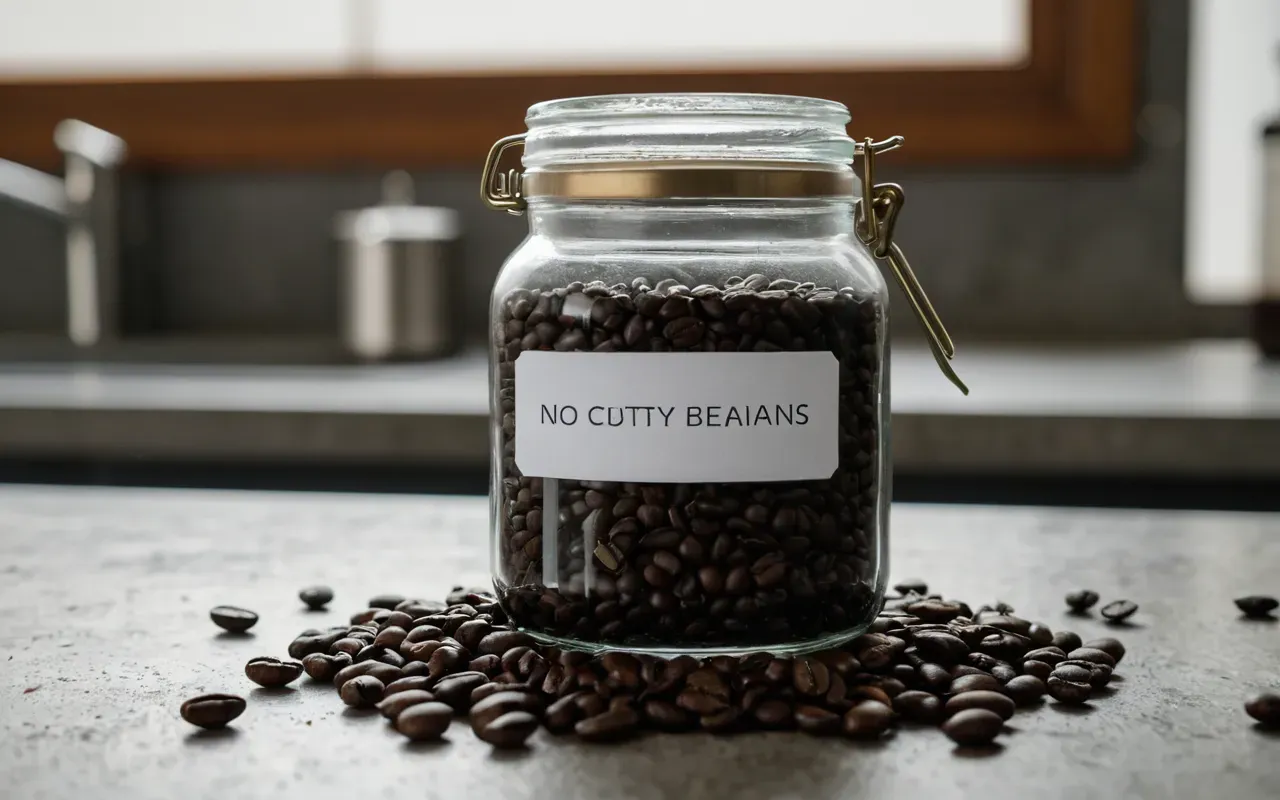
Once you understand that distinction, your morning cup tastes different. The focus shifts from quantity to quality.
The Sunday Morning Ritual That Locals Actually Follow
Sundays are different here. Slower energy. More deliberate.
Why Rushing Your Coffee Is A Cultural Misunderstanding
In a lot of cities, coffee is fuel. Here, it's a pause.
"People look at their phones while drinking," I noticed one morning in a quiet corner cafe near the canal. "They're not tasting anything."
That connects to why your Sunday coffee ritual is secretly a marketing trap when you let hustle culture set your pace.
The Specific Time To Visit For The Best Experience
Between : AM and noon. That's when the morning rush settles but before the afternoon crowd arrives.
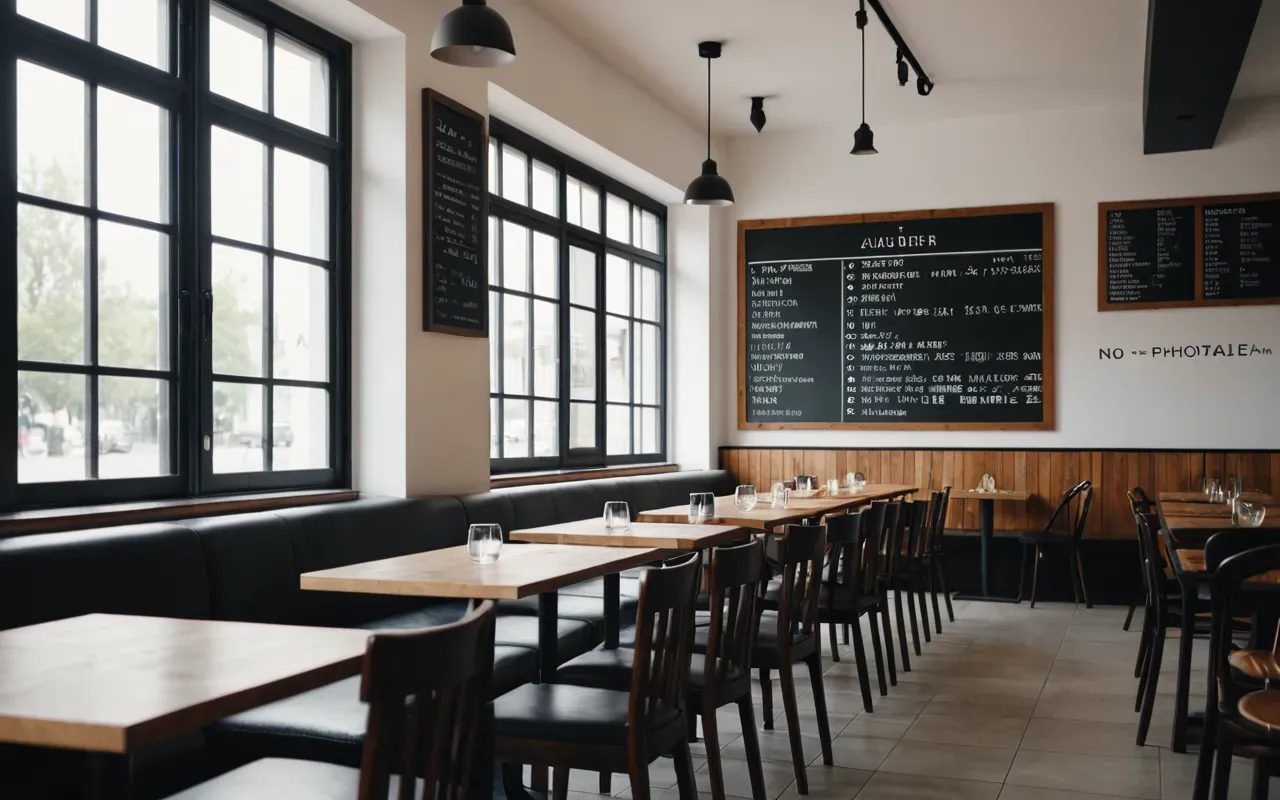
At that hour the baristas are relaxed. Music's low. You can actually hear yourself think.
Comparing The Big Chains Against Local Independents In This City
The contrast is stark. One offers speed and consistency.
What The Big Brands Lose In Their Pursuit Of Speed
Consistency is easy. Flavor is hard.
"We lose the human element when we scale too fast," a manager at a major chain admitted in an interview last month.
Which is why Starbucks lost five months to a local rival in several European markets. Loyalty shifts when taste improves.
The Hidden Cost Of Cheap Coffee In Your Sunday Routine
It's not just about money. It's about time and attention.

