
The Quiet Shift From Beans to Subscriptions
You might think the coffee industry is about beans. It isn't anymore. The real money is in the machine and the monthly fee.
Sjöstrand Coffee just posted a 29% revenue jump. But their loss only shrank slightly. That gap tells us everything about where the industry is heading.
One number in their report stopped me cold. Subscription revenue grew by 151% year-over-year. That is not a trend. It is the entire business model.
So why does this matter to you? Because your Sunday coffee ritual is no longer just about taste. It's about access.
Why Growth Without Profit Is a Warning Sign
Sjöstrand's Q2 revenue hit 11.1 million SEK. Yet they still lost 0.9 million. To be fair, that loss is smaller than last year.
But here's the thing. They are burning cash to buy growth. That is a dangerous game in an industry with thin margins.
Look at their logistics costs. CEO John Ekeberg says cost savings will only kick in from Q3 onwards. That means they are losing money on every cup right now.
I have watched this exact storyline play out in other consumer brands. They scale too fast and forget that unit economics must work before expansion.
The Machine Is the New Product
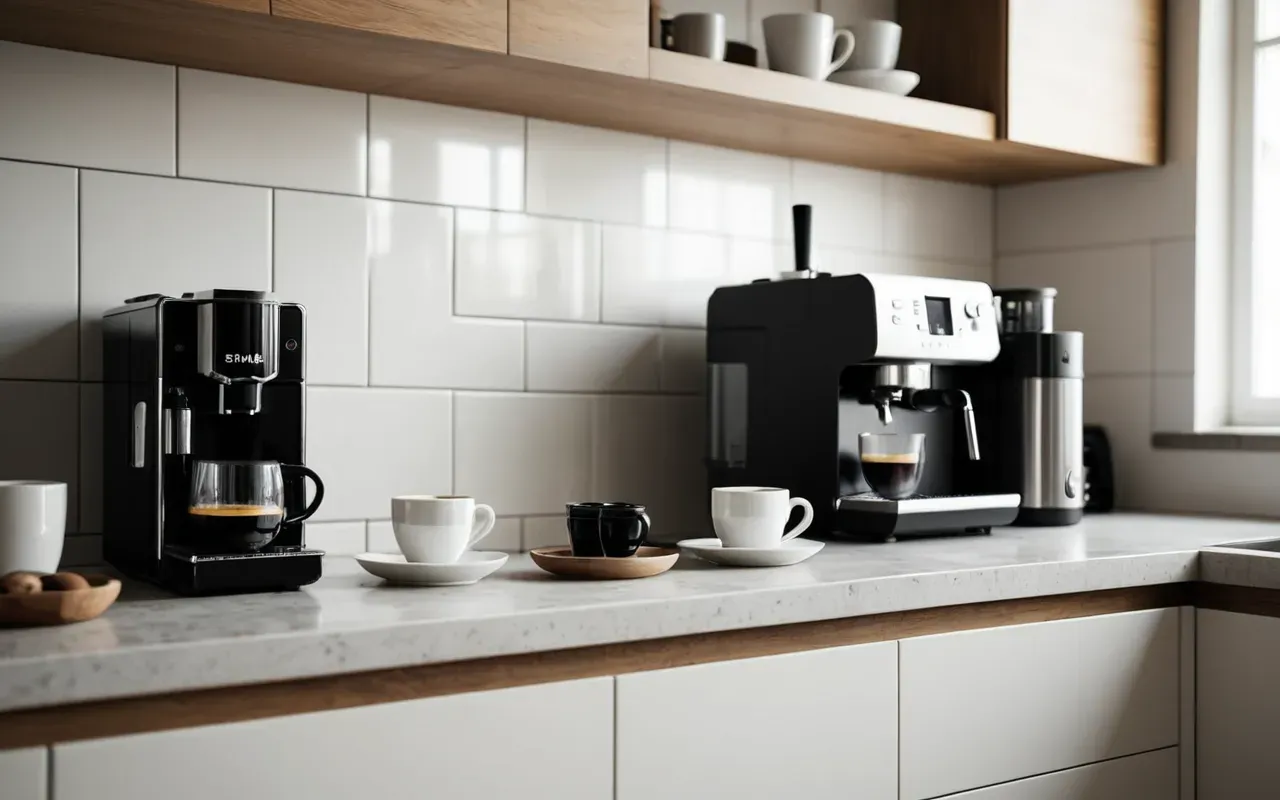
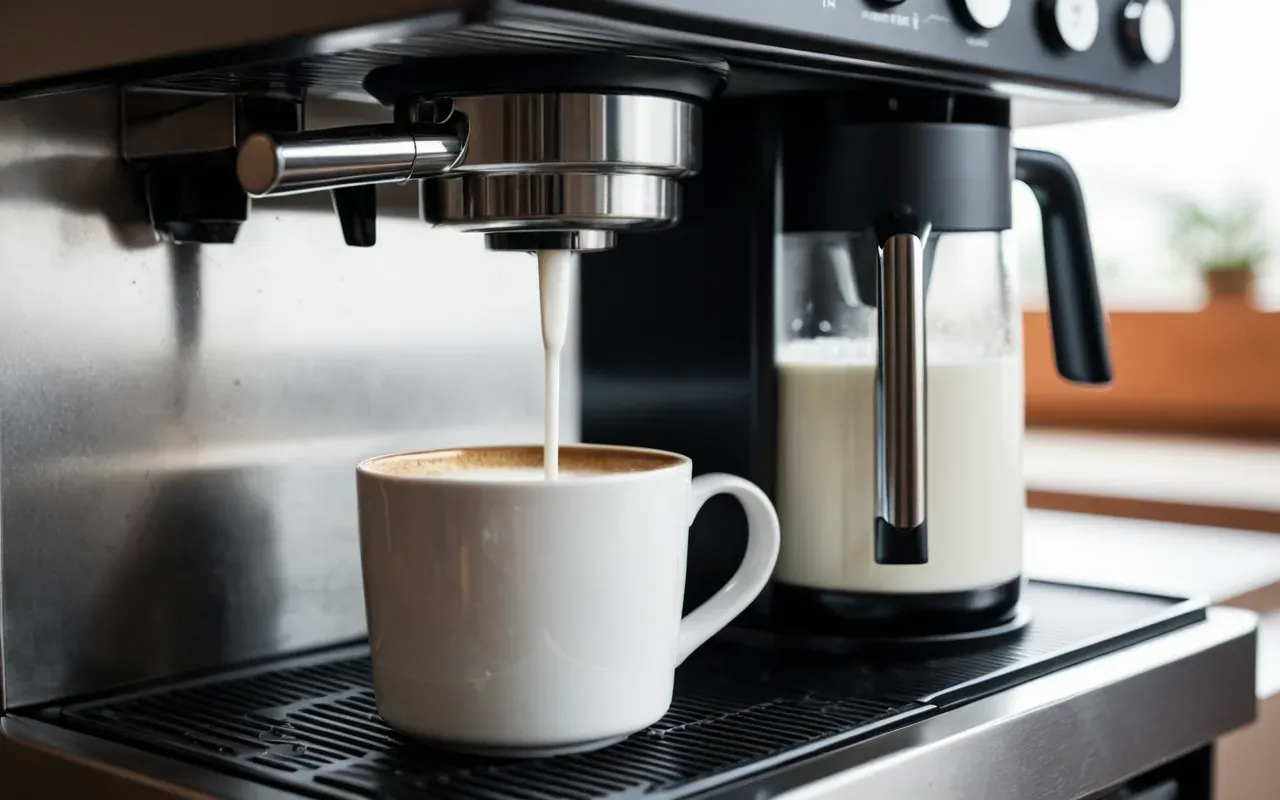
Sjöstrand launched their 'Machine 2.0' this quarter. That is not a detail. It is the core strategy.
Why? Because selling beans is a commodity. Selling machines with proprietary capsules or subscriptions creates lock-in.
This mirrors what happened in the tech world. The hardware is just the entry point to a recurring revenue stream.
For you as a consumer, this means your coffee experience is becoming more standardized and less artisanal. It's about convenience over craft.
International Expansion Is the Real Bet
61% of Sjöstrand's net revenue comes from outside Sweden. That is a massive geographic shift for such a young company.
They signed a new sales agent in France. That is not just about coffee. It's about establishing infrastructure before the demand peaks.
I think this is smarter than opening physical stores. Digital distribution has lower overhead and faster scalability.
But it also means the local coffee shop experience is being commoditized. The barista's artistry is losing ground to automated precision.
What This Means for Your Sunday Morning
If you value the ritual of brewing by hand, this trend is actually threatening that. The industry wants to sell you a button press.
I personally enjoy the unpredictability of pour-over. But I acknowledge that convenience is winning in many households.
The real question isn't whether Sjöstrand will succeed. It's whether the industry can sustain growth without destroying artisanal coffee culture.
If you're curious about how this shift affects local cafes, check out how neighborhood cafes are actually the most honest place in town.
The Hidden Cost of Convenience
When you subscribe to a coffee service, you gain consistency. But you lose discovery.
Sjöstrand's model assumes you want the same taste every day. That works for some people. It feels sterile to others.
I have friends who switched from local roasters to subscription boxes. They say it's easier but less exciting.
That tension is the real story here. Not the revenue numbers. The human cost of standardizing a deeply personal ritual.

Why Competitors Are Winning Quietly
While Sjöstrand focuses on machines, other brands are winning through community. That is a different kind of moat.
Local roasters build relationships. They know your name. They adjust the roast based on feedback.
Sjöstrand can't do that at scale. That is their weakness and potentially your opportunity.
If you're watching the industry, look for brands that balance technology with human connection. That is where the future lies.
The Bottom Line for Consumers
Sjöstrand's growth is impressive. But it comes at a cost to the diversity of coffee culture.
You have choices. You can embrace convenience or preserve craft. Both are valid.
But understand that the industry is pushing you toward one direction. And that push has real economic implications.
I recommend you pay attention to your local roasters. They are the last line of defense for artisanal coffee.
If you want to understand the broader trends affecting your morning cup, read about the quiet death of coffee as a product and the rise of experience.
What to Watch Next Quarter
Keep an eye on Sjöstrand's Q3 numbers. If costs don't drop as promised, the model breaks.
Also watch their subscription retention rates. High churn would signal that convenience isn't as sticky as they think.
And don't ignore the competition. If local roasters start offering subscription services too, the landscape changes entirely.
The coffee industry is at a crossroads. Sjöstrand's bet on machines and subscriptions might win the market but lose the soul.
Your Sunday coffee ritual is more than a habit. It's a statement about what you value in daily life.


