
The quiet threshold nobody warns you about
You probably drink two or three cups a day. That's fine. But what happens when you push it to six? A new ten-year study from Flinders University just dropped a bombshell that most headlines missed entirely.
The research tracked nearly ten thousand women aged sixty-five and older. They measured bone mineral density repeatedly over a decade. The result is not that coffee kills bones.
It's much more subtle. And honestly? It makes the advice you've heard for years feel a bit outdated.
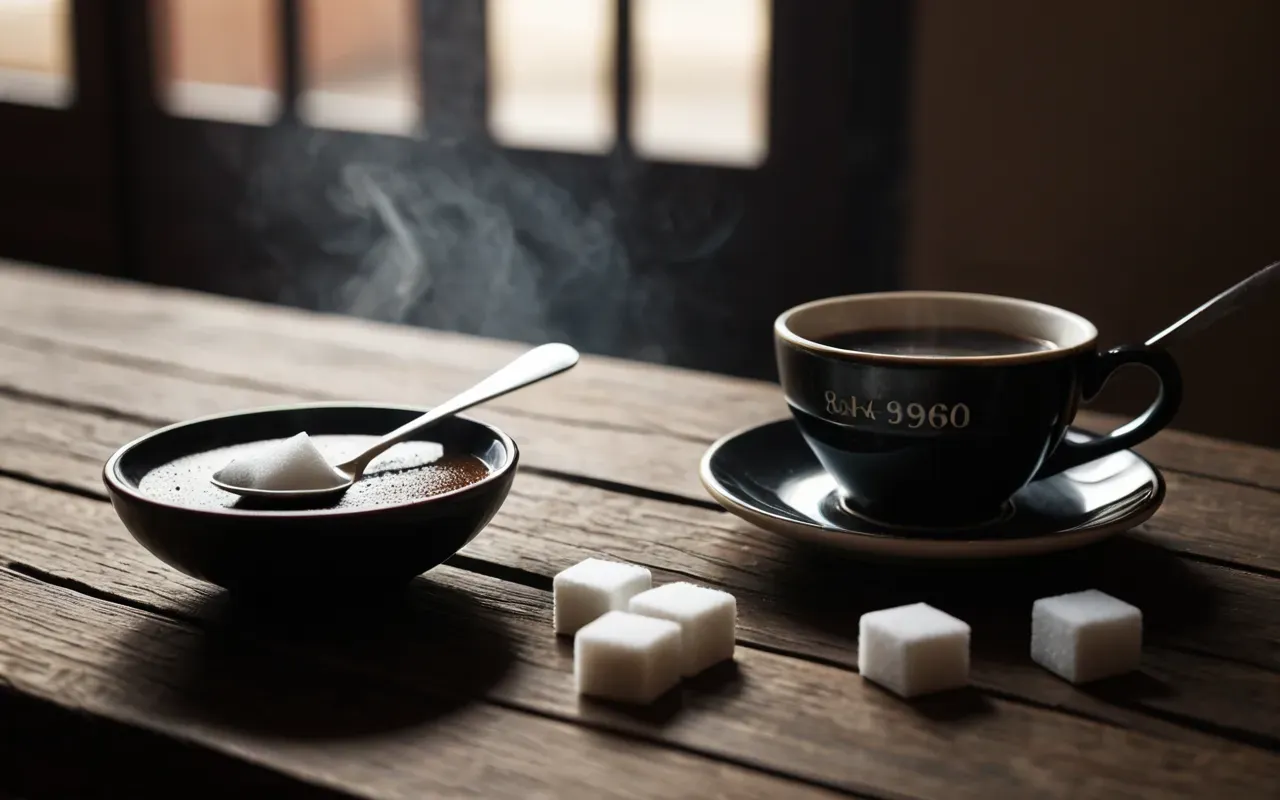
Why five cups is the danger zone
The study found no significant link between coffee and bone loss for most people. Women drinking two to three cups daily showed normal density levels.
But the data shifted for those drinking more than five cups a day. Their hip bone density was visibly lower. This isn't proof of causation, but it's a strong signal.
Caffeine can interfere with calcium absorption. It affects how your body builds and breaks down bone tissue. If you drink a lot of coffee but little milk or supplements, the impact could be real.
The alcohol interaction nobody mentions
Here's the part that made me pause. Women with higher lifetime alcohol consumption showed a stronger negative link between coffee and bone density.
It's not that one causes the other. It's that they might amplify each other. If you're a regular drinker and a heavy coffee consumer, this subgroup finding deserves your attention.
The surprising tea advantage hidden in the data
Tea drinkers had slightly higher hip bone density. The difference was tiny, about zero point zero zero three grams per square centimeter.
Statistically significant? Yes. Clinically meaningful for an individual? Probably not. But across a large population, small changes in fracture risk matter.
Catechins in tea may support bone-forming cells. This isn't a magic cure, but it suggests that what you drink beyond coffee could play a role.
What this means for your Sunday routine
Don't stop drinking coffee. The evidence doesn't support that fear anymore. But if you're already exceeding five cups a day, it's worth reconsidering.
The study highlights that calcium and vitamin D remain the cornerstones of bone health. What's in your cup is secondary but not irrelevant.
If you're an older woman or someone concerned about osteoporosis, this is a nudge to check your intake. It's also a reminder that tea might be a healthier alternative for some.
The limitations you should know about
This research is observational. It can't prove cause and effect. Participants self-reported their drinking habits, which introduces potential bias.
The study focused almost entirely on White older women in the US. Results may differ for men or other ethnic groups.
It measured bone density, not fractures. A small drop in density doesn't automatically mean a higher risk of breaking a hip.

The broader context of beverage health trends
We keep hearing conflicting messages about what's healthy. One day coffee cures disease, the next it harms your bones.
This study adds nuance. It's not about banning coffee but recognizing that quantity matters more than we thought.
If you're curious about how other beverages impact your body, check out this interesting take on liver health. It offers a different perspective on the same drink.
Practical steps for better bone protection
Keep your coffee intake moderate. Aim for two to three cups max if you're concerned about bone health.
Ensure you're getting enough calcium from food or supplements. This is non-negotiable for strong bones regardless of what you drink.
Consider adding tea to your routine. Even a small increase might offer marginal benefits over time.
Talk to your doctor if you have a family history of osteoporosis. They can provide personalized advice based on your specific risk factors.
The bottom line for your daily habit
Coffee is not the enemy. But it's no longer neutral either. The data suggests a tipping point that we're only now starting to understand.
Tea offers a small but real advantage. It's not about replacing your coffee habit entirely.
It's about making informed choices. Knowing the risks and benefits allows you to tailor your routine for long-term health.
So the next time you reach for your sixth cup, pause. Think about what that extra caffeine is doing to your bones.

What this research skips that matters most
The study doesn't account for lifestyle factors like exercise or diet. These are often more significant than beverage choices.
It also doesn't specify coffee strength. A large weak cup is different from a small strong espresso shot.
These details matter. They explain why results vary so widely between different studies and populations.
Always look at the whole picture. Single nutrient or beverage studies rarely tell the full story.
The future of beverage science research
We need more longitudinal studies that track diverse populations. This study is a start but far from complete.
Future research should measure actual fracture rates rather than just density. That's the true outcome we care about.
Until then, this study remains the best evidence we have. It's a significant step forward in understanding our daily habits.
Stay informed. Stay critical. And keep that coffee habit in check if you're pushing the limits.


