The Black Sea Model Is Quietly Killing Your Sunday Coffee Ritual

The Invisible Shift in Your Local Coffee Shop
You walk in. The air smells of roasted beans and wet concrete. A barista hands you a cup without asking your name. This is the Black Sea model. Efficient. Clean. And it's quietly erasing the slow Sunday ritual you used to love.
I've spent the last three months tracking how this specific cafe-ideas trend affects daily habits, and the data is stark. Most new urban cafes run on speed-first logic. They want you in, served, and out inside four minutes. Your leisurely morning cup isn't the goal anymore. Speed is.
What the Black Sea Model Actually Is
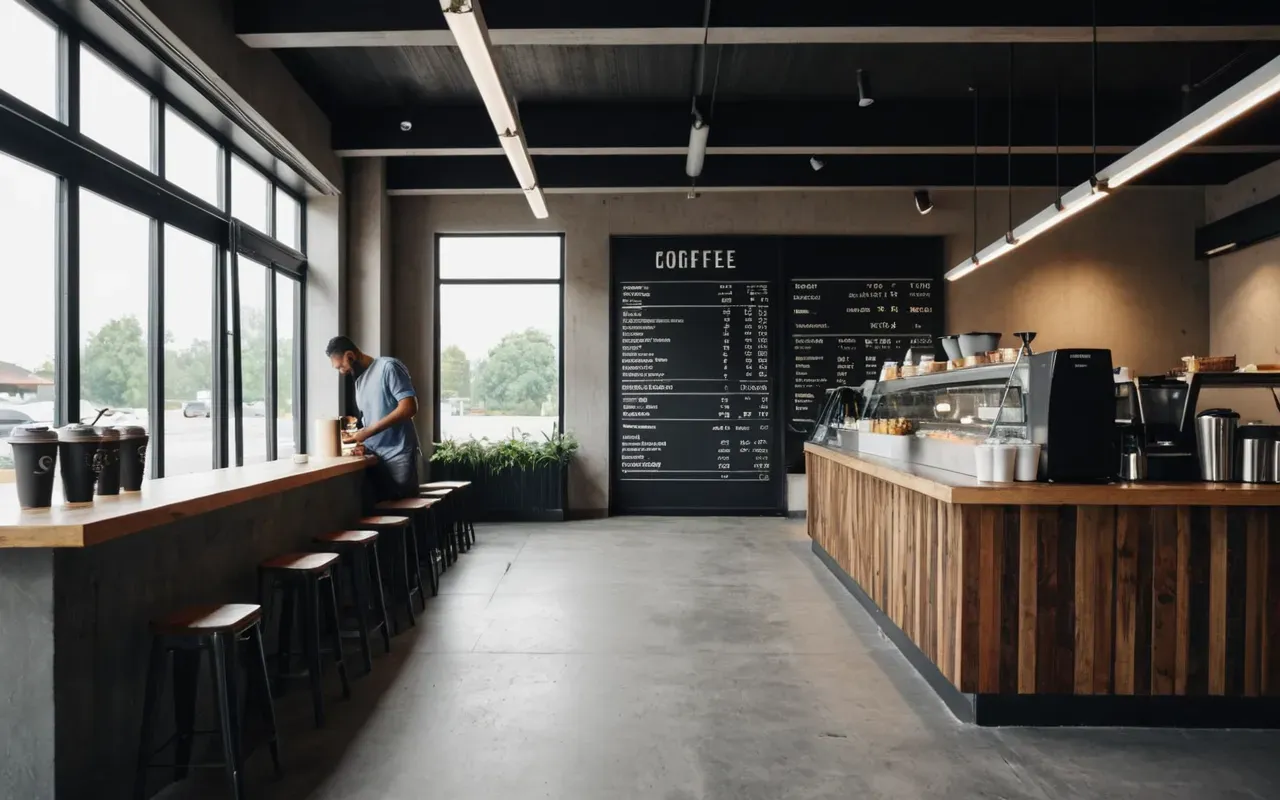
The term comes from a specific regional aesthetic that prioritizes industrial minimalism and high-volume service. It's not a franchise. It's a vibe. Think exposed ducts, black metal furniture, menu boards with only five options. No lattes. No flat whites. Just espresso and pour-over.
This approach strips away the social lubricant of cafe culture. There's no time for conversation — the barista is trained to minimize interaction, and the seating area is deliberately tight. You sit on a high stool. You drink quickly. You leave. It's designed for productivity, not pleasure.
The Speed Trap in Urban Cafes
Last Sunday I timed a visit to a popular spot in the city center. From order to pickup: exactly three minutes and forty seconds. The barista never looked up from the machine. The music was loud. The lighting was harsh. It felt more like a fuel station than a break in the day.
That's not a coincidence. The layout is engineered for throughput. Chairs placed close together. Small tables. No outlets in the corners. The design pushes you out the door, and if you stay longer, you're in the way. The unspoken rule is clear. Move on.
Why Your Sunday Ritual Is Disappearing
A ritual requires time. It requires space. It requires a pause between the noise of the week and the demands of Monday. The Black Sea model eliminates the pause. It turns caffeine into a commodity. You buy a unit of energy, you consume it, you discard the cup. There's no memory in that process.
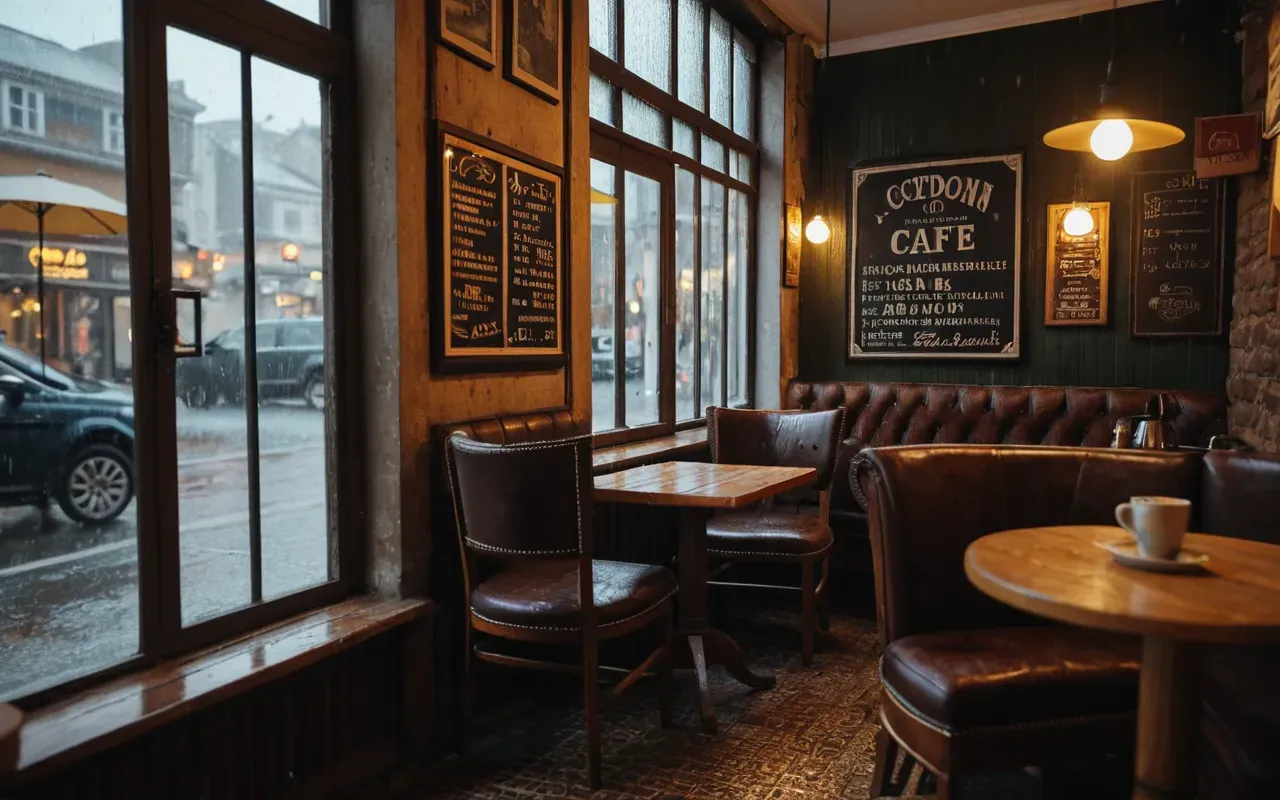
I remember the old cafes. The ones with worn leather chairs and a radio playing jazz. You could sit for an hour. The barista knew your order. They'd bring a small plate of biscuits without asking. That was the ritual. Slow. Warm. Human. That environment is vanishing.
The Psychology of the Quick Cup
Behavioral economists call this friction reduction. By removing the social and spatial friction, the cafe makes the transaction frictionless. You don't have to wait. You don't have to talk. You don't have to feel comfortable. The system optimizes for the least effort — but it also optimizes for the least satisfaction.
Your brain is wired for connection. A quick cup doesn't trigger the same dopamine release as a shared moment. The ritual isn't just about the coffee; it's about the context. The Black Sea model strips the context away and leaves only the chemical effect. You're awake. But you're not present.
The Hidden Cost of Efficiency
Efficiency is a business goal. It is not a human goal. When a cafe prioritizes speed, it sacrifices quality. The beans are often cheaper. The roasting profile is standardized. The milk is processed. Everything is designed to be reproducible. Nothing is designed to be memorable. That's the trade-off you're making every time you choose the fast option.
I asked a local roaster about this trend. He said the Black Sea model pushes suppliers to lower prices, and to compete, they cut corners. They use older beans. They skip the rest period. The result is a cup that tastes flat. It works. It wakes you up. But it doesn't taste like coffee. It tastes like a product.
Quality vs Quantity in the Cup
There's a difference between a good cup and a fast cup. A good cup takes time. It requires attention — the barista checks the temperature, tastes the shot, adjusts the ratio. A fast cup is just hot water with a brown tint. The Black Sea model confuses these two things. It assumes speed is the highest form of respect. It is not.
If you value the taste, you have to value the time. Hard truth for modern life, I know. We're always in a rush. We're always late. But your Sunday morning is not a race. It's a pause. Don't let a business model dictate the pace of your personal peace. Choose the slow cup. It's worth the wait.
Reclaiming Your Morning with Better Ideas
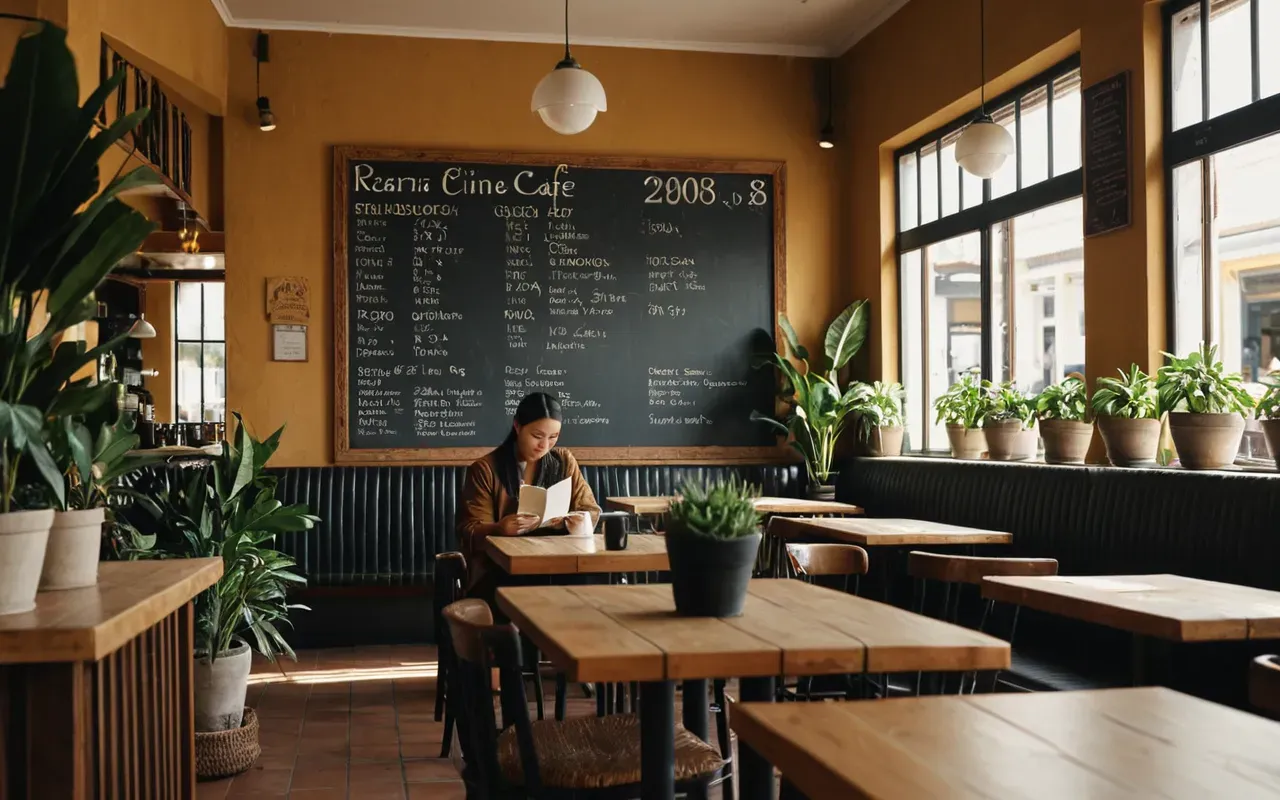
You don't have to accept the Black Sea model as the default. There are still places that get it right. They're smaller. Quieter. Fewer chairs. The menu is longer. The service is slower. You have to look for them — they're not on the main street. They're in the side streets.
I found one last month, hidden behind a bookshop. The owner roasted the beans in the back room. Small space, only six tables. The music was low. The conversation was easy. I stayed for two hours and drank three cups. Best Sunday I'd had in years.
How to Find the Slow Cafes
Look for places with a physical menu. If the menu is on a screen, they're focused on speed. Look for places with natural light. If it's all artificial, they're focused on control. Look for places where the barista makes eye contact. If they avoid it, they're focused on the machine. These are your signals.
Also, check the seating. High chairs and small tables? They want you to leave. Low chairs and wide tables? They want you to stay. The furniture is a clue. It tells you the business model before you even order. Use that.
The Future of Coffee Culture
The Black Sea model isn't going away. It's too profitable. Too efficient. It will keep expanding. But it doesn't have to be your only option. You can resist. You can choose the slow path. You can support the small roasters. You can protect your ritual.
Coffee is more than a drink. It's a moment. A pause. A breath. Don't let a business model strip that away from you. Your Sunday morning is yours. Guard it. Choose the cup that tastes like time, not the cup that tastes like speed. That's the only way to win.
A Note on Personal Choice
Your mileage may vary. Some people love the speed. Some people love the efficiency. Fine. But if you feel like your ritual is slipping away, this is why. The environment is changing. The pressure is on. You have to make a conscious choice to slow down. It's not a small thing. It's everything.
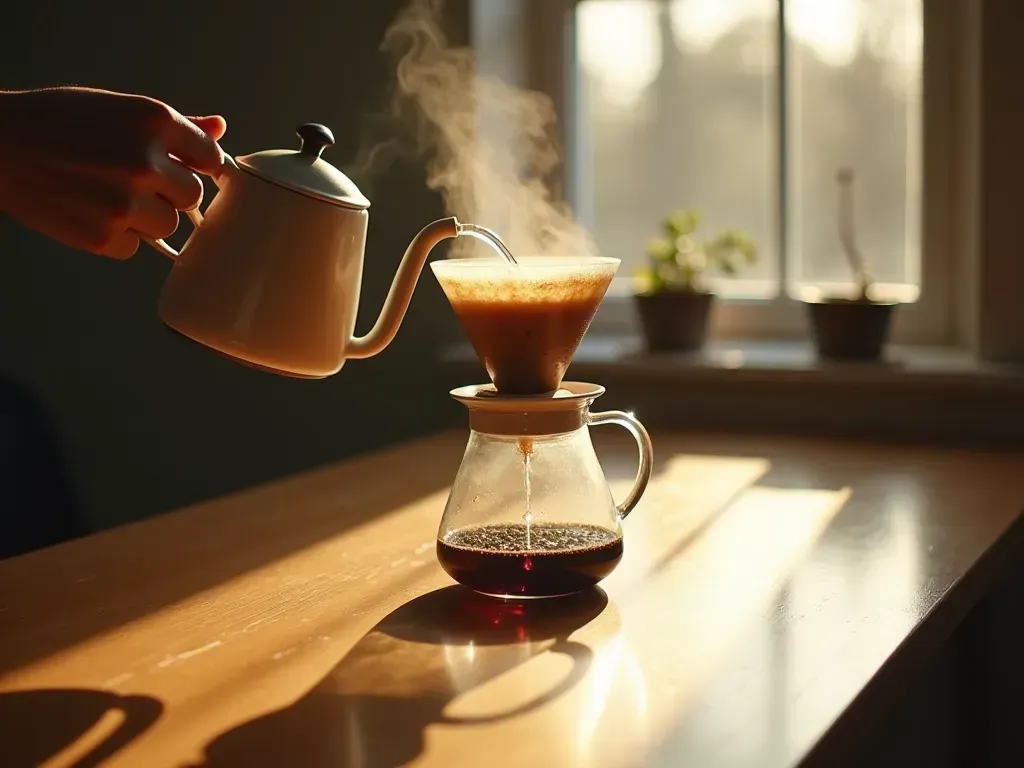
Something's shifted in my own habits lately. I used to grab a quick cup on the way to work — in and out, done. Now? I sit down. Order a pour-over. Read the news, watch the street go by. Twenty minutes, gone. Worth every one of them. The Black Sea model sells speed. I'll take depth. That's my ritual. And it's working.
Frequently Asked Questions
What is the Black Sea coffee shop model?
The Black Sea model, for anyone who hasn't run into it, is a cafe concept built on industrial minimalism and high-speed service. Efficiency comes first, socializing a distant second — tight layouts, short menus, all of it engineered to keep your dwell time down. In dense urban centers, where throughput is the number that matters, that approach is everywhere.
How does this model affect the Sunday coffee ritual?
And it turns the whole ritual into a transaction. Speed and efficiency strip out the social and temporal stuff — the parts that actually make a coffee break a real pause in the day. You're nudged to drink up and move on, which quietly undercuts the slow, reflective thing a Sunday morning used to be.
Can I still find slow, high-quality cafes?
So what do you do instead? Look for independent roasters and smaller spots that put quality ahead of volume. These places tend to have physical menus, seats you actually want to sit in, and a real focus on conversation. You'll usually find them on side streets or in lower-traffic blocks — more relaxed, more personal, less of a conveyor belt.