
The Myth of the Perfect Sunday Cup
We've all been there. Alarm's off, but the brain won't quit — that weird cocktail of anticipation and low-grade dread about the day ahead. So you reach for that one mug. The one you keep for exactly this.
Then the grind starts. Literally. You measure beans like a lab tech, because somewhere you read that ratio matters more than anything else in your life right now.
Here's the thing. That ritual feels sacred — until it stops feeling like a reward and starts feeling like a shift.
In the Netherlands we pride ourselves on efficiency. We do things well, and we do them right.
But apply that same rigid logic to your morning coffee and you get a cup that's technically correct and emotionally dead.
I've spent the last few months poking at this exact idea. I stopped chasing perfect. I started trying to just be present.
The results surprised me. The coffee actually got better once I loosened the rules.
Why Rigidity Kills Flavor Perception
There's a neurological reason your best cup might not be the one you brewed most carefully.
When your brain is in high-monitor mode, scanning for errors, it suppresses the sensory pleasure centers.
You're not tasting caramel and blueberry. You're doing math on whether the water hit exactly ninety-three degrees.
Classic over-optimization. You engineered the perfect input, then wrecked the output — because you're too tense to enjoy it.
I caught this in my own habits. The days I followed a strict protocol? Those were the days I complained about the taste afterward.
The days I winged it, grabbing whatever beans were open in the cupboard. Those mornings felt genuinely good.
So why do we equate control with quality? Cultural hangup, mostly. We value precision in engineering and finance.
But coffee isn't a bridge. It doesn't need to be structurally sound to be enjoyable.
The Paradox of Choice in Bean Selection
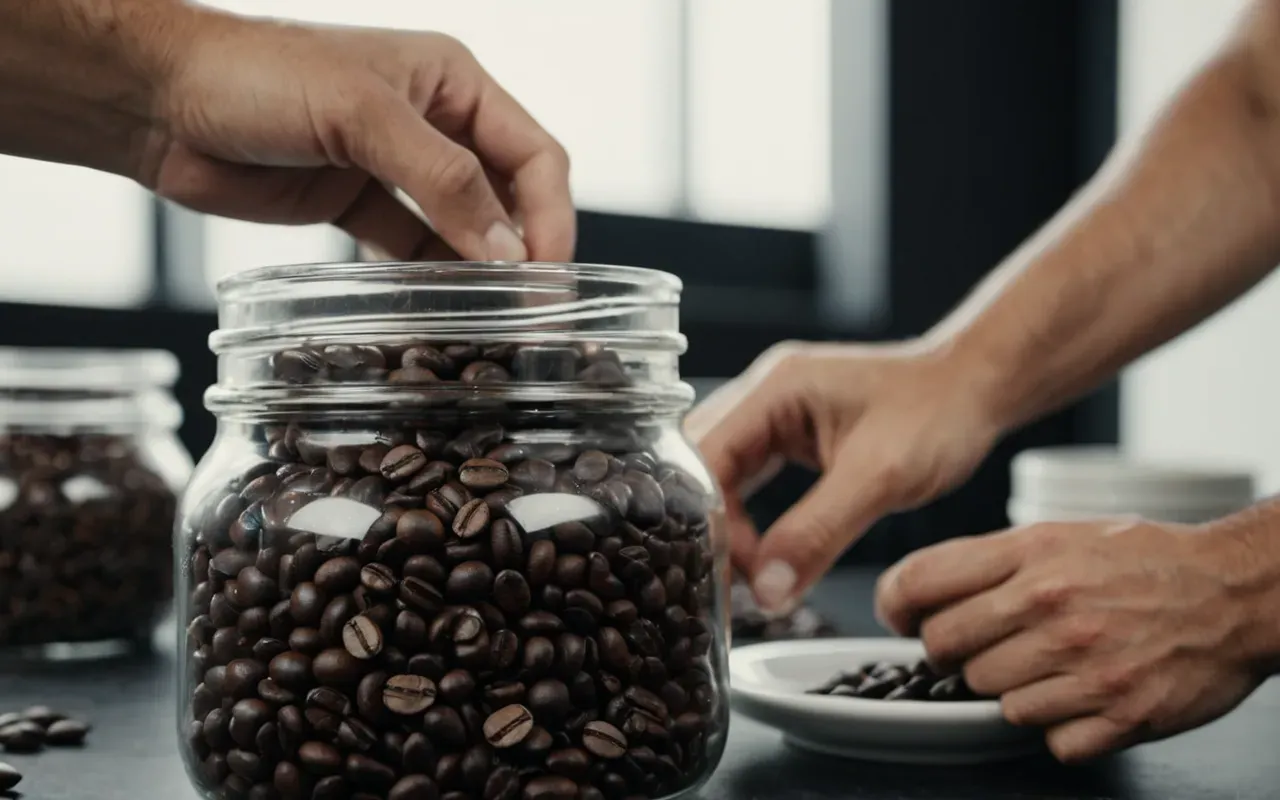
Walk into any specialty shop and you'll count at least twelve types of green or roasted beans on the shelf.
Each one promises a different story. Ethiopia for florals. Colombia for balance. Brazil for chocolate.
That abundance is a trap, honestly. It forces a decision before you've even tasted anything.
Most of us don't know what we want until three sips in.
So skip the origin-and-roast-level calculus. Choose by mood instead.
Feeling calm? Go light roast, high acidity. Stressed? A darker roast tends to feel more grounding.
Brewing Methods That Actually Matter on Sundays
Let's talk tools. You don't need a five hundred euro machine to make great coffee.
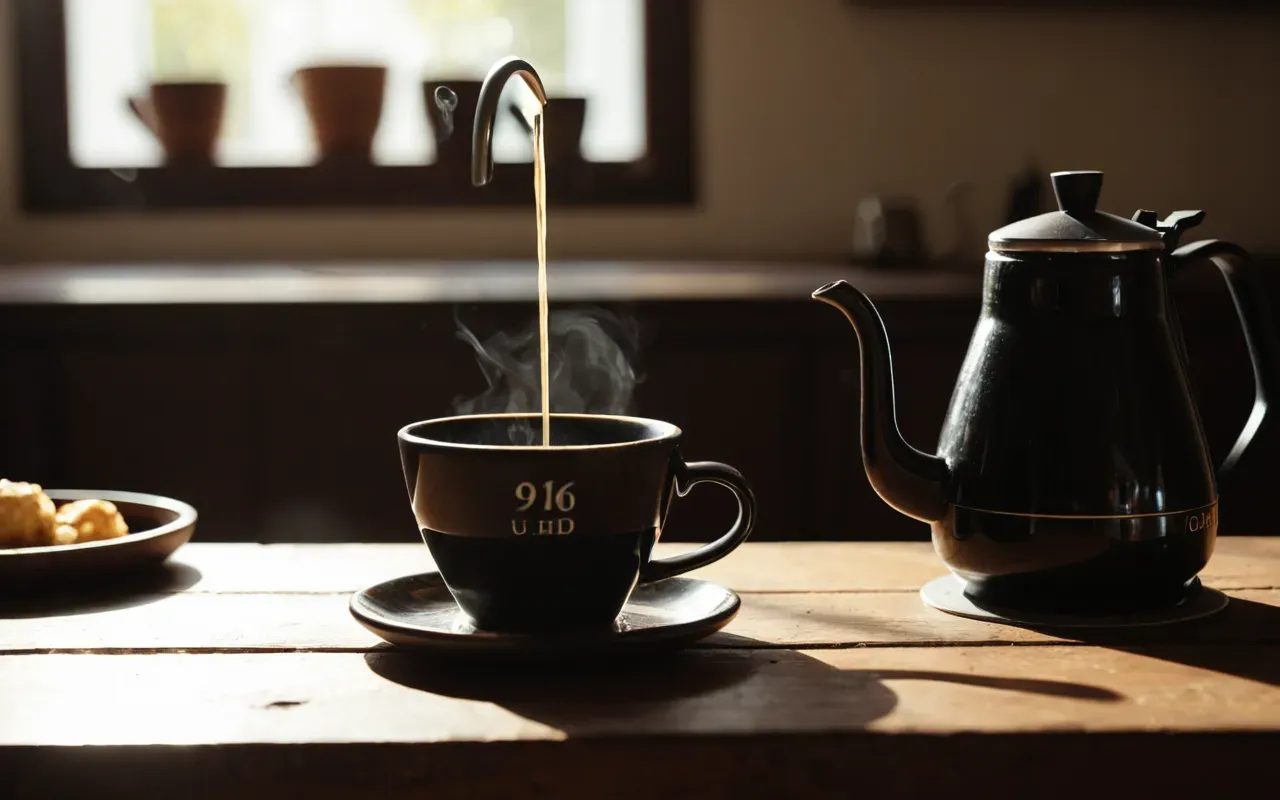
Truth is, expensive gear adds variables that can go wrong. A simple pour over is harder to mess up.
The French Press Misunderstanding
Lots of people think the French press makes muddy coffee because it's unfiltered.
Half true. The oils stay in the cup, which gives it a heavier body.
But use coarse grounds and don't steep past four minutes, and the result is actually quite clean.
The goal isn't stripping out all the oil. It's preventing over-extraction of bitter compounds.
Pour Over Precision Without the Stress
This method gets tied to baristas in aprons who look very serious.
At home, though, you can pull it off in ninety seconds without a scale — if you're willing to be approximate.
One scoop of beans per cup. Pour water in a slow circle and wait.
The beauty of pour over is that it spotlights acidity. Like bright flavors? This is your best friend.
Finding Your Local Coffee Anchor
Sometimes the best way to enjoy a Sunday isn't at home. It's somewhere that feels like an extension of your living room.
In the Netherlands we have a rich tradition of community spaces. Coffee shops included.
But not all coffee spots are created equal. Some are built for speed and turnover.
Others are built for lingering. Look for comfortable seating and no pressure to order round two.
If you're curious how urban planning shapes these spaces, there's a fascinating case study on why a coffee shop in Rotterdam just broke the local real estate code.
It shows the physical layout of a cafe can dictate how long you stay — and how much you enjoy the cup.
The Social Benefit of Shared Cups
Coffee is a social lubricant. It lowers the barrier to conversation.
Share a pot with a friend or partner and the whole dynamic shifts — from solo consumption to shared experience.
You'd be surprised how much that changes your read on the quality.
A good cup turns great when you're talking to someone who cares about what they say.

The Trend Toward Experience Over Product
We're drifting away from coffee as commodity. It's becoming an event.
Which means the bean matters less than the context you drink it in.
If you're curious about this broader shift, check out the quiet death of coffee as a product and the rise of experience.
It explains why people happily pay more for a cup served in a beautiful space with good music playing.
The coffee itself might cost the same as a supermarket bag. The value proposition isn't.
You're not buying caffeine. You're buying a pause in your day.
Practical Tips for a Better Sunday Routine
So how do you apply all this without turning your morning into a chore?
Start by dropping the pressure to be perfect. Accept that some cups will beat others.
Focus on the sensory stuff. Smell the beans before grinding. Listen to the water pour.
Try a different brewer each week. Rotate between your press and your pour over.
That keeps the process fresh. You stop autopiloting and start paying attention.
Last thing: invite someone to share the ritual. Even ten minutes counts.
The connection you make will probably matter more than the flavor notes on the bag.
The Role of Environment in Taste
Your surroundings shape how you perceive flavor. Well-documented phenomenon in sensory science.
A cup tastes different in a quiet room versus a busy cafe.
In the quiet room you notice bitterness more. In the busy one you might miss subtle sweetness.
Pick your environment based on which flavor profile you want to highlight.
The Future of Coffee Culture in the Netherlands
Where's this all heading? I think we're moving toward a more holistic approach to daily habits.
Coffee won't disappear, but its role might shift — from fuel to ritual.
Expect more emphasis on sustainability and local sourcing. But also more emphasis on mental well-being.
The best coffee shops will be the ones that get this dual need. Great beans, and a space to breathe.
If you're looking for inspiration on how local businesses can adapt, check out why your neighborhood cafe is actually the most honest place in town.
So the argument here is that loyalty in this industry comes down to two things: transparency and genuine community connection.
Frequently Asked Questions
Why does my Sunday coffee taste flat despite using premium beans?
Nine times out of ten, that's stale grounds or water that's too hot. Good beans fade fast — keep them in an airtight container, out of the light, and you'll notice the difference within a week.
How long should I steep my coffee in a French press?
Four minutes is the sweet spot. Go longer and you're pulling out bitter compounds that wreck the cup, even with excellent beans.
Can I use tap water for pour over brewing?
Yes, but check your water first. Heavily chlorinated water — or the opposite, water that's too soft — changes how everything extracts, and you'll taste it.
What is the best way to store coffee beans for freshness?
Opaque container, airtight, room temperature. That's it. Skip the fridge: humidity and stray odors will ruin the flavor faster than you'd think.
Final Thoughts on Embracing Imperfection
Next time you sit down with your Sunday cup, remember this — perfection is the enemy of enjoyment.
Relax. Breathe in the aroma. Taste it without judging.
You may realize your coffee has been delicious all along. You just weren't paying attention.
Here's the thing. The best cup isn't about what goes into it. It's about how you feel while you're drinking it.


