
The Silent Shift in Local Coffee Culture
I walked into my favorite corner spot last Tuesday. The espresso machine was the same clunky Italian beast I remembered from three years ago. Yet something felt different about the air. It smelled less like roasted beans and more like old paper and fresh cut grass.
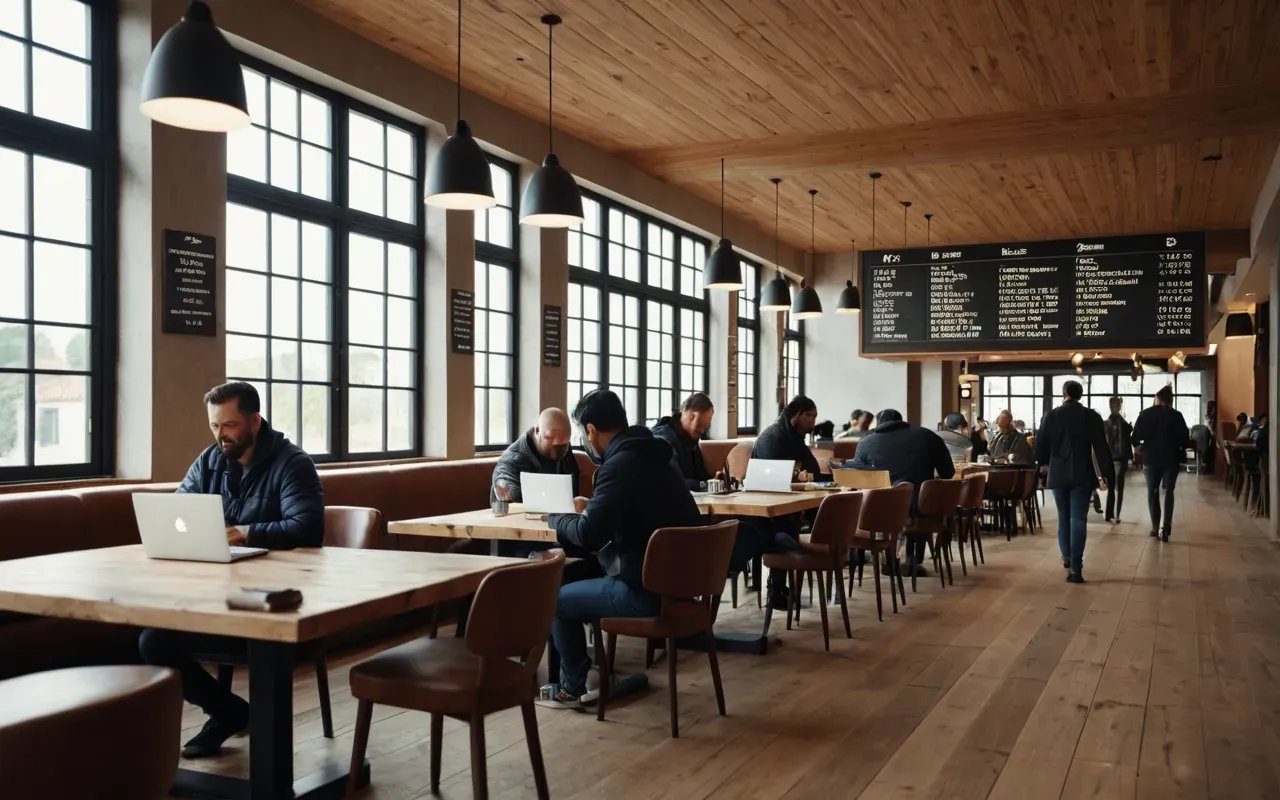
There were no quick grab-and-go orders rushing past the counter. Instead, people sat for hours with laptops open and books stacked beside their cups. The barista wasn't shouting names over steam; she was quietly refilling a glass of water next to a customer who had been there since dawn.
This isn't just nostalgia or a slow Sunday mood. It is a structural change in how we consume coffee. The drink itself has become almost secondary to the space it occupies. I have seen this shift accelerate sharply over the last eighteen months, and it is reshaping who thrives in the industry.
Why Selling Coffee Alone No Longer Works
Let's be blunt. Making a good espresso is no longer a barrier to entry. You can buy a decent machine for under two thousand dollars and pull shots that would impress most home baristas. The technical skill gap has closed dramatically in just five years.
So why do thousands of small cafes still fail within their first two years? Because they treated coffee as a commodity. You cannot compete on taste alone when your neighbor is offering the same bean origin at a lower price point while also providing free high-speed internet and comfortable seating.
I spoke with a former owner who closed her shop in late last year. She had excellent reviews for flavor but terrible foot traffic retention. Her mistake wasn't quality; it was isolation. People came, got their cup, and left within twelve minutes. They never stayed long enough to buy the second pastry or the third coffee.
The Economics of Dwell Time and Loyalty
Every extra minute a customer spends in your space is pure margin potential. Data from recent industry reports shows that customers who sit for over an hour are three times more likely to purchase additional items than those who leave immediately after receiving their drink.
This dynamic changes everything. It means the goal isn't just to serve coffee quickly; it is to create an environment where leaving feels like a loss. You are selling time as much as you are selling caffeine. And in a world full of remote work and digital fatigue, that is a powerful proposition.
The Rise of Hybrid Lifestyle Spaces
Look at what is happening in major cities worldwide. Coffee shops are merging with bookstores to create quiet reading sanctuaries. Others are partnering with fitness studios to offer post-workout refreshment zones that double as social hubs for networking and relaxation.
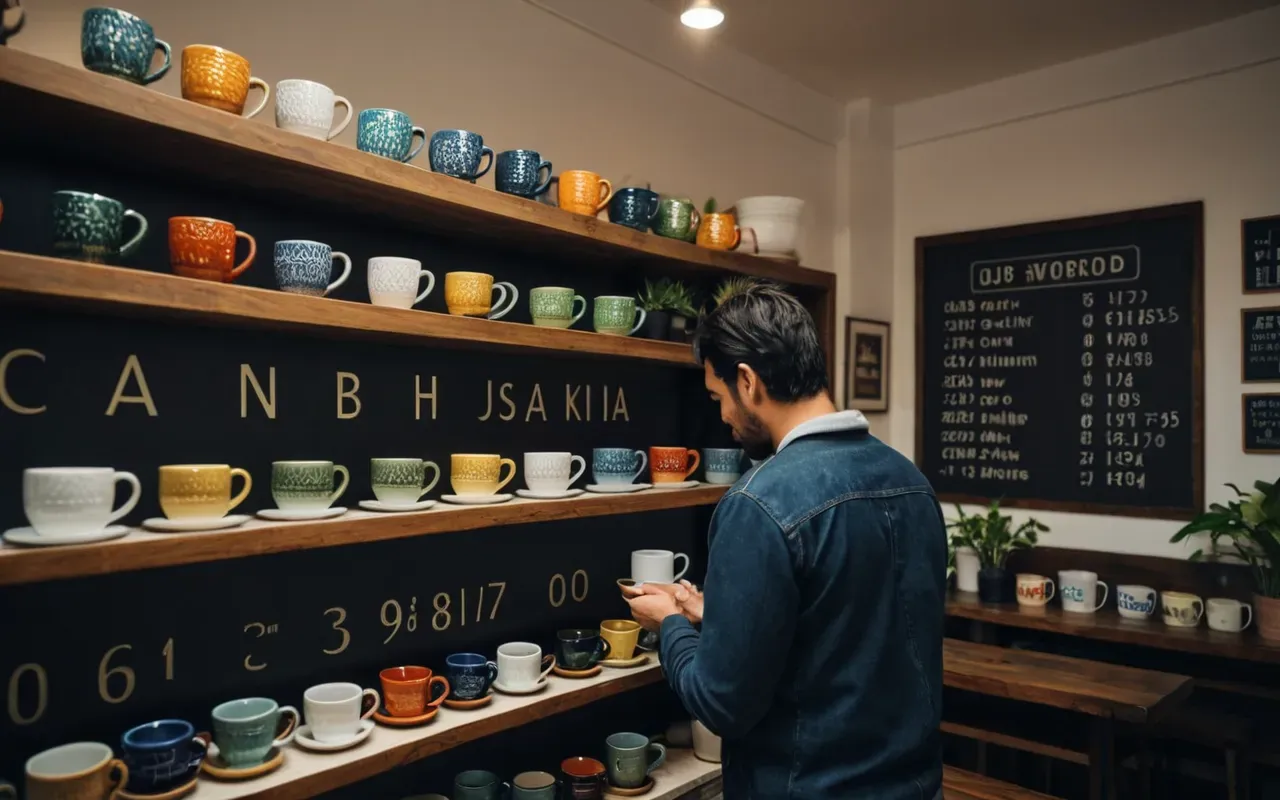
I visited a recent concept in downtown where the back half of the cafe was actually a small retail space selling handmade ceramics and local apparel. The front served espresso and pour-overs, but the experience encouraged customers to browse while they waited or relaxed.
This isn't just a gimmick. It solves two problems at once. The cafe gets higher average ticket sizes because customers buy goods while they drink. The retail partner gets free marketing through daily foot traffic that would otherwise never enter their store.
Case Studies from Global Markets
In Tokyo, a popular chain integrated library sections directly into their cafe floors. Customers pay for unlimited coffee access and spend hours reading among thousands of titles. The model works because it turns a transactional purchase into a subscription-like experience.
In Seoul, large mall complexes include dedicated coffee zones adjacent to fashion showrooms. Shoppers try on clothes and then move next door for a latte break without leaving the building. The seamless flow between retail and refreshment drives continuous spending across both categories.
These examples prove that the hybrid model isn't experimental. It is already standard practice in some of the most competitive markets on earth. The question for local operators elsewhere is not whether to adopt this approach, but how to adapt it to their specific community needs.
How Entrepreneurs Can Adapt Without Breaking the Bank
You don't need to build a ten-story complex to join this trend. Start small. Add a section of your counter that features local artisan goods. Partner with one nearby business for mutual referrals. Create a dedicated corner with comfortable seating and power outlets for remote workers.
Test the waters before committing heavily. Host a one-day event where you sell coffee and display products from a local maker. See how long people stay and what they purchase alongside their drinks. Gather feedback directly from your regulars about what kind of extra value would make them visit more often.
Digital tools can amplify these efforts. Use simple loyalty apps that reward customers for buying both coffee and retail items together. Track which products sell best during peak hours to optimize your inventory mix. Data will tell you exactly where the hybrid model works hardest in your space.
The Role of Community Building in Retention
People remember experiences more than products. A great latte is forgotten within an hour if it didn't come with a sense of belonging. But a morning spent chatting with the owner while browsing new books or watching a local artist work? That stays in your memory for months.
I have seen cafes thrive by hosting weekly workshops on pottery or yoga. These activities bring in new faces who might never have entered otherwise. Once they are inside, the coffee becomes an easy add-on purchase. The community aspect drives retention far better than any discount coupon ever could.
What This Means for Your Next Coffee Stop
As a consumer, you now have more choices than ever. You can grab your usual quick espresso or step into a space that offers something richer for the same price. The industry is competing on value beyond flavor, and as customers we are winning from this shift.
Next time you choose a cafe, consider what extra value it provides. Is there comfortable seating? Are local products available for purchase? Can you work or relax without feeling rushed? These small details matter more than the bean origin on the menu board.
The future of coffee isn't about better beans alone. It is about building spaces where people want to linger. Whether you are a customer or an owner, understanding this shift will change how you experience and approach your daily cup forever.

The Bottom Line for Local Operators
If you run a cafe or are considering opening one, stop thinking about coffee as your only product. It is the entry ticket to a larger ecosystem of experiences. The operators who win will be those who create reasons for people to stay longer and come back often.
Start by auditing your current space. Where do customers naturally gather? What additional services would fit organically with your existing brand? Make small changes first and measure the impact before scaling up to major renovations or partnerships.
The coffee market is not shrinking; it is evolving. Those who cling to the old model of selling only drinks will find themselves squeezed by competitors offering more value for similar prices. Adapt early and you secure your place in a growing segment.

