
The Myth of the Bad Bean
You bought the fancy beans. Paid extra for that single-origin bag from a roaster you actually respect. And yet, when you take that first sip on Sunday morning, it tastes like burnt cardboard with a hint of regret.
I've been there. We all have. The instinct is to blame the supplier immediately. You assume the batch was old or the roaster cut corners somewhere in the process.
But here's the thing nobody talks about enough. The bean rarely has a problem if you're using it correctly within seven days of opening.
The issue is almost always you. Or rather, it's your water temperature and grind size working against each other in a silent battle for control.
We treat coffee like water. We dump grounds in a basket and push a button. It's fast. But speed is the enemy of flavor when it comes to extracting those delicate aromatic compounds.
What Is Actually Happening in Your Cup
Coffee beans are pits from a fruit. That sounds weird until you realize we're drinking seeds that were fermented and dried for weeks.
When roasted between 350°F and 450°F, chemical reactions unlock thousands of flavors. If you over-extract them with hot water for too long, those sweet notes turn bitter.
Under-extraction is just as bad. It leaves the cup sour and thin because the water didn't have time or pressure to pull out the good stuff.
This is why your $500 machine might be silently ruining your mornings. It's forcing water through grounds that are too coarse or too fine for the specific pressure setting.
If you've been struggling with this lately, it might be time to check out how forgotten bean varieties can fix flat taste without changing your gear.
Arabica Versus Robusta The Flavour Divide
Most specialty shops sell Arabica. It's sweet, fruity, and delicate. But it is also fragile. Treat it wrong and you lose that sweetness instantly.
Robusta is the tank. It's bold, bitter, and packed with caffeine. For a long time, we dismissed it as cheap filler for instant coffee.
But roasters are starting to use high-quality Robusta for its body and crema. It's a game changer if you like your coffee strong without the floral nuance.
I switched to a blend last month. The difference was shocking. It held up better with milk and didn't taste as thin when I added sugar.
Roast Levels Are Not a Quality Scale
Light roasts are often called 'cinnamon' or 'blond'. They taste like fruit tea. If you add milk to a light roast, you're masking the very thing paying for.
Medium roasts are the safe middle ground. They have body and sweetness but don't scream for attention in a crowded room.
Dark roasts are bold and chocolatey. They hide defects well. That's why they were the industry standard for decades in commercial shops.
There is no 'best' roast. There is only the best roast for your palate and your brewing method.
Brewing Methods That Change the Game Completely
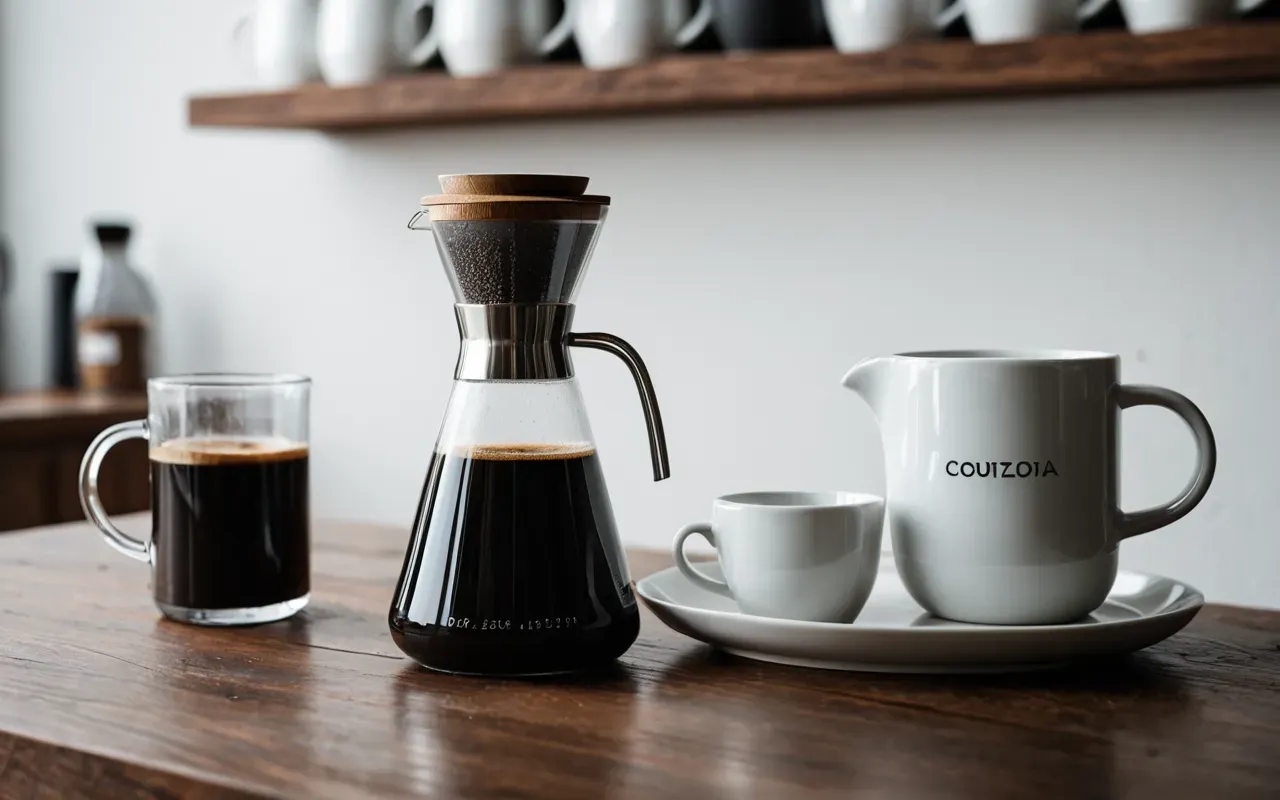
Pour-over is manual. You control the water speed and temperature. It takes three minutes but yields a clean cup that highlights floral notes.
French press is steeping. It's full-bodied and oily because no paper filter catches the oils. Some people hate it. I love it.
Espresso is pressure. It forces water through fine grounds to create a shot with crema. It's the base for lattes and cappuccinos.
Cold brew is time. Twelve to twenty-four hours in cold water. The result is low acid and high caffeine with a smooth texture.
If you are interested in how the ritual itself changes your mood, read about the power of coffee rituals to boost focus.
The Coffee Drinks You Are Probably Ordering Wrong
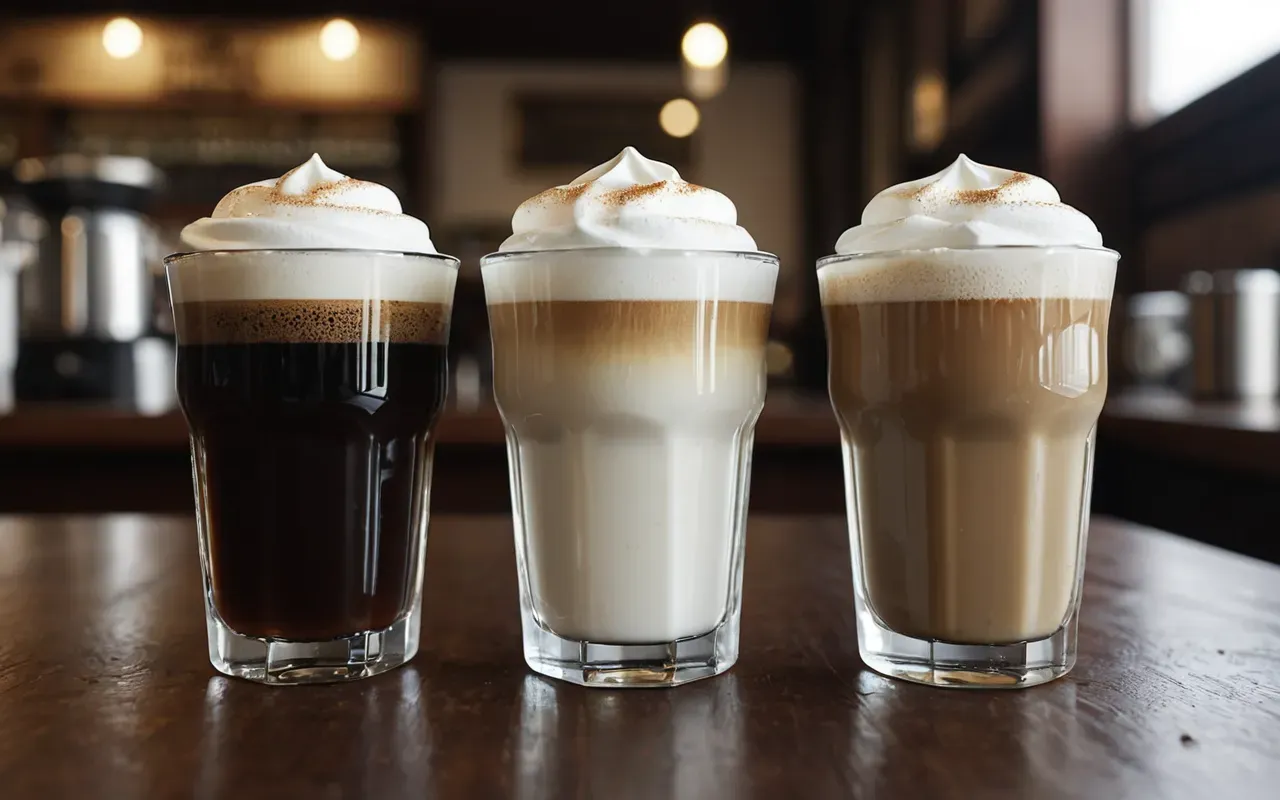
A latte is eight to ten ounces of steamed milk with one shot. If it tastes like hot chocolate, the barista over-dosed the syrup.
A cappuccino is equal parts espresso, steamed milk, and foam. It's dry and intense. Not a sweet dessert drink.
A cortado is just espresso cut with milk in a one-to-one ratio. It's small, strong, and perfect for a quick break.
Know what you're asking for. You can't blame the shop if you order a flat white but expect it to taste like an americano.
Why Your Sunday Ritual Might Be Failing You
We rush through the weekend. We drink our coffee while scrolling phones. It becomes a chore instead of a pause.
Try putting the phone away for ten minutes. Just sit with the cup. Notice the aroma before you drink.
It sounds simple. But it changes how your brain processes the caffeine and sugar hit.
If you feel like your routine is stuck in a loop, check out how to fix a stagnant coffee ritual today.
The Real Secret Is Consistency
Use a scale. Weigh your water and your coffee. Guessing leads to inconsistent results that confuse your palate.
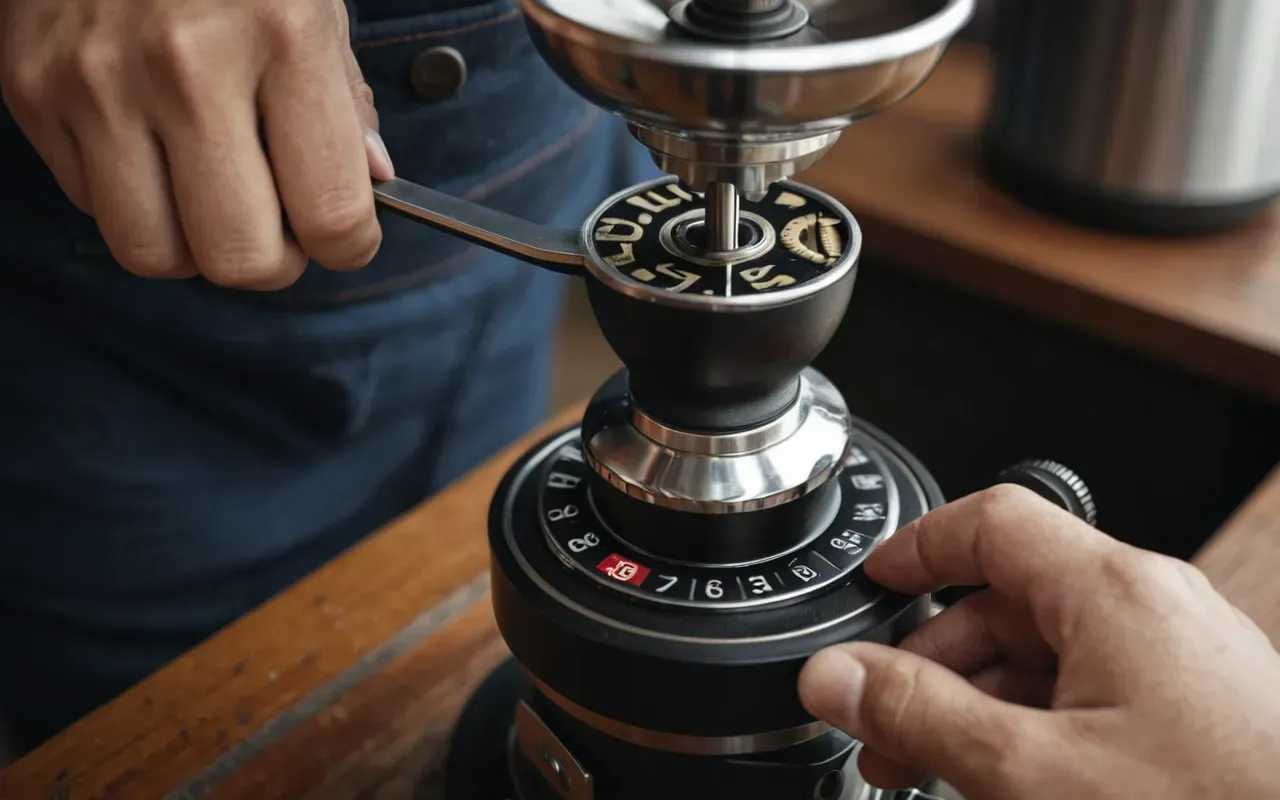
Track your grind size. A half-step adjustment can go from sour to sweet in seconds.
It's not about having the most expensive gear. It's about understanding what your equipment does and adjusting accordingly.
Start small. Change one variable at a time. Taste the difference before you move on to the next tweak.
Final Thoughts On Better Coffee Days Ahead
Your next cup doesn't have to be bad. It can be the highlight of your morning.
Stop blaming the bean. Start respecting the process. You'll wonder why you didn't do this sooner.
The best coffee is the one that makes you smile when you take the first sip. Go make it happen.

