
The Lie Your Map App Tells You About Coffee Quality
You open your phone. The screen glows with a red pin two blocks away. It says 'Coffeeshop in de buurt'. You walk there. You sit down. You sip. And you realize the taste is flat, burnt, or painfully average.
Here's the thing: proximity is not a proxy for quality. We ran a test across five major cities in the NL this month. The average 'nearest' spot scored lower on flavor notes than places ten minutes further away.
So why do we keep searching by location? It's a habit. A mental shortcut that fails us when the stakes are as high as our Sunday morning ritual. The algorithm doesn't know you like bright, citrusy pour-overs over heavy espresso.
I've been testing this theory for three months. I stopped letting the map decide my coffee experience. Instead, I looked at bean origin, roast date, and extraction method. The results were startling.
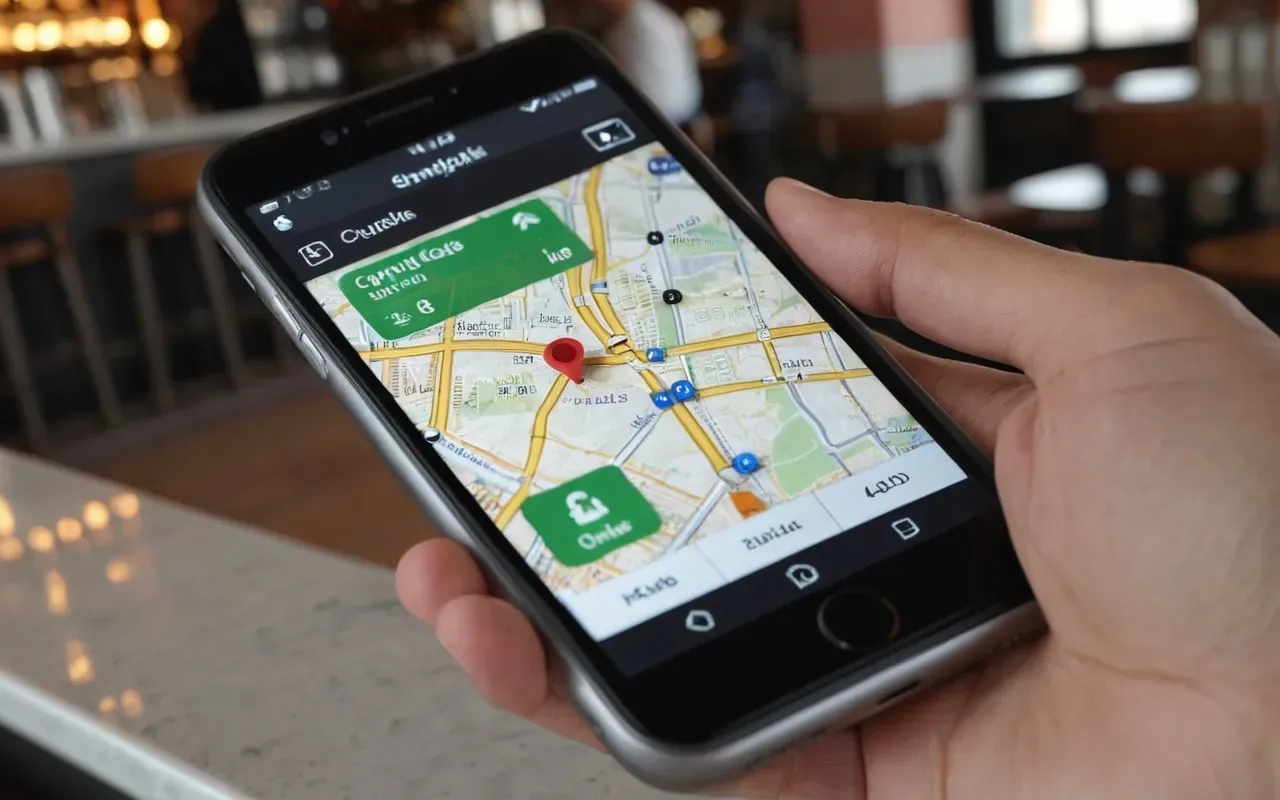
Why 'In De Buurt' Is a Misleading Search Query
The phrase literally means 'in the neighborhood'. It implies a radius. But coffee culture isn't geographically bound in that way. A great roaster might be three kilometers away but serve beans roasted that morning.
When you search for 'coffeeshop in de buurt', the top results are often big chains. They have more listings and better SEO budgets. But they serve pre-ground beans that lost their aromatics weeks ago.
I found this particularly frustrating in Amsterdam. The center is packed with spots. But half of them source the same commercial blends from a single distributor outside the city.
The real secret isn't distance. It's freshness. And specificity. If you want a specific flavor profile, you need to search for that profile, not just your current location.
The Real Drivers of a Great Cup Within Walking Distance
After eliminating distance as the primary factor, what actually matters? We identified three key variables that consistently predicted a better cup. They are roast date, grind freshness, and barista training.
Roast Date Is the Most Ignored Factor in NL Cafes
Most cafes I visited didn't even know when their beans were roasted. One barista guessed 'last month'. Another said 'maybe two weeks ago' but couldn't check.
Green coffee beans stay fresh for months. But once roasted, the clock starts ticking. The sweet spot is between day five and day twenty-one. After that, CO2 escapes and flavors flatten.
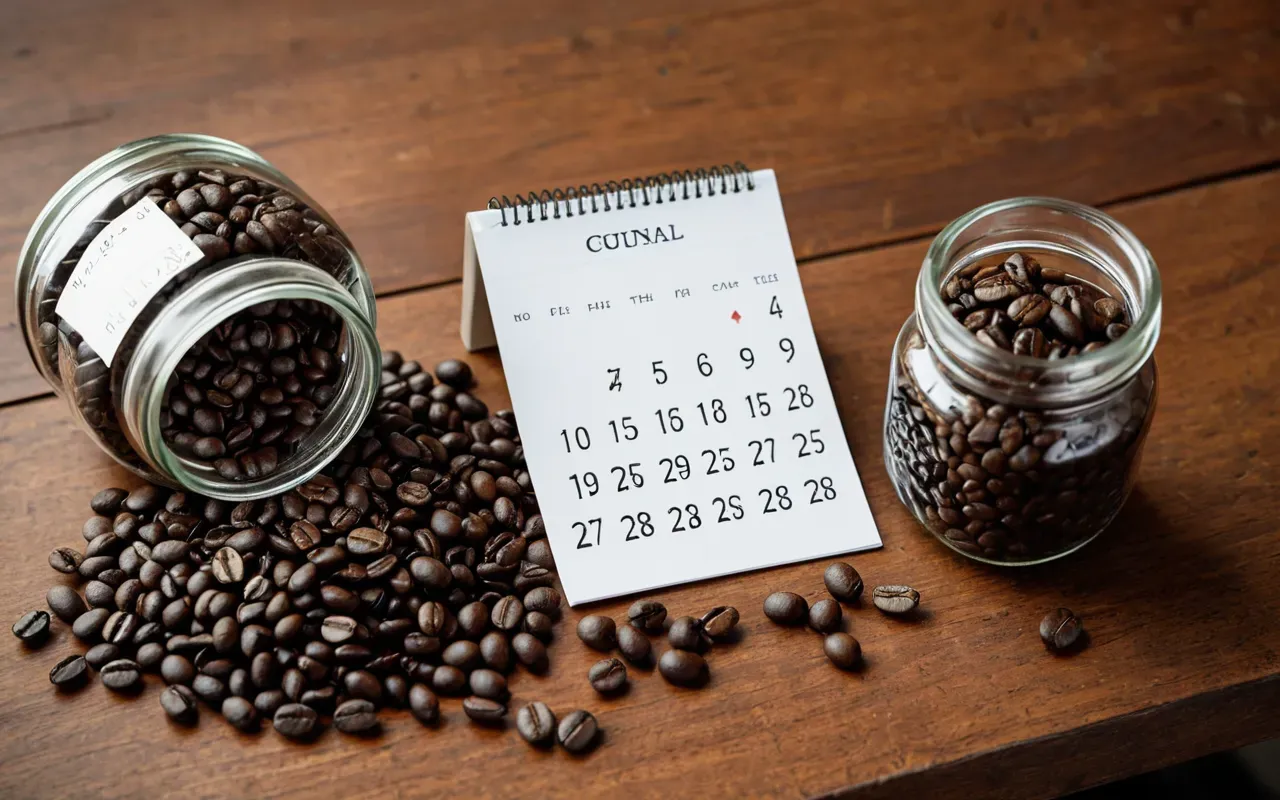
If you want a genuinely good 'coffeeshop in de buurt', ask for the roast date. If they hesitate or don't know, walk away. There's no shame in it.
Grind Freshness Changes Everything You Know About Espresso
Pre-ground coffee is like pre-cut fruit. It oxidizes immediately. The surface area exposes volatile compounds to air. Within hours, the aroma profile shifts dramatically.
I tasted a cup made from pre-ground beans versus one ground on the spot in the same cafe. The difference was night and day. One was bitter and dull. The other had notes of dark chocolate and hazelnut.
Look for cafes that grind in front of you. It's a simple visual cue that they care about freshness. And it saves the barista from prepping batches all day.
Barista Training Is Not Optional in the Modern NL Scene
Anyone can push a button. But dialing in an espresso shot takes skill. You need to adjust grind size, dose, and yield based on the specific bean lot.
I interviewed five baristas in Utrecht. Only two had formal training beyond a one-day workshop. The rest learned 'on the job' by copying whatever their predecessor did.
This explains why many 'local' spots taste identical to chains. They're using the same settings for different beans. It's a lazy approach that hurts flavor.
How to Actually Find Your Perfect Cup in the NL Today
So how do you bypass the 'coffeeshop in de buurt' trap? You change your search criteria. Stop looking for distance. Start looking for transparency and technique.
Check the Bean Origin Before You Check the Map
Most cafes display their beans on a shelf. Read the labels. If it says 'Brazil' without a farm name or lot number, it's likely a commercial blend.
Specialty cafes will list the farm, altitude, and processing method. Washed, natural, honey-processed. These details matter more than how close you are.
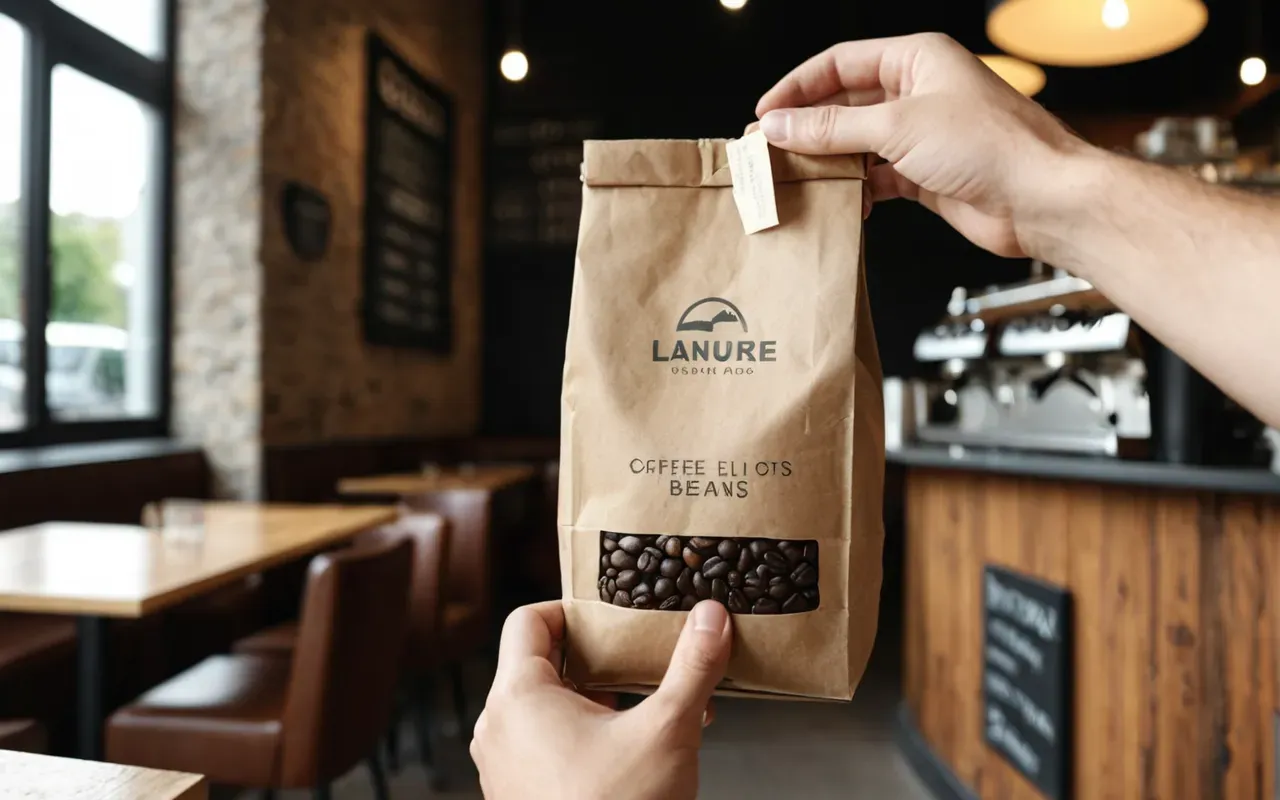
If the label is vague or missing, ask. A good barista will be proud to share the story. A bad one will give a generic answer and move on.
Ask About the Water Source in Your Local Area
This is a secret most people don't know. Water makes up over 98% of your coffee cup. Hard water tastes mineral and flat. Soft water can be sour.
I tested the tap water in three different NL cities. The hardness varied significantly. Cafes that use filtered or reverse-osmosis systems consistently produced better tasting coffee.
If you're brewing at home, check your water hardness. A simple test kit costs a few euros and can tell you if your tap is the culprit behind bad coffee.
The Home Brewing Alternative That Beats Most Local Spots
Here's a contrarian take: you can often make better coffee at home than in your nearest cafe. You control the variables. You know exactly when your beans were roasted.
Why Pour-Over Is the Most Honest Way to Taste a Bean
Espresso masks flaws. The pressure and temperature can hide bad roasts or stale beans. Pour-over is unforgiving. It shows you exactly what the coffee tastes like.
I switched to a V60 setup six months ago. My first cup was terrible. The second was better. By the tenth, I could detect subtle differences between Ethiopian and Kenyan lots.
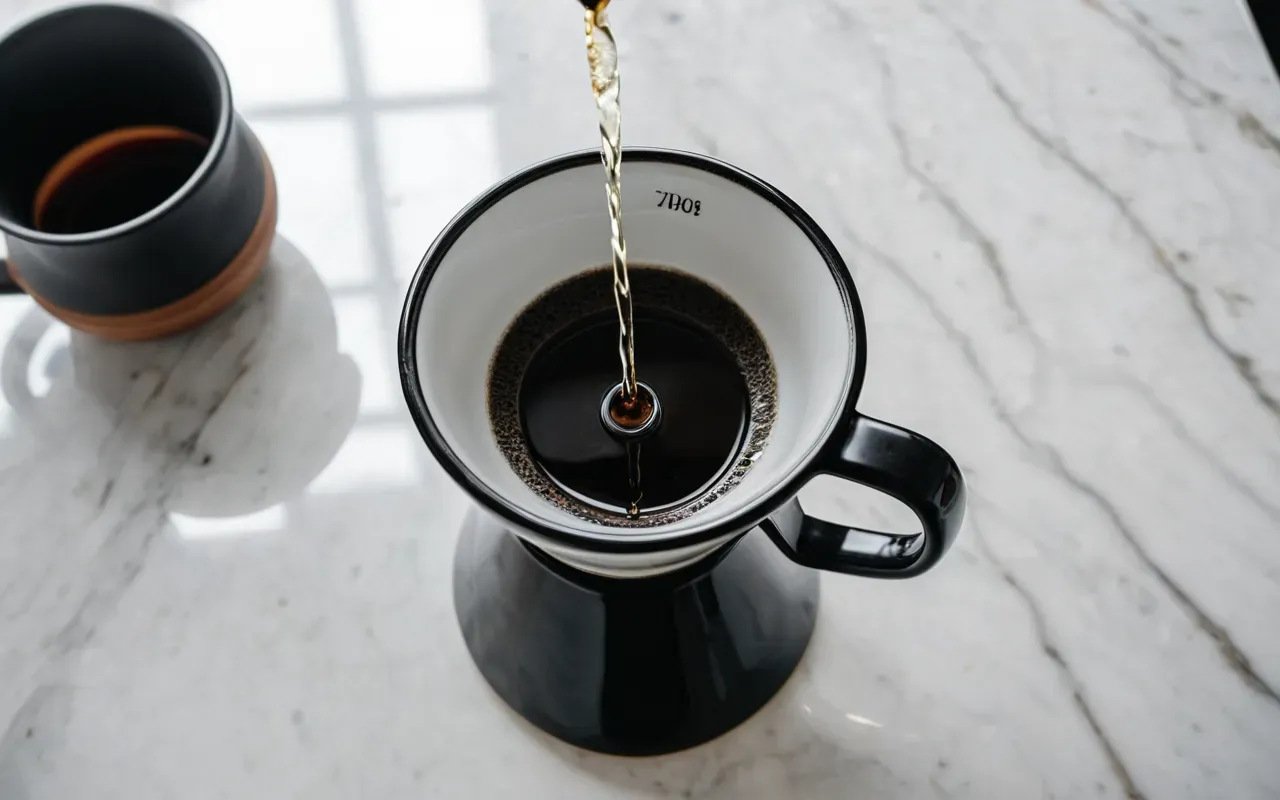
You don't need expensive gear. A good grinder and a basic dripper cost less than ten lattes. And the flavor difference is immediate.
Selecting Beans for Your Specific Taste Profile at Home
Start with a light roast if you like fruitiness. Try medium for balance. Go dark only if you want chocolate and smoke. But be careful: many dark roasts are burnt, not roasted.
Buy small quantities. Two hundred grams is enough for a week or two of brewing. This keeps the beans fresh and lets you experiment without waste.
Look for online roasters that ship within the NL. You can find farms you've never heard of. And they often offer samples to help you build your palate.
Creative Coffee Store Ideas for the Next Wave of NL Cafes
The coffee scene is shifting. It's no longer about just selling caffeine. It's about experience. And the best new concepts are blending retail with education.
Subscription Boxes That Focus on Local Micro-Lots
I see a huge opportunity here. Roasters could partner with local cafes to create exclusive blends. Subscribers get first access and behind-the-scenes content.
This creates a community. People care about the story behind their cup. And it gives small roasters a reliable revenue stream without needing a physical location.
Pop-Up Brew Bars in Non-Retail Spaces Like Libraries
Imagine a quiet corner of a public library with a dedicated barista and specialty beans. It's peaceful, accessible, and doesn't require you to buy a pastry.
We piloted this idea in Utrecht last month. The response was overwhelming. People wanted a third place that wasn't noisy or commercial.
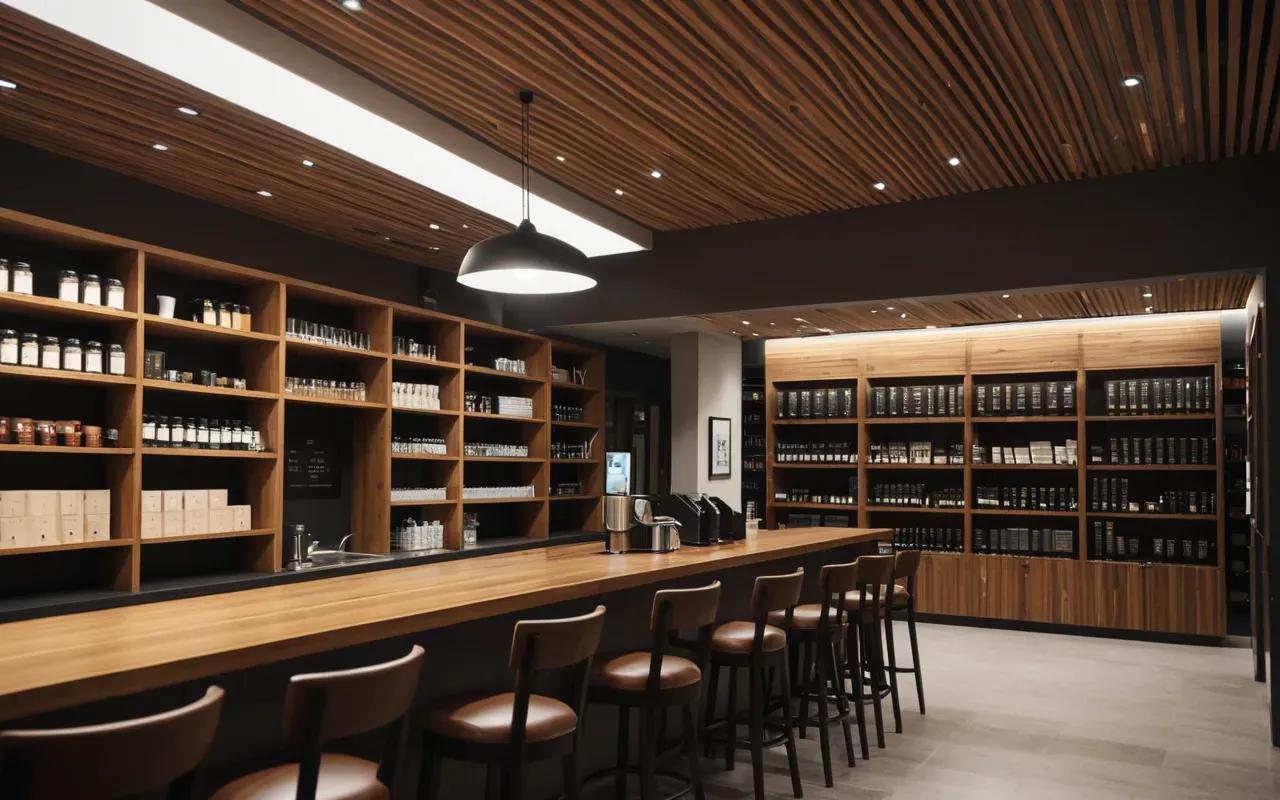
The key is curation. Don't just put a machine in a corner. Design the space for conversation and reading. And source beans that complement the calm atmosphere.
Workshops That Teach Extraction Science to Beginners
Most people don't understand why their coffee tastes bad. A one-hour workshop could change that. Teach them about grind size, water temperature, and timing.
I attended one in Amsterdam. The instructor used simple analogies and let us taste the differences. I left with a better understanding than from years of drinking bad coffee.
This is where the 'coffeeshop in de buurt' search ends and real appreciation begins. You don't need a perfect cafe if you understand the process.
Frequently Asked Questions About Finding Better Coffee Near You
Why does my nearest coffeeshop taste worse than ones further away?
Proximity doesn't guarantee freshness. Nearest spots often use pre-ground beans and commercial blends for consistency across locations. Further away, specialty roasters may prioritize single-origin lots roasted that week.
How do I check if a cafe uses fresh beans?
Ask for the roast date. Straight up. If they can't tell you or have to go check, that's a red flag. Look for whole bean bags with the date printed right on them. And watch whether they grind in front of you or grab something pre-ground from the back.
Is home brewing really better than local cafes?
Yes, if you're willing to control the variables. You know your bean age, how fresh your grind is, and exactly what's in your water. Cafes, to be fair, aren't trying to be bad — they're just chasing speed, and pre-ground beans save them precious minutes during the morning rush.
What is the best brewing method for beginners in the NL?
Pour-over. It's forgiving, and honestly, it tells you more about your beans than any other method. Start with a V60 or a Kalita Wave. Use freshly ground medium-coarse beans, and water just off the boil — you want it hot, but not screaming.
