
The Quiet Collapse of a Cultural Icon
It started with a letter. Not an email, not a Slack message, but a physical notification of layoff submitted to the state authorities in California. Inside that document was a number that hit like a punch: 220 jobs gone.
For three decades, Stone Brewing was the heartbeat of San Diego’s craft beer scene. It wasn't just a company; it was an identity for many workers in Escondido. But on August 21, 2026, that identity began to fracture.
I’ve spent years watching the craft beer industry shift from a scrappy underground movement to a corporate behemoth. This isn't just another layoff story. It’s the end of an era that we barely noticed until it was over.
The $165 Million Handoff Nobody Saw Coming
To understand why the taps are being turned off in Escondido, you have to look back at a deal struck four years ago. In 2022, Sapporo USA bought Stone Brewing for $165 million.
That price tag seemed high at the time. But in the world of beverage manufacturing, margins are thin as paper. Sapporo realized quickly that they couldn't sustain the overhead of a massive facility without bleeding cash.
So they sold. Firestone Walker Brewing Co. and Duvel Moortgat USA stepped in this year to take over the brand. It was presented as a merger of equals. Two giants joining forces.
But here is the thing nobody talks about in press releases. When two large breweries merge, they don't double their capacity. They cut it. Redundancy becomes a cost center that must be eliminated.
Who Wins and Who Loses in This Shuffle?
Let’s be blunt. The shareholders win. The board of directors wins. Efficiency metrics go up. Fixed costs drop by millions each quarter.
But who loses? The first wave hits on October 19, 2026. Fifty-eight workers will pack up their lockers at the Citracado Parkway facility and walk out for the last time.
Then it spreads to Executive Place and Harmony Grove. In total, 220 people lose their livelihoods. These aren't just numbers on a spreadsheet. They are brewers, engineers, and logistics managers who built this brand.
The Production Move to Central California and Missouri
Where does the beer go? It doesn't disappear. Stone Brewing will still pour into your glass at the local bar. But it won’t be made in San Diego County anymore.
Production is being shifted to the Firestone Walker plant in Paso Robles. That’s over two hours north of Escondido. They are also moving batches to Duvel USA's facility in Kansas City, Missouri.
Logistically, it makes sense. Centralizing production reduces shipping distances for the national market. It streamlines quality control under one roof instead of three.
But it destroys the local loop. For years, Stone was a pillar of the San Diego economy. Now, those jobs are exported to inland California and the Midwest.
The Future of Stone Brewing World Bistro and Gardens
What about the famous restaurant? The Stone Brewing World Bistro and Gardens has been a landmark for decades. It’s where many people had their first taste of American IPA.
Reports say it will stay open for at least six months. After that? It’s a toss-up. The real estate in Escondido is valuable, but operating a high-end restaurant without the adjacent brewery changes the business model entirely.
If it closes, a piece of San Diego’s cultural fabric vanishes. If it stays, it becomes just another tourist trap serving beer brewed somewhere else.
The Human Cost of Corporate Efficiency
Zachary Keeling, the CEO of Sapporo USA, admitted this transition is difficult. He promised support for workers during the changeover.
The new owners have hinted they might hire some of these employees in hospitality or marketing roles. But that’s a drop in the bucket compared to the manufacturing jobs being cut.
Many of these workers spent their entire careers at Stone. They know the recipes by heart. They know the equipment better than they know their own homes.
Finding a new home in the job market isn’t easy. The craft beer industry is consolidating fast. There are fewer independent breweries left to absorb displaced talent.
What This Means for the Craft Beer Community
This is a warning shot. If Stone Brewing can be dismantled and its production moved across state lines, no brand is safe from corporate consolidation.
The local craft beer scene in San Diego was born on the idea of community. Now, that community is being treated as an inefficient cost center.
As consumers, we have a choice. We can keep buying the brand name without caring where it’s made. Or we can demand transparency and support local operations.
The Unspoken Truth About Beverage Manufacturing
There is a dark side to the beer industry that rarely makes the news. It’s not about the hops or the yeast. It’s about balance sheets.
Every time a major brewery acquires another brand, the first question is never about flavor. It’s about fixed costs. Rent, utilities, labor—these are the levers that get pulled.
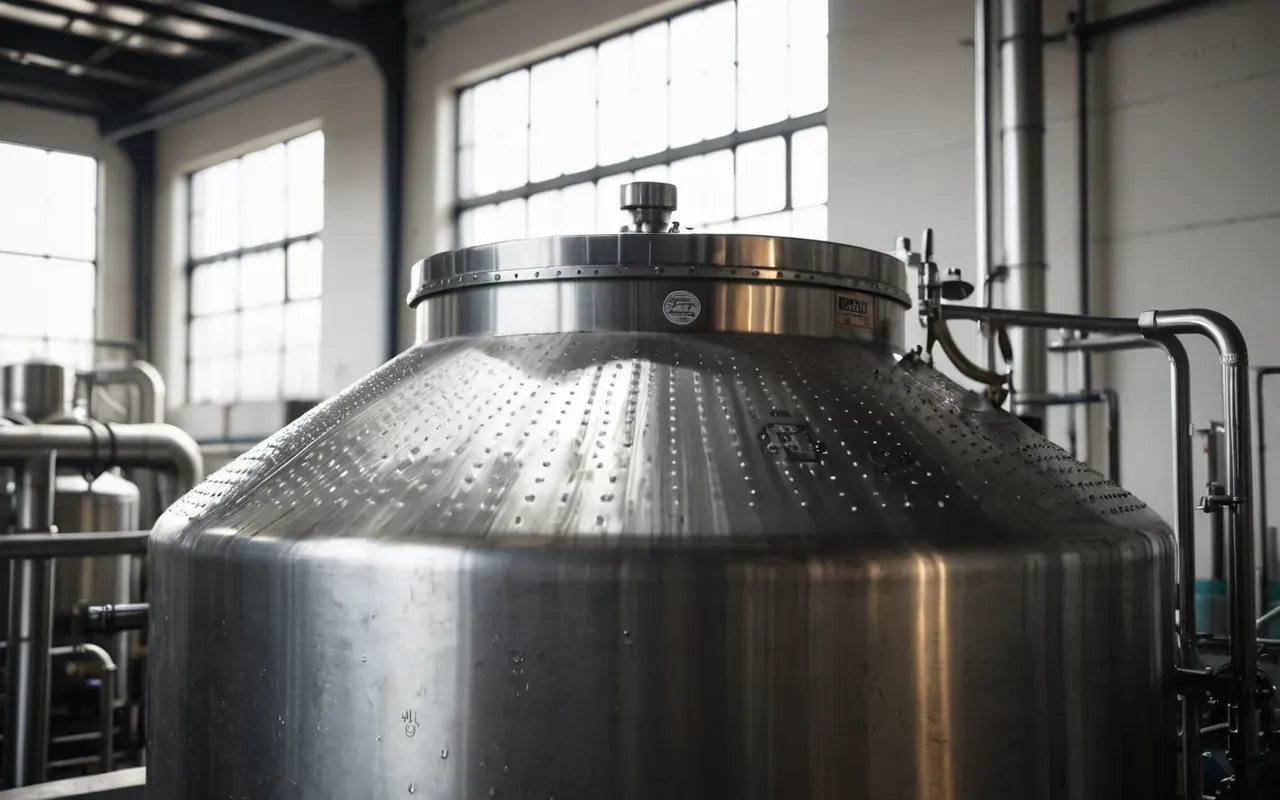
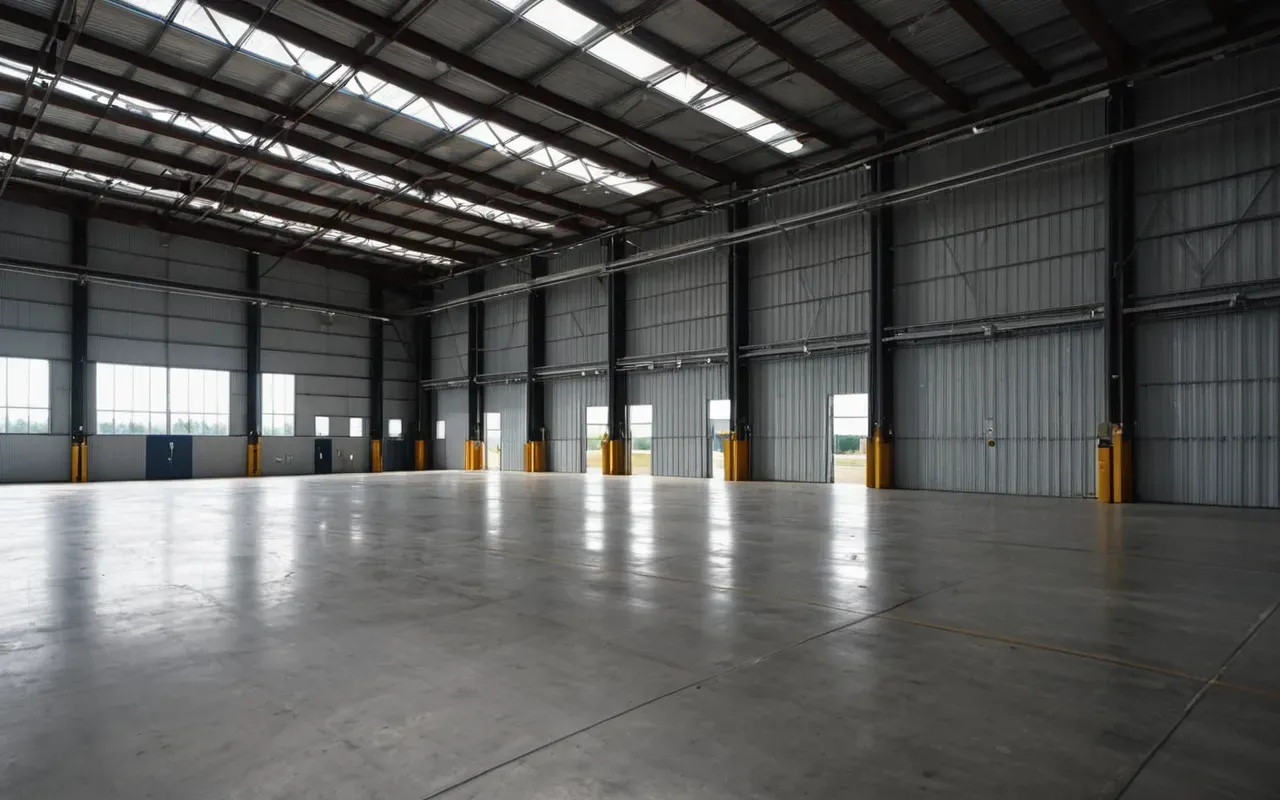
Stone Brewing’s Escondido plant was massive. Keeping it running required a volume of production that just wasn’t there anymore in the current market climate.
So they cut. They moved production to facilities that were already running at full capacity. It’s a simple math problem with human consequences.
Looking Ahead to October and Beyond
The clock is ticking. By the end of 2026, Sapporo and Stone brands will no longer be brewed in Escondido. The transition is already underway.
For the workers affected in October, it’s a time of uncertainty. They are waiting for severance packages and job offers from their new employers.
For the rest of us, it’s a moment to reflect. We drink these beers every day without thinking about where they come from or who makes them.
Maybe it’s time to pay more attention. The next time you pour a Stone IPA, remember the 220 people who helped build that brand.
Final Thoughts on a Changing Industry
Stone Brewing is not going out of business. The brand will survive and likely thrive under new ownership.
But the soul of that brand—the local connection, the community roots—is being stripped away in favor of efficiency.
We are living through a consolidation wave that is reshaping the American beverage landscape. And Stone Brewing’s story in Escondido is just one chapter of it.
The taps may stay open. The beer will still flow. But the hands that pour it are changing, and the story behind every bottle is getting a little more complicated.

