
The Unexpected Winner of the National Beverage War
For decades, tea ruled the Irish break room. No contest. It was what millions of workers in Dublin and everywhere else reached for without thinking. Then a new survey came along and blew that assumption apart.
Coffee has officially taken the throne. A study of five hundred office workers found that coffee is now the number one break-time drink for fifty percent of them. That's a huge swing from the years when tea owned the kitchen counter.
Honestly, I was surprised by how fast this flipped. And it's not really about caffeine anymore. It says something bigger about how people think about their daily pause from work.
Tea still holds a solid second place at thirty-seven percent. But the gap keeps widening. Herbal teas and hot chocolate trail far behind, with just four and three percent of the vote.
Why the Five Minute Pause Matters More Than You Think
The real insight here isn't what people drink. It's why they step away at all. Seventy percent of workers said they take two or more breaks a day for tea or coffee.
Sixty-five percent rated those moments as very important for their overall well-being. Another twenty-three percent called them somewhat important. So nearly everyone treats this short pause as essential for mental health.
Here's the thing. These breaks aren't just about quenching thirst or topping up on caffeine. They work as a psychological reset button in the middle of the workday.
Most workers keep their breaks between five and fifteen minutes. That's deliberate — long enough to relax, short enough to keep momentum for the next task.
Only one in six said they keep breaks under five minutes. Even the shortest pauses still matter, then. Not just a quick sip from a thermos.
The Brand Preference Breakdown You Need to Know
Nescafe wears the crown as the preferred coffee brand with thirty-one percent of the vote. A clear leader among office workers who want instant or pod-based options for speed.
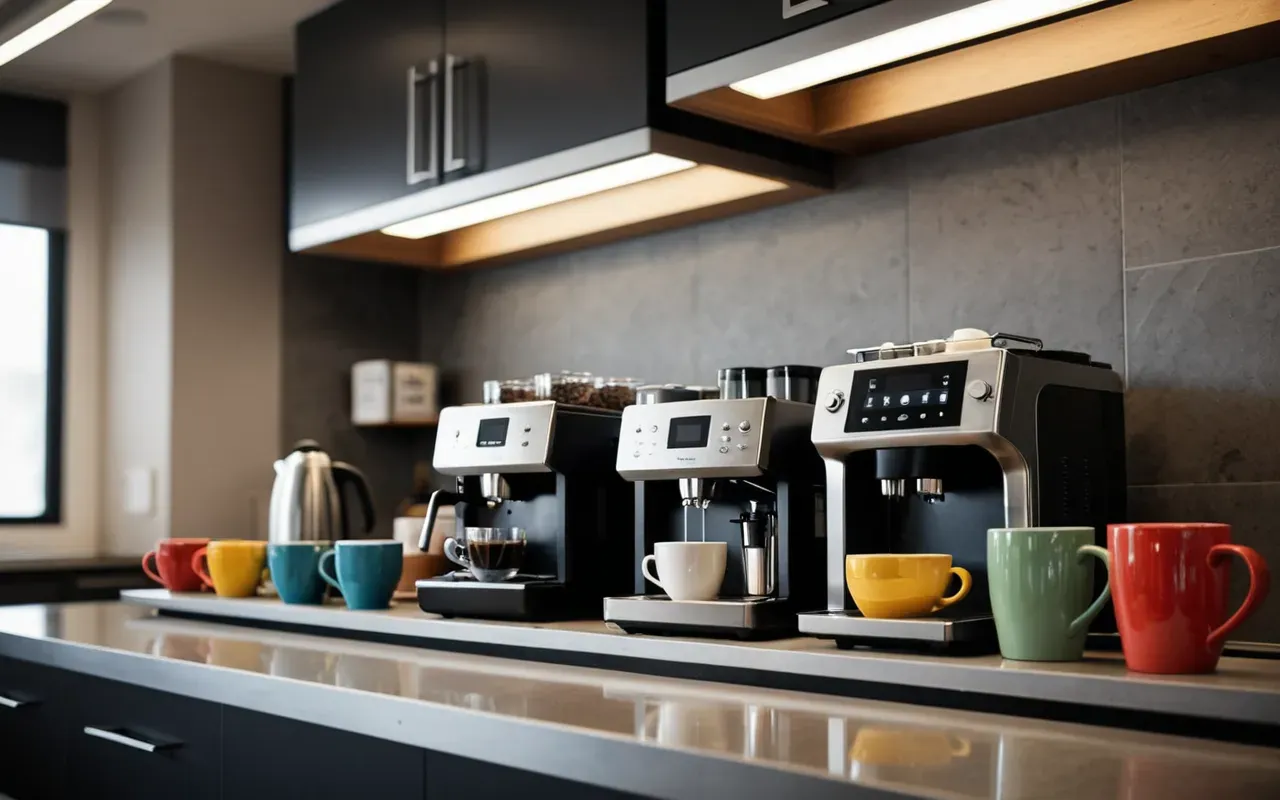
Coffee pods and espresso machines follow at twelve percent and eight percent. People want better brewing, even in a busy office.
On the tea side, Lyons Tea dominates with thirty-two percent. It narrowly beats Barry's Tea at thirty-one percent and Lipton at just eight percent.
That brand loyalty is interesting. Even as tastes shift from tea to coffee, people stay attached to the names and flavors they've trusted for years.
The Morning Rush and Afternoon Slump Patterns
Timing is everything with these breaks. The most popular slot is between nine and eleven in the morning. Seventy-six percent of workers take their break in that window.
Makes perfect sense. It's when people have settled into their tasks but need a mental refresh before diving into harder work or meetings.
The early afternoon sees forty-four percent taking a pause. Late afternoon follows closely at forty-one percent.
Those two peaks suggest attention naturally dips at those times. The coffee or tea becomes a signal to recharge body and mind.
How This Changes Office Culture Dynamics
I think this data points to something bigger about how we design workspaces. If breaks matter this much for well-being, the kitchen can't just be a utility room.
It should be a social hub. A place where people connect briefly and swap stories before heading back to their desks.
The fact that coffee now wins suggests people want something more stimulating and ritualistic than plain tea.
That could push future office designs toward better coffee stations and comfier seating for these short social moments.
If you want to understand the deeper cultural shifts happening in European coffee culture right now, take a look at the quiet changes reshaping how we buy and drink coffee across the region.
The Productivity Connection Nobody Talks About Enough
Plenty of managers still see breaks as a distraction. This survey proves the opposite. The break is what lets workers stay productive for longer stretches.
When people feel supported in taking these pauses, morale climbs. Better focus follows, and fewer errors when they get back to work.
The well-being angle can't be ignored. Mental health is a major concern in the modern workplace, and these small rituals do real work for emotional stability.
By prioritizing the quality of these breaks, companies are investing in their most valuable asset. Their people.
Simple insight, powerful consequences. It should change how we approach daily work habits and office policies.
What This Means for Your Daily Routine Tomorrow
And you don't need to wait for a policy change. Start valuing your own breaks more today.
Pick a good beverage. Take the full fifteen minutes if you need it.
Step away from the screen. Clear your head. Your mind will thank you.
Next time you reach for a cup of coffee or tea, remember it's more than just a drink.
It's a tool for well-being. A moment of peace in a busy day.
The Hidden Cost of Ignoring These Breaks
What happens when we skip these moments? Burnout becomes more likely. Focus erodes over time.
The survey data shows most people already know this. They're instinctively protecting their own well-being by taking these pauses.
But the workplace often discourages it. Noise, urgency, pressure — all of it can make a simple break feel like wasted time.
We need to change that narrative. The break isn't a distraction from work.
It's part of doing good work sustainably over the long haul.
If you're struggling with focus during your day, try adjusting when and how you take these coffee or tea pauses.
Looking Ahead to the Future of Workplace Beverages
The preference for coffee over tea might just be the start of a larger shift.
We may see more specialized options in office kitchens. High quality espresso machines and premium tea selections.
Companies might even start tracking break patterns to optimize employee well-being and productivity scores.
This data gives us a snapshot of current behavior. But it also hints at where workplace culture is heading next.
For now, the coffee cup has won. But the real victory is recognizing the value of taking a moment for yourself.
So next time you grab that cup, savor it. It's more than just caffeine.
It's a small act of self-care that can have a big impact on your day.
The survey proves it. Your break matters more than you think.

