The Hidden Cost of Your Favorite Pour Over
Take your last cup. Did you actually taste the beans in it? Or did you taste a story someone sold you? I've watched people hand over double the money for a bag stamped "single origin," and what landed in the cup was burnt, bitter water. The specialty industry has built a whole illusion of quality, and it hides some genuinely basic roasting incompetence.
No conspiracy here. Just economics. Brands know that if you can't read an extraction ratio or tell a light roast from a dark one, they can sell you anything. You're paying for the story, not the liquid.
Why Arabica Is Not Automatically Better
Most people assume arabica is the gold standard. Sweeter, less acidic — sure, that's the pitch. But that assumption falls apart the moment you factor in growing conditions, which reshape flavor completely.
Robusta packs more caffeine and a harsher bite. And yet plenty of high-end roasters blend it in for complexity. If you're drinking arabica only because it feels premium, you're cutting the flavor spectrum in half.
I tried a robusta blend last month. Nutty, bold, not bitter at all. My friend swore it tasted like expensive chocolate syrup. That's what proper roasting does — it's not about the species.
The Roast Level Scam You Keep Buying Into
Dark roasts get sold as strong and intense. But that intensity usually comes from burning the bean, not from pulling flavor compounds out of it properly.
Light roasts hold onto more of the original fruit notes from the cherry. Brewed right, they taste brighter and cleaner.
Here's the problem: dark roasts hide defects. A bad bean roasted dark tastes like burnt rubber but still looks great in the bag. Light roasting exposes every flaw on the spot.
So why do supermarkets push dark roast? Because it's cheaper to produce at scale when you don't have to worry about subtle flavor nuances. It's the fast food of coffee.
Brewing Methods That Actually Matter for Sunday Mornings
Pour over gives you control, but it demands precision. A two second difference in pour time can change the entire cup profile dramatically.
Espresso needs pressure and temperature consistency that most home machines can't hold reliably without expensive calibration.
French press is forgiving, but it leaves oils in the cup that can bother sensitive stomachs. That matters if you're drinking multiple cups on lazy Sundays.
The Real Reason Your Sunday Ritual Feels Empty
We treat coffee as a productivity tool instead of an experience. That shift started when work culture invaded the home during the remote work waves.
Your brain now links the smell of brewing coffee to deadlines and emails. That conditioning kills any pleasure you might get from the drink itself.
To fix it, separate consumption from production. Brew on Saturday night and drink it slowly — no screens, no work thoughts nearby.
Choosing Beans Without Falling for Hype Marketing
Ignore words like ethically sourced or farm direct unless you can verify the supply chain. These terms are unregulated and often just buzzwords.
Instead, look for a roast date within seven days of purchase. Green beans degrade quickly once roasted and lose flavor compounds fast.
If the bag doesn't list altitude or processing method, it's likely a blend built for mass appeal rather than flavor complexity.
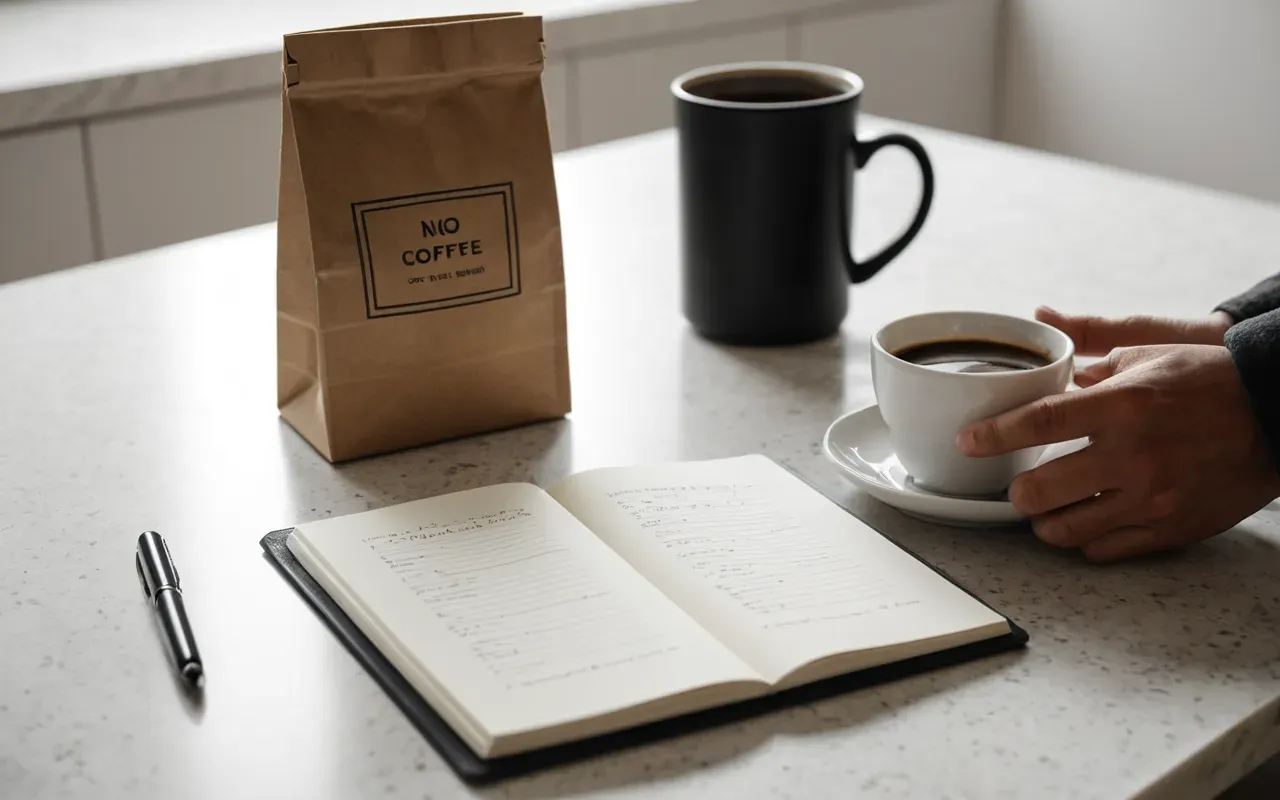
I keep a small notebook of every bag I buy and rate it after three days. That simple habit saved me hundreds in wasted purchases last year.
What the Specialty Industry Does Not Want You to Know
Most specialty shops buy green beans in bulk from commodity traders, not directly from farms. The middlemen capture most of the profit margin.
The premium price you pay covers rent in trendy neighborhoods and expensive marketing campaigns — not better beans.
Some small roasters actually deliver better quality at lower prices because they cut the branding overhead entirely.
Building a Better Home Coffee Setup for Under Fifty Dollars
You don't need a five hundred dollar machine to make great espresso. A moka pot and good beans can rival most cafe offerings.
Invest in a digital scale and timer instead. Together they cost less than fifty dollars, and they transform consistency dramatically.
Grind beans fresh every single morning. Preground coffee loses volatile aromatics within minutes of grinding.
The Truth About Cold Brew and Nitro Coffee Hype
Cold brew tastes smoother because lower temperatures pull out fewer bitter compounds. But it also extracts less overall flavor unless you steep it properly.
Nitro coffee is basically cold brew with nitrogen bubbles added. The creaminess comes from gas, not milk or sugar.
You can fake it at home with a whip and carbonated water, but the result is rarely as stable or smooth.
How to Spot Authentic Small Batch Roasters Online
Real small batch roasters post their roast curves and share photos of the actual bean lots they bought.
Generic brands use stock photography and vague words like smooth and bold without specifying origin or process.
Check their website for batch numbers and tasting notes that change season to season. That signals actual sourcing variation.
The Final Verdict on Your Sunday Coffee Experience
Stop letting marketing dictate your taste. Taste is personal and subjective — but information should be accurate.
Buy fresh beans from transparent sources. Brew with intention, not automation. And enjoy the process without guilt or obligation.
Your cup doesn't need to be expensive to be excellent. It just needs to be honest.