The History of Coffee Houses in Amsterdam
Amsterdam's coffee houses date from the 1660s, when merchants gathered over the new drink from the Levant and Java to trade, read and argue. They peaked in the eighteenth century, then faded as coffee moved into homes and cafés. Today's cannabis coffeeshops are a separate, much later story.
The drink itself arrived a little before the rooms did. The first shipment of coffee landed in Amsterdam in 1661, and the records of it spell the word 'cauwe' rather than the modern 'koffie'. That spelling is a useful reminder that Amsterdam met coffee as a foreign cargo long before it had a Dutch name, let alone a Dutch habit.
Trade followed quickly. The city held its first coffee auction in 1662, which tells you coffee was already being bought and sold as a commodity rather than sipped as a curiosity. An auction means graded lots, competing buyers and a market price, all in place within a year of the first landing.
The East India Company then folded coffee into its regular business. By 1690 it had become a standard part of VOC cargo, tying Amsterdam's warehouses directly to plantations and ports in Asia. The city was not merely drinking coffee; it was one of the hinges on which the European coffee trade turned.
The First Coffee Houses Open and Fill With Merchants
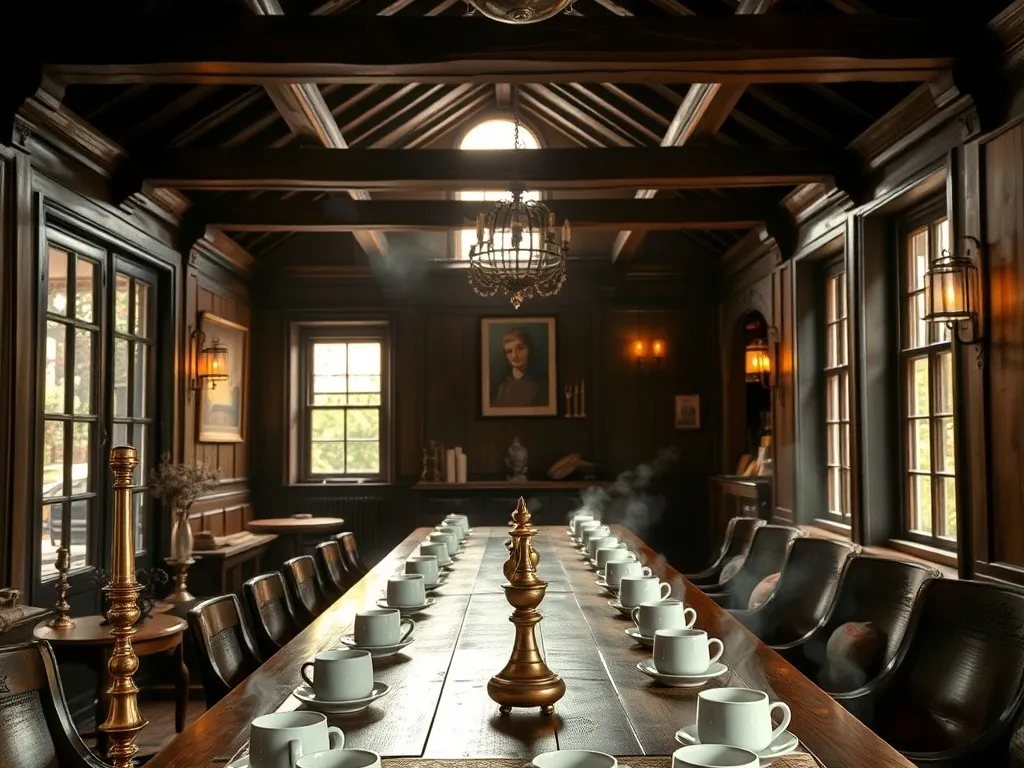
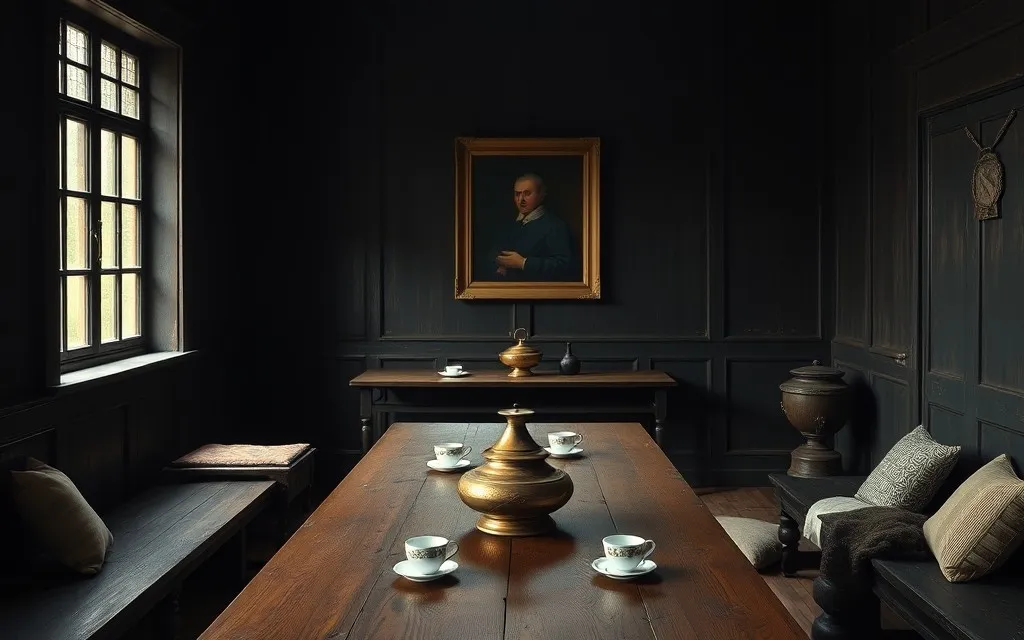
Amsterdam's first coffee house opened in 1665, and its fittings tell you what kind of room it was: a sitting area, a couch, a buffet and a serving table. This was not a bar counter for standing drinkers. It was a furnished interior built for men who expected to stay a while, sit down, and talk over a cup.
The rooms filled quickly. By 1686 the physician Steven Blankaart was describing coffee houses as packed with people, which suggests that within two decades the coffee house had gone from novelty to routine stop. Anyone who has ever tried to brew a proper pot at home knows how much work sits behind a single cup, and the early houses were selling that labour along with the seat.
Location did the rest. The coffee houses clustered near the merchants' exchange, at the centre of the city's economic life, so a man could walk from a shipping deal to a table without leaving the district. That proximity is why the rooms drew traders rather than a general public, and why the coffee house became a place where business was conducted in company.
Why Coffee Houses Became Rooms for Debate and Business
What set the coffee house apart from the tavern was not the room but the licence the room gave you to talk. A sober drink kept the head clear, so arguments about shipping, religion and city politics could run for an hour without collapsing into a brawl. Anyone who could pay for a dish of coffee could sit and join in, which made the coffee house a rare place where a clerk and a regent might share a table.
Dutch writers of the period noticed this and used it. Plays, poems and pamphlets set scenes in coffee houses precisely because the setting promised reasoned, civilised exchange rather than drunken noise, and audiences recognised the type at once. The coffee house became shorthand for a new kind of public talk, conducted in company and open to scrutiny.
A sober drink, a shared table and a newspaper turned conversation into something closer to public opinion.
The newspaper mattered as much as the coffee. Read aloud or passed hand to hand, it gave strangers a common subject and a reason to keep returning. That combination of stimulant, table and printed news made the coffee house a working alternative to the tavern for anyone with business or ideas to pursue.
From Colonial Crop to Everyday Habit
The coffee drunk in those merchant rooms arrived by a long and uncertain route, carried from the port of Mocha through Middle Eastern markets before it ever reached a Dutch quay. That dependence on rivals and middlemen kept volumes small and prices high, which suited a trade that sold the drink as a luxury to men who could afford to be seen drinking it. Everything changed once the Dutch learned to grow the plant themselves.
In 1699, the first coffee was planted in Java, and Suriname followed in 1723. Two colonial territories under Dutch control now produced a crop that had previously been bought at a premium from foreign suppliers. Supply grew steadier and cheaper, and the bean drifted down the social scale from the counting house to the kitchen table.
Households began roasting and brewing at home, and the coffee house lost its monopoly on the drink itself. What it kept was the reason people had gone there in the first place: company, argument and news. Anyone who has ever wondered why a bad cup still gets forgiven will recognise the trade-off.
The Decline of the Coffee House and the Rise of the Café
As the nineteenth century wore on, the coffee house stopped being the room where the city did its talking. The daily paper arrived at the door, the post came to the house, and the business that once needed a public table moved into offices and reading rooms. Coffee itself had become cheap and ordinary enough to keep at home, so the trip out lost its purpose.
The word koffiehuis did not disappear, but the thing it named did. What survived under that name was a plainer drinking room, closer to a bar than to a merchant exchange, serving a quick cup to people passing through rather than hosting the same faces every morning. The vocabulary stayed put while the institution behind it quietly changed shape.
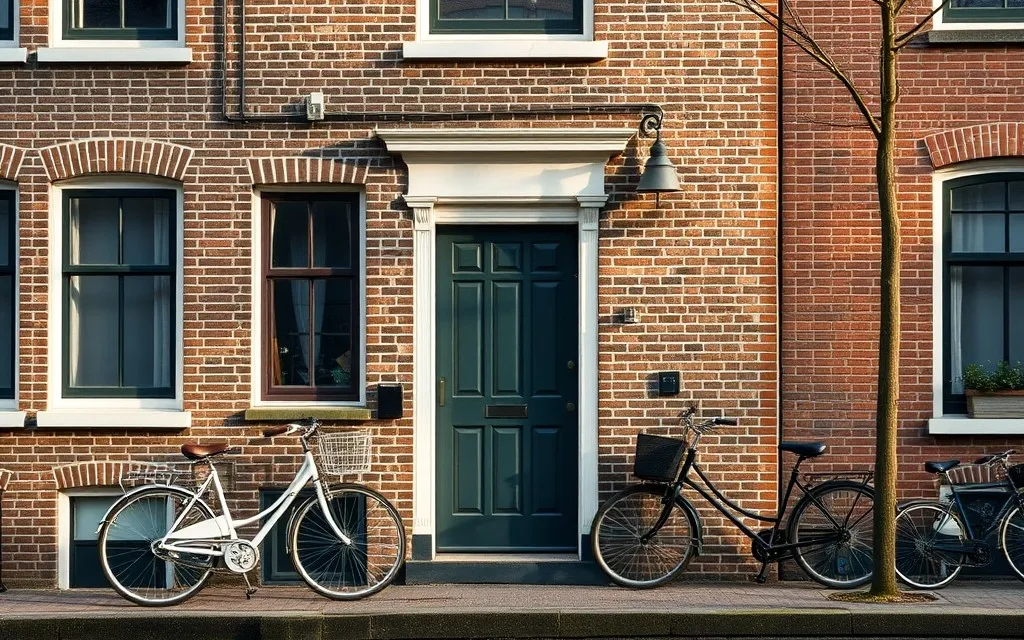
The old geography of the canal ring can still be traced. Buildings that once held these gathering rooms now operate as cafés and bars, some retaining original features such as high windows and dark woodwork. The address reads the same; the trade inside it does not.
Why 'Coffeeshop' Now Means Something Else Entirely
The word "coffeeshop" stopped meaning what it used to. In the Netherlands a coffeeshop is a licensed business that sells cannabis, and the first is usually dated to 1968 in Utrecht, under the name Sarasani. Amsterdam followed in 1972 with Mellow Yellow, and Rusland opened in 1975, when the country counted roughly ten such places.
Growth came fast and then reversed. By the early nineties around 1,500 licensed coffeeshops were operating across the country. By 2020 that number had fallen to 564, as municipal rules tightened and many establishments closed.
So the two histories sit on the same word and almost nothing else. The seventeenth-century coffee house sold a drink and rented out conversation to merchants; the modern coffeeshop sells a controlled substance under a municipal licence and posts its rules at the door. If you are looking up where to sit with a cappuccino, you want a café. If you are looking up the old debate rooms, you want the merchant coffee house. The names overlap; the businesses do not.
How Dutch Drug Policy Shaped the Modern Coffeeshop
The legal machinery behind the modern coffeeshop starts much earlier than most people assume. The Netherlands wrote its first Opium Law in 1919, aimed at substances judged to carry a high addiction factor. That framework set the tone for a century of Dutch drug regulation, even though cannabis was not yet the centre of it.
The decisive shift came in 1976, when the Opium Law was revised to distinguish soft drugs from hard drugs and to decriminalise possession of small quantities for personal use. The intent was practical: separate hard drugs from soft ones, and stop pushing casual users into the same criminal market as heroin. The 30-gram figure belongs to the guideline rather than the statute. From that point, small-scale possession stopped being something a shop had to hide entirely.
Tighter rules followed as the trade became visible. In 1996 the legal age for buying weed was raised, and coffeeshops were permitted to keep no more than 500 grams on the premises. That stock cap explains the small, frequent deliveries behind the counter rather than a warehouse out back.
Read together, the three dates explain the shape of the trade today: a licensing system, an age check at the door, and a hard ceiling on what sits in the building. None of it has anything to do with the merchants who once argued over cauwe.
Frequently Asked Questions
Are Amsterdam coffee houses and coffeeshops the same thing?
No, they are entirely different things. A coffee house is the historic seventeenth-century venue where people gathered to drink coffee and do business, while a coffeeshop today is a licensed establishment selling cannabis. The spelling without the space now signals the modern drug-selling business rather than a café.
What did people drink in a seventeenth-century Amsterdam coffee house?
They drank coffee, which arrived in Amsterdam in 1661 and was first written as 'cauwe'. The first coffee house, opened in 1665, offered a sitting area, couch, buffet and serving table where guests could enjoy the new beverage. Coffee soon became a regular part of VOC cargo by 1690.
When did the first coffee house open in Amsterdam?
Amsterdam's first coffee house opened in 1665. It featured a sitting area, couch, buffet and serving table, showing it was designed as a comfortable place to linger. By 1686, Steven Blankaart described such coffee houses as being packed with people.
Why is coffee called 'koffie' in Dutch and not 'cauwe' today?
The word simply changed over time: the first shipment in 1661 was written as 'cauwe', but the modern term 'koffie' replaced it. The early spelling reflects how the new drink was first recorded in Amsterdam before the standard Dutch word settled into its current form.
For the full overview, see dutch coffee traditions.
Related in this series: how to brew dutch coffee.