The secret behind finding a great coffee spot nearby
Stop Scrolling Maps and Start Smelling the Air
You've been doing this wrong. You open your phone, type in a search bar, and wait for an algorithm to decide what's good for you. Feels safe, sure. Also completely lazy.
The best cup of coffee in your area doesn't live on a screen. It lives three blocks away, behind a door you've walked past a hundred times. The key is knowing what to look for.
I spent the last month testing this theory in different cities. The result surprised me. Quality has nothing to do with price tags or flashy neon signs.
It's about the people behind the counter and how they treat the bean. That shift in mindset changes everything you know about finding a local spot.
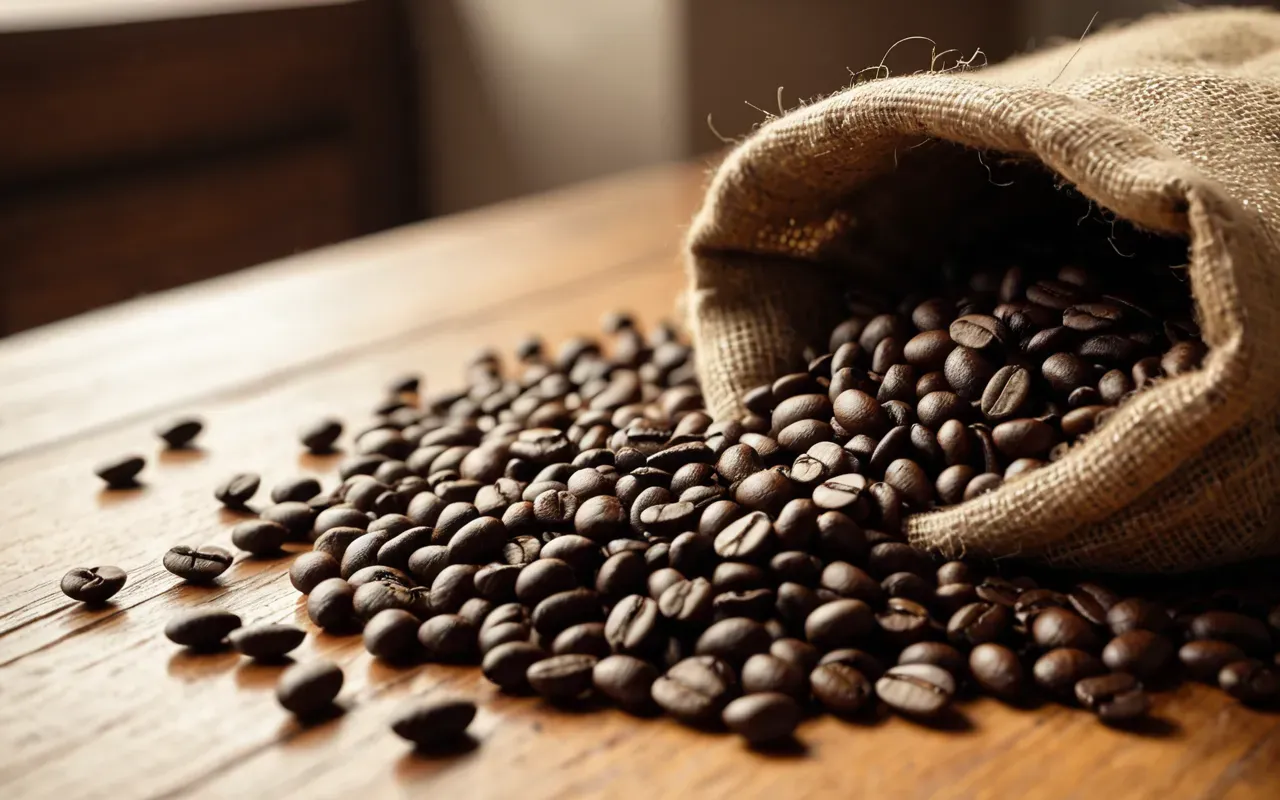
Why Algorithms Fail at Taste Buds
Search engines prioritize engagement over quality. They show you what's popular — not what's good for your palate right now.
A place with five hundred reviews might serve burnt sludge. A tiny shop with ten reviews might have the freshest espresso in the city.
So you need to bypass the data. You need sensory clues that a machine can't detect. This is where the human element takes over.
The Three Signs of a Genuine Local Roaster
First, check the roast dates. Non-negotiable. If you can't find a date on the bag, walk away immediately.
Freshness is king here. Beans lose their aromatic compounds within days of roasting. You're drinking gas, not flavor, if they're old.
Second, look at the origin label. Specific farms beat generic regions every single time. "Ethiopia" or "Colombia" is too broad for serious drinking.
A good roaster knows exactly who grew the crop. They'll talk about soil type and altitude with pride, not hesitation.
Reading Between the Lines of the Menu
Third, observe the staff. Do they explain their process, or just push buttons? A true enthusiast loves to teach.
Ask about grind size and they should adjust it on the fly. That level of control signals a serious operation.
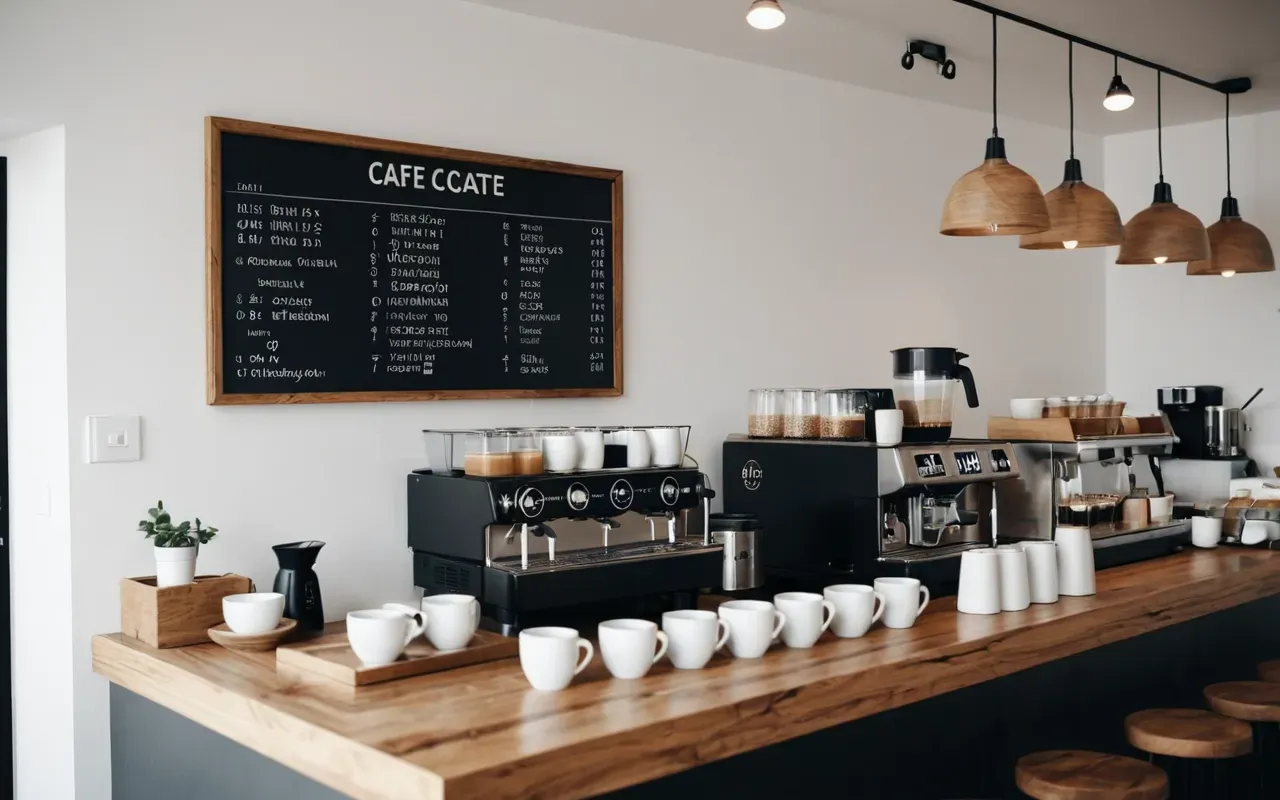
Brewing Secrets That Change Your Home Setup Forever
Most people think expensive gear makes better coffee. It doesn't. Technique beats hardware every time in my experience.
Let's talk water temperature first. Boiling water scalds delicate oils and creates a harsh, bitter taste.
Aim for around ninety degrees Celsius. This extracts sweetness without pulling out the astringent tannins that ruin your morning.
The Myth of Perfect Grind Consistency
People obsess over burr grinders that cost more than their cars. Here's the truth: particle size distribution matters more.
A cheap grinder with sharp blades can outperform a dull expensive one. Test your own setup before spending big money on upgrades.
If you're interested in how your coffee machine is a social media trap then read that post. It explains why we buy for looks, not taste.
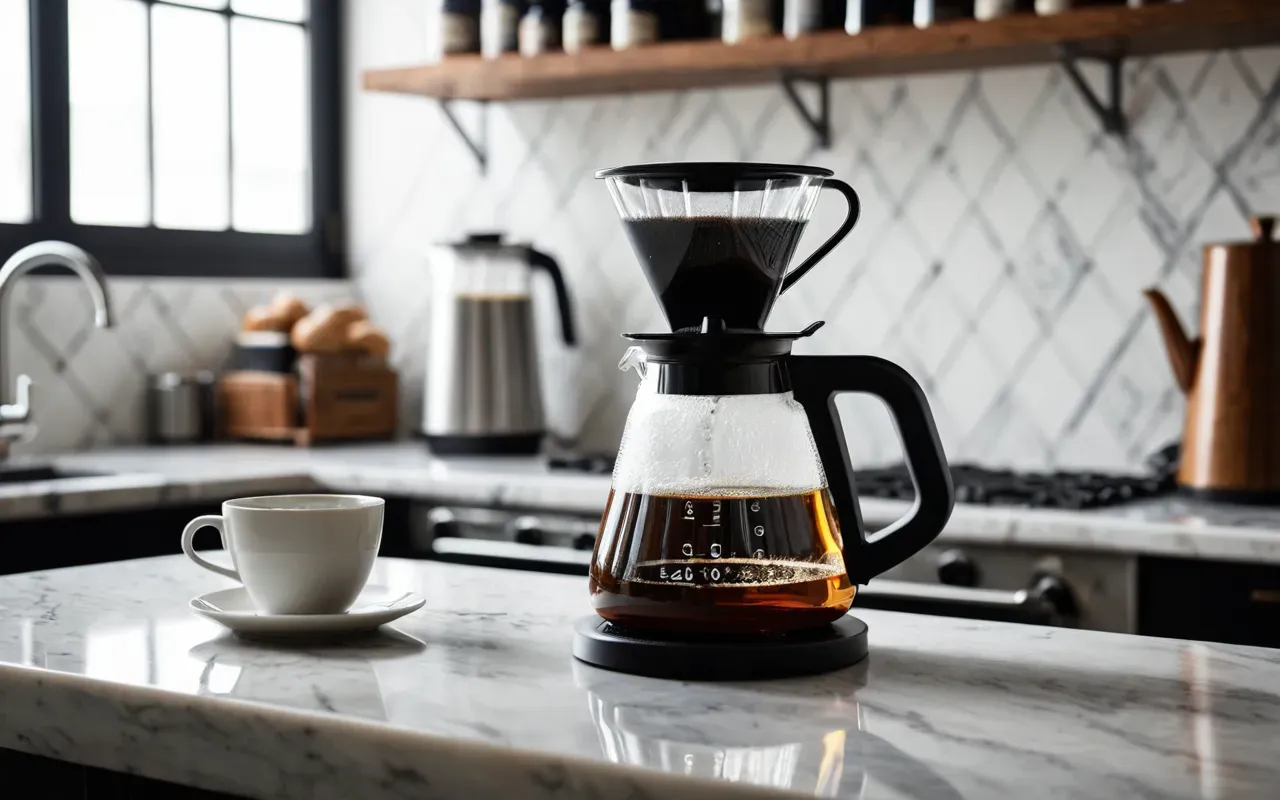
Why Your Sunday Morning Routine Needs a Reset
Sundays are sacred for coffee lovers. It's the one day without deadlines or meetings pressing down on your chest.
Use this time to experiment. Try a new origin bean, or adjust your water ratio by ten percent.
Document the changes in a simple notebook. Your palate will thank you for the consistency and attention to detail.
The Psychology of Slow Drinking
We rush our first cup because we're chasing caffeine. That's a mistake, and it dulls the entire experience.
Sip slowly. Notice the temperature drop. The flavor profile shifts dramatically as it cools from hot to warm.
This slow approach turns a habit into a ritual. It anchors your day in presence rather than panic.
Navigating the Local Scene Without Getting Lost
Every city has a coffee culture, but not every part of it is equal. You must learn the geography of quality.
Talk to locals at your grocery store. Ask where they buy their beans for home use — not just what they drink out.
Regulars know the shortcuts. They'll tell you which spot opens late or has a hidden back room for quiet work.
Avoiding the Chain Store Trap
Big brands offer convenience, but they sacrifice soul. The beans are usually blended for consistency, not complexity.
If you want that specific fruity note or chocolatey finish, only a small roaster can deliver it reliably.
I once visited a local rival that beat Starbucks and the difference was night and day.
Supporting Independent Businesses Matters
When you buy from a small shop, money stays in the community. It supports local farmers and nearby suppliers.
Your coffee bill is a vote for the kind of world you want to live in. Make that vote count every single time.
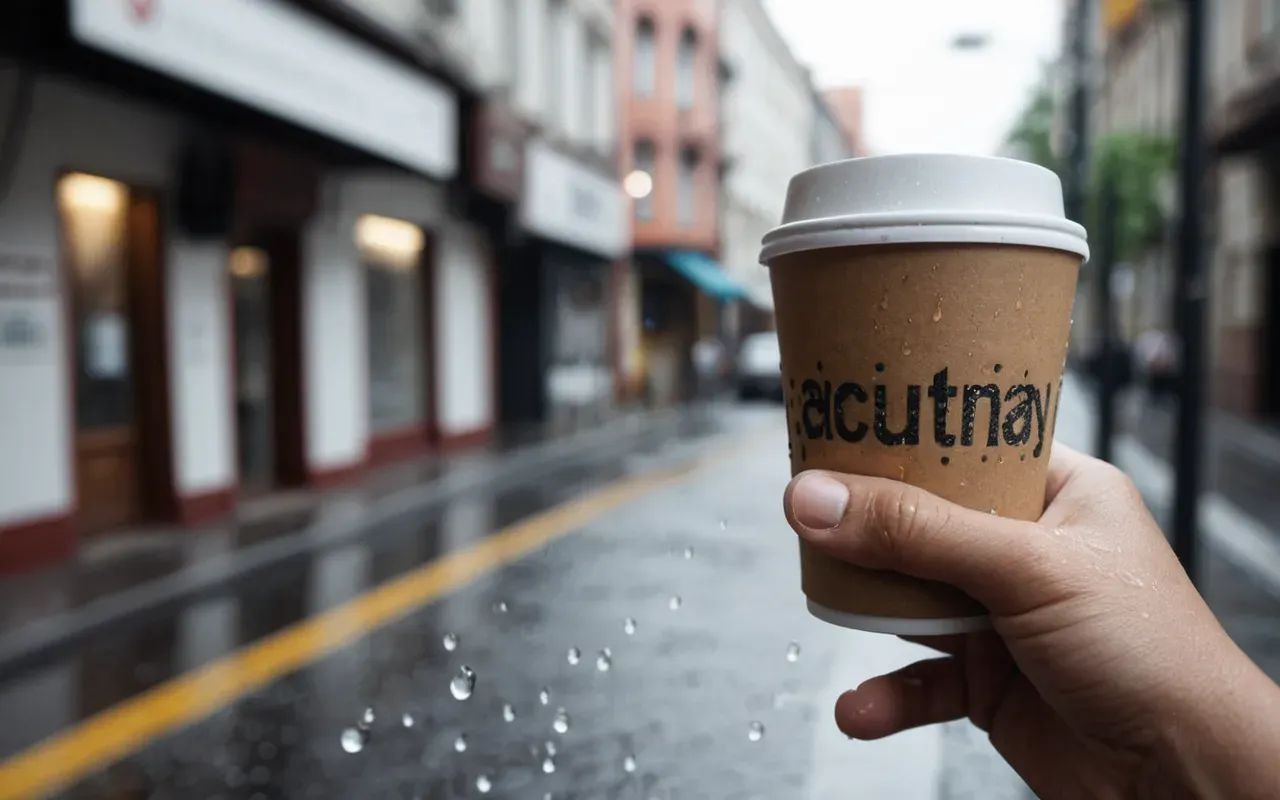
The Hidden Cost of Ignoring Your Local Options
You're missing out on connection. Coffee is a social lubricant that bridges gaps between strangers.
Stick to generic brands and you sever the thread linking your daily habit to your immediate environment.
Try visiting a new spot every Sunday. You'll learn more about taste and community in a month than in years of routine.
Building Your Personal Coffee Map
Keep a simple list of three favorite spots within walking distance. Rotate them based on your mood and the weather.
One place for quick espresso shots before work. Another for slow pour-overs on rainy days.
This variety keeps your palate sharp and your routine fresh. It prevents the monotony that kills passion.
Tracking Flavor Notes Over Time
Write down what you taste after each cup. Is it floral? Nutty? Citrusy?
Over weeks you'll notice patterns in your preference. This data helps you choose beans that truly satisfy.
Adjusting for Seasonal Changes
Cold weather calls for darker roasts and stronger bodies. Summer favors lighter origins with bright acidity.
Align your choices with the climate outside your window for a more harmonious drinking experience.
The Role of Water Quality in Brewing
Water is eighty percent of your cup. If it tastes bad, everything else fails to shine.
Use filtered water or bottled spring varieties. Avoid tap water with high mineral content — it can mask subtle bean flavors.
This simple swap often improves the cup more than any expensive machine upgrade could ever do.
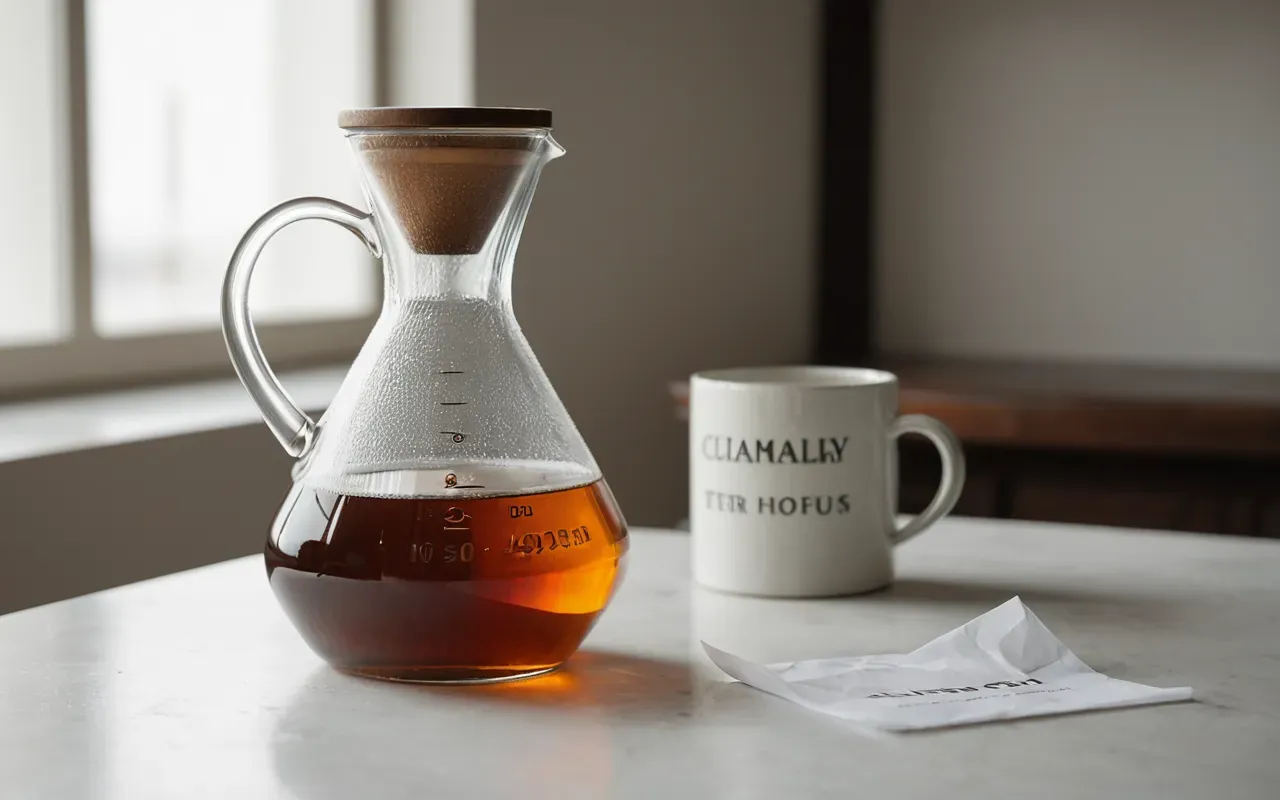
Frequently Asked Questions About Finding Great Coffee Nearby
You have questions and I have answers. Here's what people ask most about improving their local coffee experience.
How do I find the best roaster in my area?
Look for shops that display roast dates on all bags. Ask staff about specific farm origins, and check if they buy directly from producers.
Why does my home coffee taste bitter?
Bitterness usually comes from using water that's too hot or grinding the beans too fine. Try lowering temperature to ninety degrees.
What is the ideal time to drink coffee?
Drink between ninety and one hundred twenty minutes after waking. This aligns with your cortisol drop for maximum alertness without jitters.
Can I use any water source for brewing?
No. Hard tap water can ruin delicate flavors. Use filtered or spring water with balanced mineral content for the best extraction results.
How often should I change my coffee beans?
Rotate origins every two to three weeks. This keeps your palate engaged and helps you discover new flavor profiles regularly.