Your coffee machine is a social media trap and here is why
The performance of a perfect pour-over
Look at your last coffee photo. Soft light. Ceramic cup. You look calm. That image wasn't built for you — it was built for the algorithm.
We're living in a moment where brewing coffee is less about caffeine and more about content. The ritual got hijacked by the need to document it.
I've watched this shift firsthand in local shops. Baristas now grind beans with a theatrical slowness that serves no practical purpose other than looking good on camera.
The internet promised us connection. Instead it handed us a script for how to feel awake and alive without actually feeling either.
Why the machine is no longer just a tool
Take multifunction appliances. A simple drip pot is no longer enough for the modern kitchen. It lacks narrative weight.
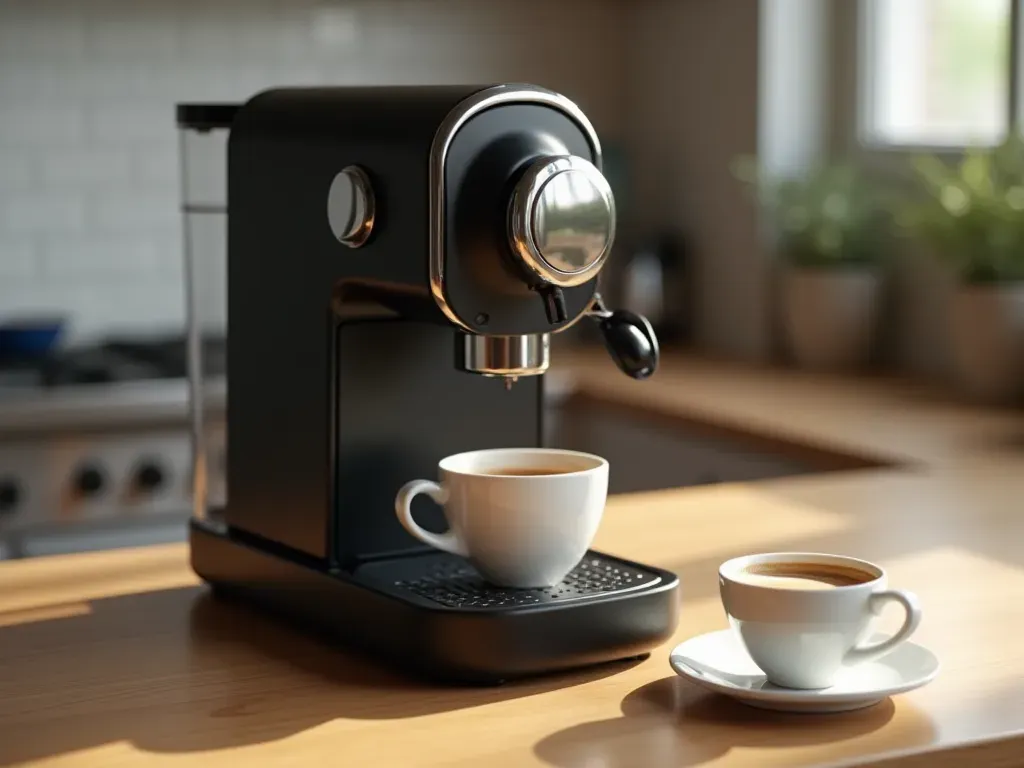
Devices like the Midea 10-in-1 automatic espresso machine represent a specific cultural shift. They're designed for people who want options at home without building a full manual station.
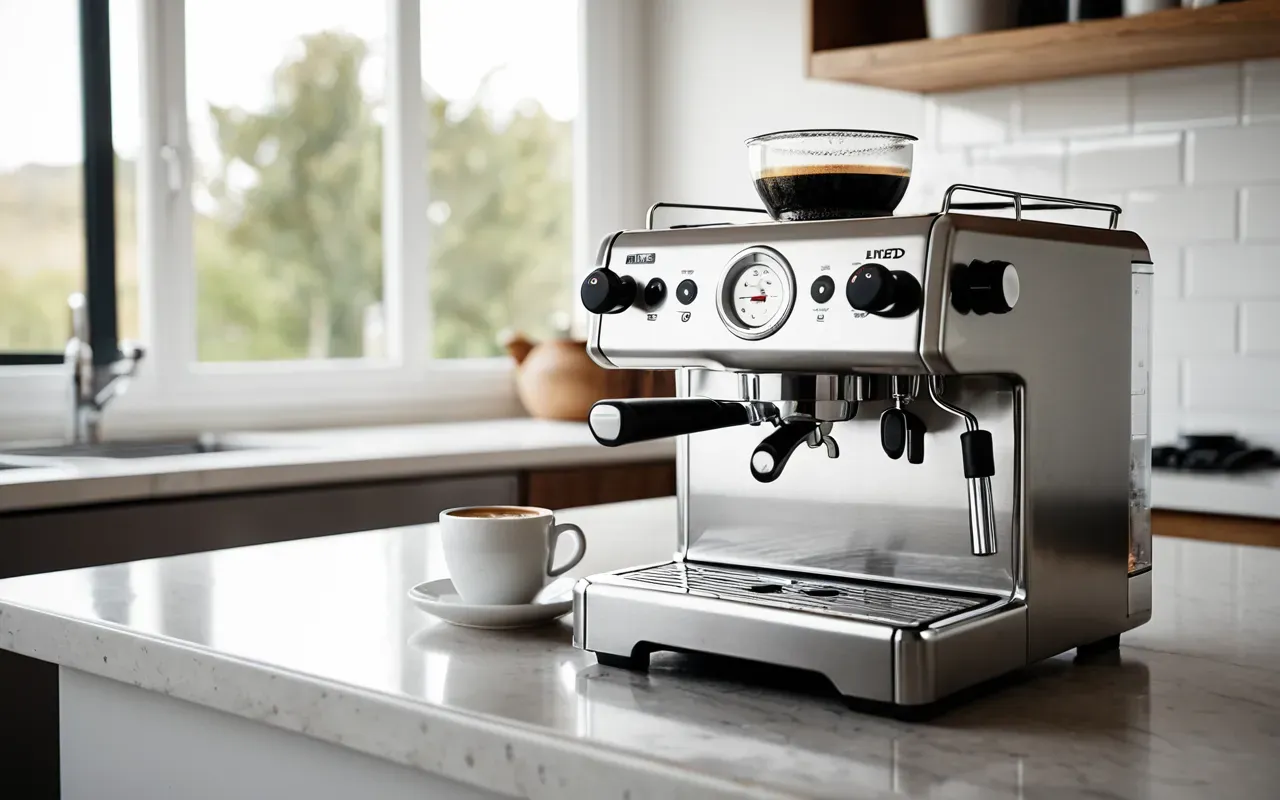
The built-in grinder isn't just about freshness. It's a signal of sophistication to anyone who walks into your kitchen.
We buy complexity because we've been trained to believe simplicity is cheap. That's a marketing trick, and it works far too well.
The slow living paradox in fast digital spaces
Here's the thing. The same platforms that flood your feed with noise also sell you the idea of silence.
You watch a video about mindfulness while scrolling through forty notifications. You buy beans labeled for slow living to drink in five minutes on the way to work.
This disconnect isn't new. But it has never been more profitable for brands that sell the aesthetic of calm rather than the product itself.
The ritual isn't dead. It's just been repackaged as content that can be filmed and shared for validation.
Who wins in the aesthetic economy of caffeine
The big appliance makers win. They sell you a machine that promises a lifestyle but delivers only convenience with extra steps.
The local roaster loses. Their deep knowledge of bean origin gets overshadowed by the visual appeal of a sleek home machine.
And you lose your time. Twenty minutes adjusting grind size for a taste that's barely different from what you had last week.
The hidden cost of the perfect cup on camera
There's a psychological toll to performing your morning routine. You start caring about the cup more than the coffee inside it.
I've noticed it in my own habits. I often pause to adjust the steam wand angle before I've even started steaming milk.
Small thing. But multiplied across millions of households it becomes a massive shift in how we value leisure time.
What the internet skipped about your daily brew
Coffeehouses in Ottoman cities were places of serious discourse. Writers and philosophers gathered there to exchange ideas that changed societies.
Today we gather around coffee machines to post photos. The function has flipped from intellectual exchange to visual consumption.
The Industrial Revolution made coffee consistent and widespread. The digital revolution has made it performative and fragmented.
We lost the community aspect. We gained a personal brand around our caffeine intake that feels hollow when you stare into the cup.
How to reclaim your morning from the algorithm
Stop filming. Start tasting. The flavor notes in your bean are more interesting than the shadow on your saucer.
Use a simple grinder. The best coffee I've ever tasted was made with equipment that looked nothing like it belonged on social media.
If you're curious about how these trends affect local businesses, check out how marketing tricks sabotage your coffee habits for a deeper look.
The machine is a tool. Don't let it become a stage. Your morning belongs to you and only you until the phone comes out.
Practical steps to break the visual loop
Choose a bean based on taste profile, not packaging design. Read the label for origin and roast date only.
Brew in a quiet room. No music with lyrics. No phone screen visible. Just the sound of water and grind.
Drink it in ten minutes. Don't save half for later while worrying about the temperature dropping.
The future of coffee is not more complex but honest
We'll see a pushback against hyper-processed home bars. Simple, reliable equipment that works without showing off.
The baristas who survive will be those who sell the drink, not the experience of making it for an audience.
Your coffee doesn't need to be a lifestyle brand. It needs to wake you up and taste good while it's hot.
The internet shaped this trend. You can unshape it by putting the phone in another room and drinking from a chipped cup.
That's the real secret. It's always been there, hiding under layers of steam and social pressure.
What this means for your next purchase decision
Buy the machine that saves you time, not the one that impresses your neighbors. Convenience is a valid luxury in this economy.
If you want specific recommendations on equipment that balances quality with ease, see our guide to flaws in common coffee machines.
The best tool is the one you actually use every day without thinking about it for a second.
Stop performing. Start drinking. The algorithm will still be there tomorrow, but your morning peace is worth more.
This isn't about rejecting technology. It's about refusing to let it dictate the taste in your mouth.
Your cup is yours. Keep it that way, even if the lighting in your kitchen could be better for a photo.