Understanding Dutch Coffee Etiquette and Customs

Dutch coffee etiquette is simple: coffee is the greeting. A host asks "Koffie?" before anything else, and the offer, rather than a handshake or a question about the journey, is what opens the visit. Answering it is the social default, because coffee or tea is the absolute minimum a house guest will be offered by their host or hostess in the Netherlands. Nothing grander is promised, and nothing less is expected.
That is why the question can sound abrupt to a visitor who expects small talk first. It is not a menu request but a way of placing you inside the household: you are recognised, you will be seated, something warm is coming. Treat it as the hello it is and the rest of the visit tends to follow the same pattern.
Declining is allowed, but it lands as a small statement rather than a neutral choice. If you would rather have tea, say so and ask for it; if you have already had three cups, name that as the reason. A plain "no" with nothing after it leaves the host holding an offer that went nowhere, which is the one move that reads as cold.
The Fixed Coffee Moments: Koffietijd and the Evening Cup
Koffietijd means coffee time, and it is less an invitation than a fixture. Dutch households and workplaces tend to drink coffee at set points in the day, most commonly around 10:00 and again around 15:00, whether you are at the kitchen table or at a desk. Treat those hours as the default rhythm rather than a suggestion.
For a visitor, the practical effect is that a cup often arrives without negotiation. If you are in a Dutch home or office near ten or three, expect an offer, and expect it to be repeated on the next round. Saying yes is the ordinary move; the social weight sits on how you decline, not on whether you take it. Anyone planning a day of café-hopping around the city should keep these peaks in mind, since the good rooms fill up fast, as the busiest Rotterdam coffee spots show.
The evening cup runs on a different clock. At a dinner party, the post-meal coffee is the signal that the table is closing and the long conversation can begin. Hosts who let the moment slip may find guests growing restless if no coffee has been offered. Serving it earlier than the plates are cleared reads as rushing; serving it much later reads as forgetting.
What Is Actually in the Cup
What arrives in front of you is usually simpler than the vocabulary suggests. The default is plain hot black coffee, poured strong and served without ceremony, and it often comes with a single biscuit on the saucer or beside the cup. That biscuit is the whole gesture: something small to hold while the conversation starts.
In casual company you will hear the cup called a bakkie, an informal word for a cup of coffee that fits kitchen-table invitations far better than the formal koffie. If someone says to come round for a bakkie, expect the plain version and no menu. Asking for something else is fine, but the plain cup is the baseline everyone is working from.
The one order worth knowing by name is koffie verkeerd, literally wrong coffee: drip coffee with milk, served in a larger cup and treated as completely normal. It is unpretentious, it is what many Dutch people drink at home, and it is a familiar part of the local habit rather than something a visitor would have to guess at.
Ask for a bakkie and you get the plain cup; ask for koffie verkeerd and you get milk, no explanation needed.
Guest Rules: Wait, Do Not Help Yourself
The rule that catches out most visitors is simple: a guest waits to be served. Pouring your own coffee from the pot, opening the cupboard for a biscuit or helping yourself to the milk is considered very impolite in the Netherlands. Even in a relaxed kitchen, the host decides when the cup is poured, and reaching for the pot reads as impatience rather than ease.
The second rule concerns timing. The Dutch consider it bad etiquette to call in on someone informally without an invitation, so turning up at a door hoping for coffee puts your host in an awkward position. If you want to see someone, ask first and let them choose the moment. Unplanned visits are not treated as charming spontaneity; they are treated as an imposition.
There is one narrow exception, and it depends on how close you are. If you know someone very well, it is acceptable to drop in on them in the morning and ask whether you can come by that evening. Note the shape of it: the visit is still proposed and agreed, not assumed. Treat that morning call as a privilege of long friendship, not a technique to try on a new acquaintance.
Once you are seated, follow your host's lead on the small things too. Wait for the invitation to sit, accept what is offered before asking for something different, and leave the pouring to them. The same instinct for hospitality shaped the city's public coffee culture, as the story of Amsterdam's early coffee houses shows.

Host Rules: Set a Time and Say What You Will Serve
The hosting side of Dutch coffee etiquette rarely makes it into expat checklists, yet it is where most of the awkwardness happens. An open-ended suggestion like "you should come by sometime" leaves a visitor unsure whether an invitation exists at all. Set a specific date and time instead, and name what you plan to serve: "Come by next Tuesday at two for coffee." The guest then knows exactly when to arrive and what to expect, and neither of you has to negotiate the details at the door.
Naming the drink also settles the question of scope. Coffee at two means coffee at two, not a lunch that stretches into the afternoon, and a guest who has been told as much can plan the rest of the day accordingly. If you intend to offer something beyond the cup, say so when you invite, so nobody arrives braced for a meal or leaves hungry.
Keep the offering modest and complete. Coffee with one biscuit on a plate is a correct and finished gesture; a second type of biscuit or a slice of cake is generous but not required. What matters is that the cup is properly made and that you sit down with your guest rather than hovering, since the ritual is the shared time, not the spread.
Coffee as a Slow Ritual, Not a Quick Fix
Dutch coffee has a long history of patience behind it. As widely reported history has it, when Yemen banned the export of coffee beans in the 1600s, the Dutch carried plants out and built farms in their colonies, chiefly the islands of Indonesia. That move turned coffee from a rare imported luxury into something the Netherlands could supply, trade and drink on its own terms, and it set the habit early.
The slow side of that habit survives in Dutch cold brew, which is not the steeped jar method most people know. It needs a dedicated Dutch coffee machine and runs for anywhere from three and a half to twelve hours, drip by drip. The result is a concentrate served in small glasses, and the waiting is the point rather than an inconvenience. If you want to try the method at home, the brewing steps are worth learning before you buy equipment.
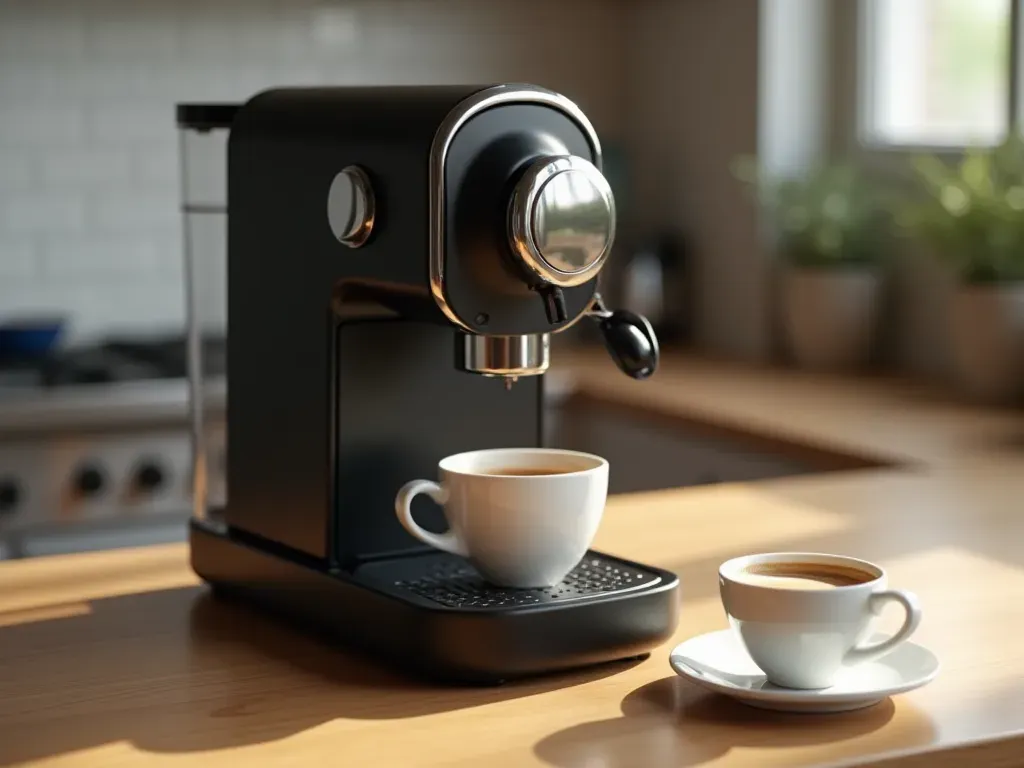
Everyday hot coffee went the other way. Philips and Douwe Egberts launched the Senseo pad machine in 2001, and it turned a cup at home into a fast, routine act: one pad, one button, one mug. That speed is real, but it sits alongside the older, slower practices rather than replacing them.
Read the two together and the Dutch attitude becomes clear. Coffee can be quick and unremarkable at the kitchen counter, or it can be a deliberate, drawn-out thing you serve guests. What it is rarely treated as is a drink to grab in transit and finish standing up.
Common Mistakes Visitors Make
The most common error is treating "koffie?" as loose small talk. It is an invitation with a time attached, and declining it casually or arriving late reads as disinterest in the person, not just the drink. If you accept, turn up when you said you would.
Guests who pour their own second cup, or drift into the kitchen to rinse a mug, cross a line the host did not draw. Wait to be offered a refill, and let the host handle the pot. The same applies to the biscuit tin: it appears when the host decides, not when you spot it.
Visitors also arrive braced for a café menu. When someone offers coffee at home, the real choice is usually coffee or tea, with milk and sugar as the only variables. Asking for a flat white or an oat latte turns a simple gesture into a demand. Take what is poured, say yes to a second cup if it comes, and treat the pause as the point.
Frequently Asked Questions
Is it rude to say no to coffee in the Netherlands?
No, it is not rude to decline coffee, though you will likely be offered tea or something else instead. Coffee or tea is the absolute minimum a Dutch host offers a guest, so refusing politely while accepting an alternative keeps the ritual intact. Simply say no thank you and let your host suggest another drink.
What is the difference between koffietijd and a coffee break at work?
Koffietijd literally means coffee time and refers to the fixed moments, around 10:00 and 15:00, when Dutch people pause for coffee at home or at work. A coffee break at work is simply one setting where koffietijd happens; the term itself describes the shared ritual rather than the workplace alone.
Should I bring something when invited for coffee?
Bringing something small is a kind gesture but not strictly required for a simple coffee invitation. The firmer rule is about timing: the Dutch dislike unannounced visits, so wait for an invitation with a set time and date. A modest token such as biscuits or a pastry is always appreciated.
Why do Dutch hosts serve only one biscuit with coffee?
One biscuit is the customary accompaniment, a small sweet touch rather than a snack to fill you up. Coffee in the Netherlands is a slow social ritual, not a meal, so the focus stays on conversation. Guests often receive exactly one biscuit, and it is fine to accept it as offered.
For the full overview, see understanding dutch coffee habits.
Related in this series: best specialty coffee rotterdam, how to brew dutch coffee.