The coffee bean you bought last week is a genetic impostor
The silent switch in your morning cup
You probably never check the plant variety on your coffee bag. Most of us just look at the origin or the roast level. But that small line of text is actually the most important detail you are ignoring.
A new study just dropped that changes everything. It proves that newer hybrid beans are beating the traditional favorites you know and love.
The biggest experiment in agricultural history
This is not a small test. It involves thirty-two different varieties planted across seventeen countries over eight years.
Researchers from World Coffee Research tracked these plants in real-world conditions. They wanted to see which ones could survive climate change and disease.
The results were published in Scientific Reports. It is the most comprehensive data set we have ever seen for this crop.
Why the old standards are failing
Traditional Arabica plants have a narrow genetic base. They taste great but they are fragile.
A fungus called coffee leaf rust is wiping out crops worldwide. It can destroy up to seventy-five percent of a harvest in bad years.
Farmers are losing their livelihoods because of this. The old varieties simply cannot keep up with the changing climate and evolving pathogens.
The hybrid advantage explained simply
Scientists created F1 hybrids by crossing different parent plants. This creates what we call hybrid vigor.
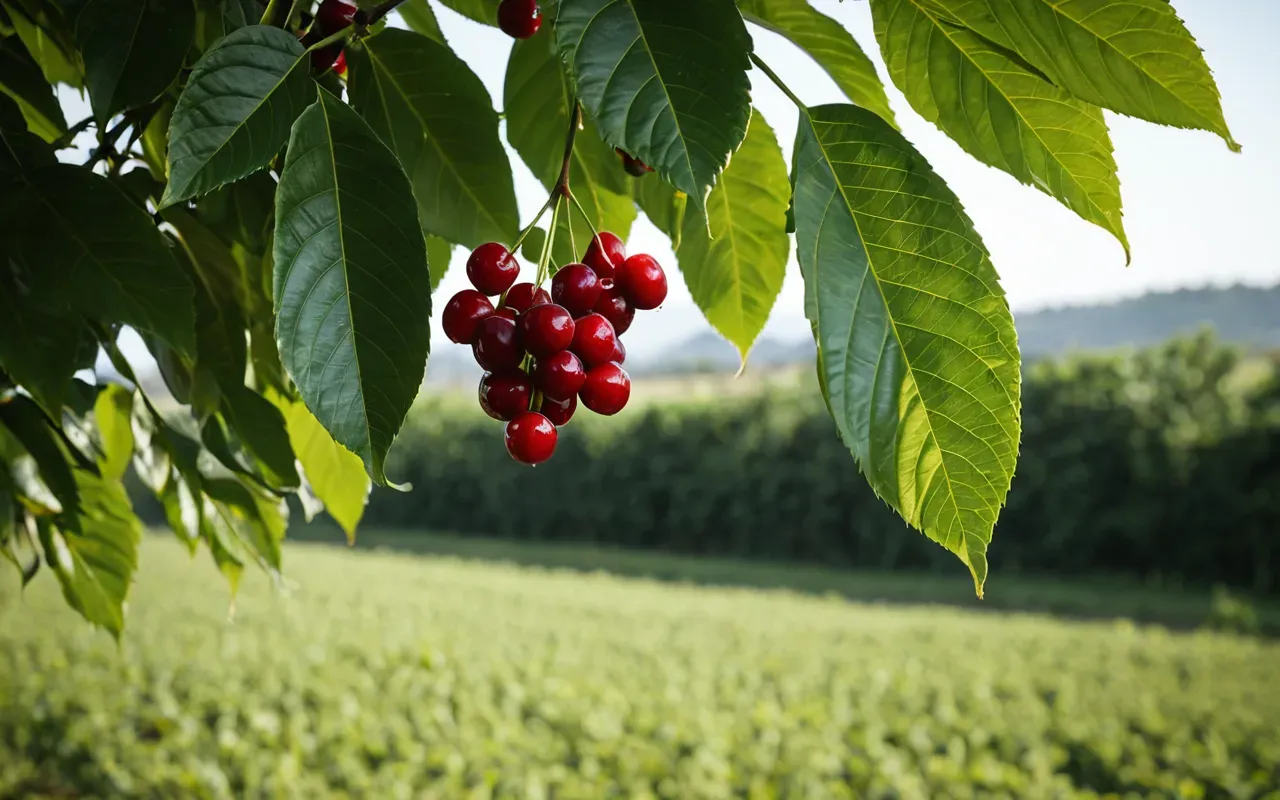
These new plants produce more fruit from a smaller tree. They also resist disease better than the pure Arabica lines.
The winners that will dominate your shelf
Two specific hybrids stood out in the data. They are called H1 Centroamericano and EC16 also known as Mundo Maya.
These plants produced significantly more beans than the standard Caturra and Marsellesa varieties. The difference was nearly fifty percent.
What surprises me is the quality. These high-yield plants also scored well in sensory tests for aroma and flavor.
Breaking the myth of quality versus quantity
For years we believed that high yield meant low flavor. The data proves this is no longer true.
Roasters are now starting to label these new varieties clearly. You will see them more often in specialty shops soon.
What this means for your wallet and taste buds
Stable supply usually leads to stable prices. If farmers lose less crop to disease the market becomes more predictable.
You might notice a shift in flavor profiles as well. The new hybrids bring unique aromatic compounds to the table.
If you enjoy a rich and complex cup this is actually good news. The genetics are working in your favor now.
How to spot the new beans in your local shop
Look for variety names like Starmaya or Parainema on the packaging. These are the new generation of high-performing plants.
Ask your roaster about the source. A good supplier will be happy to explain why they chose these specific hybrids for their blend.
The long game of genetic diversity in agriculture
We saw this play out with bananas. They lost their main variety to fungus and had no backup plan.
Coffee is learning from that mistake. By planting diverse genetics farmers are building a safety net against future shocks.
This is not just science. It is a survival strategy for the entire global supply chain that feeds our daily habit.
Why your Sunday ritual is changing forever
The next time you brew a cup look at the bag differently. You are drinking the result of decades of quiet scientific work.
If you want to understand how these trends affect your local options check out how Amsterdam coffee bars are adapting to these new standards.
The story of your morning cup is much bigger than you think. It involves genetics climate and global trade all wrapped into one simple drink.
Are you ready to taste the difference? The next generation of beans is already making its way into your local roaster's inventory right now.
Final thoughts on the shifting landscape of beans
The data is clear. Hybrid varieties are winning on yield and disease resistance without sacrificing the flavor we love.
This shift will stabilize prices and secure our supply for decades to come. It is a win for farmers roasters and drinkers alike.
So the next time someone tells you that high yield means bad coffee just smile and pour yourself a fresh cup of Mundo Maya.