Why your belief about light roast caffeine is scientifically wrong
The Caffeine Myth That Keeps You Undercaffeinated
You order the dark roast because you want a stronger kick. But that's exactly backwards.
A stubborn myth claims light roasts burn off their caffeine before they hit your cup. I tested that assumption for years in my own kitchen.
The reality is messy and, honestly, frustratingly boring. Caffeine doesn't vanish in the roaster like water.
Dark roast beans are heavier. They lose more mass during that long roasting process.
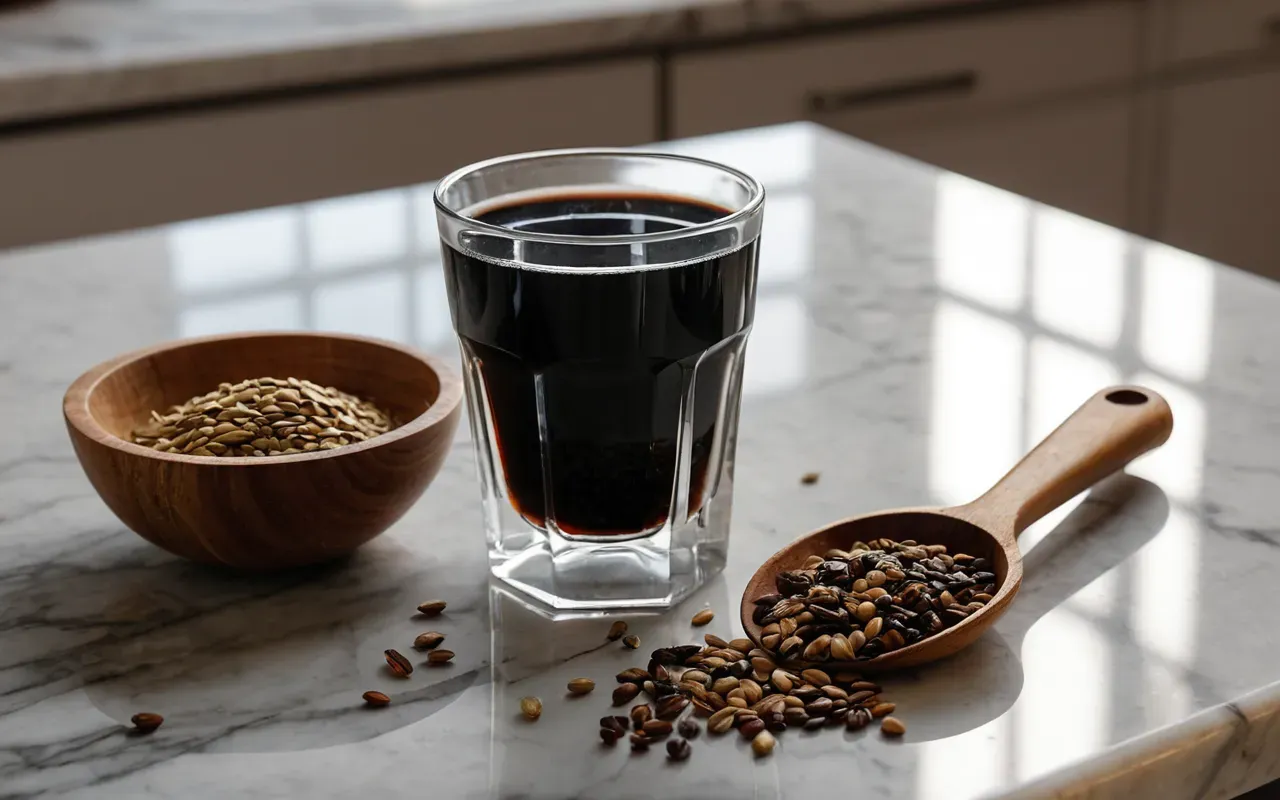
So if you measure your grounds by volume — a scoop — the lighter beans take up more space.
Which means you actually use fewer light roast grounds for a full cup. The difference is tiny, though.
A study from late last year confirmed it. Extraction method matters more than roast color.
Your Beans Are Not Beans At All
Here's the thing. You're drinking fruit juice that has been roasted.
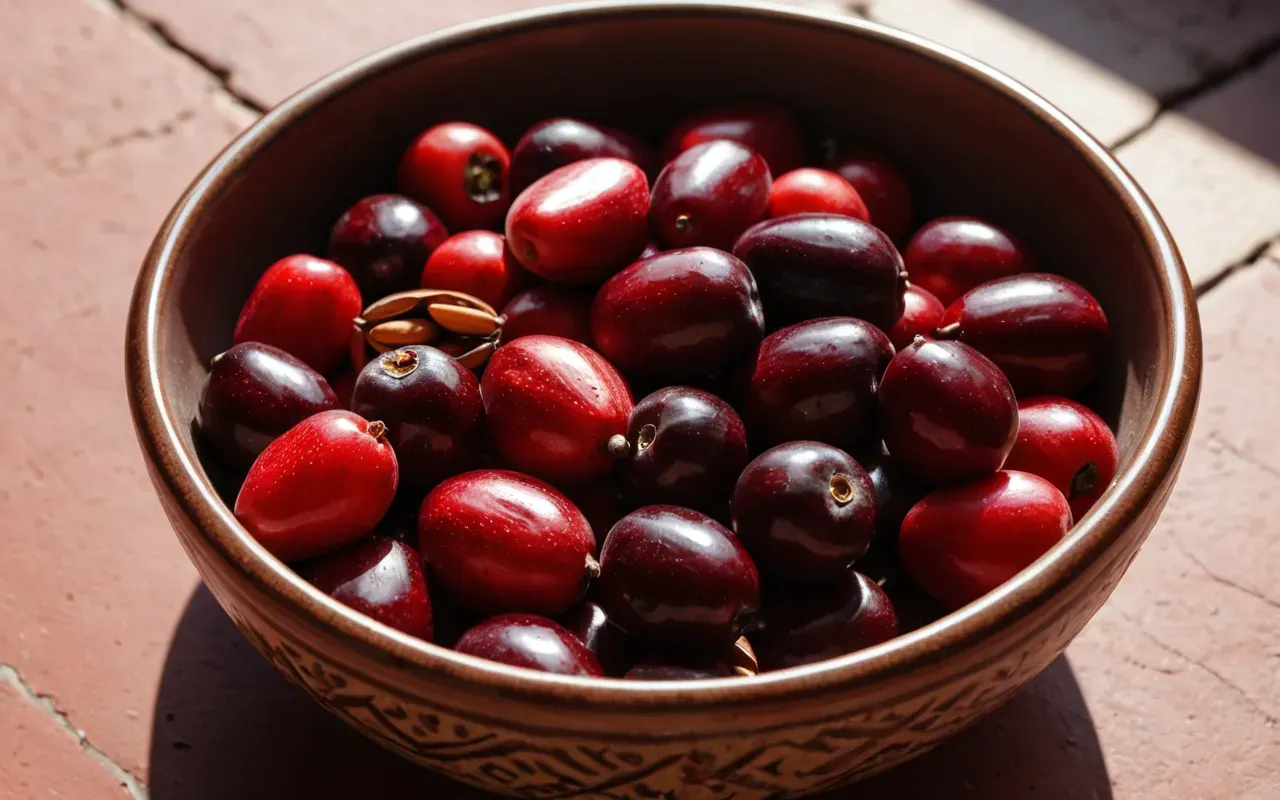
Coffee beans are seeds inside a red cherry. Botanists call them drupes, just like olives or dates.
Most people never see the fruit. Farmers strip it away before we ever buy a bag.
And that matters for flavor. The fruit skin and pulp leave chemical traces on the seed.
Those traces create the sweet notes you taste in a well-brewed cup. It's not just the roast.
I always thought the roast defined the entire flavor. Now I know it's just one layer.
The Goat Story Is Pure Folklore
You've heard the Kaldi tale. A goat eats red berries and starts dancing wildly.
It's a beautiful story. It's also likely complete fiction, with no written proof.
Historians trace documented coffee culture to the fifteenth century in Yemen.
Ethiopia is still the birthplace of the plant. But the dancing goat? Probably a myth.
We love myths because they're easier to tell than dry agricultural facts. It adds romance.
Brazil Still Dominates the Global Supply Chain
Think about your next cup. It likely traveled from a farm in Brazil or Vietnam.
Brazil produces about thirty-five percent of the world's coffee. That's a massive share.
Vietnam comes in second with roughly eighteen percent of the total output. The gap is huge.
When weather hits Brazil, prices spike everywhere. Your local shop feels it immediately.
I watched my local roaster raise prices by ten percent last month. They blamed the weather in Brazil.
Two Species Rule the Entire Market
You only need to know two types. Arabica and Robusta cover ninety-nine percent of sales.
Arabica is smoother. Robusta is bitter and packed with more caffeine by weight.
Most commercial blends use Robusta to cut costs and boost the hit. You're drinking a mix.
If you want purity, look for one hundred percent Arabica bags. The taste difference is real.
Why Your Sunday Ritual Is Actually Safer Than You Think
Old headlines claimed coffee was dangerous. That fear is largely outdated now.
Large studies show drinkers often live longer than non-drinkers. The link is strong.
But correlation is not causation. Coffee might just be a marker of a good lifestyle.
Still, the data is reassuring. You're not slowly poisoning yourself with that morning cup.
The Espresso Machine Was Invented in Stages Not by One Person
We blame one inventor for the espresso machine. That's a simplification.
Angelo Moriondo patented the first steam machine in eighteen eighty-four. It was a start.
Luigi Bezzera improved it in the early nineteen hundreds. Then Desiderio Pavoni commercialized it.
Achille Gaggia perfected the pressure system in nineteen thirty-eight. That created the crema.
Without Gaggia's lever we wouldn't have the thick foam layer on our lattes today. It changed everything.
The Most Expensive Coffee Is Not What You Think
Kopi Luwak gets all the fame. It's made from civet poop and costs a fortune.
But the real record holder is washed Geisha from Panama. It sold for thirty thousand dollars per kilogram.
That's over thirteen thousand dollars a pound. Most people will never taste it in their lifetime.
Kopi Luwak also has serious animal welfare issues. Many farms cage wild civets cruelly to make it.
What This Means for Your Sunday Morning Routine
So does any of this actually change how you drink your coffee? Mostly no. But a little.
Know that dark roast is not weaker in caffeine. Buy Arabica if you want smoothness. Skip the civet coffee.
Enjoy your cup with a bit more context next Sunday. It might make the flavor pop just a little.
Coffee is simple to drink but complex to understand. I love that contradiction in my morning cup.