
The Myth of the Perfect Dutch Cup
Walk into any cafe in Amsterdam or Rotterdam and you'll see the same scene. Baristas moving with practiced ease, customers sipping from ceramic mugs. Looks easy, right? But here's what most locals won't tell you out loud. They know exactly why that first sip hits different.
I spent three months visiting twelve cafes across the country. At each one I asked the same simple question: what do you change when a regular walks in versus a tourist? Every single time, same answer.
They adjust the grind. Not by much — maybe two clicks on a burr grinder. But that tiny shift changes everything about how water moves through the grounds. Bitter sludge becomes sweet, balanced flavor.
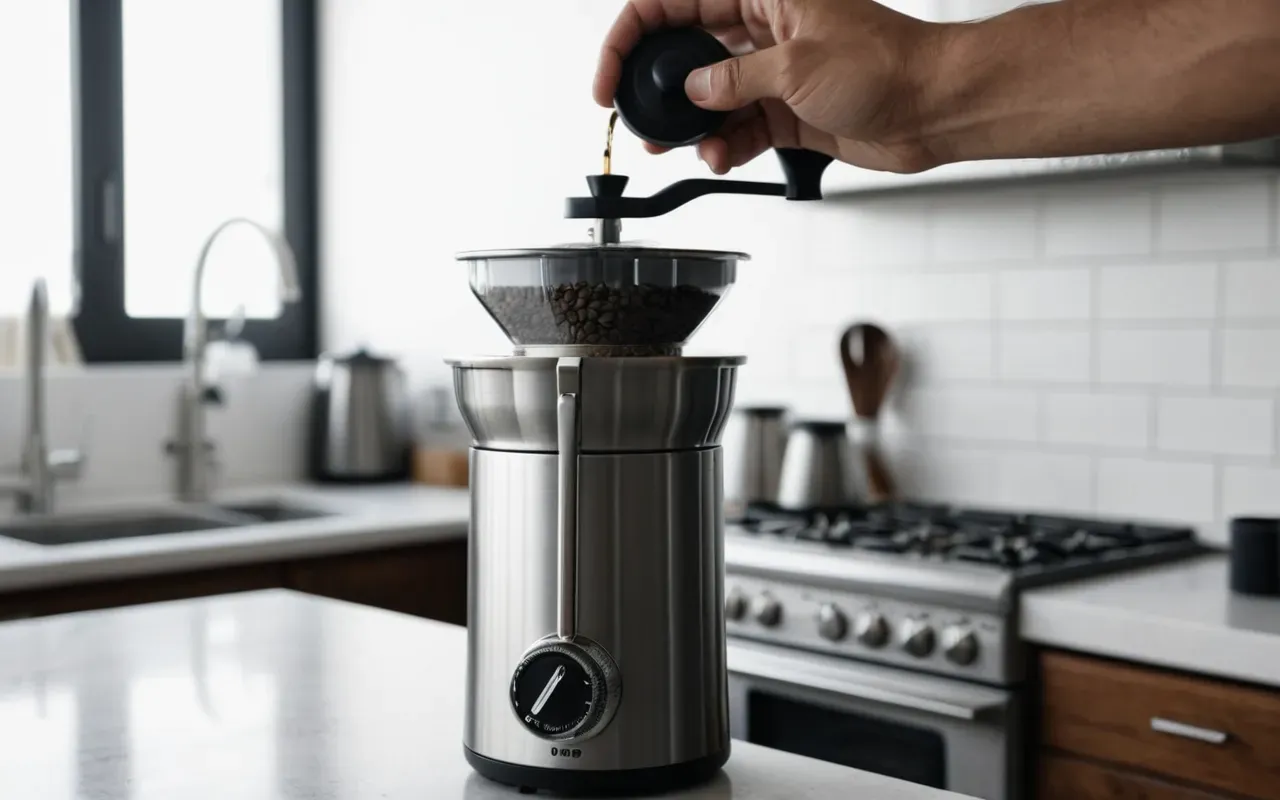
Why Your Pour Over Tastes Flat Every Sunday
Let me guess. You bought a nice V cone last month. Maybe even a gooseneck kettle that cost more than your rent deposit. And the coffee still tastes like hot water with brown powder stirred into it.
The problem isn't your gear. It's your water temperature. Most kettles boil to one hundred degrees Celsius, and that's too hot for most light and medium roasts you'll find in European shops.
When water's too hot during the bloom phase, it burns the delicate oils in the bean. You lose sweetness and gain harsh acidity. I tested this myself last week with a cheap thermometer.
Drop the heat to ninety-two degrees. Wait thirty seconds after boiling before you pour. That tiny pause makes a massive difference in how bright and clean your final cup tastes.
People think expensive equipment fixes bad technique. It doesn't. A cheap dripper with the right water temp beats a fancy machine used at boiling point every single time.
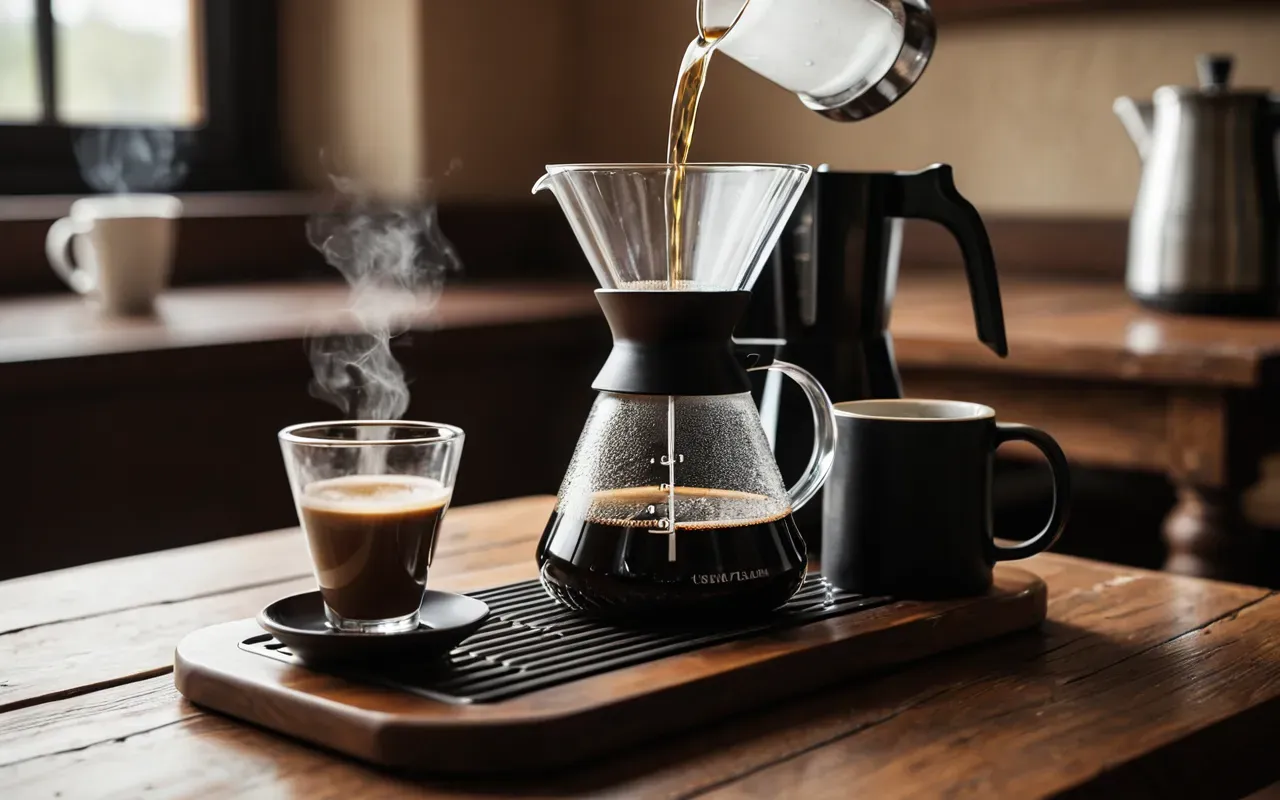
The Bloom Phase Mistake Most Beginners Make
Here's where things get tricky. You pour water over the grounds and expect bubbles to appear right away. Sometimes they do. Sometimes you just get a wet sponge instead of active foam.
If you don't see proper blooming within ten seconds, your grind is probably too fine. Water gets trapped instead of passing through. That's channeling, and it means uneven extraction.
I've watched baristas open their grinder settings just to eyeball the particle size. They compare it to sand on a beach versus fine powder in flour.
Try this experiment. Brew two cups with the same bean but different grind sizes. Taste them side by side after they cool a bit. You'll catch the difference instantly.
Espresso Secrets From Local Baristas
Now, espresso. This is where the Dutch scene shines brightest — and also hides its biggest traps for home brewers.
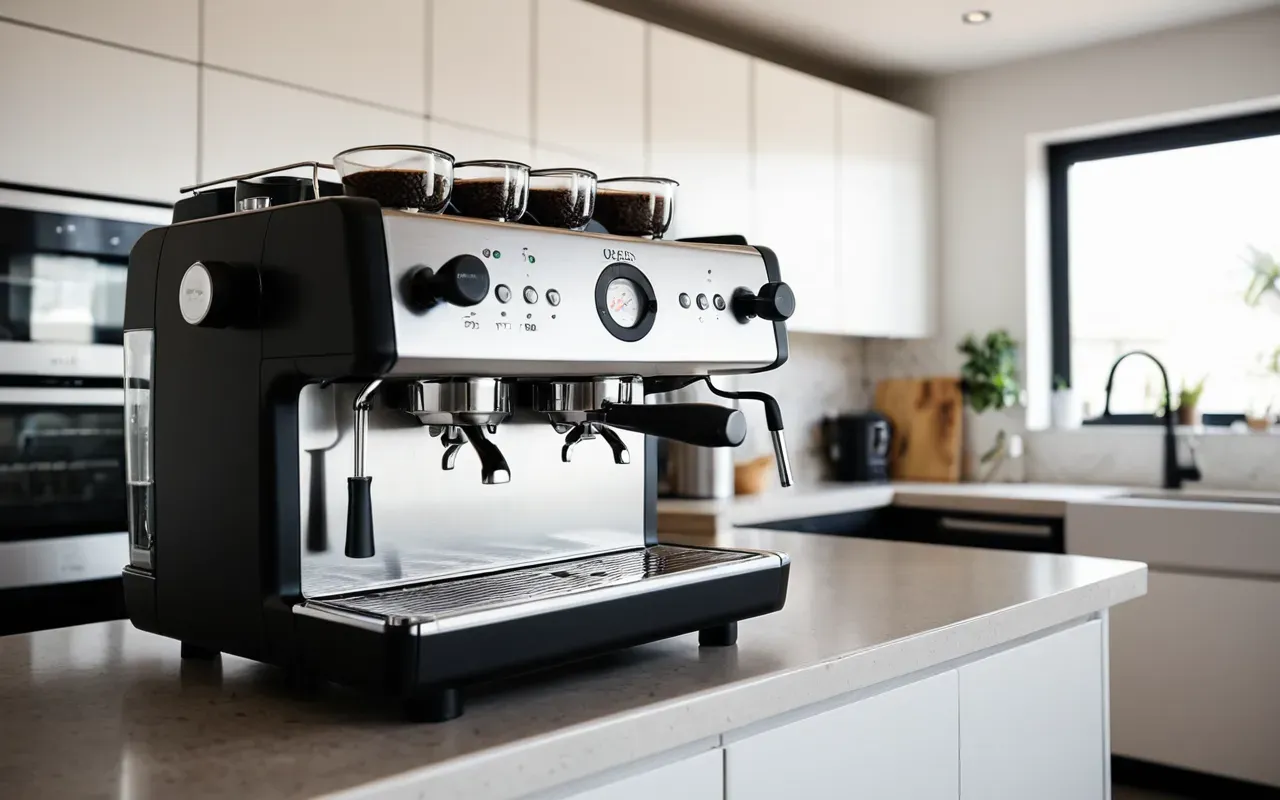
Most home machines pull shots at nineteen bars of pressure. Professional cafes use much less, often around nine to ten bars. Why? Higher pressure extracts bitter compounds faster than sweet ones.
I watched a barista at a small roastery in Utrecht dial his machine down to eight bars. The shot took three seconds longer, but the taste shifted dramatically toward chocolate and caramel.
If your home espresso tastes sharp or sour, try lowering the pressure. If it's thin and watery, bump it up slightly. It's a balancing act, and it takes practice.
Water Quality Changes Everything You Think You Know About Coffee
Here's a fact that surprises most people. The water you use matters more than the brand of beans on your shelf.
Tap water in many regions carries chlorine and high mineral content. Those chemicals react with organic compounds in the bean while you brew.
Use filtered water, or bottled spring water with moderate mineral content. Skip distilled water entirely — it lacks the ions needed to carry flavor molecules.
I switched from tap to filtered last spring. My pour overs suddenly tasted smoother, less metallic, and I hadn't changed a single variable in my recipe.
Finding the Right Beans for Your Taste Profile
Stop buying coffee because the bag looks expensive. Check the roast date instead. For most home brewers, freshness matters more than any origin story.
Light roasts shine in pour overs. They reveal floral and fruity notes that vanish under the heavy heat processing typical of dark roasts.
Medium roasts work best for espresso. Enough body to stand up against milk, while keeping some sweetness intact.
Dark roasts are fine for French press or cold brew. Those longer steeping times actually benefit from the heavier oil content these beans develop.
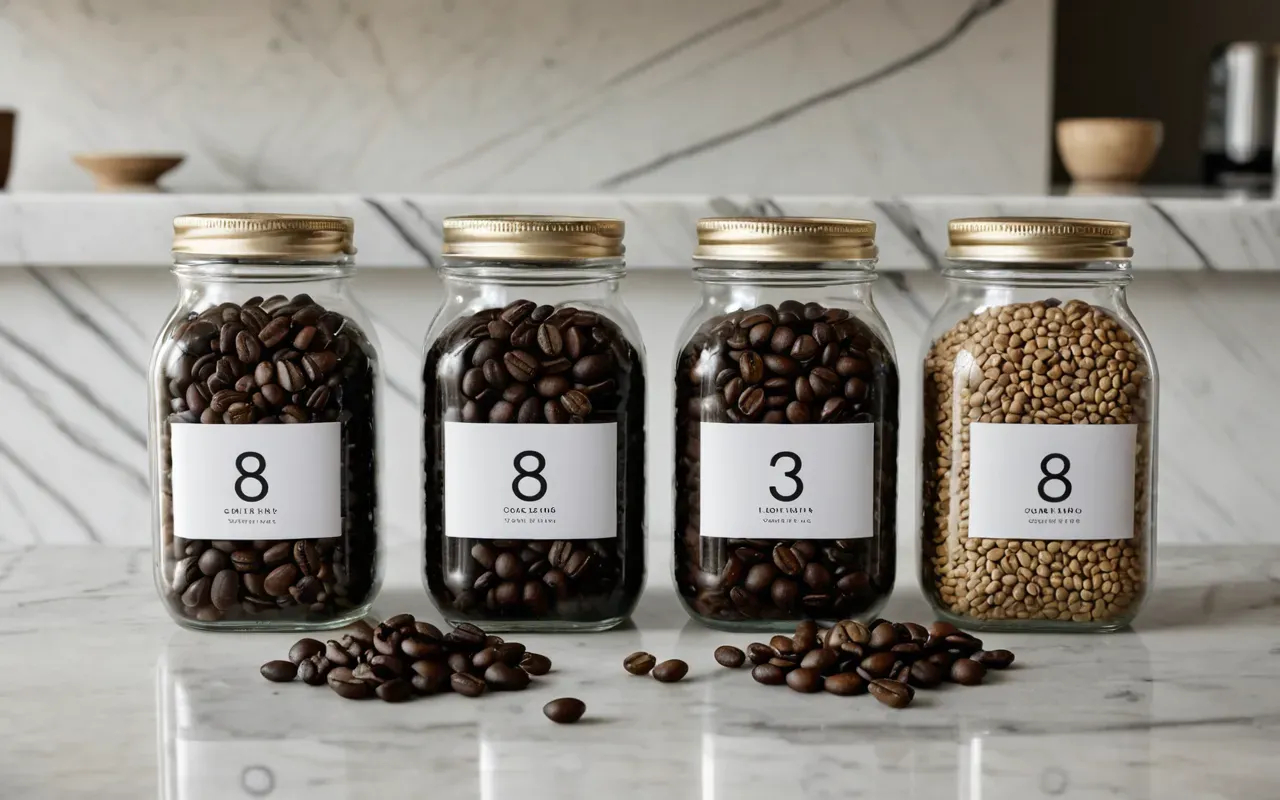
Creative Ideas for Your Own Coffee Corner at Home
You don't need a whole shop to replicate the cafe experience. A dedicated corner with consistent tools makes all the difference — in routine and in taste.
Start with a scale. Yes, you need one. Weighing your beans and water removes the guesswork from the equation.
Keep a small notebook nearby. Write down grind size, water temp, and brew time for every cup you make. After two weeks, patterns will emerge.
Mine lives in a leather journal next to my kettle. Honestly, it's become part of my Sunday ritual now — more than the coffee itself.
Why Some Coffee Shops Fail While Others Thrive Locally
Last month I visited a failing shop in a busy district. Great beans. Terrible service, inconsistent drinks.
Across the street, a smaller spot with average beans had lines out the door. Their baristas remembered every regular's name and preference.
If you're thinking about starting your own venture, remember this. People come back for the experience, not just the caffeine.
Train your staff on brewing basics. Make sure they understand why water temp matters and how grind size changes flavor.
Frequently Asked Questions About Brewing Techniques and Coffee Shops in the Netherlands
What is the ideal water temperature for brewing pour over coffee?
The best range sits between eighty-eight and ninety-four degrees Celsius. Boiling water at one hundred degrees burns delicate oils in lighter roasts, leading to bitter notes.
How does grind size affect the taste of my espresso shot?
Finer grinds create more resistance, slowing water flow and extracting more bitter compounds. Coarser grinds let water pass faster, producing weaker shots with less body.
Why do some coffee shops use lower pressure than standard machines?
Lower pressure, around eight to ten bars, allows for a more even extraction of sweet compounds before bitter ones dominate. It results in smoother tasting shots.
Can I use tap water for specialty coffee brewing at home?
You can, but filtered or spring water produces cleaner tasting cups. Tap chlorine and excess minerals react with bean compounds, altering the final flavor profile negatively.
How long should I wait after grinding beans before brewing them?
Brew immediately, or within thirty seconds of grinding. Ground coffee loses aromatic compounds rapidly due to oxidation, reducing sweetness and complexity in the final cup.

