
The Botanical Lie On Your Coffee Shelf
You probably think there are four main types of coffee. Wrong. That fourth one is a ghost.
For decades, labels have listed Arabica, Robusta, Liberica, and Excelsa side by side, as if they were equals. But botanists reclassified Excelsa back in .
Turns out it's a variety of Liberica. And that little fact changes how you look at the rarest beans on the market today.
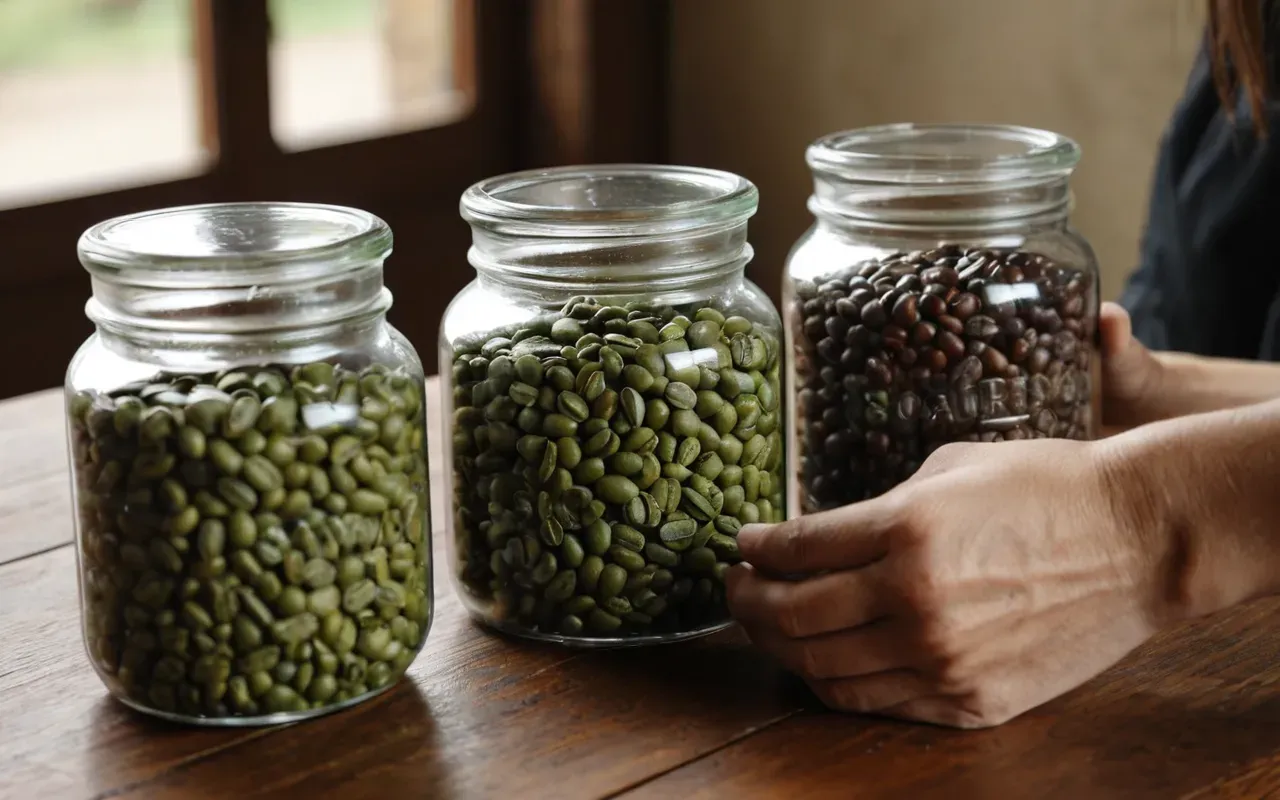
Why The Fourth Bean Is A Ghost
Excelsa was discovered near Lake Chad in the early s. Scientists at the time figured it was its own thing.
Then genetic testing said otherwise. It's just a dwarf form of the massive Liberica tree.
Why does this matter? Because it explains the weird split in Excelsa's character — so different on the tongue, yet carrying Liberica's traits underneath.
The Flavor Profile That Confused Everyone
Excelsa is tart. Fruity acidity, wine-like notes, none of it fitting the usual mold.
It doesn't have Robusta's heavy body or Arabica's sweetness. It sits awkwardly in between.
Drink it on a Sunday morning and the experience is genuinely strange. Feels less like coffee, more like tea.
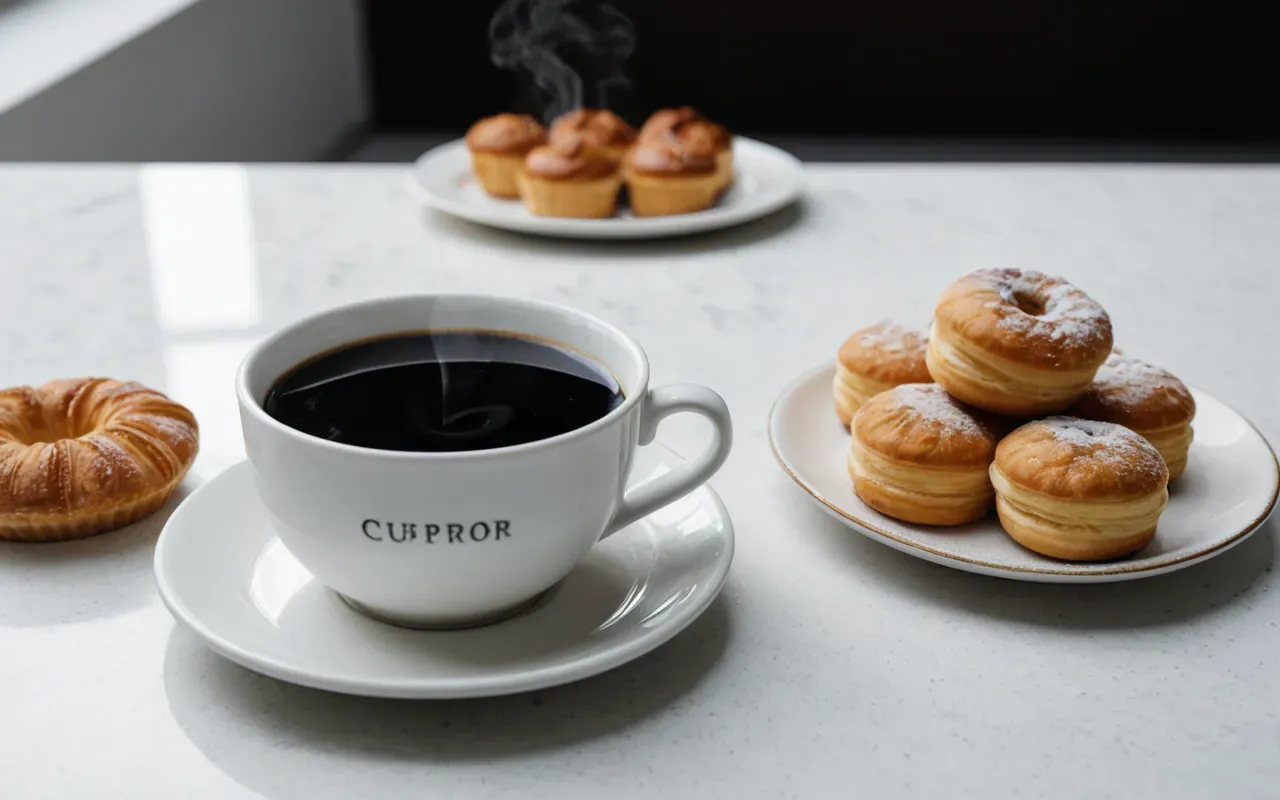
The Practical Impact On Your Sunday Cup
Most specialty roasters avoid Excelsa. Hard to source, expensive to process.
But if you find a bag labeled Excelsa, buy it. The flavor complexity is unlike anything else.
It pairs beautifully with dark chocolate. The tartness cuts right through the richness.
What This Means For The Coffee Industry
That misclassification hid the genetic link to Liberica for a century. Research slowed because of it.
Now we know better — and Excelsa is climate resilient. It thrives where Arabica struggles in heat.
Farmers are planting more of these dwarf trees. Smart move for future supply.
The Rise Of Climate Resilient Varieties
Rising temperatures threaten high-altitude Arabica farms. Excelsa offers a viable alternative.
It grows at lower altitudes. That expands the geographic range of viable coffee production.
How To Identify Authentic Excelsa Beans
Look for small, elongated seeds. They're distinct from the rounder Liberica cherries.
Check the label for origin. Vietnam and the Philippines are common sources.
Tasting Notes To Expect In The Cup
Expect floral aromas. Jasmine and citrus are common descriptors in professional reviews.
The finish is often described as wine-like. This unique trait sets it apart from all others.
If you enjoy this complexity, try fixing your extraction technique to highlight these subtle notes.
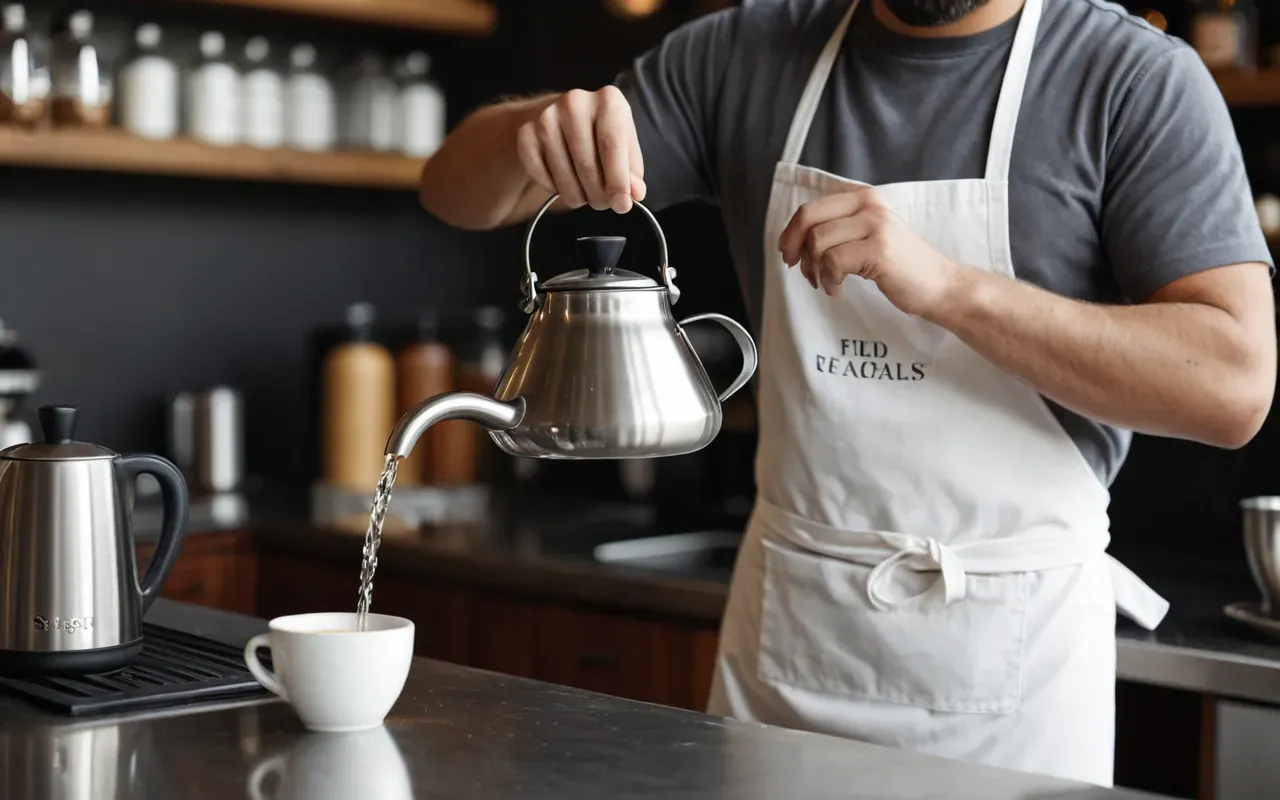
Brewing Methods That Enhance The Flavor
Pour-over is ideal. It lets the delicate acidity shine without masking it with oils.
Avoid espresso. The high pressure crushes the subtle floral notes and creates bitterness.
Cold brew also works well. It smooths out the tarty edge and leaves a sweet finish.
The Hidden Cost Of Mislabeling Coffee Beans
Misleading labels confuse consumers. They think they're buying a unique species when it is not.
This hampers education. People do not learn the true diversity of the Coffea genus.
Regulatory bodies have not updated their standards. This allows the myth to persist in retail.
What You Should Know Before Buying
Read the fine print. If it says Excelsa, ask about the processing method and origin.
Compare it to Liberica. The flavor profiles are similar but the body is lighter in Excelsa.
If you are struggling with bitterness in your daily cup, check out solutions for bitter coffee before blaming the bean.
The Future Of Coffee Taxonomy And Taste
Science will continue to refine our understanding. New varieties may be reclassified soon.
Taste will remain the ultimate judge. The cup tells a story that DNA cannot fully capture.
Stay curious. The world of coffee is deeper and stranger than most people realize.
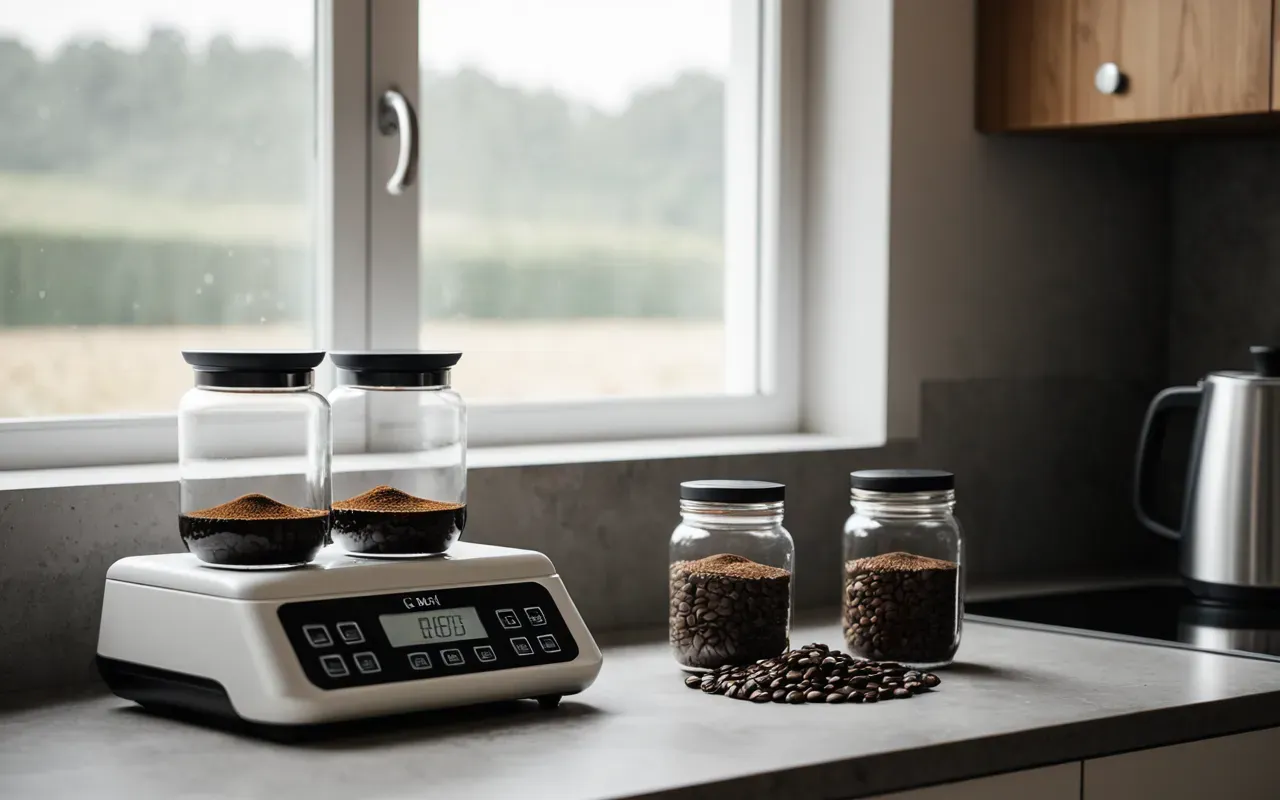
How To Support Ethical Coffee Sourcing
Buy from roasters who disclose their supply chain. Transparency is key to quality.
Look for certifications that guarantee fair wages for farmers. This ensures sustainability.
If you are new to finding local spots, try locating nearby cafes that prioritize these values.
Final Thoughts On The Fourth Bean Mystery
The fourth bean is not a separate species. It is a variety of Liberica with its own charm.
Knowing this changes how you perceive your cup. It adds depth to the experience.
Next Sunday, try a different bean. The truth is in the taste and the history.
Stay informed. Do not let marketing labels define your understanding of the plant.

