
The Search For A Better Cup Is Actually Wrong
You type those words into your phone. You expect a map pin and a rating. But the algorithm hands you what's popular — not what's good. I've watched friends burn entire afternoons standing in line for a milk drink that turned out painfully average.
The real problem? We treat coffee like a commodity. It isn't. That barista tucked on a quiet side street usually knows their beans better than the giant chain squatting on the main square. The difference comes down to intent.
So why do we keep searching for a coffeeshop in de buurt using the same tired methods? Because convenience feels safer than curiosity. But if you actually want the best cup, you have to change how you look.
Why The Nearest Spot Is Rarely The Best One
Proximity is a trap. We assume the closest place must be the easiest, and therefore the best. In practice, that's just not true.
I once spent a week testing five cafes within two kilometers of my home. The closest one had stale grounds and burnt crema. Shocking, honestly — such poor quality right on my doorstep.
The one that tasted amazing was four blocks away. Tiny queue, no big sign. You have to be willing to walk a little more if flavor actually matters to you.
The Local Habits That Actually Matter
Look at who's standing in line. If it's full of people staring at laptops while they wait for a latte, that tells you something about the vibe and the speed.
But if people are chatting with each other, or talking to the barista, you've found a community hub. That social glue is rare, and it's valuable.
I've noticed that places with high foot traffic often compromise on quality just to keep up. Baristas rush. Milk gets steamed too hot. It becomes a production line.
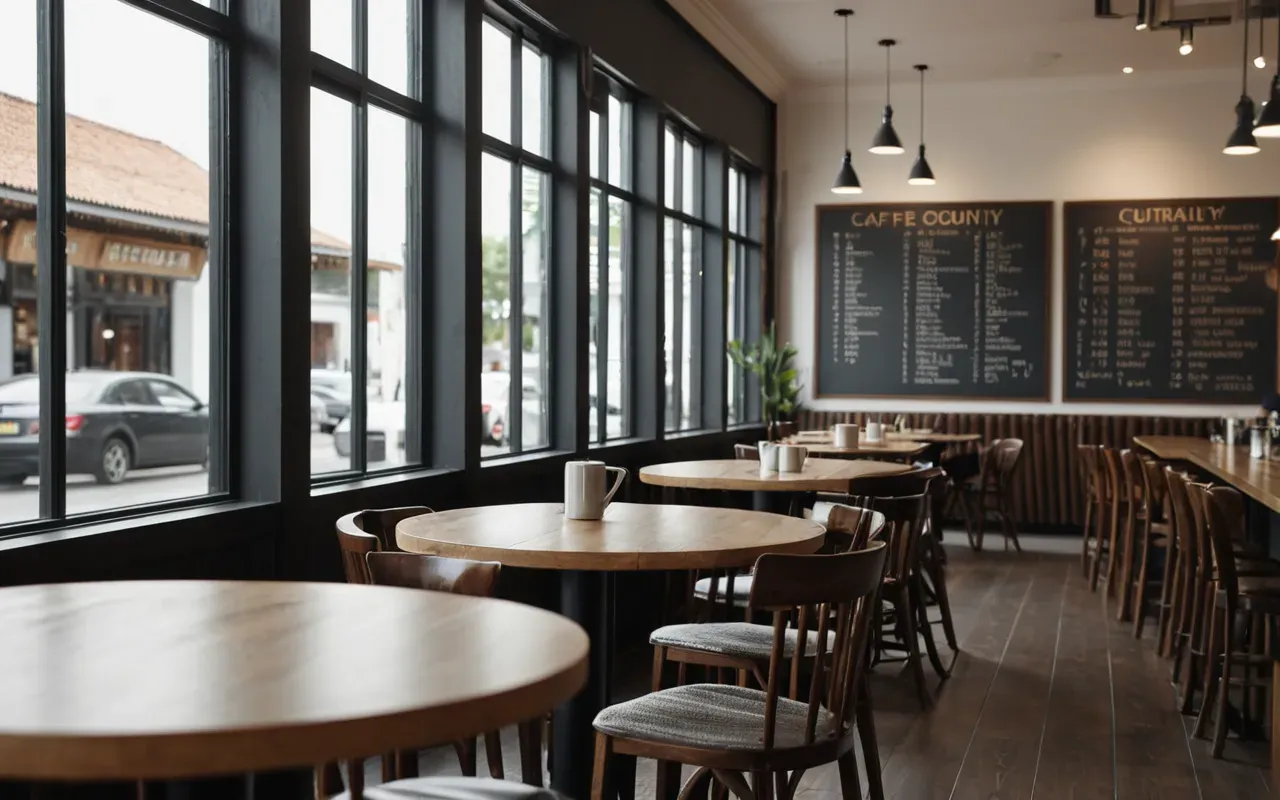
Reading The Room Like A Pro
Check the equipment. A commercial machine that looks well maintained and clean is a good sign. Grease spots or chipped knobs? Red flags.
Listen to the grinder. A fresh grind sounds loud and consistent. Silent or intermittent? They're probably using pre-ground beans from last week.
You don't need to be an expert to notice these things. Your ears and eyes beat any app rating system.
The Roasting Secrets Behind Great Coffee
Most people think dark roast is stronger. Myth. Dark roasting burns off the delicate flavors of the bean and leaves behind nothing but bitterness.
Light to medium roasts preserve the origin characteristics. You taste fruit notes, floral hints. That's where the real complexity lives.
If a shop only offers one dark blend, they're probably hiding poor quality beans. The roast level is the clearest indicator of their confidence in the product.
I always ask about the roast date. Fresh beans taste alive. Stale ones taste like cardboard dust.
How To Spot Freshness At A Glance
Look for a bag with a one-way valve. It lets gases escape without letting oxygen in. No valve means the beans are likely old.
Smell the bag if you can. Fresh beans have a strong aroma that sticks to your nose for minutes after opening.
If the smell is faint or sour, put it back. Your palate will thank you later.
Brewing Methods That Change The Whole Experience
Espresso isn't just strong coffee. It's a specific extraction method under high pressure.
Pour over coffee highlights the acidity and sweetness of the bean. A cleaner cup, but it takes more skill to get right.
French press gives you a full-bodied drink with the oils intact. Some people love it. Others find it too gritty.
The method you choose should match your mood. Espresso for energy and focus. Pour over for a slow morning ritual.
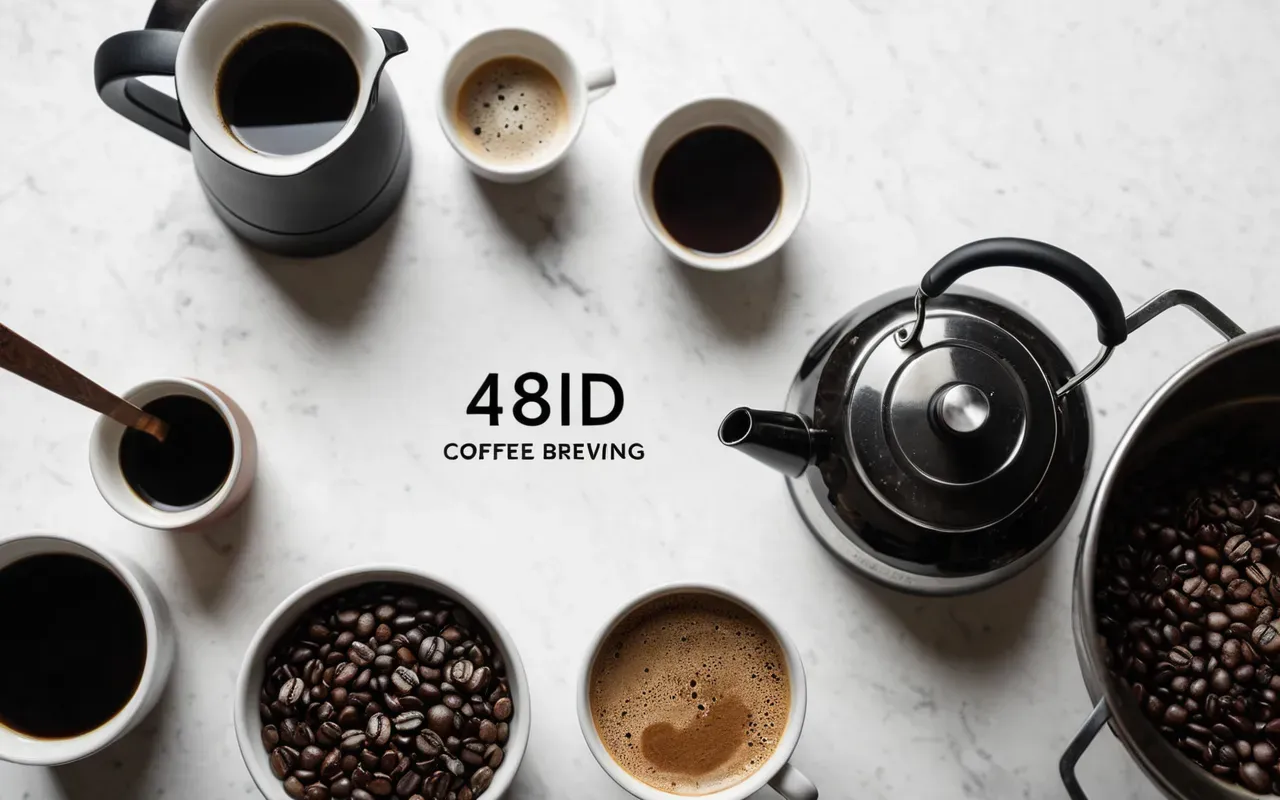
Why Your Pour Over Might Be Failing You
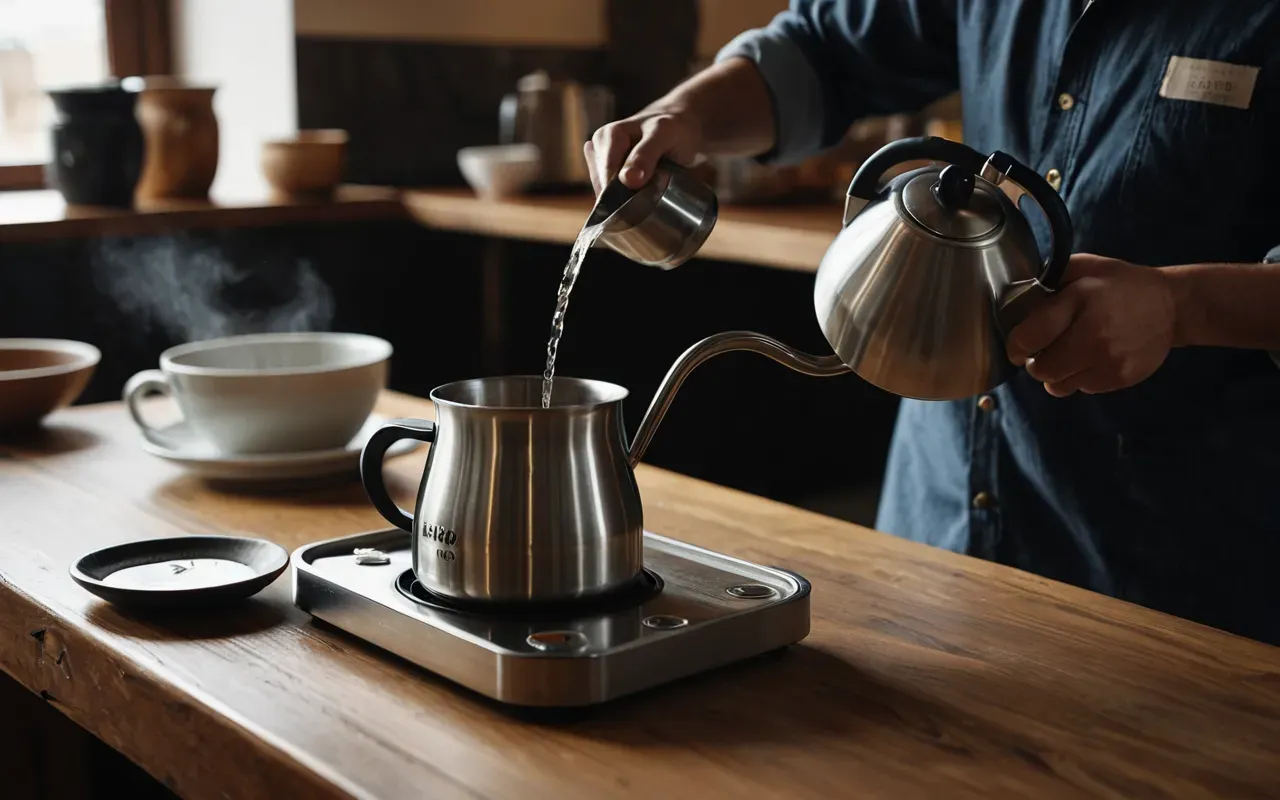
Water temperature is everything. Boiling water burns the grounds and creates a harsh taste.
Aim for around ninety degrees. Let the kettle sit for a minute after boiling before you pour.
Grind size matters too. Too fine and the water slows down. Too coarse and it passes through too fast.
It's a balancing act. Practice makes perfect in this craft.
The Hidden Costs Of Convenience Coffee
We think we save time by grabbing a quick cup from a chain. But the cost adds up fast — both in money and health.
Chain cafes use pre-ground beans that have been sitting in warehouses for months. You're paying premium prices for stale product.
Local roasters buy directly from farmers. This supports a better supply chain and tastes fresher.
When you drink unfiltered coffee, you keep the oils in your cup. Some people prefer this while others avoid it due to health concerns.
Calculating Your Real Monthly Spend
If you buy two lattes a day for five days a week, that's ten cups. At four euros each, it adds up to over eighty euros a month.
Buying beans from a local roaster costs about the same for twenty cups. You get better quality and support local business.
The math is simple. The taste difference is massive.
How To Start Your Own Coffee Adventure
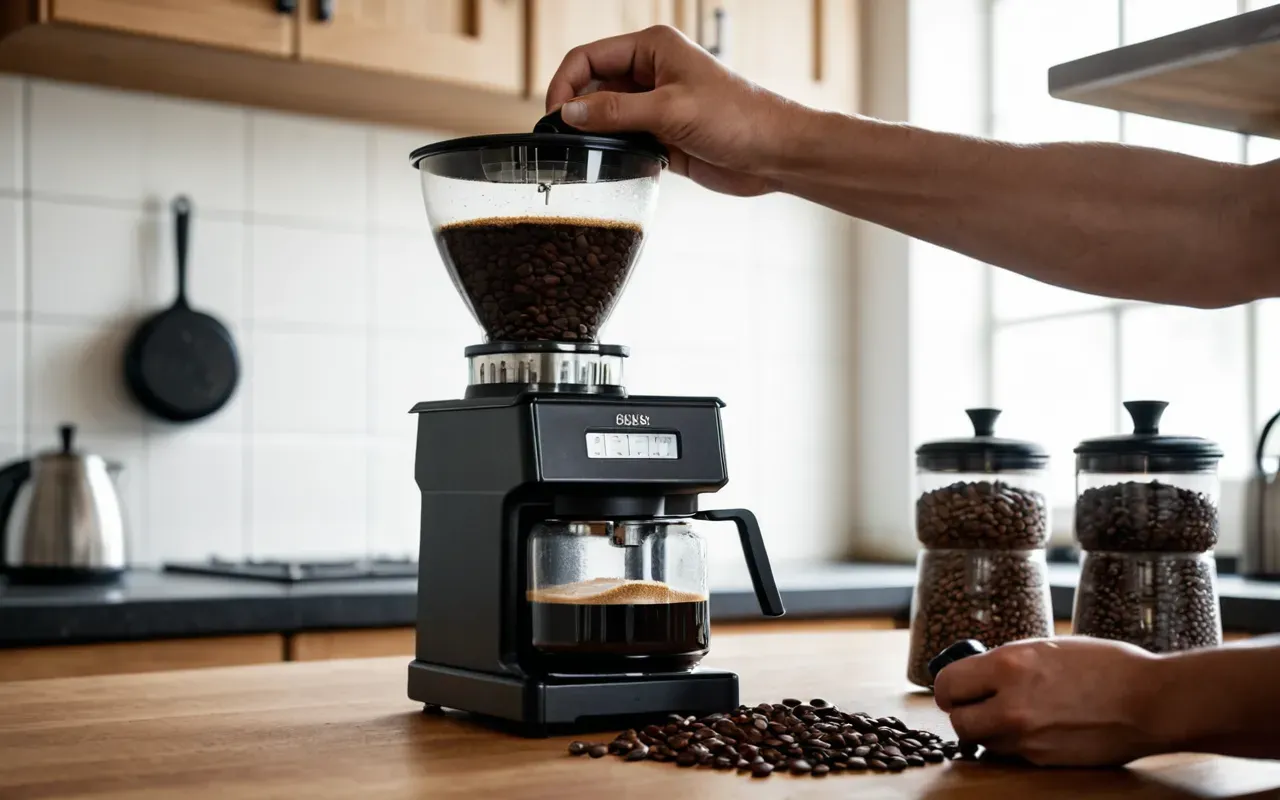
You don't need expensive gear to start. A simple drip machine and fresh beans are enough.
Focus on the beans first. Upgrade your gear later, when you actually know what flavors you like.
Visit local roasters and ask for samples. Most shops will happily let you taste before you buy.
It's a low risk way to learn. And it supports the local economy directly.
Choosing Your First Bean Profile
Start with a medium roast Arabica. It's forgiving and tastes sweet without being too acidic.
Avoid blends with Robusta if you dislike bitterness. Arabica is generally smoother and more complex.
Try different origins. Ethiopian beans have floral notes while Colombian ones are nutty and balanced.
Your taste is personal. There's no wrong choice here at all.
The Social Side Of Finding A Good Spot
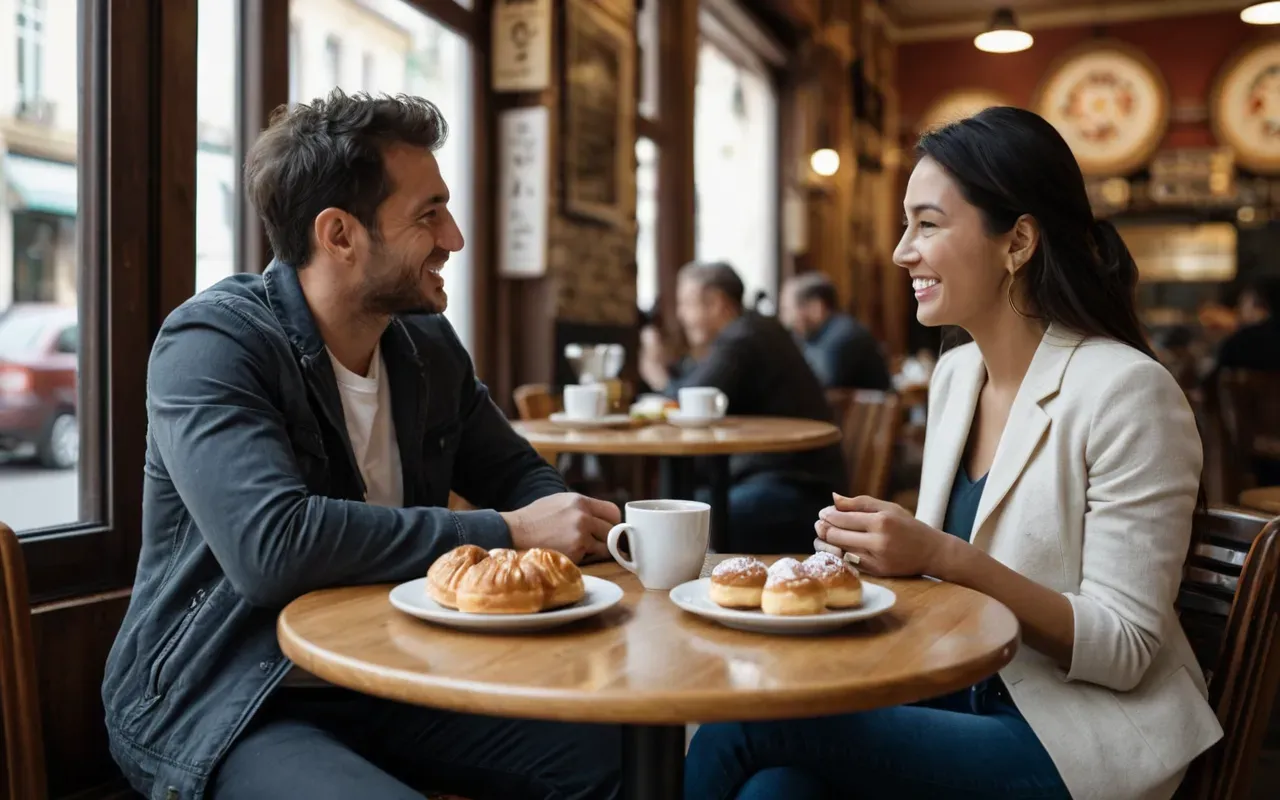
Coffee is a social lubricant. The right place makes conversation flow naturally.
A noisy cafe with bad acoustics kills the mood. A quiet corner with soft music invites deeper talk.
I've had some of my best conversations in small cafes where the seating is close and cozy.
Think about who you're with. A business meeting needs a different vibe than a date or a family catch up.
Reading The Energy Of A Room
Observe the body language of other customers. Relaxed shoulders and eye contact mean they're comfortable.
If everyone looks stressed or rushed, you might feel that tension too. It's contagious.
Choose a place where you can relax and be yourself. That's the real test.
Common Mistakes People Make When Searching
Trusting star ratings blindly is the biggest error. Five stars can mean great food — or just fast service.
Another mistake is ignoring the menu. If they only offer three drink options, their quality might be limited.
Don't assume expensive means better. I've found amazing cups in places with modest prices.
Finally, don't be afraid to try new places. Your favorite might be waiting around the corner.
What The Menu Actually Tells You
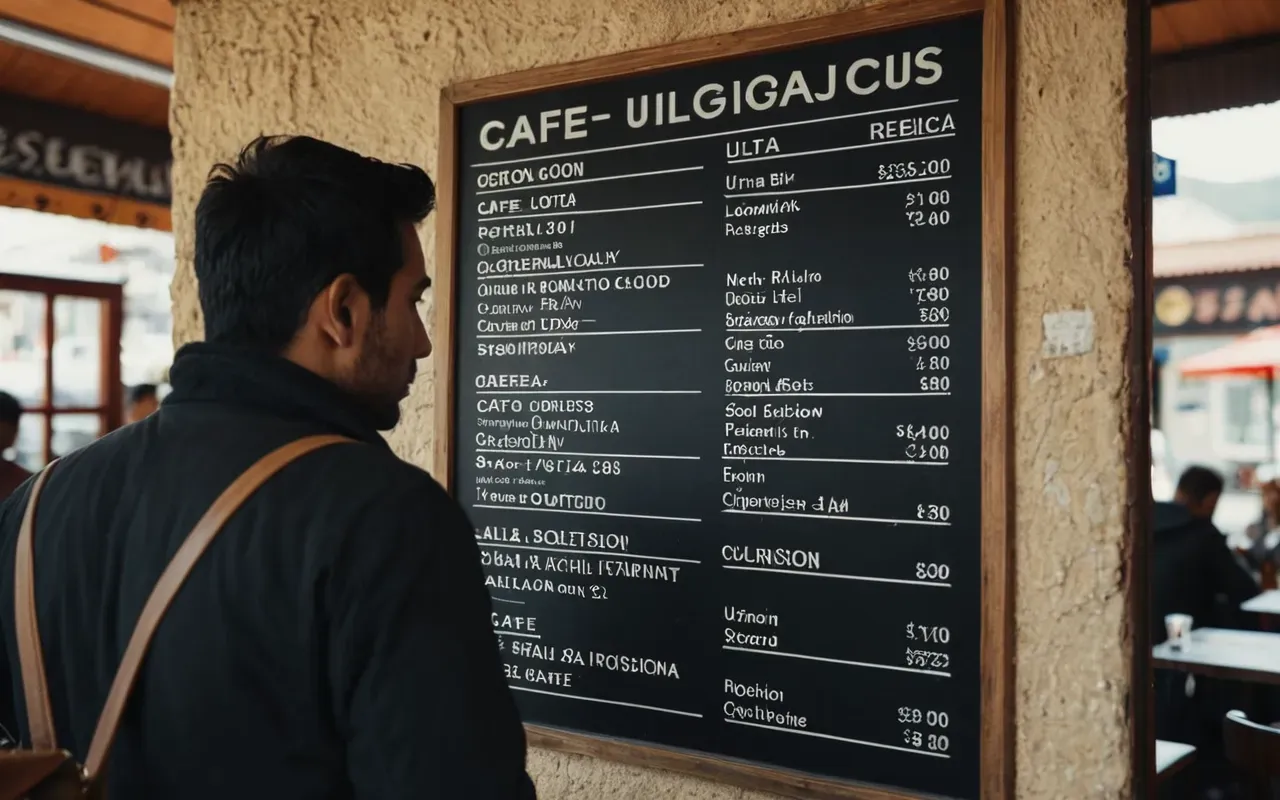
A long list of exotic drinks often means they aren't specialized. A short, focused menu suggests expertise.
Look for notes on the beans. Origin and roast level show transparency.
If they hide the source of their beans, that's a warning sign. Walk away.
Honesty in the menu reflects honesty in the product itself.
The Future Of Local Coffee Culture
We're seeing a shift toward sustainability. More cafes use compostable cups and local milk.
Community events are popping up everywhere lately. Tasting sessions, latte art workshops — people show up.
The model of coffee companies is shifting, because consumers want more transparency and better quality.
Honestly, that's a good thing for anyone who cares about good coffee and fair practices.
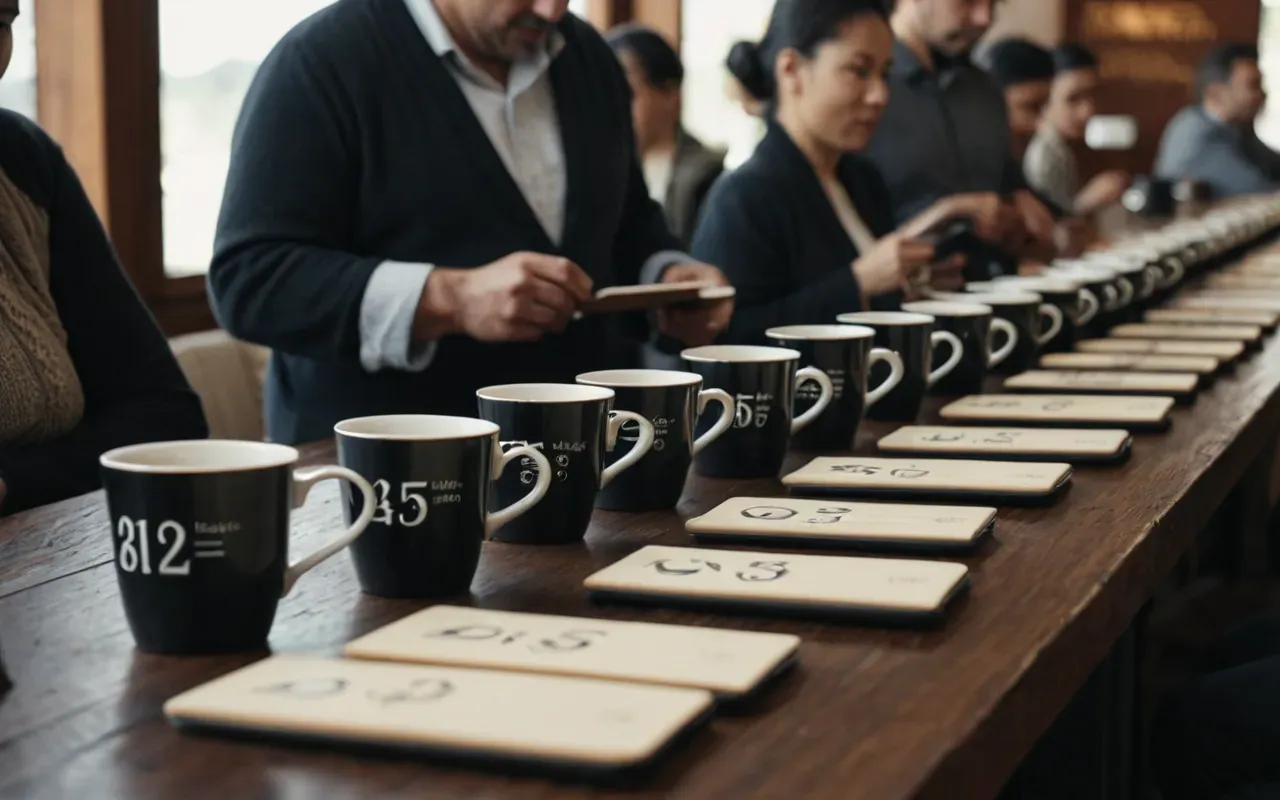
How To Participate In These Events
Check local social media pages for announcements. Plenty of cafes post about upcoming tastings there.
Bring a notebook and jot down your impressions. It helps you remember what you actually liked.
And stay open to trying new things. You might stumble onto a favorite you never saw coming.
These events are the best way to learn from experts in a relaxed setting.
Frequently Asked Questions
What is the best way to find a good coffee shop nearby?
Look for fresh beans and clean equipment. Check the roast date on bags if visible. Watch how customers behave to gauge the atmosphere. Skip places with long lines of stressed people.
Why do star ratings not always reflect coffee quality?
Ratings often measure service speed or price, not taste. A five star cafe might have average coffee but excellent pastry and fast staff.
How can I tell if coffee beans are fresh?
Check the roast date on the bag. Fresh beans smell strong and look glossy. Stale beans are dull in color and barely smell like anything.

