
The Surprising Flip in Coffee Science
For decades, doctors told us to cut back. Now the American Heart Association says otherwise. Five cups a day? Turns out that's good for your heart.
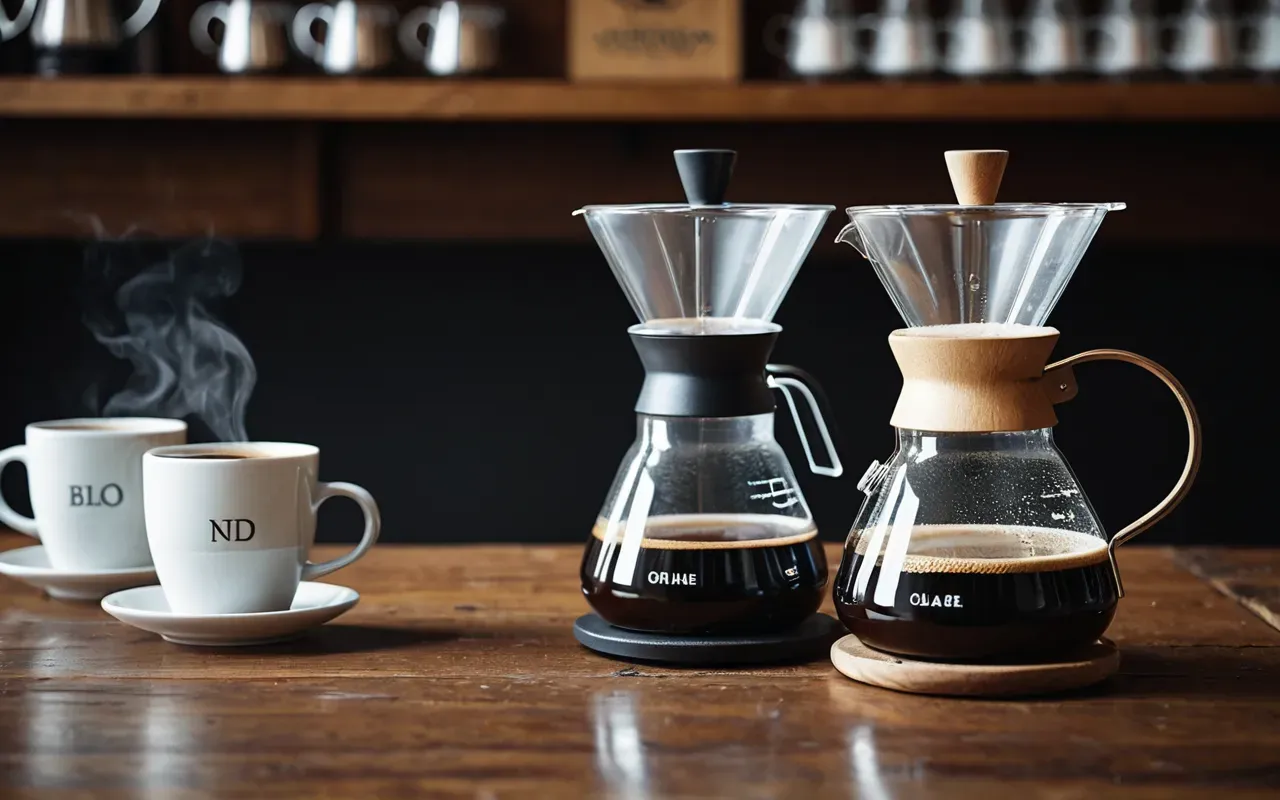
Here's the catch nobody mentions. The benefit depends entirely on how you brew it. A simple pour-over saves your arteries. A French press might quietly ruin them.
I was struck by this contrast while reading the new study. It feels counterintuitive to love coffee yet fear your morning cup. The difference lies in a single compound.
Why Your Brewing Gear Matters More Than You Think
Cafestol is the villain here. It's an oil found in coffee beans that your body processes differently based on filtration. Paper filters trap it completely.
Unfiltered methods let it slip through. Espresso, Turkish coffee, and French press all keep this oil in your cup. That sounds harmless until you check the cholesterol data.
This is exactly what we wrote about in our article on how unfiltered coffee affects lipids. The science is consistent and somewhat alarming for heavy users.
The Cholesterol Trap in Your Kitchen
Think about your Sunday morning routine. Do you use a metal mesh press? If so, you are ingesting significantly more cafestol than someone using a V cone.
The FDA recommends up to milligrams of caffeine daily. That's roughly two or three large cups. But the lipid risk ignores this limit entirely.
You can hit the caffeine cap and still spike your LDL levels. The filter type is the variable that controls this specific health outcome.
The Heart Health Data That Changes the Narrative
Drinking three to five cups of black coffee lowers risk for stroke and heart failure. This is the headline most people see. They miss the nuance about rhythm disorders.
High caffeine intake can cause irregular heart rhythms. This happens even in people with no other risk factors. Your body reacts differently to stimulants.
Energy drinks are a separate beast entirely. One shot contains up to milligrams of caffeine plus other ingredients that speed absorption. That is a dangerous mix.
What This Means for Your Sunday Ritual
If you love your morning brew, do not panic. Just check your filter. Switching to a paper-based method keeps the antioxidants and drops the lipid risk.
We covered this in our post on how that sixth cup affects your body. Moderation is key, but so is method.
Consider your genetics too. Some people metabolize caffeine slowly. For them, even two cups might feel like five. Listen to your heart rate and sleep quality.
Practical Tips for a Safer Cup
Start your day with one cup of filtered black coffee. Wait thirty minutes before eating. This helps manage blood sugar spikes and keeps you alert without the crash.
If you crave the richness of espresso, limit it to one serving. The cafestol content is high in concentrated shots. Balance it with a green tea later for antioxidants.
The Hidden Risks in Sweetened and Flavored Coffees
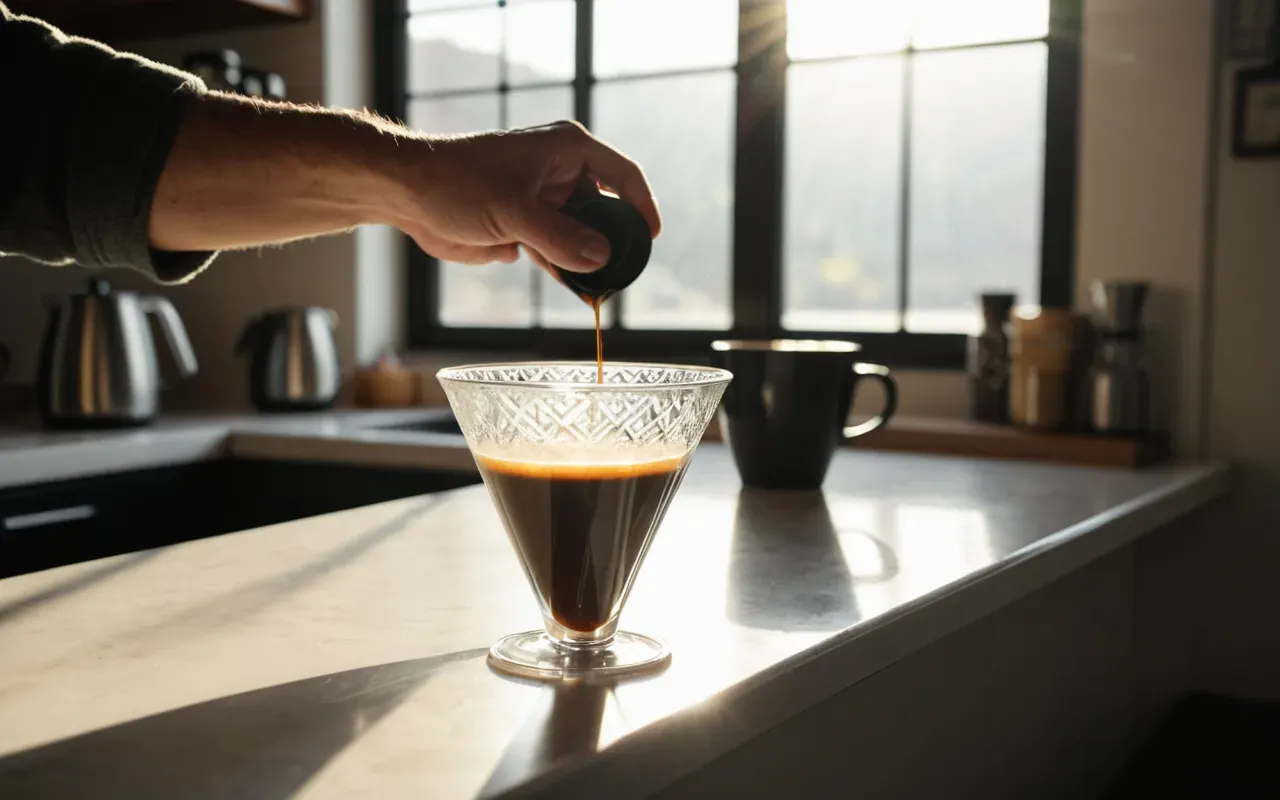
Adding milk and syrups changes the game entirely. The health benefits of black coffee diminish when you add sugar. You are now drinking a dessert beverage.
Flavored syrups often contain high fructose corn syrup. This adds calories without the nutrient profile of pure beans. Your heart does not thank you for this swap.
If you need sweetness, try a small amount of honey or cinnamon. These options add flavor without the metabolic hit of refined sugars in your daily habit.
Why This Changes More Than Just Your Morning Cup
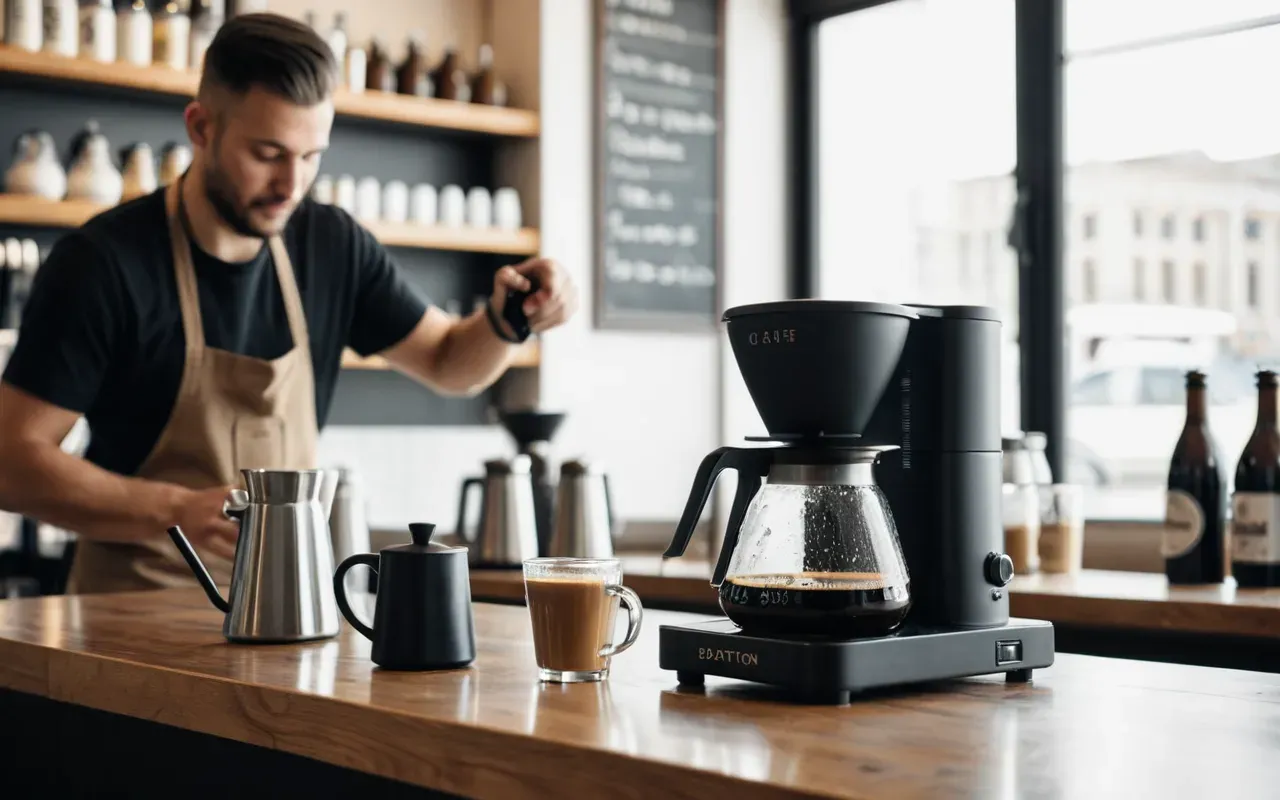
This research impacts more than just your personal health. It changes how cafes market their products. The rise of filter-only menus is a direct response to this data.
We see this in our guide on how coffee culture is shifting. Consumers are becoming more aware of what they ingest.
Baristas now offer decaf options and filtered alternatives as standard. The industry is adapting to the new science of heart-healthy coffee consumption.
The Future of Coffee Health Standards
Expect to see more transparency in the coming years. Labels might start showing cafestol levels alongside caffeine content for informed consumer choice.
This shift benefits everyone from the casual drinker to the professional athlete. Understanding your coffee is a skill that pays off in long-term health.
Final Thoughts on Your Coffee Choices
The science is clear. Filtered black coffee in moderation supports heart health. Unfiltered methods carry a hidden lipid risk that many ignore.
Make the switch today. Your arteries will thank you later. Enjoy your next cup with confidence and knowledge of what is inside.
