
The Book That Promises Paradise but Hides the Truth
I picked up a glossy new book last Tuesday. It claimed to list the best coffee shops you must visit before your life ends. The pages were thick with photos of steam rising from ceramic cups.
But I closed it after three pages. Why? Because the book sells a fantasy of destination without teaching you how to taste what is actually in front of you.
We are sold a list. We are not sold the skill. And that is where your Sunday morning usually goes to die quietly.

Why Your Current Favorite Spot Might Be Serving You a Lie
Let’s talk about the bitter lie. You walk into your favorite spot. The music is lo-fi and calming. The barista knows your name.
You pay four euros for a flat white. You take the first sip and feel that familiar dullness on your tongue.
If you have ever wondered why your local coffeeshop is probably serving you a bitter lie, it starts with the beans. Not the milk.
Most commercial shops use a dark roast that masks defects with heavy bitterness. It feels like drinking burnt cardboard.
The Flavor Profile You Are Missing Out On
Real specialty coffee tastes of berries. Or stone fruits. Sometimes even floral notes like jasmine or lavender.
If you cannot taste these things in your current cup, the problem is not your palate. It is the product.
The Four Forgotten Beans That Change Everything Instantly
You do not need a five-hundred-dollar machine to taste the difference. You need the right origin.
I tested four specific origins last month. Here is what happened when I swapped my usual blend for a single-ethiopian lot.
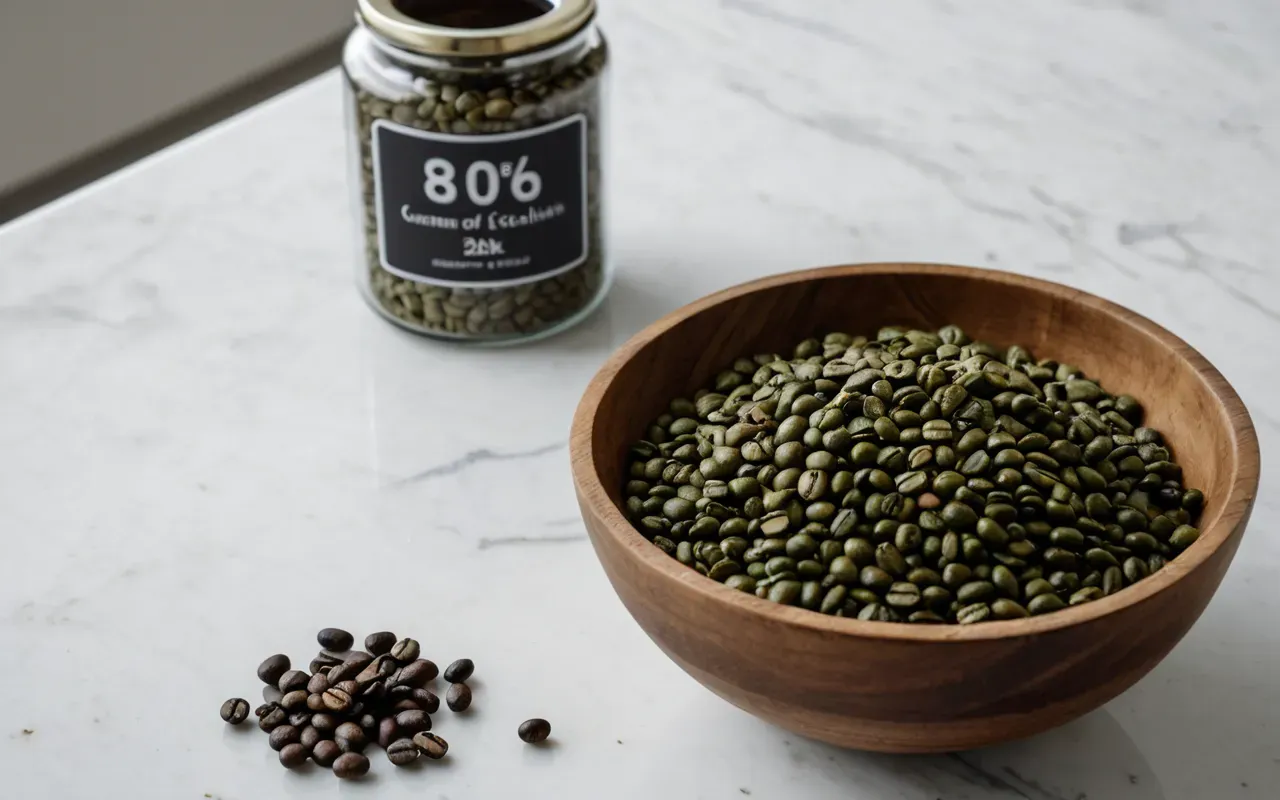
Ethiopia for Brightness and Acidity
Start with a washed Ethiopian Yirgacheffe. The acidity is crisp like an apple. It wakes up your brain in a way milk foam never could.
Colombia for Balance and Sweetness
If you find acidity too sharp, try a Colombian Huila. It has caramel notes and a chocolate finish that feels comforting without being heavy.
Brazil for Body and Low Acidity
Need a mellow cup? A natural process Brazilian bean offers a syrupy texture. It pairs perfectly with pastries you bake at home.
Kenya for Complex Fruit Bomb Notes
This is the wild card. Kenyan AA beans taste of blackcurrant and grapefruit. It feels like drinking fruit juice with a caffeine kick.
How to Brew at Home Without Ruining the Experience
The method matters less than you think. But it still matters a lot if you want clarity.
If your $500 machine is silently ruining your Sunday mornings, it might be the grind size, not the hardware.
The Pour-Over Method for Maximum Clarity
Use a V60 cone. Grind your beans to the texture of sand. Pour water in slow circles.
This method highlights the fruity notes we talked about earlier. It strips away bitterness.
Espresso for Intensity and Speed
For a quick morning fix, dial in your espresso. Aim for twenty-five seconds extraction time.
If it tastes sour, grind finer. If it tastes bitter, grind coarser. This is the only rule that truly matters.
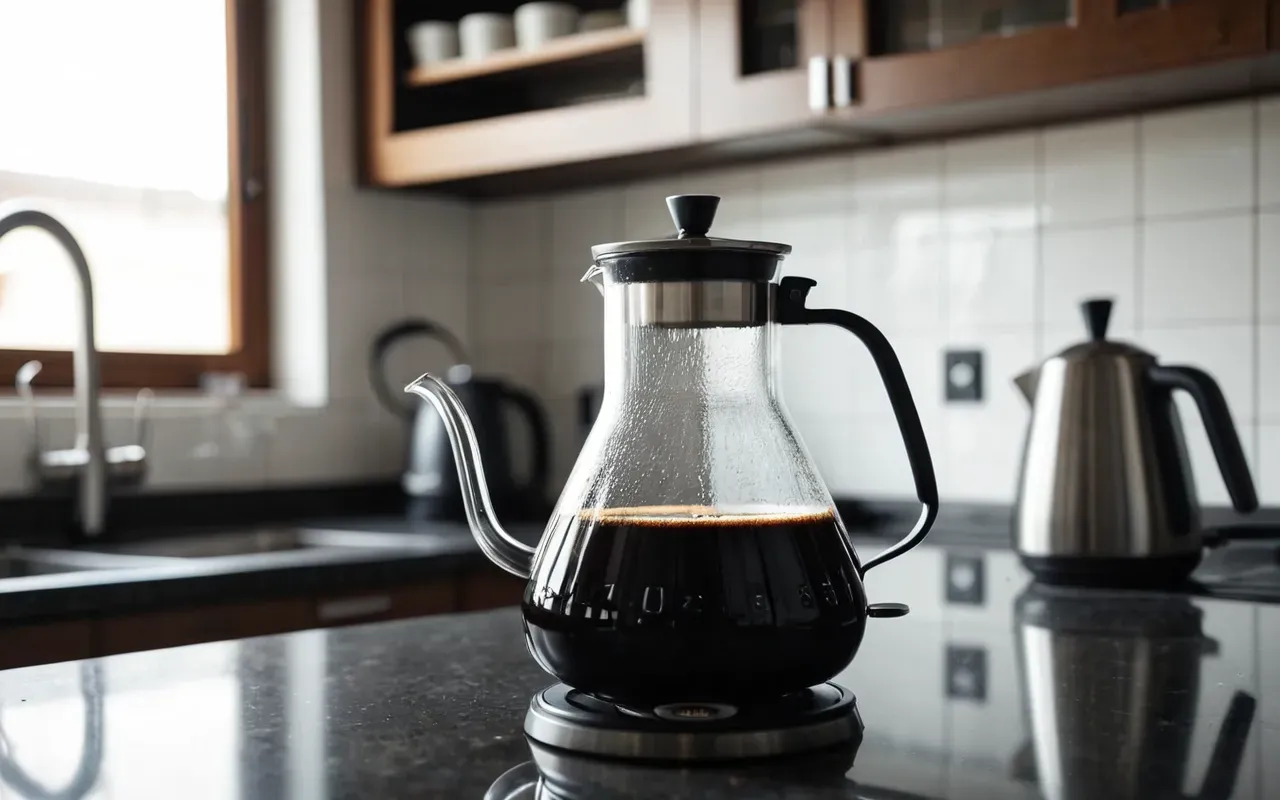
The Real Reason Your Sunday Ritual Is Secretly Failing You
We treat coffee as fuel. We drink it standing up while checking emails.
This kills the experience. You are not tasting the coffee. You are just absorbing caffeine.
Creating a Mindful Coffee Moment
Sit down. Put your phone in another room. Smell the dry beans before brewing.
The smell tells you if the beans are fresh. Stale beans have no aroma at all.
This simple act changes your entire morning mood. It is a pause in the chaos.
Where to Find These Experiences Without Leaving Your Home
You do not need a fancy shop. You need a reliable local roaster.
Look for shops that list roast dates on their bags. If it is more than two weeks old, walk away.
Supporting Small Batch Roasters Nearby
Small batches mean better quality control. They taste the product before selling it to you.
If you are curious about why your neighborhood cafe is actually the most honest place in town, start by buying whole beans.
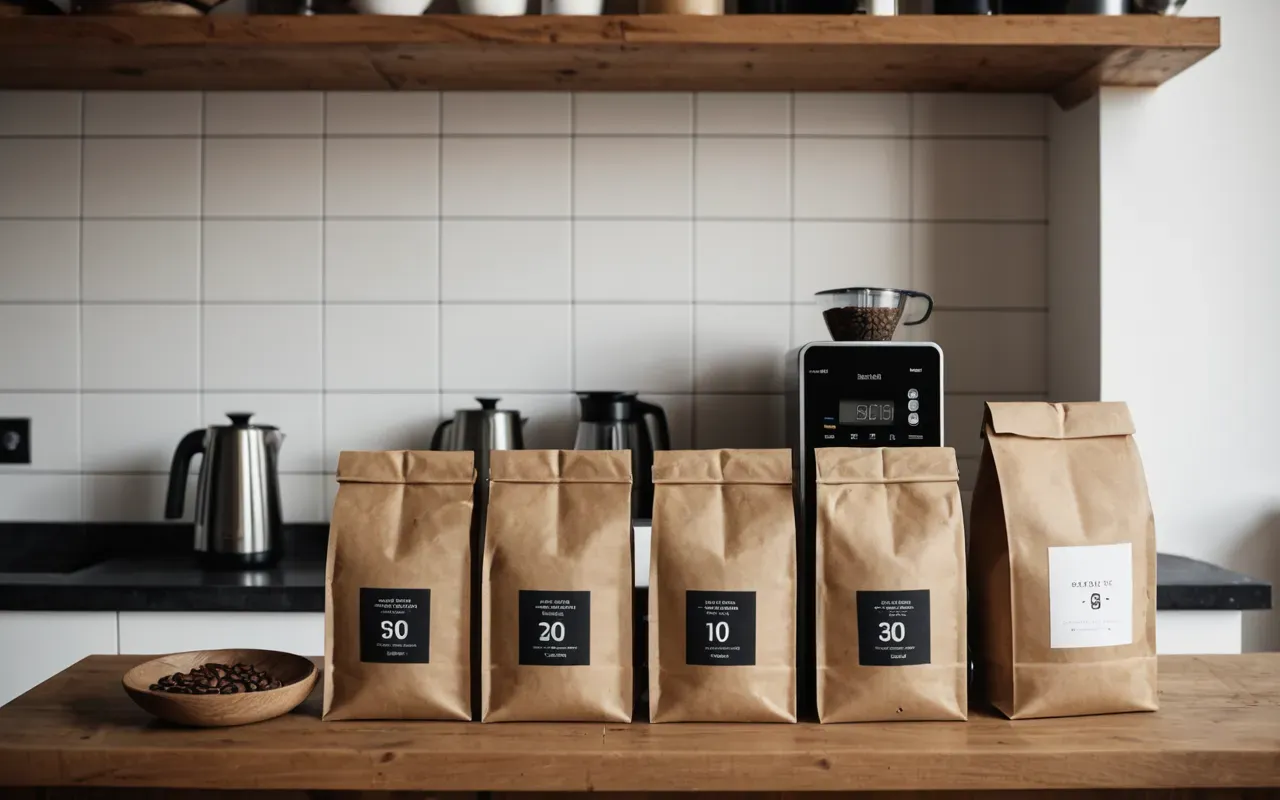
The Final Sip You Will Never Forget
Coffee is not about the shop. It is not even about the bean.
It is about the moment you stop rushing and start tasting. That is where the magic lives.
So next Sunday, skip the travel book. Pick a fresh bag of Kenyan AA beans.
Brew it slowly. Sit down. And taste the blackcurrant for yourself.


