
The Myth of the Standard Cup
I walked into a busy spot last Tuesday and ordered what I thought was a simple latte. The barista nodded, pulled the shot, and handed me a cup that tasted like hot dirt mixed with sugar water. It wasn't bad exactly. But it was soulless.
Here's the thing most people don't realize. The average commercial machine in a high-traffic shop runs at temperatures that scorch delicate oils. We treat coffee like fuel, not food. And when you view it only as a caffeine hit, quality becomes an afterthought.
I have tasted hundreds of cups over the last decade. Some were exceptional. Most were forgettable. The gap between those two experiences isn't just about skill. It's about intent, bean freshness, and a willingness to slow down during your morning.
Why Freshness Beats Brand Name
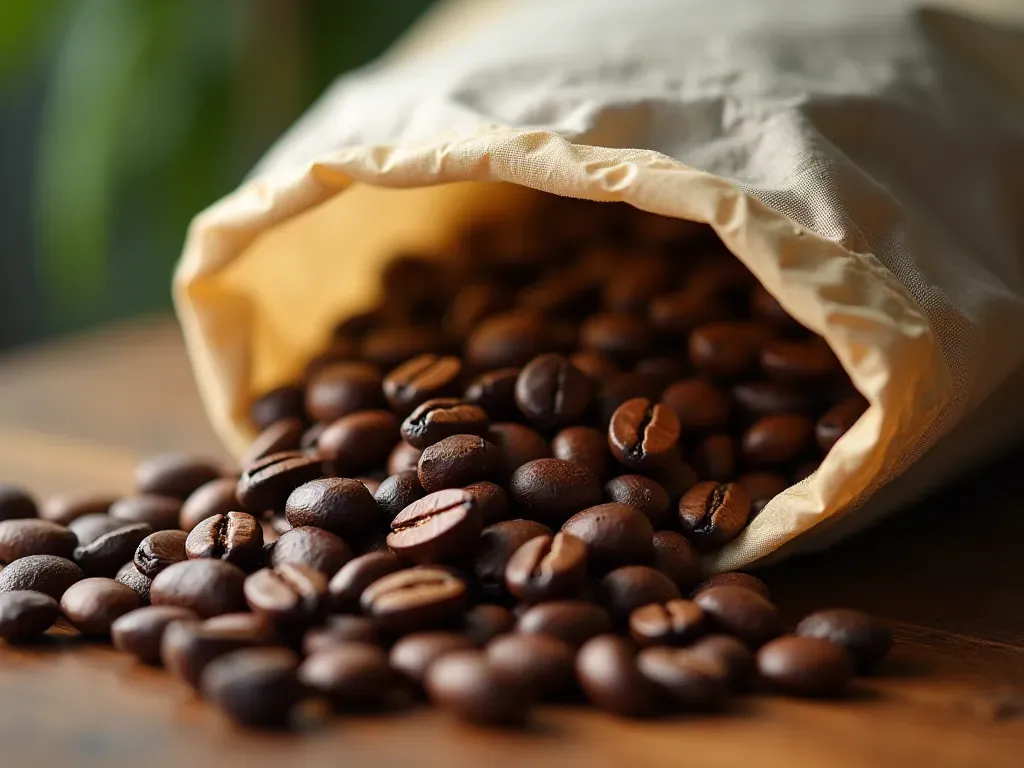
You might think a famous logo on the cup guarantees taste. It doesn't. In fact, large chains often buy beans weeks or months in advance to keep costs down. That means you are drinking stale aromatics that have long since evaporated into thin air.
Real specialty shops roast in small batches. They date their bags clearly. If a shop can't tell you when their beans were roasted, they are selling you commodity fuel, not coffee. It's a simple test that separates the dedicated from the lazy.
Brewing Techniques That Change Everything
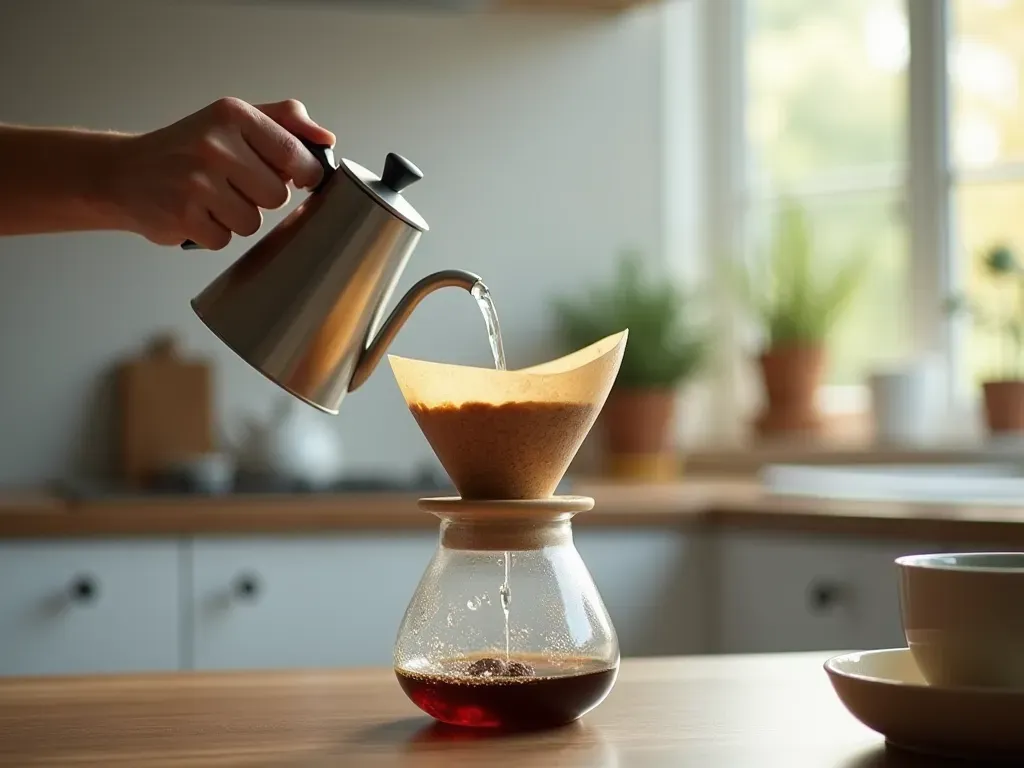
Most home brewers make one critical mistake. They rush the process. Pour-over coffee requires patience. If you dump hot water all at once, you extract bitter compounds before the sweet ones bloom. The result is a thin, acidic sip that leaves your tongue dry.
The Two-Minute Rule for Pour-Overs
Start with a slow spiral pour. Let the water sit for thirty seconds to release gases trapped inside the grounds. This step is non-negotiable. Skipping it means you're forcing extraction, which pulls out harsh tannins that make your cup taste like wet cardboard.
Then continue pouring in gentle circles. Aim for a total brew time between two and three minutes. If it finishes faster than that, your grind is too coarse or the water temperature was too high. Adjust one variable at a time to find your sweet spot.
Choosing Beans for Your Personal Taste
Not all beans are created equal. A dark roast from a tropical region will taste very different from a light roast grown at high altitude. High-altitude beans often have brighter acidity and floral notes. Low-grown beans tend to be heavier, chocolatey, and less complex.
Light Roast for Clarity or Dark for Body?
If you love clarity and fruitiness, choose a light roast. It highlights the origin characteristics of the cherry. If you prefer a bold, syrupy mouthfeel with lower acidity, go dark. But be careful. Over-roasting masks defects in low-quality beans.
I personally prefer medium-light roasts for morning sips. They wake up my palate without overwhelming it. For evening cups, I switch to a darker profile that feels more comforting and less stimulating. Your preference is valid as long as you know why you like what you drink.
Finding Authentic Spots in the City
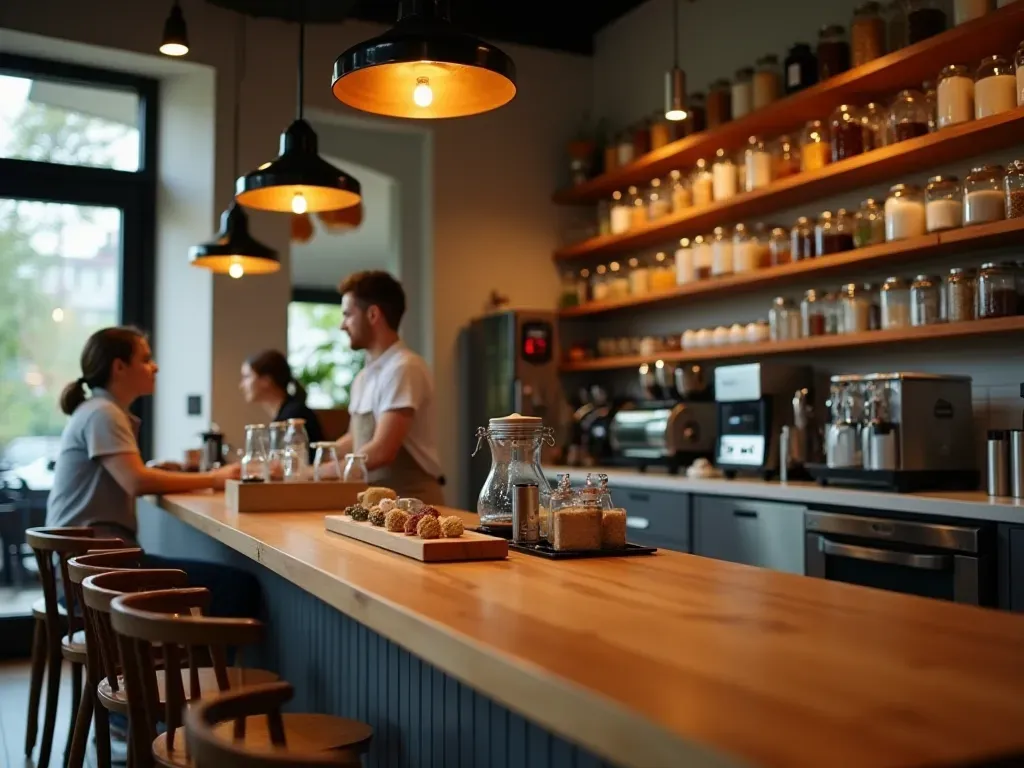
Walking through a city center can feel overwhelming. There are cafes on every corner. But most serve the same generic blend. How do you find the ones that actually care? Look for staff who ask about your preferences rather than just taking an order.
Check the equipment. Is there a scale on the bar? Are they grinding to order? If they pre-ground your beans and sit in a hopper for hours, walk away. Freshly ground coffee smells intensely aromatic. Stale grounds smell like old dust. Trust your nose.
Red Flags to Avoid Immediately
If a shop pushes sugary syrups before offering water or milk options, they are hiding behind flavor. Real coffee stands on its own without heavy sweeteners. A good cup should taste like the fruit it came from, not like a candy store explosion.
Also watch for steam wand noise. A well-tuned machine is quiet during milk frothing. Excessive screaming suggests poor maintenance or untrained staff handling delicate equipment. These small details add up to a consistent drinking experience over time.
Creative Ideas for Your Own Coffee Venture
Want to start a small business? You don't need a massive storefront. Many successful micro-roasters operate from home kitchens or tiny shared spaces. The key is community building and consistent quality control.
Niche Down to Stand Out in a Crowded Market
Selling generic coffee is a race to the bottom. Instead, focus on a specific origin story or brewing method you master deeply. Perhaps you specialize in single-estate beans from one region. Or maybe you teach workshops on manual brew methods that people can try at home.
I spoke with a small owner last month who only sells decaf options. Sounds counterintuitive? Not really. She targets people with caffeine sensitivities who still want premium flavor. Her loyalty is fierce because she solves a specific problem for them.
The Sunday Ritual as a Mindset Shift
Coffee is more than hydration. It is a pause button in our chaotic lives. When you brew with intention, you are not just consuming caffeine. You are practicing mindfulness through temperature control, timing, and sensory awareness.
Sit down. Watch the water swirl in your cup. Smell the steam before you sip. These small acts reconnect you with the present moment. In a world that constantly demands speed, choosing to slow down for a perfect cup is an act of quiet rebellion.

Frequently Asked Questions
How long should I wait after roasting before brewing?
Wait at least three days for most beans. This allows trapped gases to escape from the grounds during extraction. If you brew too early, excessive bubbling occurs which disrupts water flow and leads to inconsistent flavor development in your cup.
What is the best water temperature for pour-over coffee?
Aim between ninety and ninety-six degrees Celsius. Water that is too hot burns the grounds while water that is too cold fails to extract soluble solids properly. Use a thermometer or let boiled water sit for thirty seconds before pouring.
Can I use pre-ground coffee from a supermarket?
Yes but expect diminished flavor. Pre-ground beans lose aromatics within minutes of opening the bag. For best results buy whole beans and grind them immediately before brewing to preserve maximum freshness and complex tasting notes.

