
The Bean Blind Spot
You probably think coffee is just two things. Arabica and Robusta.
But that’s a massive blind spot. Two other species sit quietly in the background.
They have wilder flavors and deeper histories. And they might be what your Sunday cup needs.
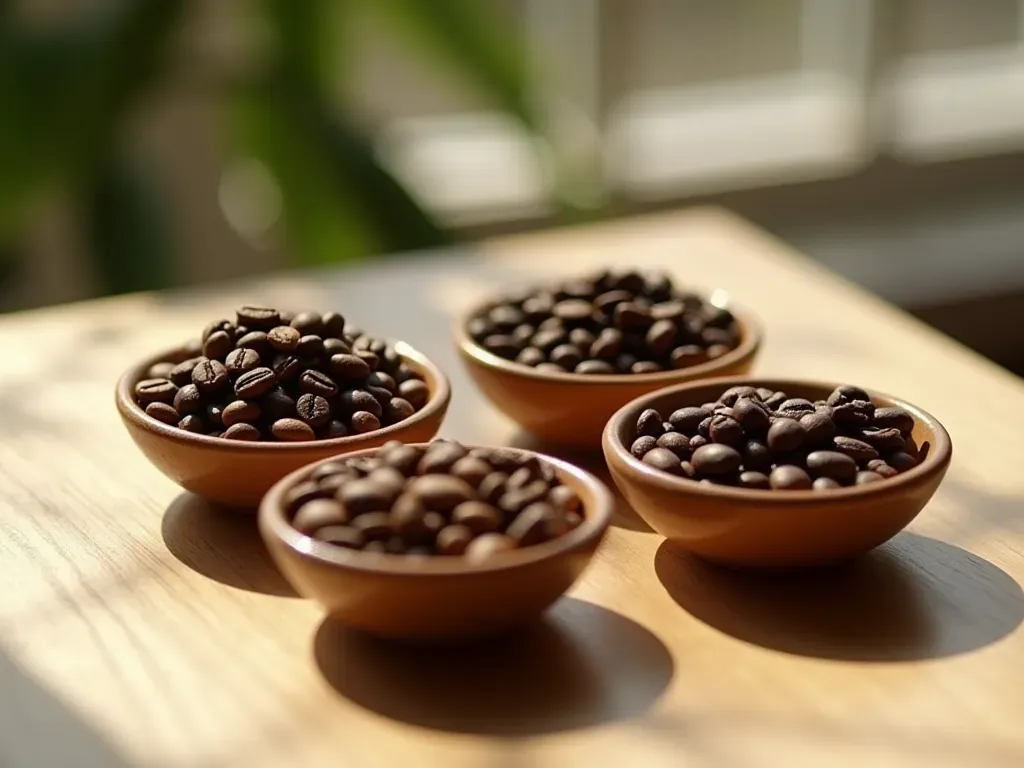
Liberica The Forgotten Giant
Liberica trees can grow up to seventeen meters tall. That’s five stories high.
Their beans are huge too. Twice the size of a typical Arabica cherry.
And yet they make up only one to two percent of global production. Almost nobody talks about them.
The flavor is bold and smoky. Think dark chocolate with a woody aftertaste.
Excelsa The Wine Like Wildcard
Excelsa used to be its own species. Now it’s a variant of Liberica.
It has low caffeine and a tart fruity acidity. Almost wine like.

It’s rare. Mostly grown in Vietnam and Indonesia today.
Why Arabica Still Dominates Your Cup
Arabica is sixty percent of all coffee grown. It’s smooth and sweet.
But it’s fragile. It needs high altitudes and steady rain.
Robusta fills the gaps. It’s hardy and bitter with double the caffeine.
The Flavor Gap You’re Missing
Most bags you buy are blends of Arabica and Robusta. That’s fine.
But if you want complexity? Look for single origin Liberica or Excelsa.
Tasting Notes to Seek Out
Liberica: dark chocolate, smoke, nuts.
Excelsa: tart fruit, wine, spice.
How to Find These Beans in a Cafe Setting
Most places won’t offer them. But some specialty spots do.
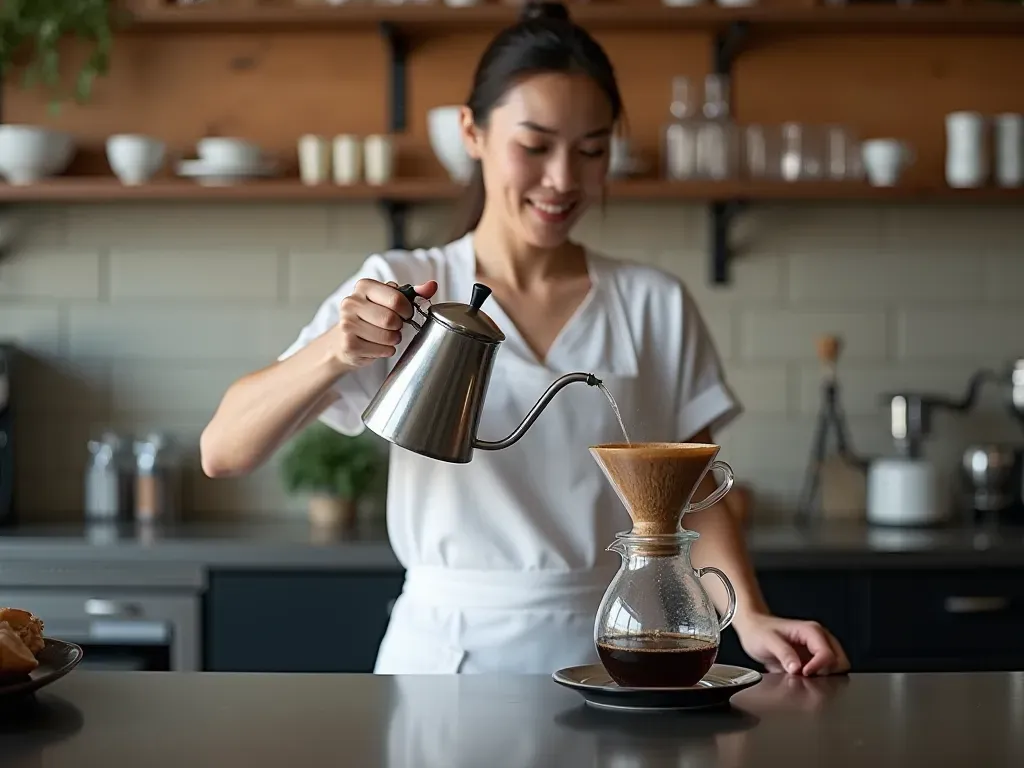
Ask for the menu. If it’s just espresso and latte? Move on.
Look for single origin labels. That’s your best bet.

