
The quiet revolution hiding in plain sight at your local taproom
You walk into a modern brewery and see the familiar rows of taps. You pick your usual IPA or stout and settle in for an evening drink. But behind that counter sits a completely different product one you likely have never noticed.
Brewers are no longer just removing alcohol to create a sober option. They are actively adding specific biological compounds designed to shift your physiological state while you drink.
This is not marketing fluff. It is a precise chemical intervention masked inside the familiar packaging of your favorite beer brand.
Why this shift matters far more than a simple trend cycle
The non-alcoholic wave of the early twenty-twenties solved one specific problem. It gave people a way to drink without getting drunk.
The functional brewing wave solves a different and much harder problem. It gives people a way to feel actively better while they drink.
That distinction changes the entire economic model of a taproom. You are not just selling an evening escape anymore.
You are selling a targeted biological tool that fits into the daily health routine of younger consumers who refuse to compromise on their physical state.
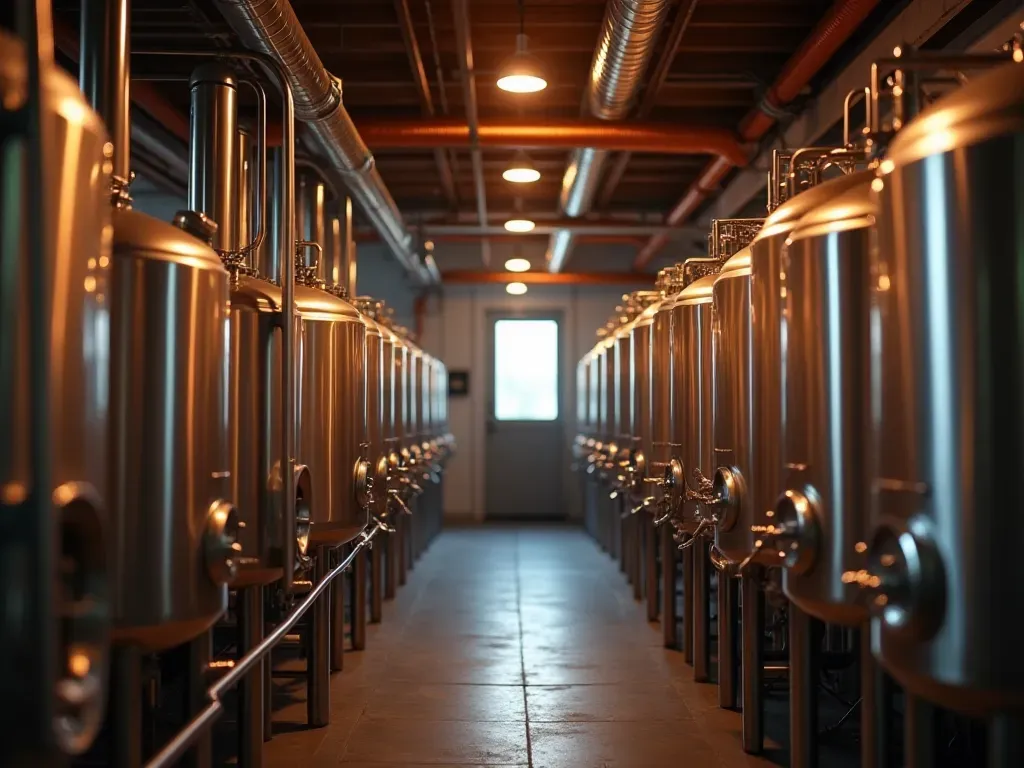
The exact ingredients doing the heavy lifting in your glass
To understand why this works you have to look at the specific compounds brewers are mixing into their wort. Ashwagandha root is a massive player here.
This plant has been used for centuries to manage acute stress responses. When brewers add a standardized extract of it they are targeting your cortisol levels directly.
L-theanine is another critical addition. It is an amino acid found in tea leaves that promotes a specific type of relaxed alertness.
When you pair L-theanine with the mild sedative effects of a low alcohol beer you create a very specific neurological state.
The hidden cost of getting these compounds to dissolve correctly
Here is where the real engineering begins. You cannot just dump a powder of ashwagandha into a kettle and walk away.
Many raw herbal powders carry an intense earthy and bitter profile that will instantly ruin the flavor of a standard pale ale.
Brewers must use highly purified liquid extracts or micronized soluble isolates to prevent the beer from turning into muddy sludge.
Timing is also a massive variable. Heat-sensitive compounds like specific nootropics are added at the end of fermentation to protect their molecular structure.
The regulatory tightrope that keeps these products legal to sell
This is the part of the industry nobody wants to discuss. You cannot put a medical claim on an alcohol label.
Federal agencies in the United States strictly prohibit beer labels from claiming to cure anxiety or lower blood pressure.
So brewers have to get creative with their language. They use phrases that suggest a lifestyle benefit rather than a medical outcome.
It is a delicate legal line that requires constant review of every single word printed on the can.
Why transparency is becoming a massive competitive advantage
Consumers are getting smarter about what they ingest. They want to know the exact milligrams of active ingredients in their drink.
Breweries that clearly state the dosing on their packaging build deep trust with health-conscious buyers.
This transparency turns a standard beer into a premium wellness product that commands a much higher price point.
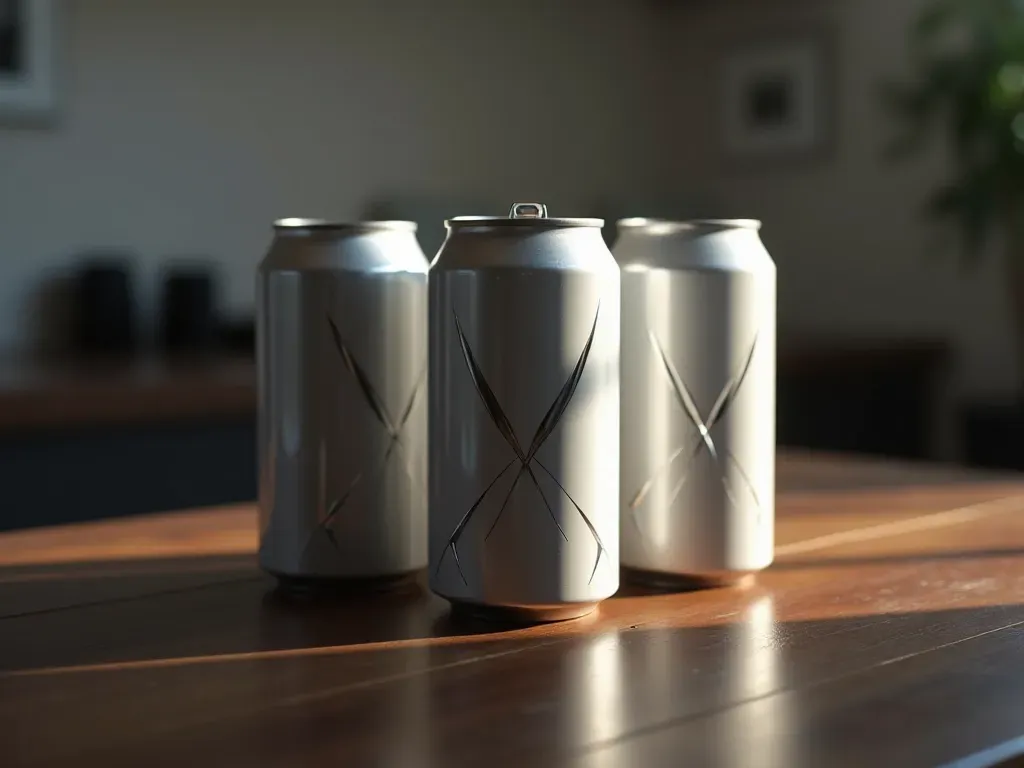
The taproom economics that are changing how you buy beer
Younger consumers treat functional brews as sophisticated social alternatives. They are not looking for a hangover tomorrow.
For the taproom this unlocks a completely new customer segment. You now attract people who would never buy traditional high ABV beer.
The higher production cost of these specialized ingredients allows the brewer to charge a premium price.
You are essentially paying for the biological precision of the drink rather than just the alcohol content.
Why major conglomerates are circling these independent brands right now
This is the biggest implication nobody wants to talk about. Independent brewers are not just making a new drink.
They are building intellectual property that massive global corporations want to acquire before their competitors do.
Macro-brewers are facing stagnating sales in their core traditional lines. They need a fast path into the wellness space.
Acquiring an independent foundry that already has a proven recipe and a loyal customer base is the fastest way to get there.
What this means for your local independent brewery in the next decade
If you support a small brewer today you might be watching them become an acquisition target tomorrow.
The brands that survive and thrive are the ones that can prove their functional claims with hard data.
This is not just a trend in the beverage aisle. It is a structural shift in how we view alcohol and wellness.
The next time you pick up a craft beer look for the ingredient list. You might be drinking something much more active than just fermented grain.

