
The five-cup myth that keeps getting repeated is hiding a bigger problem with your morning routine.
Most people assume more caffeine means worse health outcomes. The new data flips that assumption on its head completely.
The American Heart Association published a detailed statement back in July. It walks through decades of evidence on how coffee actually affects the cardiovascular system.
One specific finding really stopped me. Regular drinkers of more than three cups a day often showed lower hypertension risk than people who drank less.
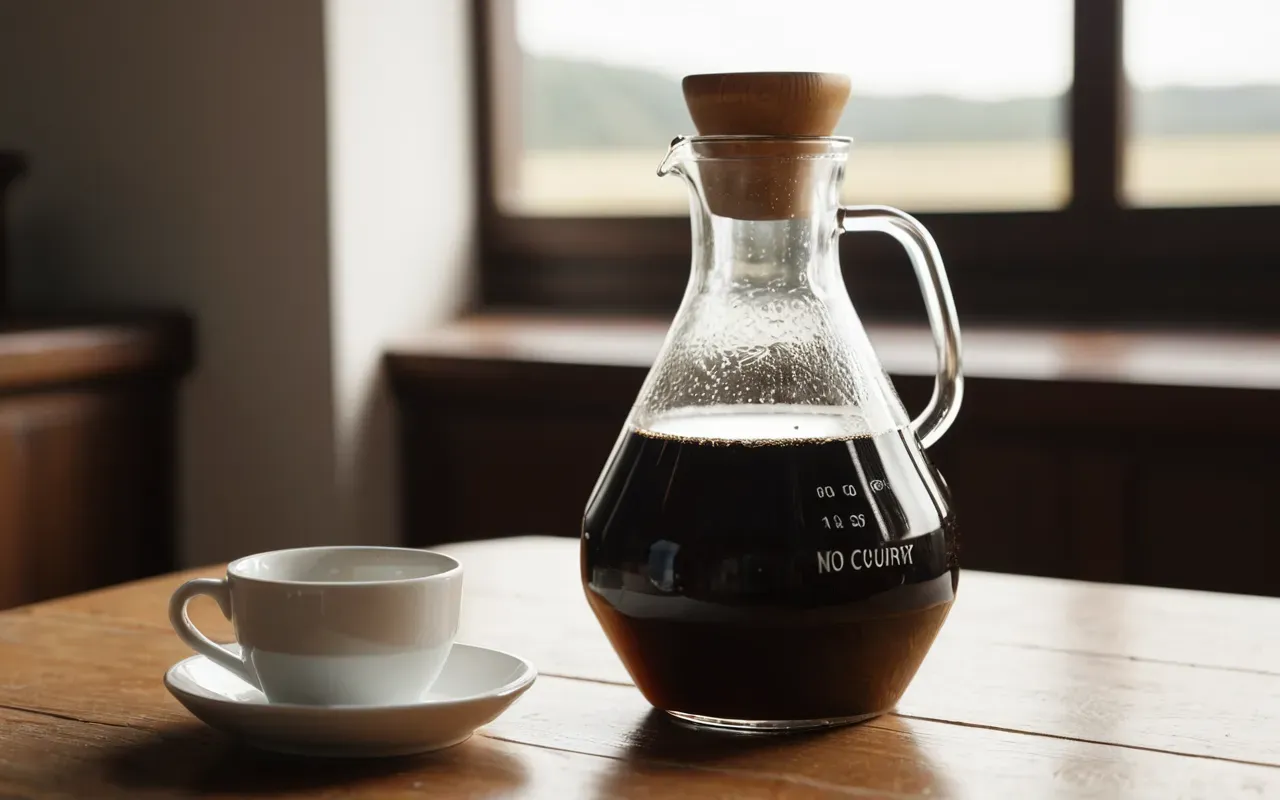
Why your unfiltered brew is silently damaging your arteries while you sleep.
Here's the thing nobody mentions while you're ordering at the counter. The brewing method matters far more than where the beans come from.
French press and espresso machines leave behind a compound called cafestol. This substance actively hampers your liver's ability to clear out bad cholesterol.
Paper filters trap nearly all of it. That single barrier is the difference between a heart-protective drink and something that raises your lipids.
The invisible compound in your favorite morning cup
Cafestol is a diterpen found in green beans. It survives roasting, but it dies when paper filters catch the oils.
Randomized trials back this link clearly. Unfiltered caffeinated and decaf coffee both raised LDL levels significantly in test groups.
So if you love that thick French press flavor, you're basically drinking a chemical cocktail. It tastes rich precisely because of the oils that hurt your heart.

The blood pressure paradox that defies every common assumption about caffeine tolerance.
We tend to assume more coffee means higher blood pressure. The evidence suggests the opposite for habitual drinkers.
Nutritionists call this reverse causation. People who have adverse reactions simply stop drinking coffee altogether.
The ones who stick with it are genetically resilient. They metabolize caffeine quickly and never experience that spike.
Why heavy drinkers might actually be safer than light sippers
This sounds counterintuitive. But it aligns with decades of cohort data tracking thousands of adults over time.
Light drinkers show higher hypertension risk in some datasets. That likely reflects their sensitivity to caffeine's acute effects.
Your body adapts. Regular exposure builds tolerance to the short-term vasoconstriction caffeine triggers.
What this means for your diabetes risk and insulin sensitivity today.
Coffee affects blood sugar in two opposing ways at the same time. This confuses most health professionals.
Acute caffeine intake reduces insulin sensitivity. That's a short-term physiological response.
But long-term consumption of black coffee lowers type 2 diabetes risk by twenty to thirty percent. The protective compounds aren't caffeine.
Polyphenols and antioxidants do the heavy lifting. They reduce inflammation and support metabolic function over years.
The protective compounds that work while you sleep and digest
Studies of over one hundred thousand women confirmed this. Coffee reduced diabetes incidence regardless of caffeine content.
This is crucial context. The benefit comes from the plant matrix, not the stimulant.
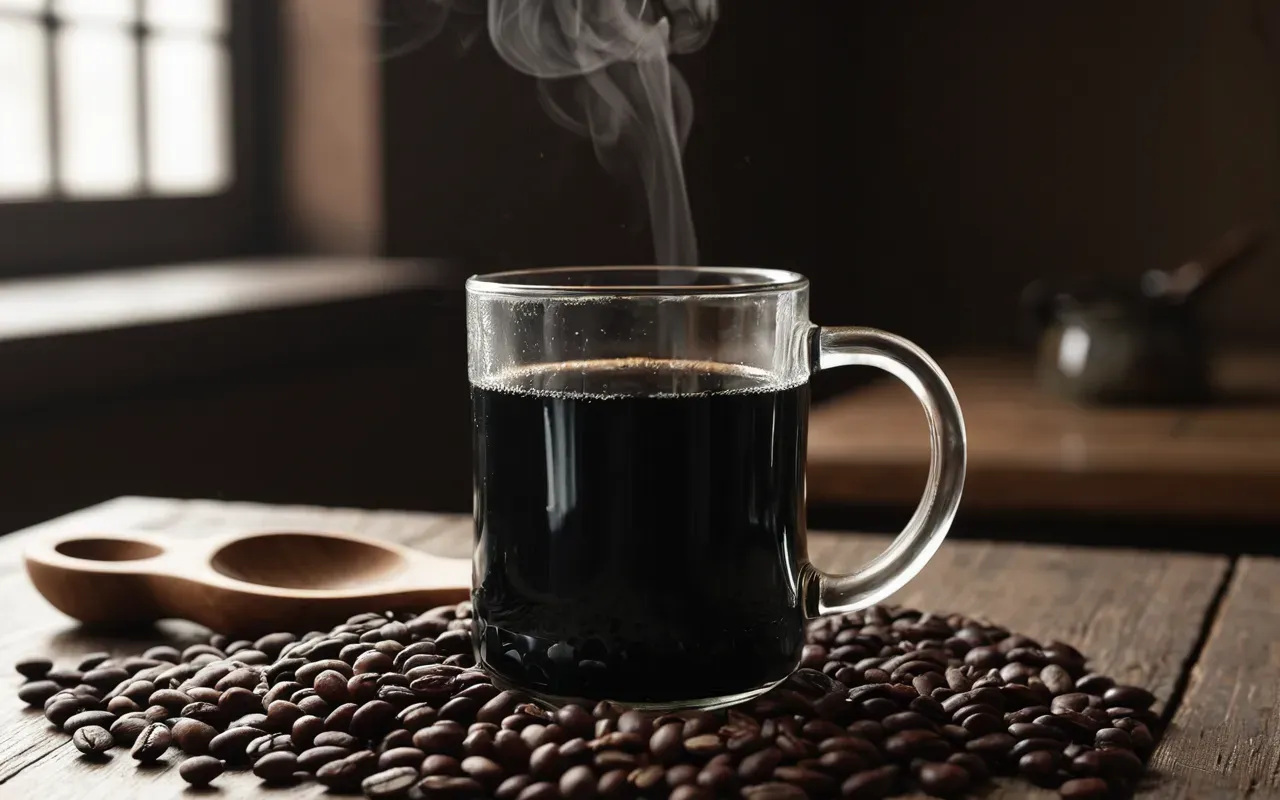
The specific brewing methods that protect your heart versus those that harm it.
Filtered drip and instant coffee are the clear winners here. They lack the oils that raise LDL cholesterol.
Espresso is technically unfiltered. It contains significant cafestol despite its small volume and high-pressure extraction.
Turkish coffee is the worst offender. It retains nearly all oils and sediments from the bean structure.
How to switch your routine without losing flavor or satisfaction
I know this feels like a compromise. But quality beans in a paper filter brew beautifully.
The bitterness you dread is often from over-extraction or poor water quality. Not the filter itself.
Try a pour-over with fresh beans. You get clarity and protection in one cup.
Why energy drinks are the real enemy hiding behind your healthy habits.
The AHA explicitly warns against conflating coffee with energy shots. They are biologically different substances.
Energy drinks contain three to four times the caffeine. They also pack added sugars and synthetic stimulants.
This combination spikes blood pressure and triggers arrhythmias. Coffee does not have that profile.
If you're mixing both daily, your risk multiplies exponentially. That's where real damage happens.
The hidden sugars in your 'healthy' flavored lattes and cold brews
A typical sweetened latte can contain thirty grams of added sugar. That's nearly eight teaspoons.
This caloric load counteracts any metabolic benefit from the polyphenols. You're drinking empty calories.
Stick to black or minimally sweetened options. Your pancreas will thank you for the break.
What experts actually recommend for your daily consumption limit right now.
Five cups is a ceiling, not a target. Most healthy adults do well with two to four filtered servings.
Individual genetics determine your safe range. Some people tolerate five cups without any blood pressure change.
Others feel palpitations after just one. Listen carefully to what your body tells you.
How to assess your personal tolerance without guessing or anxiety
Track your sleep quality and resting heart rate for a week. Note any afternoon jitteriness or digestion issues.
If you notice disrupted sleep, reduce your late-day intake. Caffeine has a long half-life.
You don't need to quit entirely. Just adjust the timing and method.
The bottom line for your long term cardiovascular health and well being.
Coffee is not a villain. It's a complex plant beverage with genuine benefits.
But the details matter immensely. Brewing method and additives determine your risk profile entirely.
If you're a regular drinker of unfiltered brews, consider switching to paper filters. It's the single easiest change you can make.
Your heart will benefit from this small adjustment. The evidence is clear and consistent across multiple studies.
For those interested in the social side of this habit, your coffee shop visit might actually save your social life offers a fascinating perspective on connection.
And if you're curious about broader industry shifts, the quiet death of coffee as a product and the rise of experience explains how consumption patterns are changing globally.
Drink your coffee. Just make sure you're brewing it in a way that protects the organ pumping blood to your brain.


