
The Real Reason Your Coffee Shop Visit Matters More Than You Think
You know that feeling. The warm mug in your hands. The hum of the grinder.
Now picture leaving that space within five minutes. Walking out with your paper cup in hand.
Most of us do this without a second thought. We treat the cafe like a vending machine with better music.
But here is the uncomfortable truth. By walking out so fast, you are throwing away half the value.
I have spent years watching people rush their coffee. They check their phones while the liquid cools.
We are missing out on something profound. Something that has shaped history for centuries.
It is not just about caffeine. It is about the space itself and what it does to our minds.
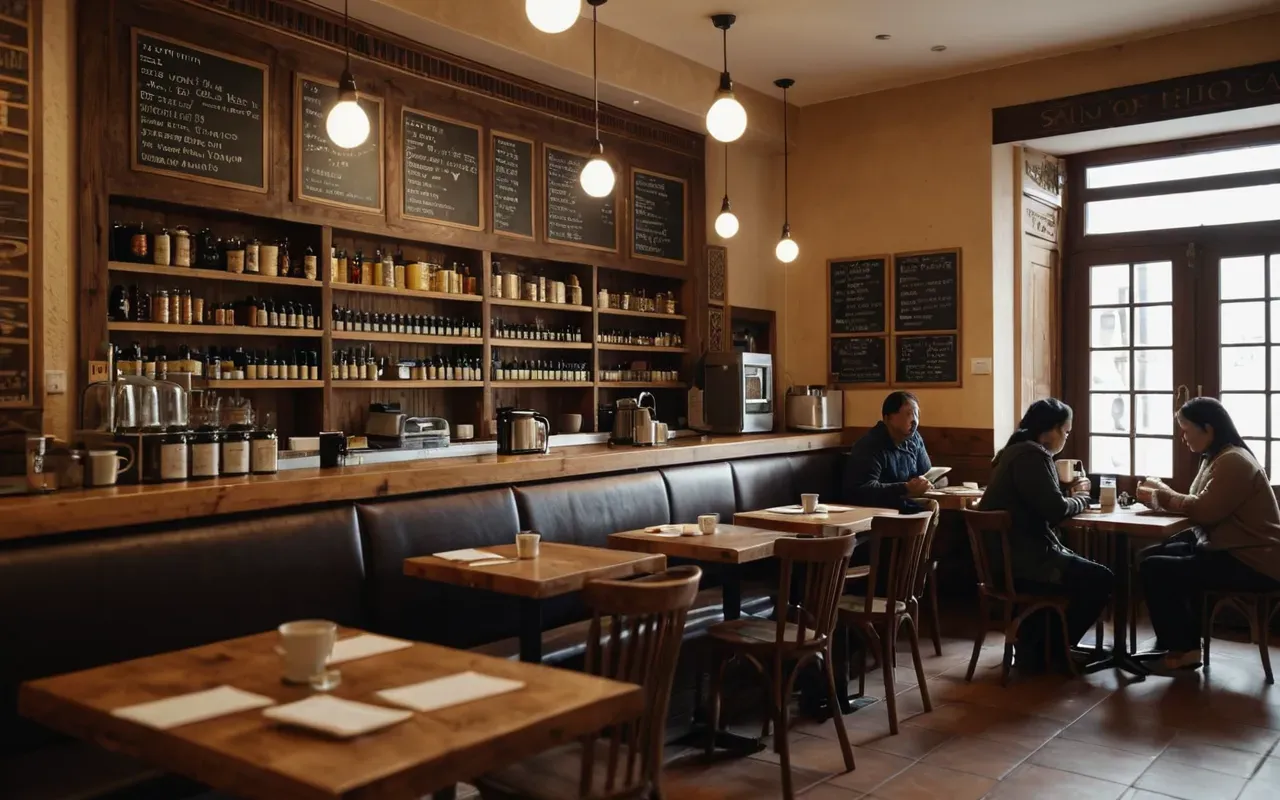
The Hidden Social Infrastructure of Your Local Cafe
Political scientists have a specific term for this. They call it social infrastructure.
Think of bridges connecting different islands. Or roads linking isolated towns together.
Coffee shops act as these bridges in our daily lives. They connect strangers who would never meet otherwise.
Harvard professor Robert Putnam called this bridging social capital. It is the glue holding society together.
When we sit next to someone in a cafe, something magic happens. Walls start to come down.
We are becoming increasingly solitary in modern times. Screens isolate us more than ever.
The cafe is one of the last places where physical presence still matters greatly. It forces us to be present.
I have noticed this change in my own city. People are more polite now because they see each other.
Why Staying Beats Going Every Single Time You Visit a Cafe
There is an old saying about coffee. If you do not stay for at least twenty minutes, you missed the point.
In Paris decades ago, asking for takeout would confuse the barista. The culture valued sitting down.
The cup of coffee is basically your ticket to enter the social space. It buys you time and presence.
Jerry Seinfeld put it best in his show. He said he bought coffee so he could live there for a while.
This mindset changes everything about how we view our daily coffee runs. It becomes an experience.
You are not just buying a beverage anymore. You are renting a piece of community for an hour.
The music plays better when you are settled into a chair. The light feels warmer.
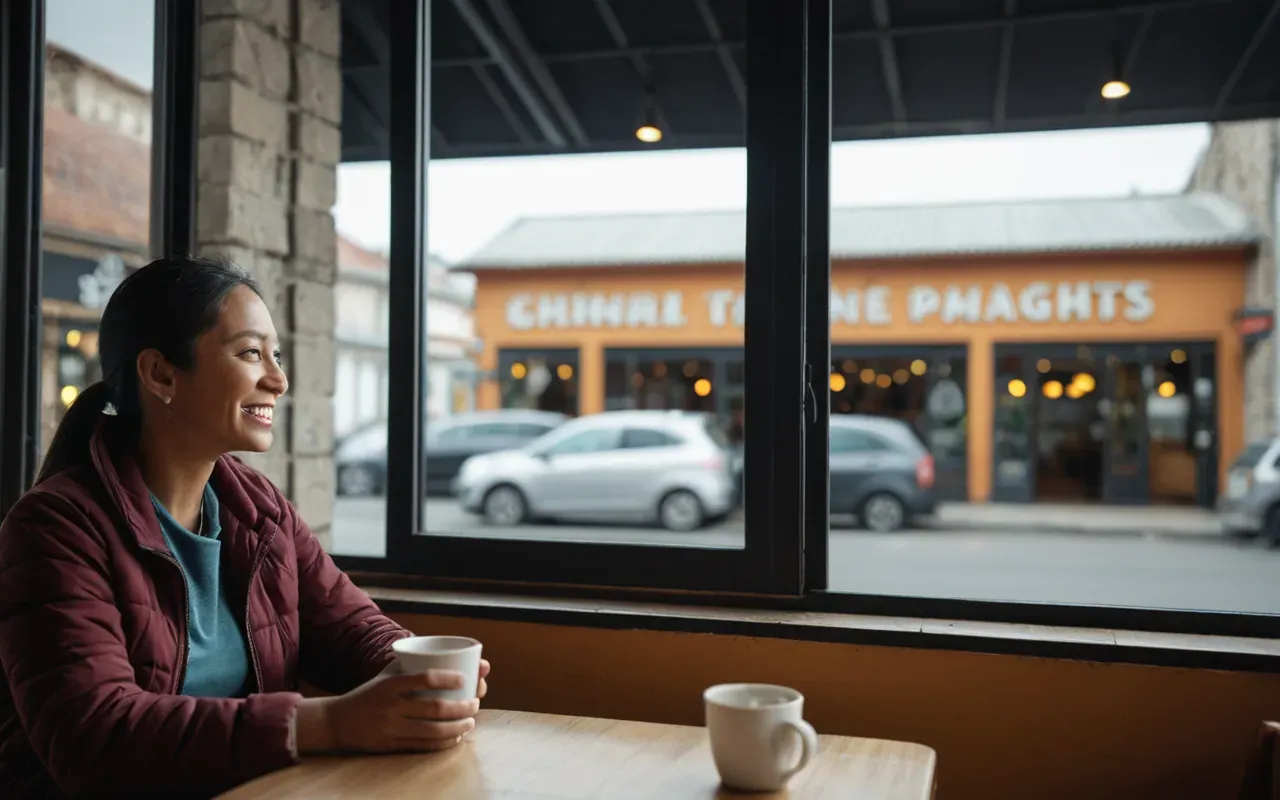
The Historical Roots of Coffee Houses as Revolutionary Hubs
Five hundred years ago, coffee houses were the newsrooms of their day. They spread information fast.
In London during the 1600s, they were called penny universities. One coin got you knowledge and coffee.
In America, revolutionaries planned their moves over espresso. Not tea from the British crown.
Vienna hosted writers and thinkers in its old cafes. Hemingway and Freud both frequented these places.
These spaces allowed for deep thinking without pressure. No deadlines. Just ideas flowing freely.
Today we bring our laptops and phones into these sacred spaces. The tools change but the purpose remains.
We are continuing a tradition that has sparked movements and art for centuries without realizing it.
How Independent Shops Create Better Connections Than Chain Stores Do
Chain stores are convenient but they lack soul. You get the same coffee in every city.
Independent shops have personality written into their walls. The owner picks the music and decor.
I prefer local spots because they feel alive. The baristas know your name and order.
The coffee tastes better from a ceramic mug than from disposable paper. It is science and psychology combined.
Owners like Rebecca Henson in Montana say their cafes are third places for community building.
They create safe spaces where people from all backgrounds can meet and talk easily about life.
In Seattle, owners introduce customers to each other. They support local causes and artists through events.
This level of engagement is impossible to replicate in a sterile corporate environment. It takes time and care.
What This Means for Your Personal Social Life Right Now Today
Next time you go out for coffee, try staying. Sit down and put your phone away completely.
Observe the people around you. Notice their expressions and conversations happening nearby.
You might make a connection that changes your week. Or just enjoy the quiet companionship of strangers.
We are all searching for belonging in this digital age. The cafe offers a simple solution.
It is not about buying more coffee. It is about investing in your human connections daily.
Your local cafe is waiting for you. It has been since the very first cup was poured centuries ago.
So go sit down. Stay a while. Let the world slow down around you for just one hour.

