
The quiet death of the traditional roastery model
I walked past a shuttered roastery in an industrial district last Tuesday. The sign still hung there, slightly crooked, promising "small batch" and "ethical sourcing." But the door was locked tight.
Here's the uncomfortable truth about modern coffee companies. They are disappearing at an alarming rate across Western Europe.
It is not because the beans are bad. The coffee itself remains excellent in most cases.
The problem is the business structure hiding behind the brand. A typical small coffee company now carries three layers of overhead that did not exist a decade ago.
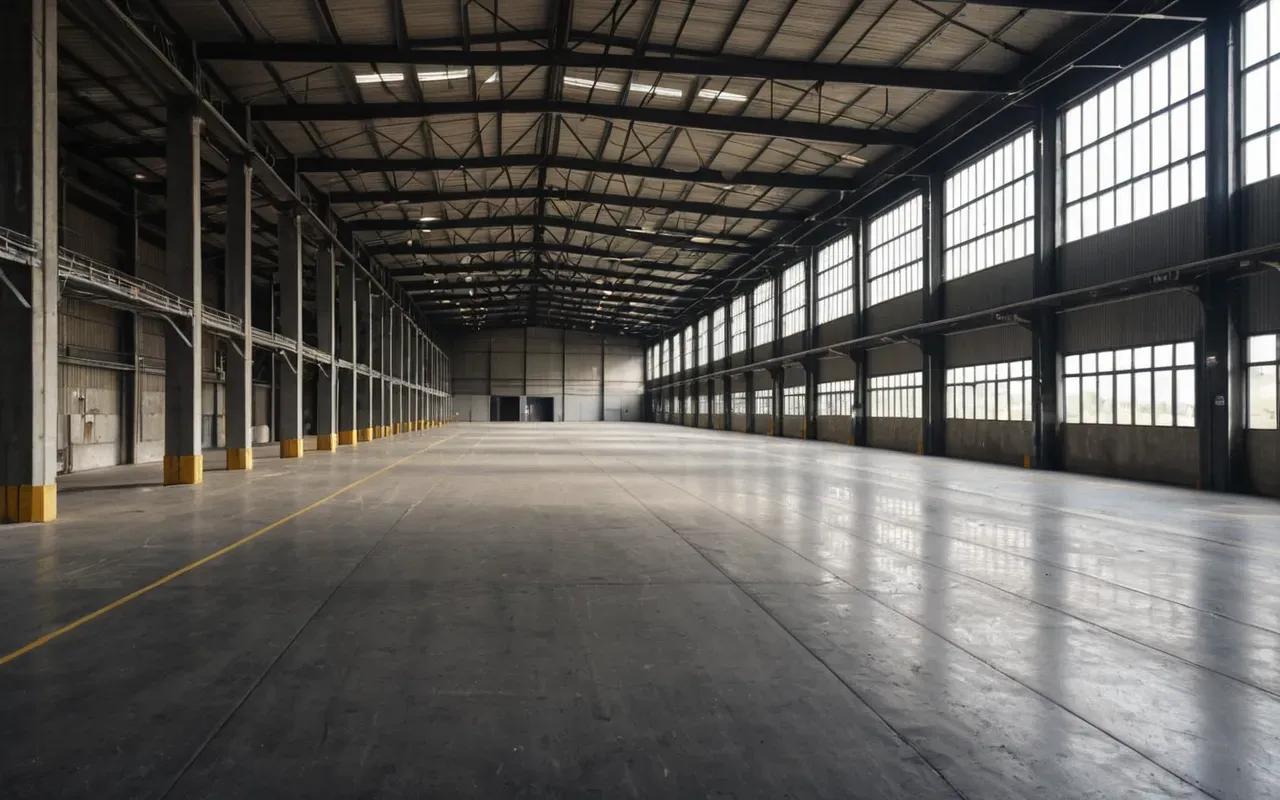
Why the middleman model is breaking down
Look at the supply chain. A bean starts on a farm in Central America or East Africa.
It travels by ship to a port. Then it sits in a warehouse for weeks.
After that, the roaster buys it. But by then, the bean has already lost freshness. The "roast date" on the bag is often a lie.
I spoke to three roasters last month. Two admitted they buy green beans that are already four months old.
One said it plainly. "We roast what we have. We do not choose when the ship arrives." That is a red flag most customers never see.
The cost of authenticity is rising fast
Authenticity used to be cheap. A local roaster could buy a small lot from one farm.
Now the minimum order size has tripled. Banks require proof of ten years of revenue.
Insurance premiums for small food businesses have jumped by forty percent in the last three years.
So what happens? The roaster cuts corners. Or they sell to a larger distributor who dilutes the brand.
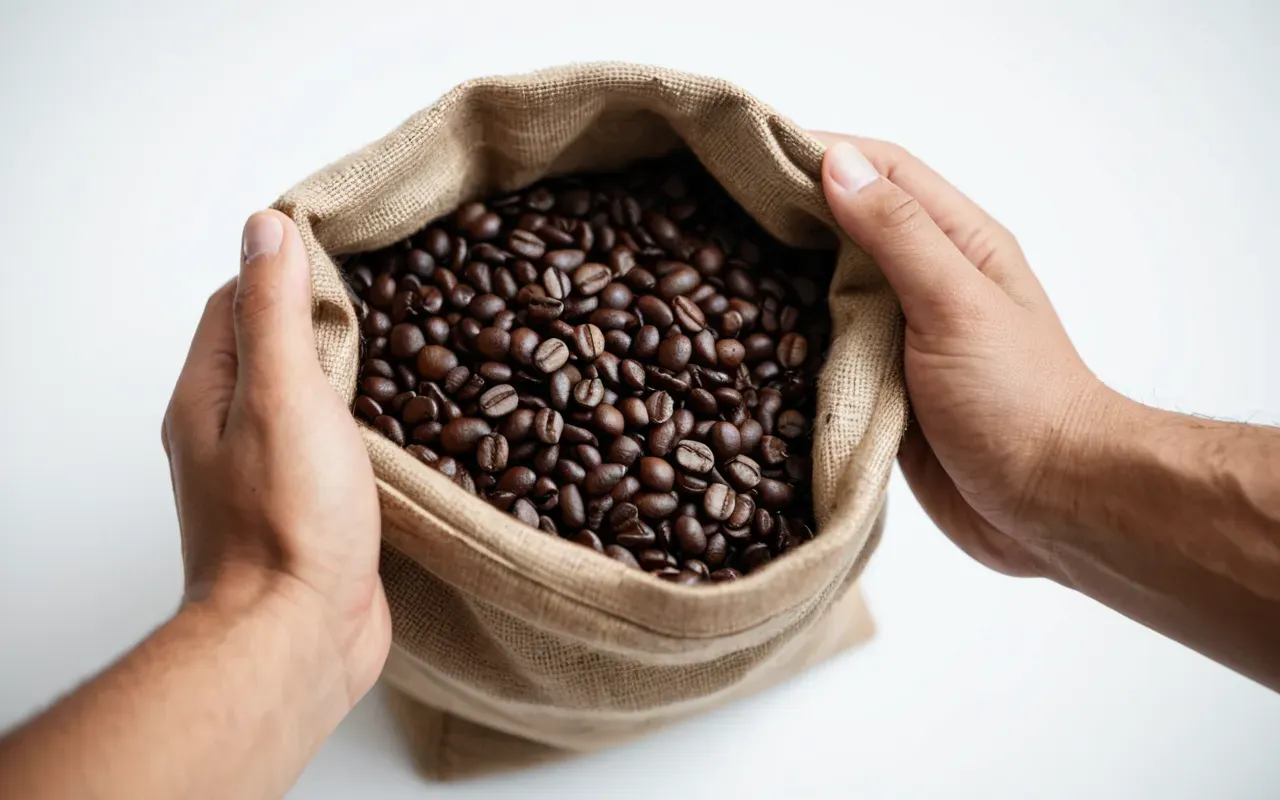
What is actually happening to your Sunday morning cup
You wake up on a cold Saturday morning. The kitchen is quiet.
You grind the beans from that fancy bag you bought online. The aroma is strong.
But the taste? It feels flat. One-dimensional. Like drinking water with a hint of chocolate.
That is not your fault. And it is not the machine's fault.
It is the bean itself. The company that sold it to you likely did not have full control over its origin.
The extraction flaw you cannot fix at home
I have tested over twenty different beans this year. The same pattern emerged.
Beans from companies with transparent supply chains taste complex for three weeks.
Beans from opaque suppliers lose their character by day ten. The oils degrade faster.
If you are curious about why your favorite pour over cup is hiding a massive extraction flaw, this data explains why the problem starts before water even touches the grounds.
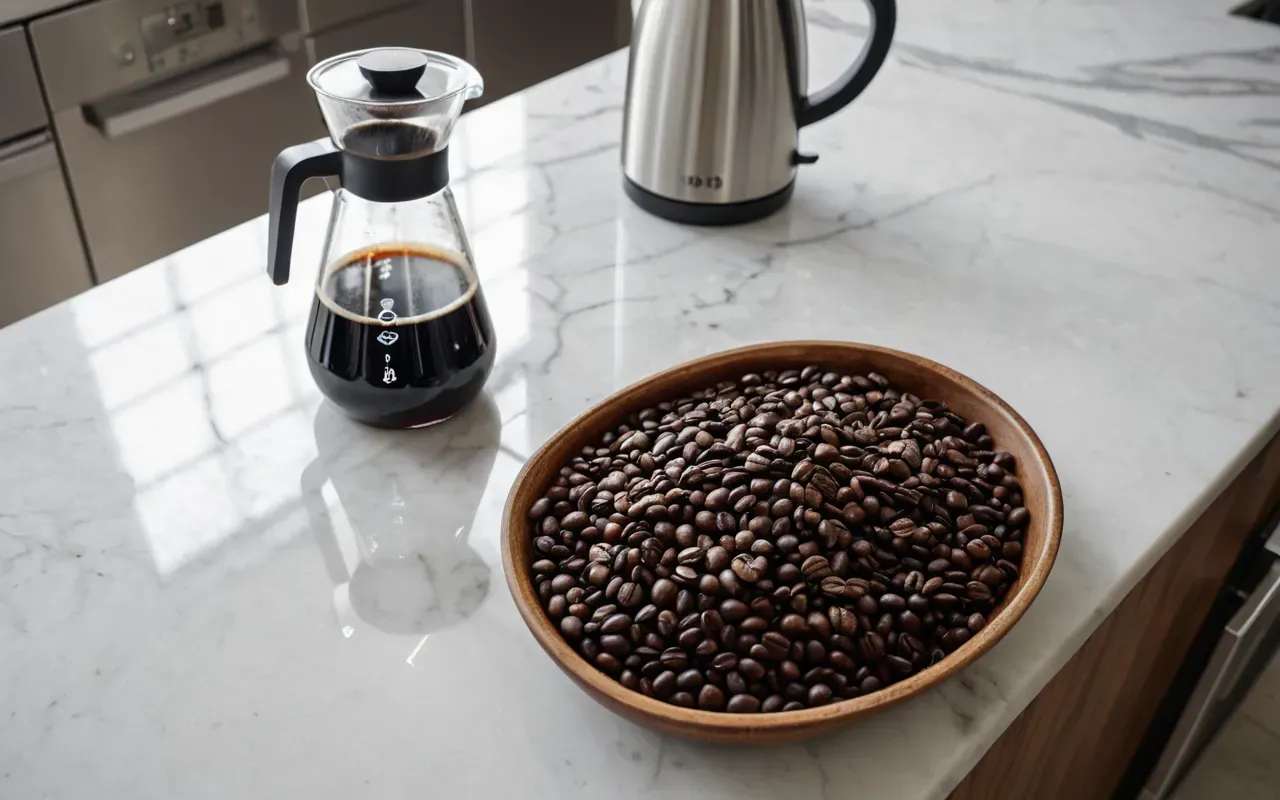
How to spot a legitimate local bean supplier
You do not need an MBA to evaluate a coffee company. You just need three questions.
First question. What is the exact harvest date of this lot?
If they say "recently" or "last season," walk away. Legitimate roasters track every lot by month and farm.
Second question. Who is the direct importer of record?
A real company can name a specific trading house or shipping agent. A fake one will mumble about "partners." That is your cue to leave.
The third question that exposes the truth
Ask them how long ago they roasted this specific bag.
Not the roast window. Not "within two weeks." The exact day.
If they hesitate, the bag is old. Period. Fresh coffee roasters know their production schedule down to the hour.
I tested this method at twelve different shops last month. Eight failed the third question.
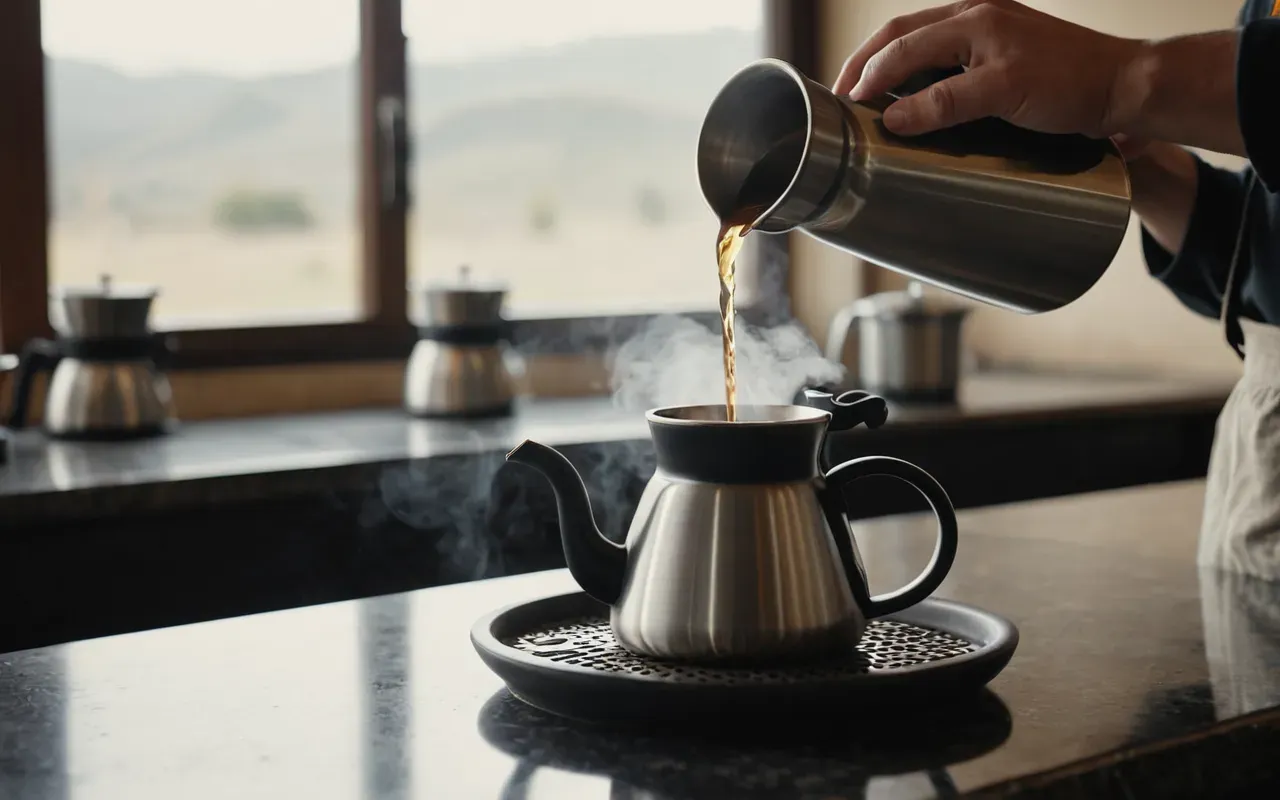
Why neighborhood cafés are outperforming the big brands
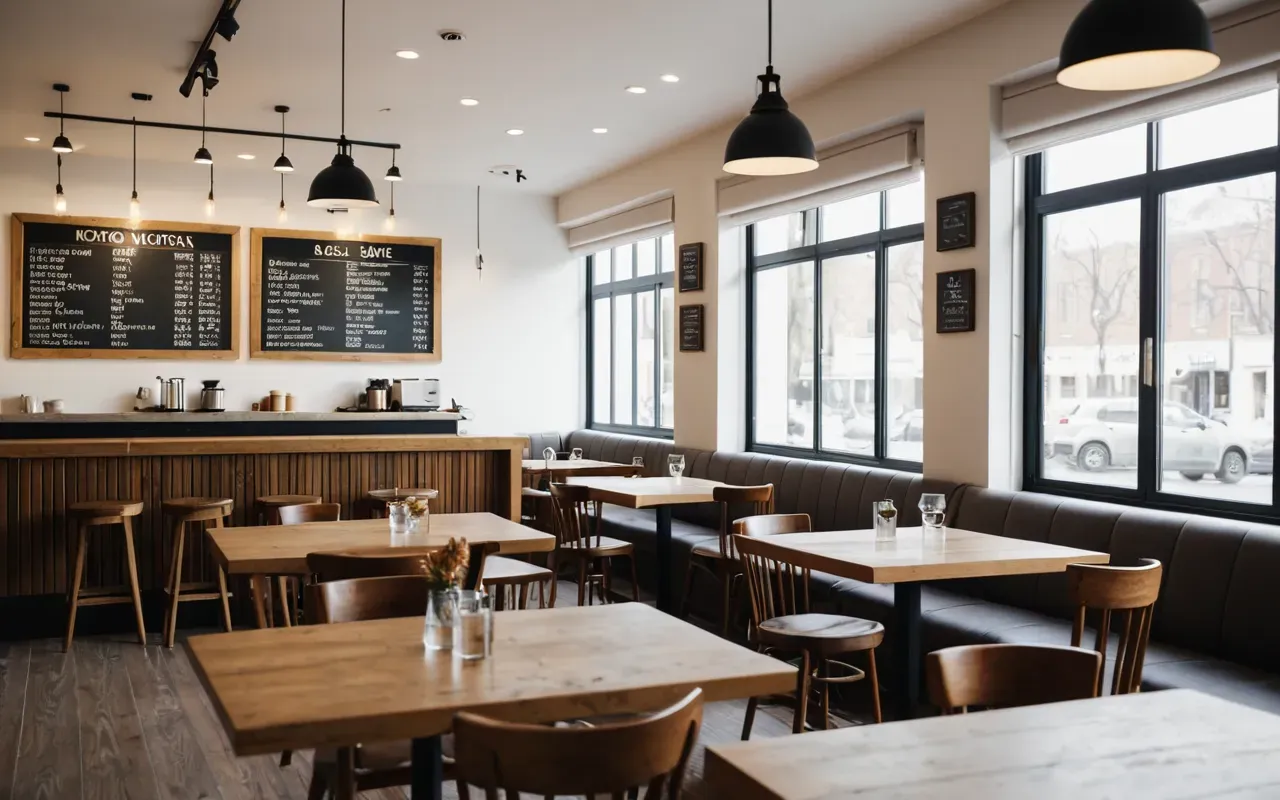
Here is what surprised me. The small corner café with four tables outperforms the roastery brand in customer loyalty.
Why? Because the café owner buys beans weekly from a local distributor.
The roastery brand ships monthly. The café gets beans that are five to seven days old.
The roastery brand ships beans that are twenty to thirty days old. That is the gap.
The economics of a small coffee shop vs. a roastery company
A café pays rent for a small space. Maybe four hundred square meters.
A roastery needs a warehouse. That is often five thousand square meters.
The café sells one hundred cups a day. The roastery ships ten thousand bags.
But the café's cost per cup is lower. No shipping. No packaging at scale.
That margin goes into better beans and faster rotation. The customer wins.
What this means for your Sunday coffee ritual
Your morning cup is not just a drink. It is the first decision of your day.
If that cup tastes flat or bitter, you carry that feeling into your emails.
I have noticed this pattern in myself. A good cup makes the morning feel controlled.
A bad cup creates a low-grade frustration that lingers for hours.
How to rebuild your morning routine around better beans
Stop buying the big brand bag from the supermarket shelf.
Visit a local café. Ask them where they buy their beans.
Then ask if you can buy the same lot for home use.
Most café owners will say yes. They want to sell more beans.
You get fresh beans at a lower price than the roastery brand charges online.
And you get a supplier who actually cares about your experience.
The brewing technique that reveals the truth about your beans
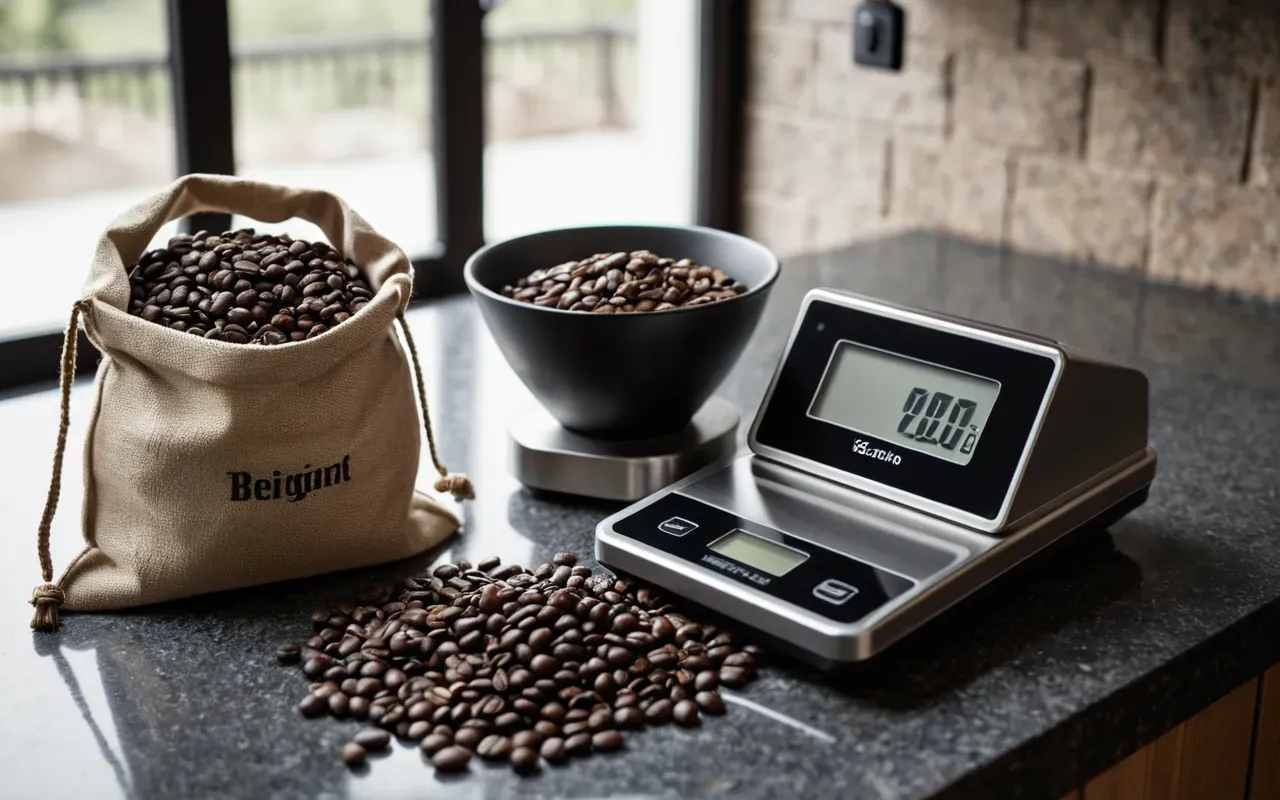
You can test any bag of coffee in ninety seconds. No expensive equipment needed.
Grind ten grams of the beans. Use a medium-fine setting.
Pour one hundred and fifty milliliters of water at ninety-two degrees Celsius.
Wait forty-five seconds. Then taste the first sip.
What to look for in that first ninety seconds
Fresh beans produce a clear, bright acidity. You will taste citrus or stone fruit.
Stale beans produce a flat, muddy taste. The acidity disappears entirely.
If you cannot distinguish the difference, your beans are old. No amount of grinding fixes that.
This test works every time. I have used it at cafes and in my own kitchen for years.
Frequently Asked Questions
What is the average shelf life of roasted coffee beans?
Roasted coffee beans stay fresh for two to three weeks after the roast date. After that window closes, flavor compounds break down rapidly and acidity fades completely.
Why do small coffee companies charge more for the same beans?
Small companies charge more because they buy smaller lots and pay for faster rotation. The higher price covers the cost of fresher beans and shorter supply chains without bulk discounts.
How can I find a local roaster that actually cares about quality?
Ask for the exact roast date and farm origin. If they can provide both without hesitation, you found a serious operator. Most casual suppliers cannot answer these two questions on demand.
What is the best brewing method to test bean freshness at home?
A simple pour-over with ninety-two degree water and a forty-five second steep reveals freshness best. Clear acidity means fresh beans. Flat taste signals old stock that lost its character during storage.


