
The Silent Failure of Pour Over Coffee
Look at your latest cup. It looks clean. It smells incredible. You probably believe it is perfect because you used a V or a Chemex. But there is a catch that most home brewers ignore entirely.
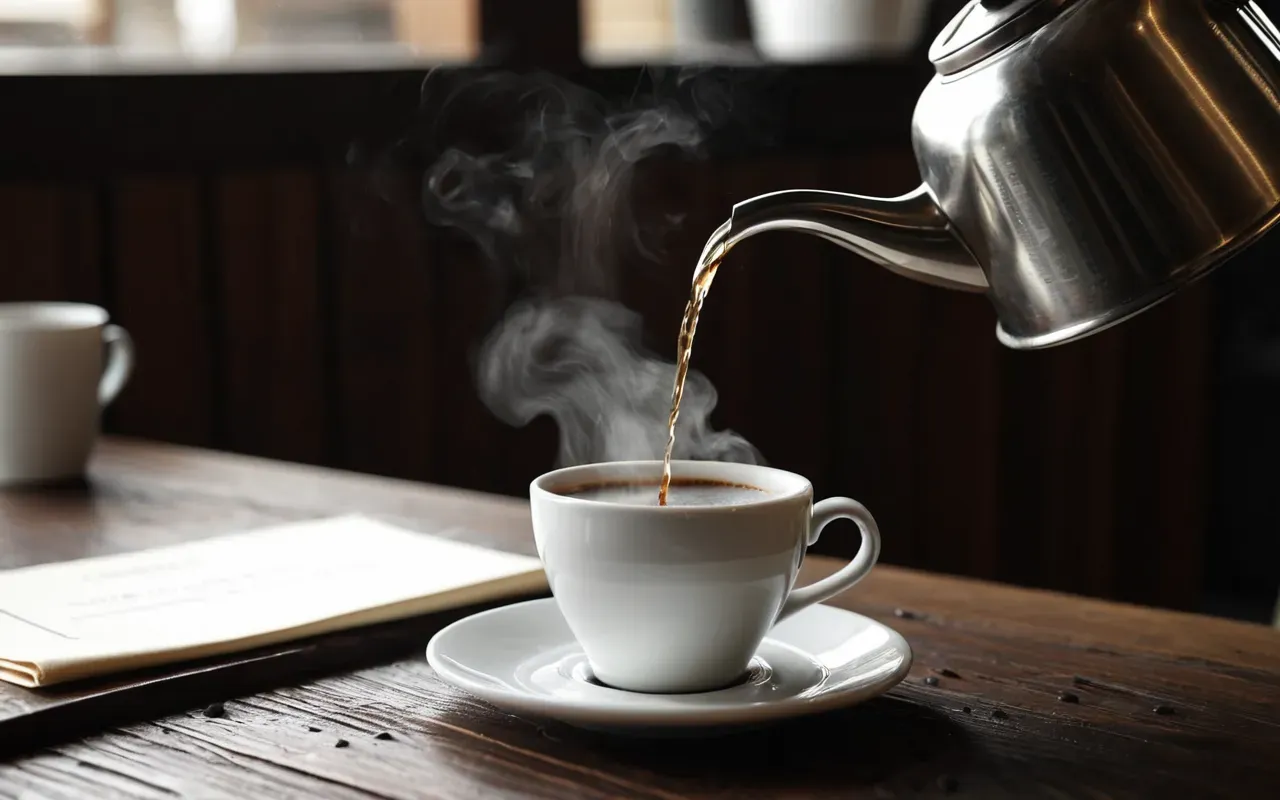
Drip coffee relies on gravity. Water flows through grounds and into a vessel below. Sounds simple, right? In reality it is a nightmare of variables for anyone trying to be consistent.
I spent weeks testing these methods at home. The results surprised me. Pour-over is not just about taste preference anymore; it is a battle against human error that most people lose without knowing.
Why Gravity Is Not Your Friend in the Kitchen
James Gray from Barista and Co shared an insight that stuck with me. He said consistency is very difficult with drip methods. That one sentence explains why your morning cup sometimes tastes bitter while the afternoon one feels bright.
The issue is channelling. Uneven grounds let water rush through certain spots and skip others. You get over-extracted bitter notes in one area and under-extracted sourness elsewhere.
You might think a good kettle fixes this. It does not. Temperature instability plays a huge role too. If the water cools down while you are pouring, the extraction rate changes completely mid-brew.
The Immersion Advantage You Are Probably Ignoring
Now let us talk about the other side. Immersion brewing puts grounds directly into water for a set time. No pouring. No monitoring flow rate. Just time.
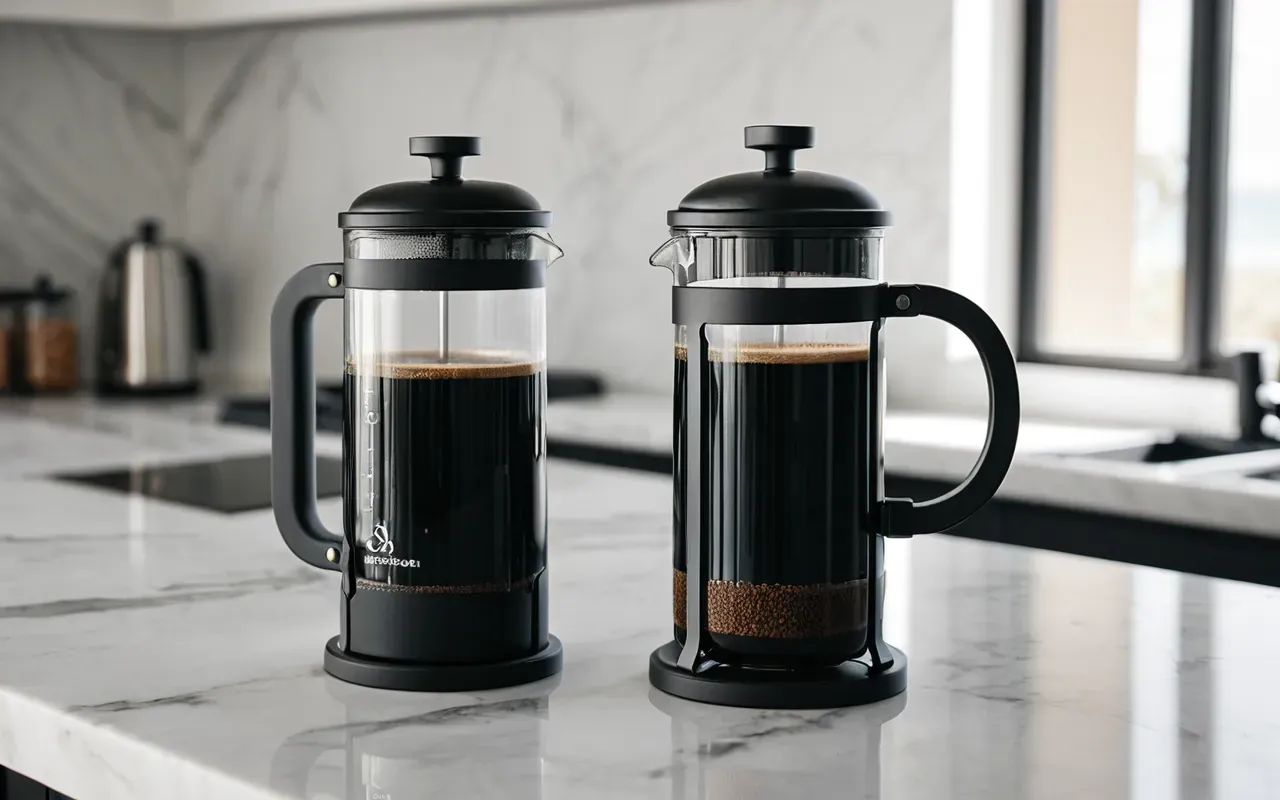
This method is famously forgiving. A French press or a Twist Press gives you more control over the final result because the variable list is much shorter and easier to master quickly.
How to Actually Fix Your Sunday Ritual Without Buying New Gear
You do not need to throw away your V. You just need to change how you approach the brew. If you love clarity and acidity, stick with drip but accept that it takes practice to get right.
If you want reliability and body, switch to immersion. The bypass method is a game changer here. Brew a concentrate then dilute it with water to get the perfect balance every single time.
Here is the thing. Most people think expensive gear solves brewing problems. It rarely does. Your technique and understanding of extraction matter far more than the price tag on your device.
What This Means for Your Weekend Coffee Experience
Sunday mornings are special. They should not be spent troubleshooting why your pour-over tastes like burnt cardboard again. Choosing the right method based on your skill level changes everything about that morning feel.
I started using immersion brewing on weekends after this realization. The cups were bolder yes but also way more consistent. That predictability turned my coffee break into a genuine moment of peace.
If you are looking for the best spots to enjoy this experience outside your home check out the 12 Best Coffee Shops Near You Are Hiding in Plain Sight which highlights hidden local gems that understand these nuances perfectly.
The Real Reason Your Expensive Beans Waste Their Potential
Buying single origin specialty coffee is pointless if your brew method masks its flavors. Drip brewing highlights acidity and floral notes beautifully when done correctly but fails miserably when rushed.
Immersion brewing brings out body and sweetness. It is less about peak acidity and more about depth. Your mileage may vary but for many of us that trade-off feels worth it on slow weekend mornings.
Stop blaming the beans. Start blaming your technique. The gap between good and great coffee is usually just a shift in how you handle water contact time during the brewing process.
Final Thoughts on Choosing Your Brew Method Wisely
There is no wrong way to make coffee. But there are inefficient ways that waste time and flavor. Understanding the difference between drip and immersion helps you pick what actually fits your lifestyle.
If consistency is your priority go immersion. If complexity and acidity are what you crave master the drip technique with patience. Your Sunday coffee deserves better than a coin flip outcome every time.


