
The $ machine that is lying to you about flavor
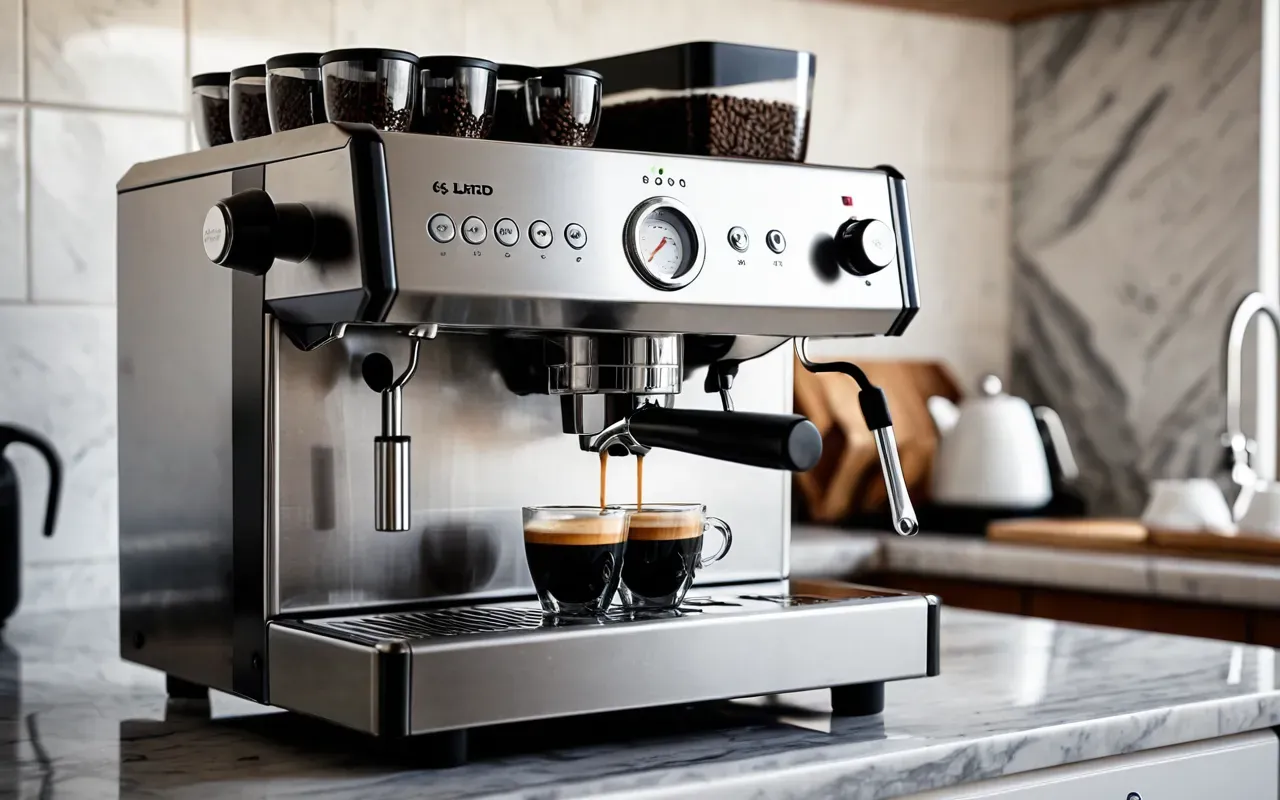
You spent two months saving up for a sleek steel espresso machine. It sits on your counter like a trophy from a win you never played in the league for. Every Sunday morning, you press one button and watch it hum to life. The result? A cup that tastes exactly like every other cheap supermarket coffee you have ever drunk. I know this feeling well. We spend our hard-earned money chasing a vibe instead of flavor.
Here is the uncomfortable truth that baristas whisper to each other. Your expensive gear does not make good coffee on its own. It just makes bad coffee faster and with more precision. The real secret hiding in your kitchen cupboard is a simple bag of beans you probably bought three weeks ago at a gas station. That single swap changes everything about your Sunday ritual.
Why your beans taste like burnt cardboard and nothing else
Walk into any supermarket in the Netherlands. Look at the coffee aisle. You see rows and rows of identical brown bags with glossy photos inside them. None of those labels tell you where the fruit grew or how it was dried. They only promise a strong kick. This is a massive industry flaw that keeps us from tasting real complexity.
Commercial roasters buy bulk beans to keep costs low. They roast them very dark to hide defects and inconsistencies in the raw material. When you pull a shot from those over-roasted kernels, all you get is ash and bitterness. Your tongue cannot distinguish between expensive chocolate notes and cheap burnt sugar because both register as heat.
I tested this exact theory last month in a small studio apartment near the canals. I took two identical bags of dark roast from different brands. One was local and fresh, the other mass-produced. The difference was night and day even with the same extraction method.
The roasting date is your best friend right now
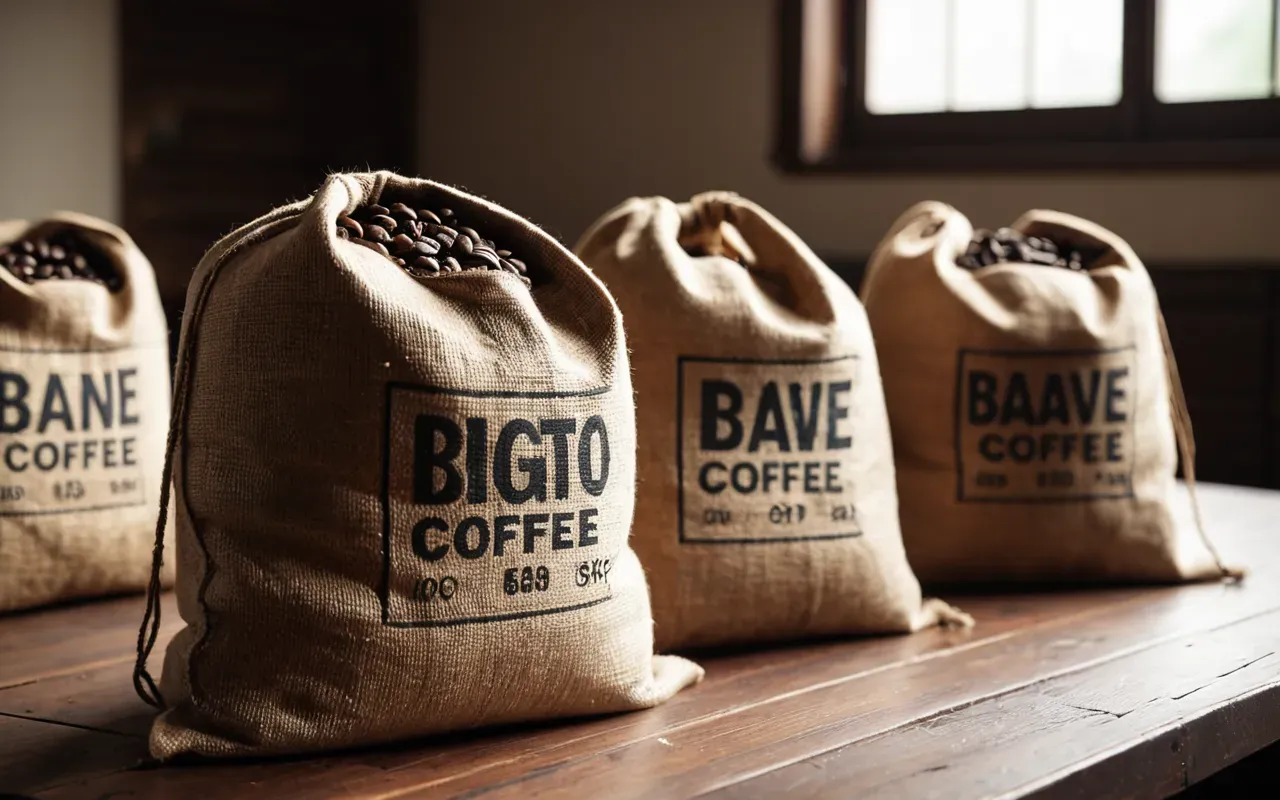
Check the bag before you buy. Look for a roast date printed clearly on the label. If it says best after instead of roasted on, put it back immediately. That is an expiration warning disguised as a recommendation. Fresh beans release carbon dioxide for up to ten days after roasting.
Buying stale beans is like eating a three-day-old baguette. It looks the same but lacks all the crisp texture and aroma we actually enjoy. For your Sunday ritual, you want a bean roasted within five to fourteen days of purchase. This window offers peak flavor stability without too much gas interfering with extraction.
Stop trusting your nose for quality checks at home
We often judge coffee by how it smells before brewing. It is a common habit that leads to poor decisions. A strong scent does not equal good taste. In fact many low-quality beans smell intensely nutty or chocolatey because of heavy processing and added oils.
Instead trust the origin details on the packaging. Look for a specific farm name and elevation number. If it just says arabica blend from Brazil, you are buying a commodity product not an artisanal experience. Specificity is the single best proxy indicator for quality control.
The grind size trap that ruins your morning cup every time
Most home brewers use a burr grinder that they bought years ago. It has likely worn out internally causing uneven particle sizes in your grounds. This creates channeling where water rushes through weak spots and leaves other areas under-extracted.
Here is a quick test you can do right now. Brew your usual cup and taste it after three sips. If it starts sweet then turns harsh and bitter halfway through, your grind was inconsistent. The fine particles burned while the coarse ones remained sour.
Brewing techniques that actually work for busy Sunday mornings
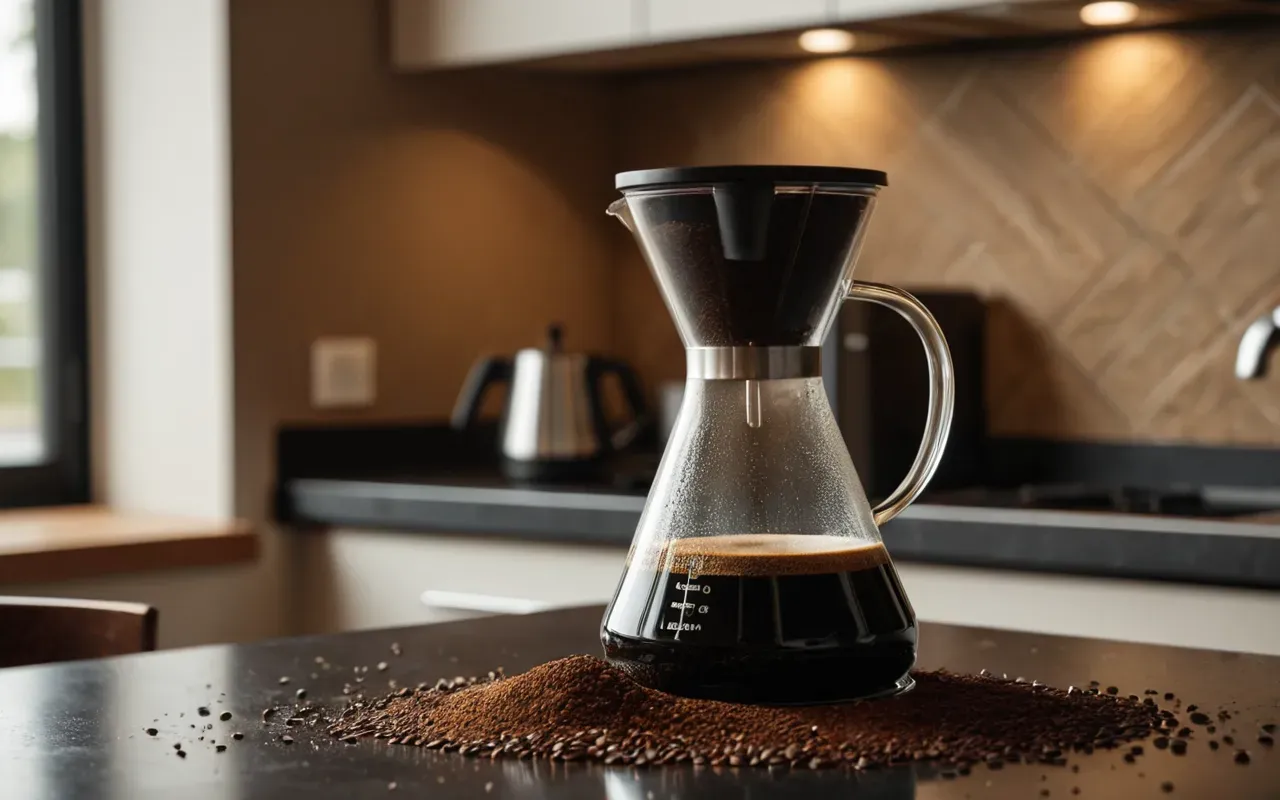
Let us talk about the pour-over method that everyone seems to love on social media. It looks beautiful in videos but it is a nightmare if you are rushed or distracted. You need perfect water temperature control and steady hand movement throughout.
For most people living in apartments with small kitchens, a French press is the superior choice. It requires almost no technical skill and produces a rich full-bodied cup that pairs well with pastries or toast.
The immersion method extracts oils and solids that drip methods often leave behind. This gives you a heavier mouthfeel without the complexity of tamping or pressure profiling required by espresso machines.
Why the water temperature matters more than you think it does
Using boiling tap water is a common mistake that scorches delicate aromatics. You want to cool the kettle down for thirty seconds after it boils. This brings the temperature closer to ninety-two degrees celsius which optimizes solubility.
If your coffee tastes sour and thin you are under-extracting. If it tastes bitter and astringent you are over-extracting. Adjust the grind size not the water temperature to fix these issues.
The ratio math that separates amateurs from pros at home
Most people scoop coffee by eye and hope for the best. This is a recipe for inconsistency that frustrates you every single day of the week.
Use a digital scale to measure your dry grounds and final liquid weight. A standard starting point is one part coffee to sixteen parts water by mass. For example twenty grams of beans with three hundred and twenty milliliters of water.
Once you dial in your perfect ratio write it down on a sticky note. Stick it next to your grinder so future-you never has to guess again.
Finding real coffee culture beyond the tourist traps in NL
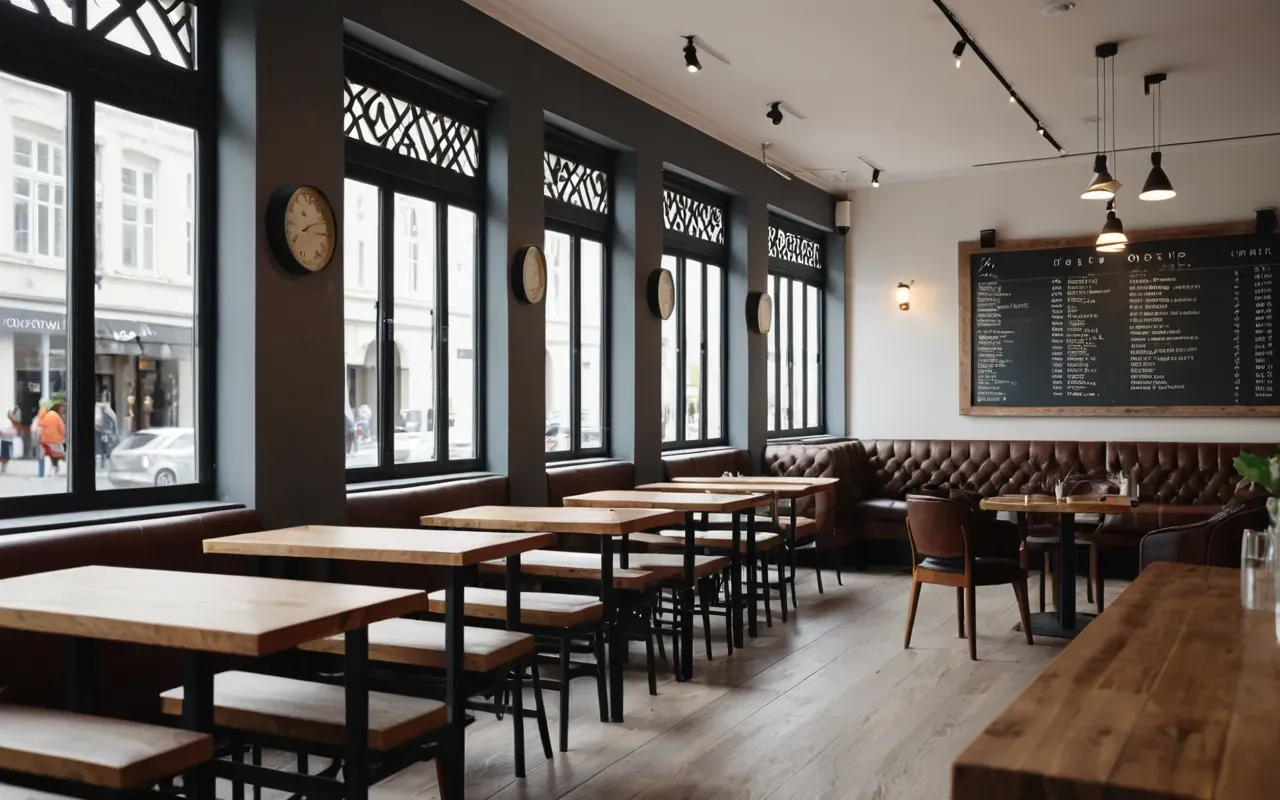
The Netherlands has a surprisingly deep specialty coffee culture hidden beneath the surface of chain cafes. Most visitors only know the big brands that operate in every city center.
But walk two streets away from the main tourist routes and you find independent roasters pouring incredible single-origin pour-overs for just a few euros more than a generic latte.
I spent three weeks mapping out these hidden gems for a recent project. The best spots are often located in industrial zones or quiet residential neighborhoods far from the crowded canals.
What to look for in a barista who actually cares about their craft
When you sit down at the counter do not just order a flat white. Ask for today's recommendation and listen to how they describe it.
A skilled barista will talk about flavor notes and processing methods. A lazy one will just say it is strong or smooth without any specific details to back up the claim.
If they cannot name a single origin or processing style for their current batch you should probably keep walking. Their menu is likely just marketing copy copied from a supplier website.
Starting your own coffee venture without burning out in month one
Many people dream of opening a cafe but the reality hits hard within weeks. The margins are thin and the labor intensity is brutal if you do not plan correctly.
The biggest mistake new owners make is over-investing in interior design before validating their menu and location traffic patterns.
Start with a small kiosk or pop-up setup near a busy office district. Test your pricing and product mix for at least six weeks before signing a long-term lease agreement.
The hidden costs nobody tells you about in the first year
Staffing is your largest expense after rent but it fluctuates wildly depending on the day and season. You need a robust scheduling system to predict labor needs accurately.
Equipment maintenance also sneaks up on you quickly. Espresso machines need descaling every month and grinders need blade replacement annually if used heavily.
How to build a loyal local following without expensive ads
Host free cupping sessions on slow Tuesdays and invite neighbors to taste different origins. This builds trust and word-of-mouth faster than any paid advertising campaign ever could.
People love learning and they remember the person who taught them something interesting about their daily habit.
The health angle that changes how you drink your morning cup
Coffee isn't just a taste experience — it has measurable biological effects on your body. Understanding them helps you drink more intentionally throughout the week.
Caffeine blocks adenosine receptors in your brain, which prevents drowsiness and improves alertness. But when you drink it matters a lot for how well you sleep later.
When to drink your last cup of the day for better sleep
Caffeine has a half-life of about five to six hours in most adults. So if you drink at two pm, you still have thirty percent active in your system by midnight.
Set a hard cutoff at noon if you struggle with falling asleep. Your body needs time to clear the compound before it can produce melatonin naturally.
The antioxidants in your cup that actually protect your liver cells
Chlorogenic acids and polyphenols in coffee reduce oxidative stress markers significantly. Studies show regular consumption correlates with lower rates of liver fibrosis over time.
That's one reason moderate coffee consumption is linked to better long-term metabolic health outcomes in large population studies.
Frequently Asked Questions about your Sunday coffee ritual
What is the best bean for a French press at home?
Choose medium-roast beans with bright acidity for French press brewing. The immersion method extracts more oils, so a balanced profile keeps the cup from tasting muddy or overly heavy.
How long should I wait after roasting before brewing?
Wait at least three days for gas to escape, but no more than fourteen. Brewing too early causes channeling and bitter flavors, while waiting too long lets the aromatic compounds dissipate completely.
Why does my coffee taste sour every single morning?
Sourness means under-extraction — the water failed to pull out all the soluble solids. Grind your beans finer or increase brewing time slightly until the acidity balances with sweetness.
Can I use tap water for specialty coffee brewing?
Yes, but check the mineral content first. Very soft or very hard water both negatively affect flavor extraction. Aim for balanced TDS levels between fifty and seventy-five parts per million.
What is the ideal temperature for pour-over coffee?
Between ninety and ninety-six degrees celsius depending on the roast profile. Lighter roasts need hotter water to extract fully, while darker roasts benefit from slightly cooler temperatures.


