
The laptop is the new regular customer
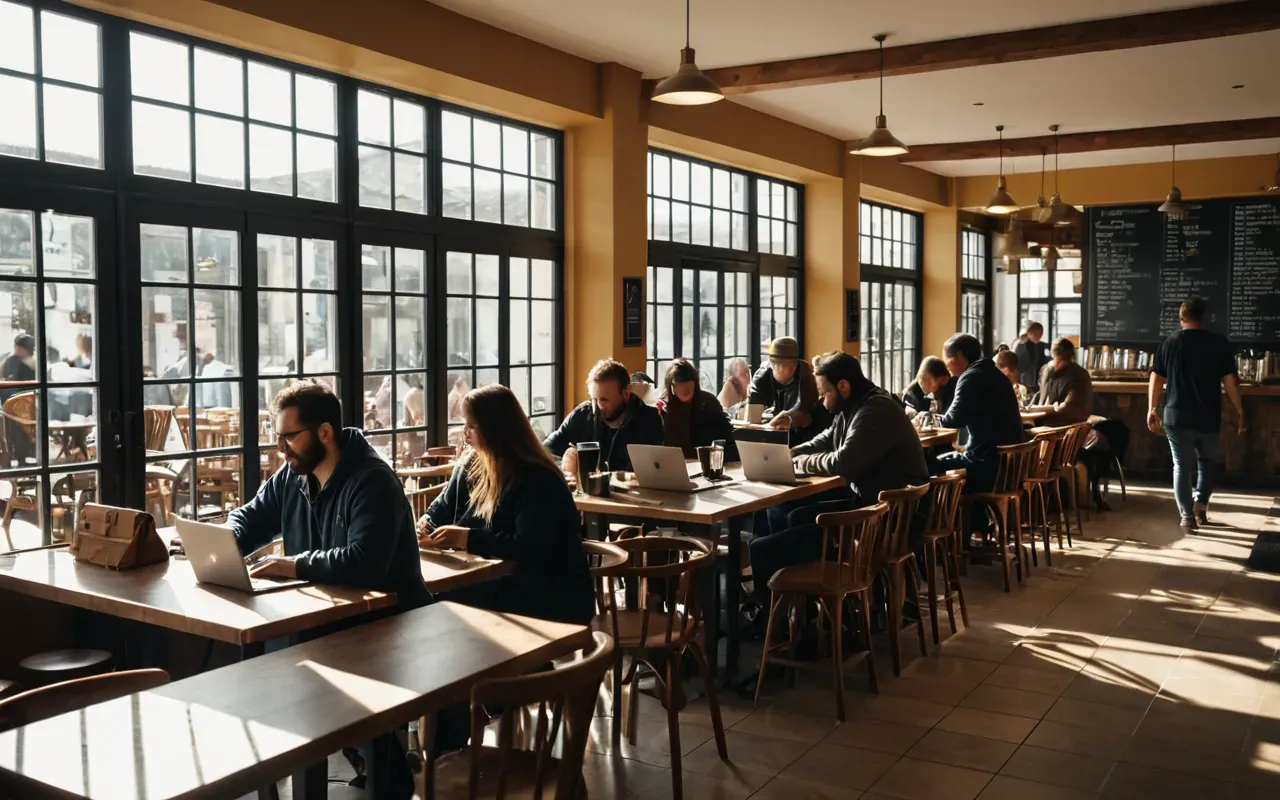
Walk into any decent neighborhood cafe right now and you'll spot it. One person, one cappuccino, four hours, laptop. Typing like the rent depends on it.
For years we treated them as an annoyance. A minor inconvenience at best. But the economic reality of that quiet stranger is nothing like what most owners assume.
The numbers behind the laptop economy
A recent deep dive into industry trends highlighted a massive shift in how people work. The report pointed to a .% annual increase in dedicated coworking spaces.
But the number that really caught my eye was about user base expansion. We are seeing a .% jump in the actual people using these flexible work environments.
This is not just corporate fluff moving from one office building to another. It is real money flowing into places that can accommodate a hybrid lifestyle.
Why the traditional office is losing its grip
Let us be honest about why this shift happened. It was not just a preference for better work-life balance, though that helps.
The cost of doing business at home
Working from a kitchen table for eight hours every day is mentally exhausting. It blurs the line between living and earning in a way that feels impossible to sustain long term.
The social isolation factor nobody talks about
I spoke to a few freelancers recently and the feedback was strikingly similar. They miss the casual human interaction of an office environment.
Cafes as the perfect middle ground
A cafe offers that social buzz without the rigid structure of a corporate office. It is low stakes and high reward for both the worker and the business owner.
How smart cafes are restructuring their floors
You cannot just throw a desk in the corner and call it done. The spatial design is what separates a viable workspace from a noisy distraction.
The art of zoning for different needs
Successful establishments create distinct areas with specific purposes. This is where the real magic happens and revenue starts to climb.
The focus zone for deep work
This area needs to be quiet. It requires comfortable chairs and adequate lighting but should not encourage socializing or large conversations.
The meeting zone for collaboration
Here you want larger tables and perhaps a whiteboard. It is designed for groups who need to bounce ideas off each other in a semi-private setting.
The technology that actually matters
We often overthink the aesthetic and underinvest in the basics. A pretty cup of coffee means nothing if you cannot send an email.
Internet speed is non-negotiable
If your Wi-Fi drops out every time a large video loads, you have lost the customer. They will not forgive it and they will definitely tell others.
Power outlets are currency
I have seen entire sections of a cafe go unused simply because there were no accessible plugs. Make sure every table has easy access to electricity.
Who wins and who loses in this shift
It is not a zero-sum game, but there are clear winners here. The businesses that adapt quickly will capture the most value from this trend.
The specialized cafe wins big
If you cater specifically to remote workers, you become their second home. They will spend more and stay longer because the environment supports their workflow.
The local market is your true compass
What works in one city might fail completely in another. You need to understand the specific economic and cultural drivers of your immediate area.
Reading the signals from your customers
Pay attention to how people use your space. Do they sit alone or in groups? Do they work during peak hours or off-peak times? The data is right there.
Starting small with a pilot zone
Do not blow up your entire budget on renovations. Start by converting one corner of the shop and seeing how it performs over a few weeks.
The bottom line for small business owners
This is not a fleeting fad. It is a fundamental shift in how work gets done that will reshape the cafe industry for years to come.
Flexibility beats rigid planning every time
The businesses that survive and thrive will be those willing to change their layout, pricing, and services based on real customer feedback.


