Differences Between Espresso and Dutch Filter Coffee
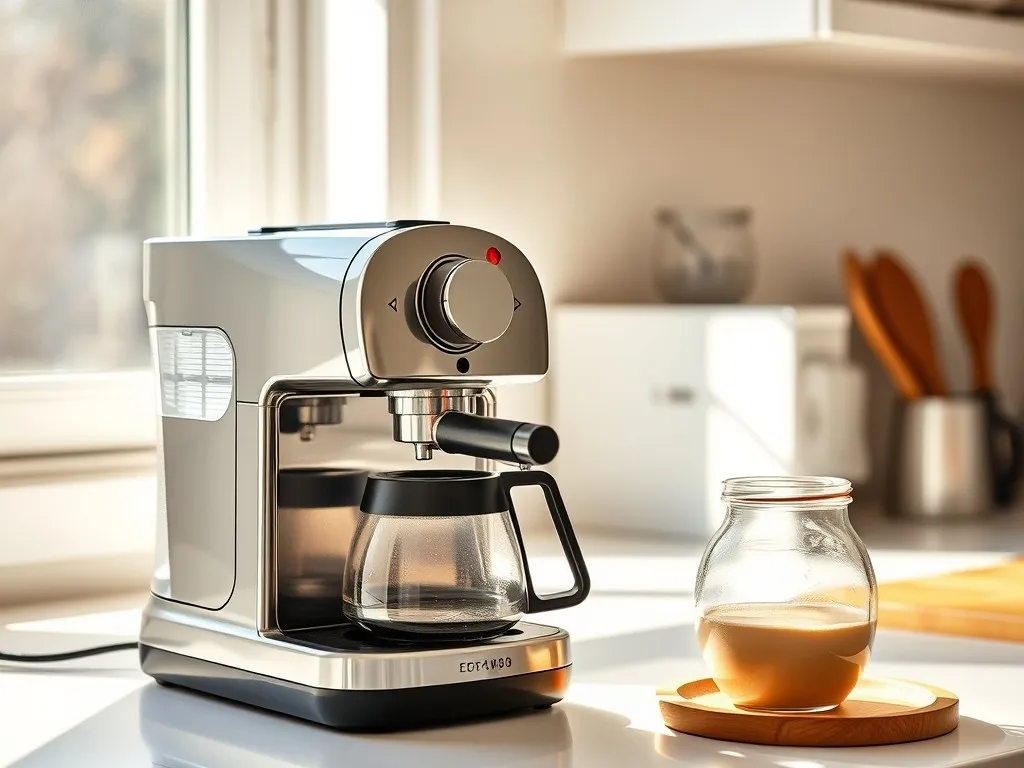
Espresso is a small, intense shot pulled under high pressure from a very fine grind and, usually, a darker roast. Dutch filter coffee is a larger, gentler cup made by letting water pass through a coarser bed of grounds at normal pressure, typically from lighter-roasted beans. Espresso lands concentrated and syrupy; filter coffee is lighter, more aromatic, and usually carries more total caffeine per mug because there is simply far more liquid in it.
The mechanics explain the rest. Espresso needs a very fine grind that acts as a barrier to the water so pressure can build up in the machine, and that pressure is what forces flavour out in seconds. Filter coffee wants a coarser grind, starting at medium, because too fine a bed clogs and over-extracts into a bitter cup. One method pushes water through resistance; the other lets water soak through a loose bed and drain.
The serve sizes differ just as sharply. A single espresso is a concentrated serve, often no more than about 40 ml, while filter coffee is mostly water by volume. That gap in dilution is why the two drinks feel unrelated in the mouth even when they start from the same beans.
Brew the same beans both ways and you get two genuinely different drinks, not a strong version and a weak version of one. The chain runs in one direction: the ratio sets the grind, the grind sets the resistance the water meets, and the resistance sets the roast that suits it. Choosing a method therefore means choosing a whole chain of decisions rather than a single setting.
Grind and Ratio: Why the Numbers Diverge So Sharply
Start with the dose and the water, and the gap between the two methods becomes obvious. A double espresso takes roughly 20 grams of coffee and pushes at least 40 ml and at most 60 ml of water through it. Filter coffee uses about the same 20 grams but spreads it across 300 ml of water, and a looser 10 gram to 100–150 ml ratio works just as well for larger brews.
That difference in water volume sets the grind. In espresso, the puck has to resist pressurised water long enough to build flavour, so the coffee is milled fine. In a filter cone, water passes through by gravity alone, and the same fineness would stall the flow, over-extract the bed and leave you with a bitter, muddy cup. Coarse grounds let the water move at the right pace for the larger volume.
Both methods aim at the same window: extraction between 18 and 22 percent of the bean's soluble material, out of a theoretical maximum near 30 percent. Below 18 percent the coffee tastes underdeveloped and thin; above 22 percent, unpleasant flavours dissolve into the cup. Espresso reaches that window in under half a minute through pressure, while filter coffee takes several minutes of steady dripping.
So the grind is not a preference, it is a consequence of your ratio. Decide how much water you want per gram of coffee, then set the grind to match the resistance that method needs. Anyone brewing for guests may also want to know a little about Dutch coffee etiquette and customs before the first cup is poured.
Roast, Taste and Texture: Light and Aromatic Versus Dark and Syrupy
Roast level follows from the brew method, not the other way around. Filter coffee is usually roasted light to medium light, because a long, gentle brew pulls flavour slowly and delicate floral and fruity aromatics survive the soak. Espresso is usually roasted medium to dark, since a short, forceful extraction at pressure needs a roast with enough development to hold its structure.
That difference shows up directly in the cup. Espresso lands as a concentrated flavour bomb: cocoa, caramel and toasted notes dominate, and they push subtler ones aside rather than sitting beside them. Filter coffee reads as brighter and more layered, because the gentler method leaves room for nuance instead of flattening it.
If you want to taste what a bean actually contains, a light roast through a filter is the clearer window. If you want a dense, syrupy hit that fills the mouth in a few sips, a darker roast through espresso delivers it. Neither is better; they answer different questions about what you want from the cup.
The roast is chosen to survive the brew, so the brew decides what the roast can taste like.
Strength Versus Caffeine: The Confusion Most Drinkers Share
A shot of espresso is routinely described as stronger than an ordinary cup of coffee, and the difference in intensity is easy to notice. The mistake is assuming that intensity of flavour tracks caffeine content. It does not. Strength is a measure of concentration and taste; caffeine is a separate measurement entirely, and the two often move in opposite directions.
What drives caffeine into your cup is largely contact time, the minutes during which water sits against the grounds and draws the soluble compounds out. Espresso passes water through a small, densely packed dose in roughly half a minute. A filter brew keeps water in touch with the coffee for several minutes, which extracts more caffeine per gram of grounds. That longer soak is the mechanism behind the difference, not the pressure.
Then comes volume. A mug of filtered coffee uses far more water and often more coffee overall than a single espresso, so the drink in front of you can contain at least twice the caffeine of a shot. Judging by taste alone will mislead you here. The small, syrupy cup that feels powerful may leave you less stimulated than the mild, generous mug beside it.
Treat flavour intensity and caffeine as two dials, not one. If you want the taste of espresso without the late-afternoon jitters, drink a single shot early; if you want a long, gentle cup to linger over, a filter brew is the more honest choice, caffeine included. The history of Amsterdam's coffee houses shows how long drinkers have been sorting out exactly this trade-off.
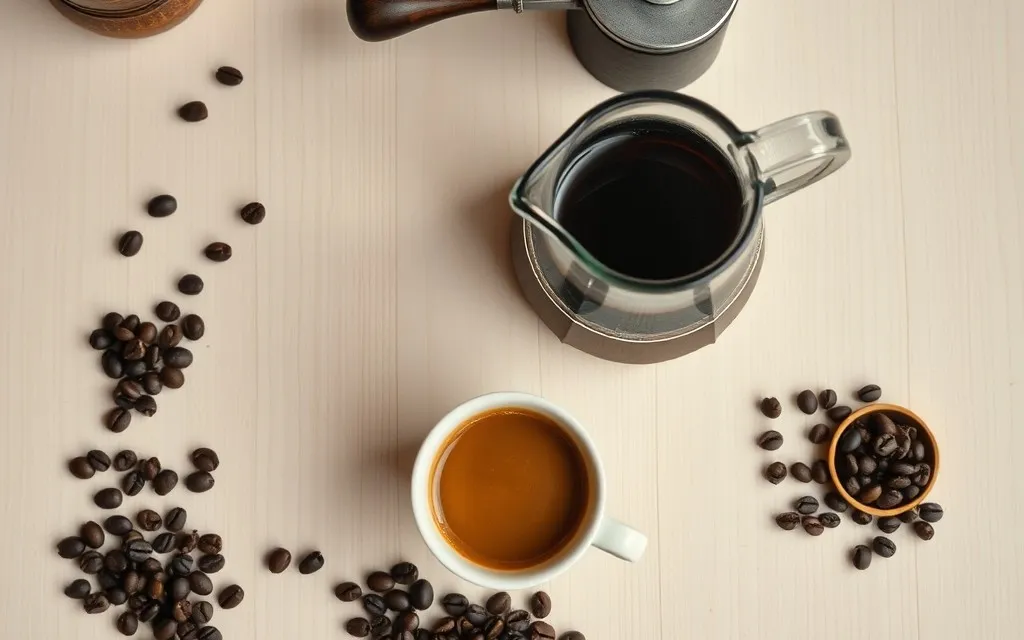
A Simple Rule for Choosing Your Sunday Cup
Before you touch a grinder or a kettle, ask one question: do you want concentration or duration? Concentration points to espresso, a small volume where every gram of coffee carries the flavour. Duration points to filter, a larger brew you return to across the morning. Everything else — grind, roast, equipment — follows from that answer.
Choose espresso when the drink itself is short and intense, when you want milk folded through it, or when the pleasure lies in the slow ritual around one carefully pulled shot. Choose filter when you want a long, aromatic mug to carry you through a morning, or when you are brewing for several people at once and need volume without standing at the machine for each cup.
Your grinder has a say too. Espresso demands a fine, consistent grind that resists pressure; filter wants a coarser one that lets water pass evenly. If your grinder handles only one range well, let that settle the method rather than fighting the equipment you own.
So the rule is simple. Sunday morning alone, chasing a dense, sweet hit: pull a shot. Sunday with company, or a slow read by the window: brew filter. Answer concentration or duration first, and the rest of the decision makes itself.
Common Mistakes When Switching Between the Two
The most common failure is carrying an espresso grind into a filter brewer. Espresso needs a fine, powdery bed to build resistance; a filter brewer needs a coarser one, starting around a medium grind. Pack the fine stuff into a cone and the water stalls, over-extracts, and delivers a harsh, bitter cup that tastes nothing like the beans deserve.
The second trap is expecting a light filter roast to turn rich and syrupy under pressure. It usually won't. Light roasts are built for clarity and aroma in a long brew; pulled short, they can read thin and sharp. If you want density and sweetness, start with a darker roast rather than pushing a delicate one through an espresso machine.
Taste is a poor caffeine gauge. Espresso's small volume and intense flavour make one shot feel stronger than a mug of filter, so drinkers often top up with more shots than they intended. Measure by volume and dose, not by how bold the sip seemed.
Changing beans and method at once ruins the diagnosis. If the cup disappoints, you cannot tell whether the roast or the technique is at fault. Hold one variable still, adjust the other, and taste again.
Frequently Asked Questions
Can I use the same beans for espresso and filter coffee?
Yes, you can use the same beans for both, though the roast level usually differs. Filter coffee is typically roasted light to medium light, while espresso is usually roasted medium to dark. That means a dark roast suits espresso and a light roast suits filter, so match the roast to the method you brew most.
Why does my filter coffee taste bitter even though I used a light roast?
Bitterness in filter coffee usually comes from over-extraction rather than the roast. A grind that is too fine slows the water and pulls out harsh compounds, and extraction above 22 percent also dissolves negative flavours into the cup. Coarsen the grind and shorten the contact time before blaming the beans.
Is a double espresso really stronger in caffeine than a large mug of filter coffee?
No, the large mug of filter coffee usually wins on total caffeine. Filtered coffee can contain at least twice the caffeine of espresso, because caffeine in the cup is heavily tied to how long water stays in contact with the grounds. Espresso is concentrated in flavour and strength, not in caffeine.
Do I need a different grinder for espresso and filter brewing?
You need one grinder capable of both a very fine and a coarser setting, not two separate machines. Espresso demands a fine grind that lets pressure build, while filter wants a medium grind, and too fine a setting there causes over-extraction and bitterness. Check that your grinder adjusts finely enough before buying.
For the full overview, see coffee preferences in holland.
Related in this series: how to brew dutch coffee, best specialty coffee rotterdam.