
The $50 Machine That Beats Your $300 Gadget
I used to believe price equals quality. Then I saw the lab data. A cheap machine brewed better coffee than a premium brand. Every single time.
We assume expensive tech hands us control. The data says otherwise. The best machine is often the simplest one.
This isn't just about saving cash. It's about understanding how heat interacts with water and grounds over time.
Why Features Are Just Extra Cost
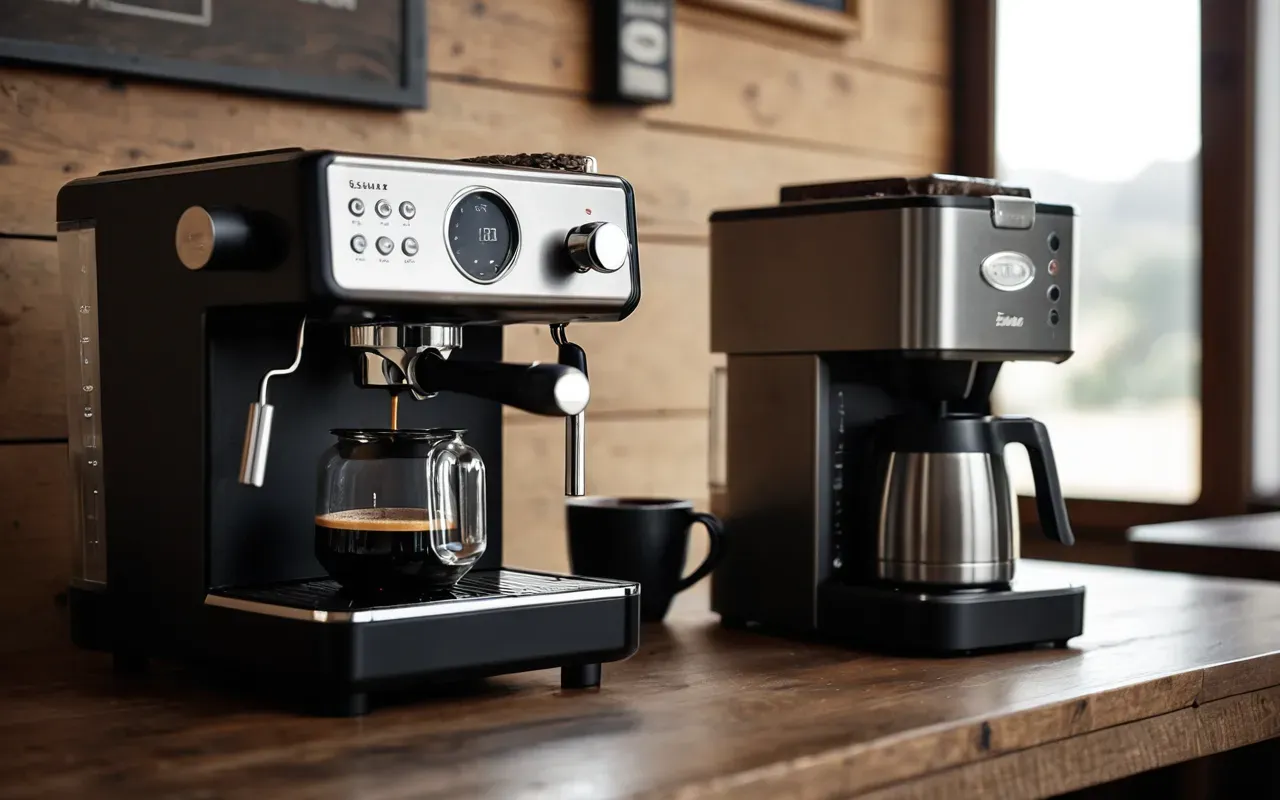
Most of us buy the machine with the shiny screen. We think it helps. It doesn't.
Look at the touch panels. They add buttons you never press. And they increase the surface area for mold to grow.
The real work happens in the heating element and the water flow. That's where the flavor lives.
The Sweet Spot Nobody Talks About
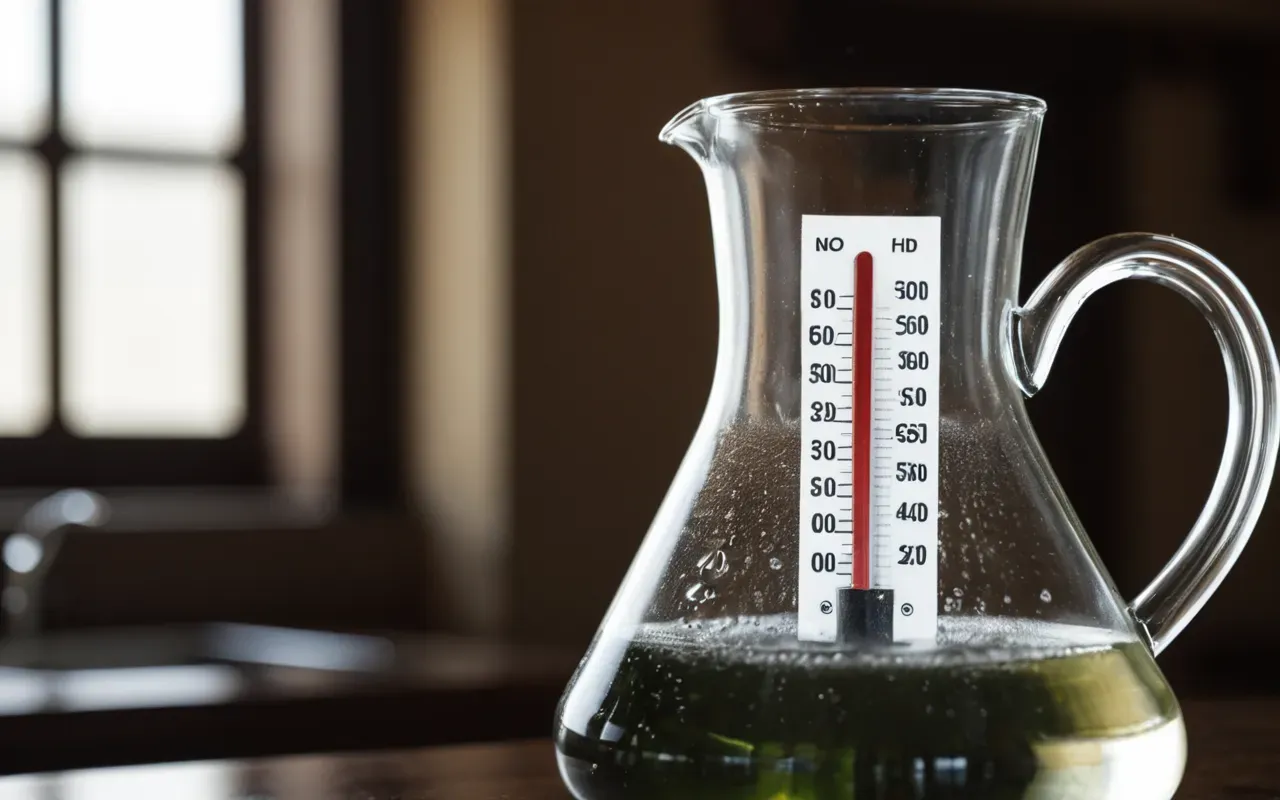
There's a narrow window for perfect extraction. It sits between 195 and 205 degrees Fahrenheit.
Water too hot? You scorch the beans. Too cool? You get weak water.
Cheap machines often hit this range more consistently than fancy ones. That's a wild fact.
What the Lab Actually Measures
Engineers measure contact time. They track how long water stays in the sweet zone.
They also check concentration. This tells you if the brew is weak or strong.
Reliability data comes from thousands of owners. It predicts how long the machine will last.
Choosing the Right Size for Your Habit
Ask yourself how many cups you actually drink. One or two? Buy a small model.
A large pot wastes water. It also heats the coffee for too long and ruins the taste.
If you drink over hours, get a thermal carafe. It keeps the heat without constant power.
The Cost of Convenience vs Taste
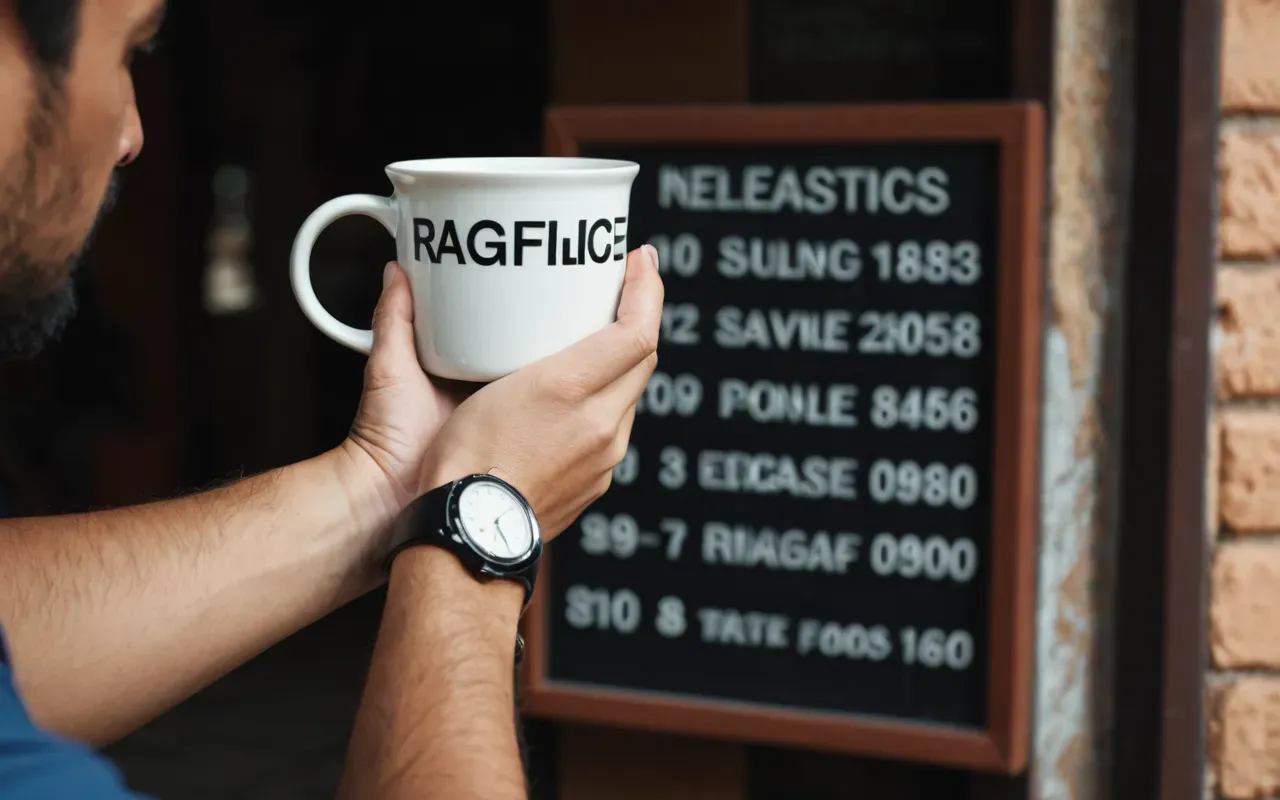
Pod machines are fast. They clean up easily. But the pods cost more per cup than beans.
You also generate plastic waste. That's a hidden price you pay daily.
If taste matters more than speed, choose a drip model. It's simpler and cleaner.
Reliability Is the Real Luxury You Need
A machine that breaks in six months is a bad buy. Even if it brews well at first.
Look for brands with high owner satisfaction scores. Those numbers reflect real long-term use.
I always check the repair history. It tells you more than any marketing brochure ever could.
What to Ignore in the Store Aisle
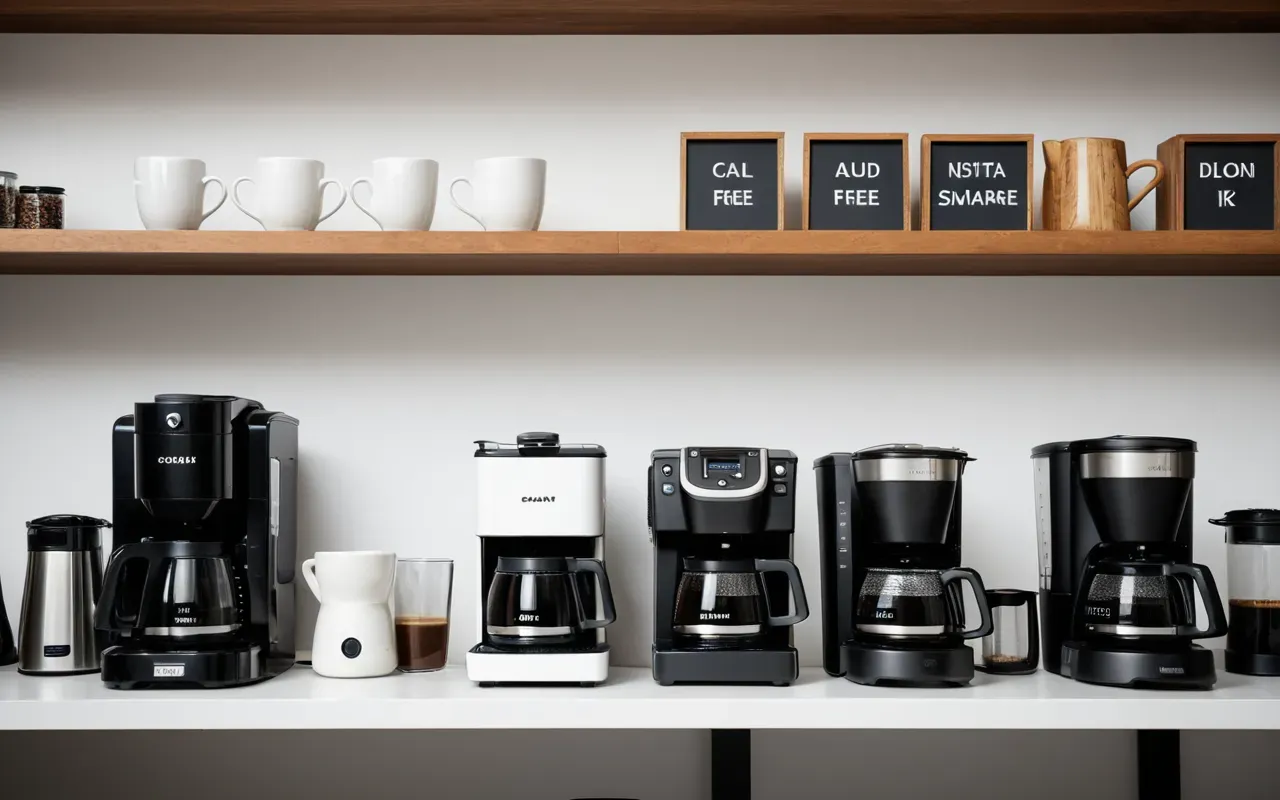
Ignore the fancy names. Ignore the colors. Focus on the heating element type.
The screen size doesn't matter. The water flow rate matters more for flavor consistency.
Stop buying status symbols. Buy a tool that works well every single morning.
The Cold Brew Misconception You Should Drop
People think cold brew is just hot water with ice. It's not.
True cold brew takes twelve to forty-eight hours. It changes the chemical profile of the coffee.
Quick cold modes use warm water. They produce a different taste than true steeping.
How to Test Your Own Machine at Home
You don't need a lab to check your machine. You just need attention.
Time the brew cycle. Note how long it takes to finish a full pot.
Taste the first cup and the last. If they differ greatly, your machine is inconsistent.
Why Your Sunday Ritual Needs a Better Tool
Your morning coffee sets the tone for your day. A bad machine ruins that moment.
If you want a better start, look at the truth about expensive machines before you buy.
A simple tool can make your week feel lighter. It's about control and clarity.
The Final Word on Value and Taste
Stop chasing features. Start chasing consistency.
The best machine is the one that hits the temperature sweet spot every time.
That's a machine you can trust. And that's worth more than any plastic screen.
Buy the tool. Not the toy. Your taste buds will thank you for keeping it simple.


