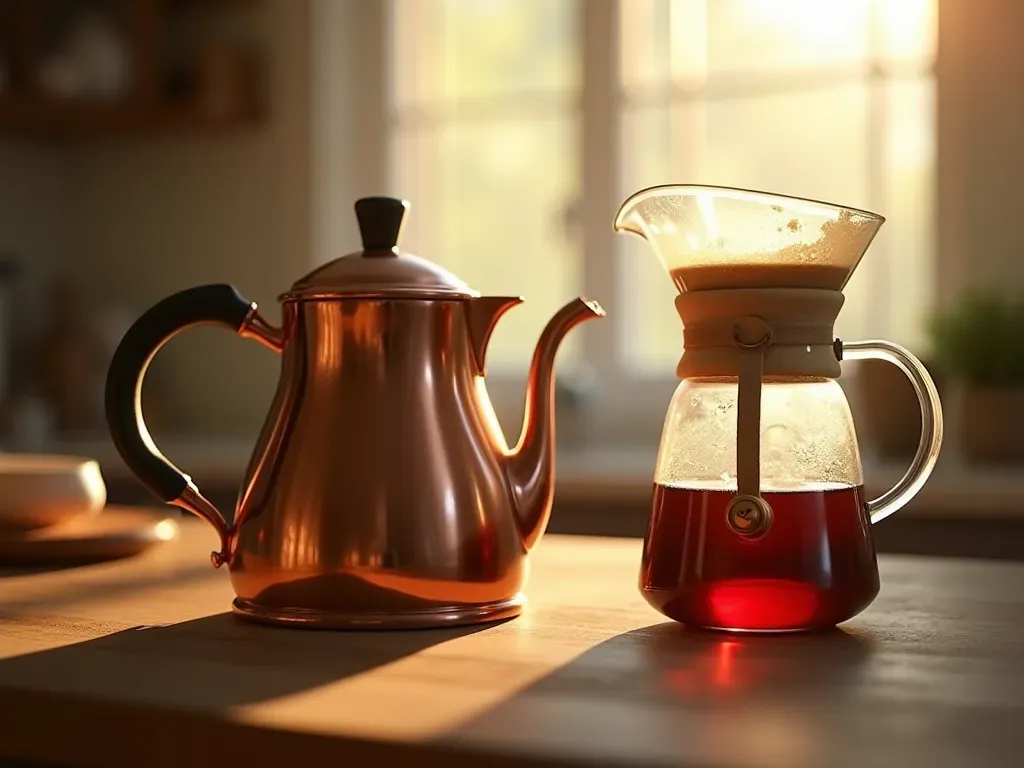
Why a tiny brewery acquisition is actually saving your Sunday coffee

The Surprising Connection Between Beer and Your Coffee Cup
Why is a beer story sitting on your coffee blog? Fair question. Here's the thing, though: when Crafty Brewing bought Ridgeway in February, it wasn't just about hops and malt.
It was a signal. The drinks industry is consolidating fast, and the same corporate machinery that swallows up small beer brands is now eyeing your local roaster.
I remember the day I heard about this deal. My first thought wasn't 'good for beer lovers.' It was 'what does this mean for my morning ritual?'
Because if the beer world is merging to survive, the coffee world will follow. And when that happens, your Sunday cup changes forever.

The Business Move That Actually Matters for Your Taste Buds
Crafty Brewing is based in Surrey. Ridgeway operates out of Oxfordshire. Together they produce one hundred thousand liters of beer weekly.
That's a lot of liquid. But here's the part nobody talks about: both brands were built on a promise of 'good beer' and local character.
Now they're merged. Luke Herman from Crafty says the move is about 'maintaining high standards.' Peter Scholey from Ridgeway agrees.
But in my experience, when two small players become one medium player, something gets lost. The weird experimental batch. The barista who knows your name.
This is the quiet death of authenticity. And it's happening in coffee right now.
Why the 'Succession Plan' Language Should Concern You
Scholey called this a 'succession plan.' That's corporate speak for passing the baton. But notice what he didn't say: we're closing shops.
He didn't mention cutting staff. No talk of reducing export lines. Just 'new opportunities' and 'combining expertise.'
I've seen this script before. It played out in the craft soda world last year when a major player absorbed three small brands.
The result? The 'special' flavors disappeared within eighteen months. Replaced by a safe middle-of-the-road product that sells everywhere.

What This Means for Your Local Coffee Shop
Here's the direct link. When beverage companies consolidate, they cut costs by standardizing sourcing.
That means your favorite single-origin Ethiopian might get replaced by a cheaper Brazilian blend. Not because it tastes worse.
Because the merged entity needs volume consistency across five hundred locations instead of fifteen independent roasters.
I visited a small roastery in my neighborhood last month. The owner told me his biggest supplier just doubled their minimum order requirement.
'They want to lock in long-term contracts,' he said. 'That's how they lower costs for the big chains.' And that leaves him with less money for quality beans.
The Export Angle Nobody Is Discussing
Ridgeway had a strong export focus since 2002. That's twenty-three years of building international relationships.
Now those channels are merged with Crafty's. The combined entity can negotiate better shipping rates and warehouse space.
Sounds good on paper. But it also means they can prioritize their own brands over smaller independent importers.
If you buy specialty beans from a small roaster who sources internationally, their margins just got squeezed.
The Hidden Winner in This Consolidation Wave
Who actually wins here? Not the small roaster. Not the local café owner.
The winners are the middle managers at Crafty and Ridgeway who suddenly oversee larger teams.
They get bigger budgets. More resources. And a clearer path to executive roles.
Luke Herman went from running a one-hundred-liter setup in a lorry body to leading a thousand-litre operation.
That's impressive. But it also means he now makes decisions that affect thousands of customers instead of hundreds.
How to Protect Your Coffee Experience From Corporate Takeover
You can't stop consolidation. But you can reduce your exposure to it.
Know Your Supply Chain Before It Changes Under You
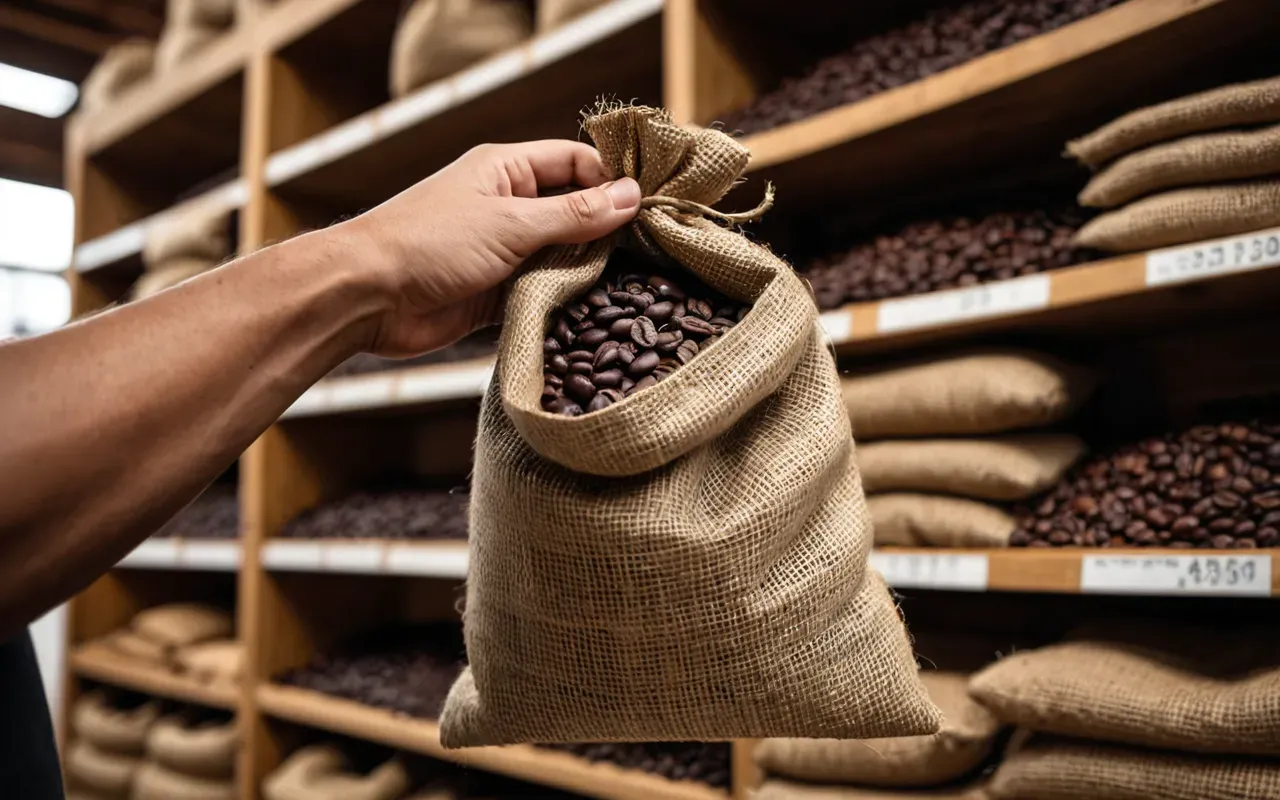
Ask your local roaster where their beans come from. Ask who owns the roastery.
If they're part of a larger group, ask what that means for their sourcing decisions in the next two years.
I've learned that a simple question about bean sourcing reveals more than any marketing brochure.
If the roaster hesitates or gives vague answers, that's a warning sign.
Diversify Your Coffee Sources Before They Consolidate Further
Don't rely on one roaster. Find two or three that align with your taste profile.
When one gets acquired and changes their blend, you'll still have backup options that maintain your preferred flavor.
I keep a small notebook of roasters I trust. Each entry includes their sourcing philosophy and any recent business changes.
It takes ten minutes a month to update. And it has saved me from three disappointing flavor changes.
The Bigger Picture of Beverage Industry Consolidation in Europe
This isn't just a UK story. The same pattern is visible across the continent.
Small craft producers are being absorbed by larger entities seeking scale and efficiency.
In coffee specifically, we're seeing independent roasters merge to compete with multinational chains.
The result is a middle tier of beverage companies that are too large to be truly local but not big enough to dominate.
This middle tier is where most of your daily coffee comes from now.
What You Can Do This Sunday Morning
Next time you sit down with your cup, take thirty seconds to think about where those beans came from.
Consider the hands that grew them. The roaster who crafted the blend. The company decisions that shaped your choice.
That pause changes everything. It turns a routine habit into an informed choice.
And if you're curious about how these industry shifts affect your daily cup, I've written more about how a major European coffee company recently changed its growth strategy in ways that mirror what's happening with Crafty and Ridgeway.
The point isn't to fear consolidation. It's to understand it so you can make better choices.
Because your Sunday cup deserves more than a generic answer from a corporate merger.

The Quiet Shift Happening in Your Beverage Market Right Now
Crafty Brewing and Ridgeway are just the latest example of a broader pattern.
Every quarter brings new mergers in food and drink. Small players either get absorbed or disappear.
The ones that survive adapt to corporate expectations. The ones that don't simply vanish from the shelf.
And you might never notice unless your favorite flavor suddenly changes or disappears entirely.
That's the quiet cost of consolidation. It doesn't announce itself with a press release.
It just... happens. Until one day your cup tastes different and you can't quite explain why.