Best Coffee Beans for Home Brewing in 2024
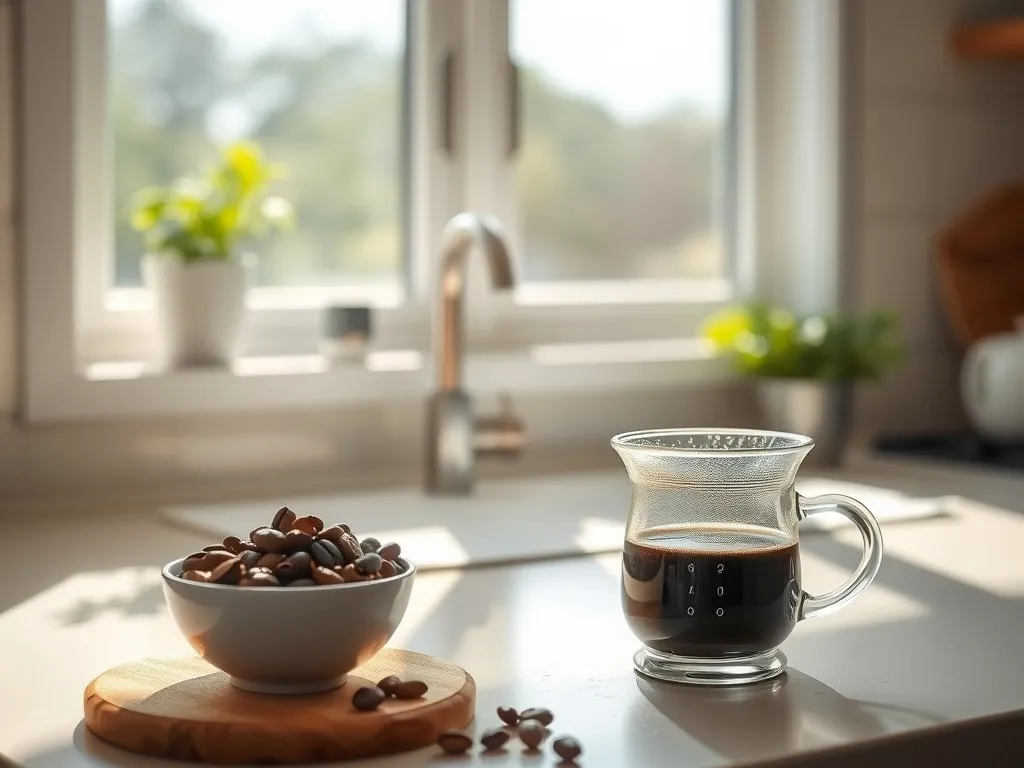
Start with your brewing method, then the roast it needs, then the bag. Espresso machines and moka pots want medium to dark roasts developed enough to survive pressure extraction: the coffee must resist channelling in the basket and still taste of something under milk. Filter, pour-over, AeroPress and French press reward light to medium roasts, where fruit and acidity stay visible instead of being roasted away. Buy from a Dutch specialty roaster who prints a roast date on the bag, take smaller bags, and store them airtight, cool and dark. That single sequence narrows the whole Dutch market before you read a single label.
The reason to fix the brewer first is that the same bean can taste thin or muddy depending on how it is extracted. A light roast that sings in a pour-over often turns sharp and hollow in an espresso machine, because there is not enough development to hold the pressure. A dark, sugary roast that pulls a comforting shot can flatten into ash in a French press. Decide which of those you are actually brewing, and half the shelf stops being relevant.
If you own more than one brewer and do not want two bags open at once, a versatile medium roast is the sensible first purchase. It has enough development for espresso and moka, and enough origin character left for filter and immersion. It will not be the best bag for either method, but it will be good in both, which matters more when you are still learning what you like.
Before you shop, write one line: your brewer, your grinder, and whether you drink black or with milk. That note is the filter you apply to every bag on the shelf. A hand grinder that struggles with fine settings argues against espresso roasts; a milk habit argues against the brightest light roasts. Carry the line with you and the choice becomes quick.
What 366 Dutch roasters actually means for your choice
The Netherlands has more than 366 specialty coffee roasters, according to the page, which rules out any single national answer to the question of best beans. What exists instead is a shortlist, built around your brewer and your taste, and the faster you accept that, the faster you drink well. Your written line already narrows the field; now use it to exclude rather than to browse.
Comparison tools beat directories. A roaster overview you can filter by roaster, origin or roast shows average prices, distribution and trends across the market, which is far quicker than scrolling an alphabetical list of names you have never heard of. Compare concrete fields such as price per 250 g, roast date policy and shipping time. Filter first, then read.
Origin works as a taste shortcut when the bag gives you little else. African beans tend toward bright fruit and acidity, Latin American beans toward chocolate and nuts, Indonesian beans toward earthy weight. If your brewer is a filter cone and you drink black, start with the first group; if you pull espresso or add milk, the second is the safer bet, and the difference between espresso and Dutch filter coffee explains why the same bean can flatter one and flatten the other.
Then shrink the list to two or three roasters near you or with fast shipping. Order small bags across those roasters, brew them side by side, and only commit to a bigger bag of the one that earned it. Fast shipping matters more than a famous name, because beans fade in transit as surely as on your shelf.
Reading the bag: roast date, roast level and origin
Turn the bag over and look for a roast date, not a best-before date. Beans taste most vivid in the first weeks after roasting and lose definition gradually from there, so a bag dated three weeks ago will brew a flatter cup than one dated last Tuesday, whatever the label promises about shelf life.
Roast level is the strongest lever on flavour. Light roasts keep the origin character and acidity, which rewards a careful pour-over but punishes sloppy technique; dark roasts bring cocoa and bitterness, and they forgive a weaker grinder. If you drink your coffee with milk, a medium or darker roast holds its ground where a delicate light one disappears.
Owners of fully automatic machines should read for oil as well as colour. Very oily, dark beans can leave residue that builds up in the grinding chamber and internal pipes, so a drier roast keeps the machine cleaner and the cup more consistent.
A roast date tells you how the coffee will taste; a best-before date tells you how long the shop is willing to keep selling it.
Finally, match the pack to your habit. Two small bags drunk fresh beat one large bag that sits open in the cupboard, and the same logic applies when you choose coffee for guests who drop by without warning. Buy the size you will finish within a few weeks.
Matching beans to espresso, filter and milk drinks
A shelf of Dutch beans does not perform the same way in every brewer. The bag that makes a syrupy cappuccino can taste muddy in a pour-over, and the bright filter roast that sings in a V60 can turn thin and sour as espresso. Choose the bean for the drink in your cup, not for the label on the shelf.
For espresso and cappuccino, look for beans described as balanced or chocolatey, with enough body to survive milk texturing and pouring. Intensity and roast labels help here: read them as a guide to how dark and strong the beans are, and use them to match a bean to your brew method rather than as a fixed score. Blends with a little robusta add crema and punch, while single-origin arabica suits filter drinkers chasing clarity.
For filter and pour-over, favour washed light to medium roasts and set the grinder finer than you would for a French press. The same bean pulled as espresso tastes sharper and more concentrated, which is why a bag you love in one brewer can feel wrong in another. A washed light to medium roast keeps the cup clean and lets the origin's character come through, whether you brew it as filter or as espresso.
If a bag tastes flat, try a grind adjustment before blaming the bean. Grind is the most common reason a good bag disappoints, and a small shift often restores the sweetness you expected. If you want a benchmark for what a well-pulled shot tastes like, a morning at one of the specialty coffee shops in Rotterdam gives your palate something concrete to aim for.
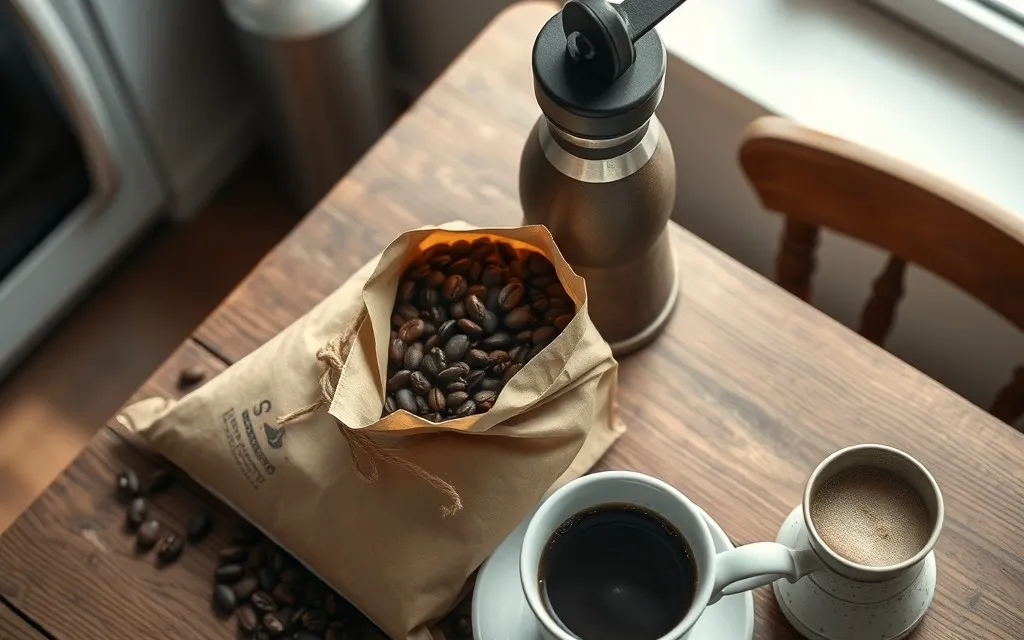
A Sunday-morning buying routine that keeps beans fresh
Choose one day a week to order beans and treat it as the only buying day. Before you pay, check the roast date on the bag rather than the best-before date, and write that date on the container once the bag arrives. Open one bag at a time and keep the rest sealed, so the age of the coffee in your grinder is never a guess.
Move beans straight into an airtight container and keep it in a cupboard, away from the window, the oven and the kettle. The fridge and freezer are the wrong home: moisture and food odours migrate into coffee quickly, and a cold bag that warms up each morning collects condensation. Buy in quantities you will finish within a few weeks rather than stocking up.
Weigh the dose every time and jot down grind setting, dose and brew time next to a short note on how the cup tasted. A simple notebook or phone note is enough. The point is to repeat a good cup rather than remember it, and to spot the moment a bag starts to fade before the whole morning goes flat.
When a bag loses its sparkle, don't bin it. Finishing it in milk drinks or a cold brew concentrate hides the dullness and keeps your routine honest. Then start the next bag on the same day of the week, and the loop closes.
Common mistakes that make good Dutch beans taste ordinary
Pre-ground coffee is the quietest way to waste a good bag. A brewer that rewards a fresh grind — a pour-over cone, a home espresso machine, an Aeropress — loses most of the aroma before the water even arrives, because the surface area is already exposed to air in the packet. Buy whole beans and grind per brew, adjusting the setting to the method rather than to the bag's printed instructions.
A full hopper looks tidy and works against you. Beans sitting in the hopper for weeks meet air and light on every refill, and the oils that carry the roast character fade first. Keep the hopper small — a day or two of brewing — and top it up from an airtight container kept in a cupboard, not on the windowsill above the machine.
Reaching for the darkest roast on the shelf is a common reflex, and for filter coffee it usually backfires. Dark roasting pushes the origin character — the fruit, the acidity, the specific farm flavour the roaster worked to preserve — toward smoke and bitterness. For filter, start medium; for milk drinks, a darker roast has more to push through the milk.
Changing beans and grind at the same time leaves you with no idea which change helped. Finish a bag on the settings that worked, then open the next and adjust the grind only, tasting as you go. One variable per bag turns each purchase into something you actually learn from.
Frequently Asked Questions
Should I buy single-origin or a blend for everyday home brewing?
A blend is usually the safer everyday choice, while single-origin beans reward curiosity and careful brewing. Blends are built for consistency across milk drinks and daily espresso, whereas a single origin shows one farm or region's character and shifts with small grind or dose changes. Buy single origins in smaller amounts so you finish them while fresh.
How long after the roast date are coffee beans still good?
Beans are generally at their best in the weeks after roasting, not months, so treat the roast date on the bag as the starting point for freshness. Flavour fades gradually as beans age, and whole beans keep far better than pre-ground. Buy in amounts you will finish within a few weeks and store them sealed, away from light and heat.
Do I need a burr grinder to get the best out of specialty beans?
A burr grinder matters more than most upgrades because it gives the even particle size that consistent extraction depends on. Blade grinders produce a mix of fine dust and coarse chunks, which makes good beans taste muddy or sharp regardless of origin. Pair a burr grinder with a scale, and the same beans become far more repeatable.
Are supermarket coffee beans in the Netherlands worth trying at all?
They can be worth trying for convenience, but check the roast date and avoid extremely oily beans if you use a fully automatic machine. Oil buildup in the grinding chamber and internal pipes is a real maintenance issue, so fresher, less shiny beans serve you better. For flavour, specialty roasters give you more traceability and fresher stock.
For the full overview, see selecting the right dutch coffee.
Related in this series: coffee etiquette netherlands, best specialty coffee rotterdam.