The hidden ingredient in your Sunday coffee is quietly raising your cholesterol and here is the fix
The Filter You Ignore
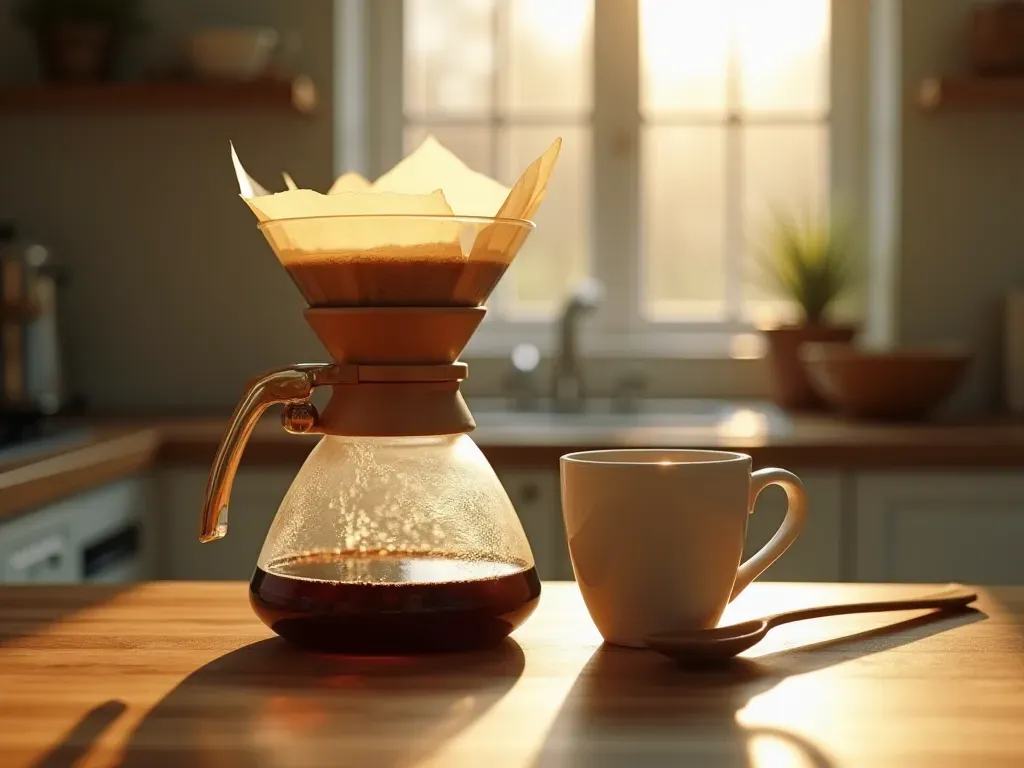
Here's what most coffee drinkers get wrong: they think the bean is the only variable. It isn't. The filter is doing far more work than you'd guess — it traps specific oils that affect your heart.
Diterpenes are the culprit. These compounds raise LDL cholesterol. They hang around in the oily residue of unfiltered brews. A paper filter strips them out almost entirely.
I'm always struck by how many people still reach for the French press every morning. They love the ritual. They love the full body. But they're drinking pure cholesterol fuel.
Ranking the Healthiest Cups
Black Drip Coffee Takes the Crown
This is the winner. Most antioxidants, fewest contaminants. It's the safest bet for your daily habit.
The brewing process extracts flavor efficiently. Hot water passes through the grounds slowly. What you get is clean and potent — the caffeine without the grease.
Americano and Espresso Nuances
An Americano is basically diluted espresso. Smoother taste, and it gives you hydration a straight shot doesn't. The polyphenol count stays high.
Espresso is concentrated. One ounce carries half the caffeine of a full cup. Great pick-me-up. But it's a trap for sensitive drinkers.
Milk Choices and Hidden Additives
Soy Milk is the Only True Swap
You can pair any coffee with plant-based milk — but the nutrition varies wildly. Soy milk is the only one that matches cow's milk in federal guidelines.
Almond and oat milks are popular. They're often lower in protein, and they lack the calcium and vitamin D density. Check the label before you pour.
The Cold Brew and Nitro Trap
Cold brew is less acidic, easier on the stomach, a refreshing alternative. But it isn't automatically healthy once you add sugar.
Nitro cold brew adds nitrogen gas for a frothy texture. It often comes in cans — and those cans usually hide added sweeteners. Read the ingredients list carefully.
Mushroom Coffee and Instant Options
Mushroom Coffee is Not Caffeine Free
People think mushroom coffee has no caffeine. Myth. It simply has less. The mushrooms displace some of the coffee grounds, but a significant amount is still there.
Mushrooms add vitamins and minerals — copper, selenium. But drying them reduces some of the benefits. It's not a magic health tonic. Just a different blend.
Instant Coffee is the Least Nutritious
Instant coffee is dehydrated. Very little nutrition, and it often contains added sugar. Great for recipes. Not a top health choice.
It still has antioxidants, and it's better than nothing. But it lacks the complex profile of brewed beans. Use it sparingly. Choose filtered brews for your main cup.

The Caffeine Sensitivity Issue
Excess caffeine causes jitteriness. It can trigger anxiety, even rapid heartbeats. Some people metabolize it very slowly and need to limit their intake.
If you feel shaky after a shot, stop. Don't stack more caffeine. You're not weak — your body just processes it differently. Listen to your signals.
Making Your Sunday Ritual Healthier
Your Sunday morning is sacred. It sets the tone for the week. Make it count. Choose a filtered method. Add a splash of fortified soy milk. Skip the sugar.
You don't need fancy gadgets. You need the right filter, quality beans, and some mindfulness about what you add. Simple changes yield big health benefits.
If you're curious about how marketing tricks affect your habits, it's worth a read. Understanding the influence helps you make better choices.
Also consider why your coffee might be fattening you. It's rarely the sugar — it's the additives. Know your enemy.
Final Thoughts on Coffee Health
Coffee isn't the enemy. The wrong type is. Filtered black coffee is your best friend. Clean. Potent. Safe. Drink it with intention and you'll feel the difference.
Your body knows what it needs. Listen to it. Adjust your brew. Watch your milk. Skip the unnecessary extras. Your Sunday cup can be both delicious and healthy.