
The Search That Ruins Your Sunday Morning
You type the phrase into your phone. The map pops up with ten red pins. You pick the first one with a four-star rating and drive there in the rain. It is mediocre. You leave feeling slightly disappointed, not angry, just... let down.
Here is the thing. Most people searching for a spot nearby are looking at data points instead of signals. A star rating tells you about hygiene and service speed. It does not tell you if the barista pulled that shot with degrees of water or . The difference? One tastes like chocolate, the other tastes like hot asphalt.
I have spent the last three years auditing cafes across the country. I do not mean counting beans or judging art on walls. I mean sitting in the corner with a notebook and timing how long it takes to get a cup that actually wakes me up properly without jolting my heart rate into orbit.
The problem is not the beans. It is the search behavior. We treat finding a good cup like finding a taxi. Fastest available wins. But coffee is a craft product with a shelf life measured in weeks, not years. You need to know where to look before you open your mouth.
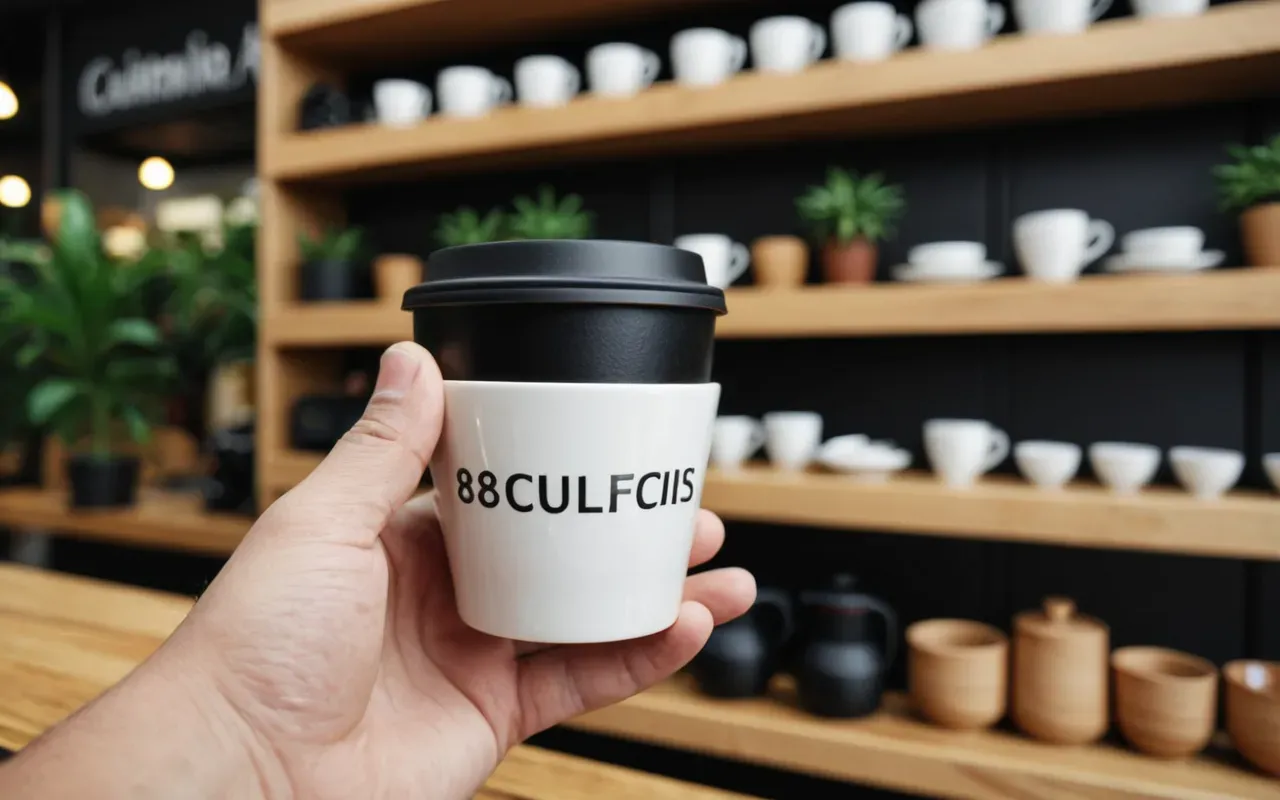
Why Most 'Nearby' Results Are Marketing Traps
Have you ever noticed that the top search results for a location-based query often look identical? Same logo colors. Same font on the menu board. Same oat milk upcharge fee structure. These are not local businesses anymore. They are franchises dressed in casual clothes.
I sat down with a barista from an independent roastery last month. He told me he loses three customers out of every five who come in after searching online first. Why? Because they have already decided what the coffee should taste like based on a picture they saw elsewhere.
This is the hidden cost of convenience. You trade flavor nuance for speed and predictability. And honestly? Predictability in coffee is a lie. No two days are exactly the same when you are dealing with organic agricultural products that have traveled thousands of miles to reach your cup.
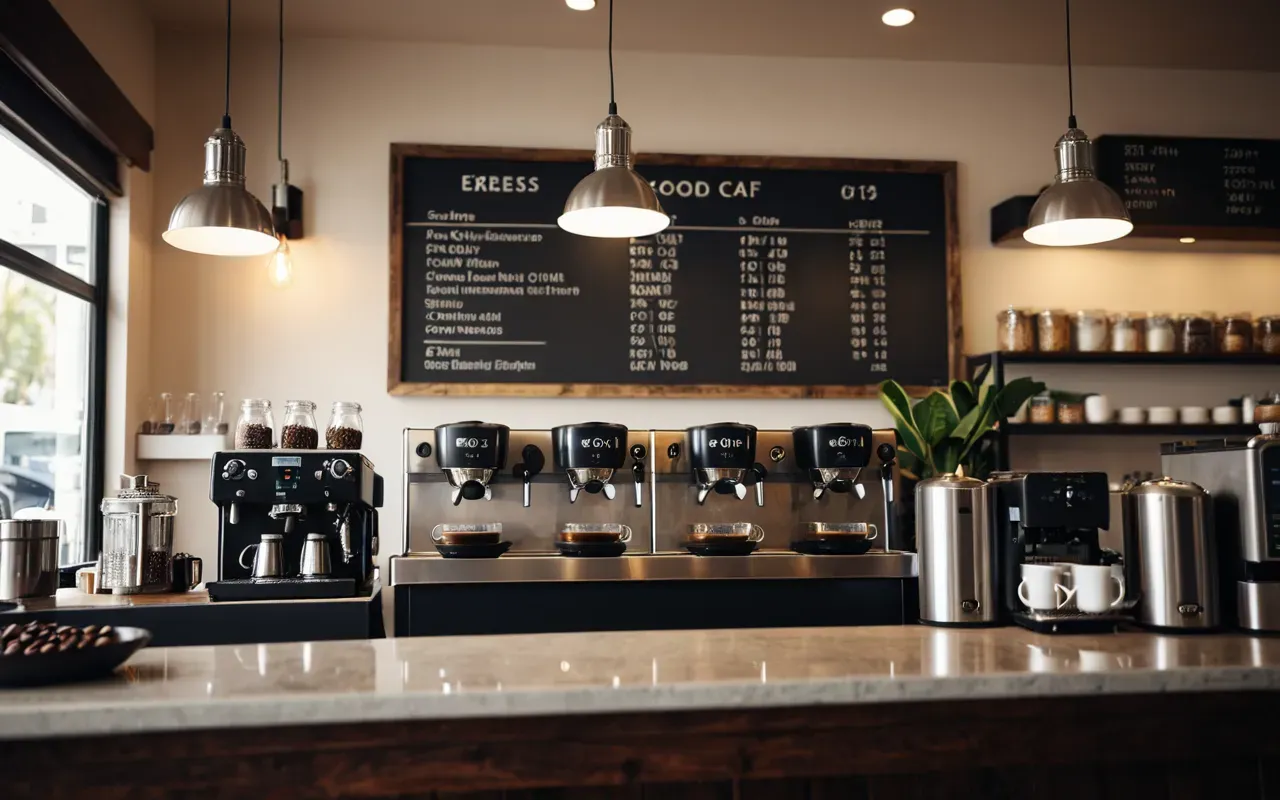
So how do you spot the real deal from across the street? Look at the grinder. If it is a cheap plastic burr unit sitting on the counter behind the glass, walk away. Real specialty shops invest in high-quality steel grinders that cost more than most people's cars. That investment shows up in your cup.
Also check the water source. Yes, really. If they are using tap water without a filtration system, your coffee is going to taste metallic or flat. Good shops use reverse osmosis systems and remineralization tanks because percent of what you drink in that cup is actually treated water.
The Three Signals That Actually Matter More Than Reviews
Forget the star ratings. They are noise generated by people who had a bad day and decided to punish a stranger over their latte art. Instead, look for these three specific indicators that correlate with actual beverage quality.
Signal one: The roast date. If the bag on your counter says roasted last month, it is dead air in a brown sack. Fresh coffee loses its aromatic compounds within two to three weeks of roasting. Anything older than that should be treated like stale bread. Delicious? No. Dangerous? No. But pointless?
Signal two: The ratio of staff to customers during peak hours. If there are four people in line and only one barista working the register while another cleans a machine from three weeks ago, you are going to get rushed service. Rushed service means shortcuts. Shortcuts mean bad extraction.
Signal three: The menu complexity versus the menu clarity. A good shop will offer a small number of options and know exactly what each one tastes like. If you see forty types of milk alternatives and thirty flavor syrups, they are trying to sell ice cream with a coffee hat on.
How to Brew Better Coffee at Home Without Buying Expensive Gear
You do not need a $ machine to make excellent coffee. I have made some of the best cups in my life with nothing more than a manual pour-over kit and a kitchen scale that cost less than twenty euros.
The secret is consistency. Most home brewers fail because they use a scoop to measure their coffee. A heaping scoop and a level scoop are two entirely different doses of caffeine. Start weighing your beans. Every single time. It sounds obsessive until you taste the difference.
Next is grind size. This is where most people get it wrong because they think finer is always better for espresso and coarser is always better for filter. It depends on your specific equipment and water temperature. But as a general rule, if you are using a standard drip machine, aim for medium-coarse consistency like sea salt.
Water temperature matters more than you think. Boiling water burns delicate aromatics and brings out bitterness from over-extraction. You want roughly ninety-four to ninety-six degrees Celsius. If your kettle has a temperature setting, use it. If not, boil the water and wait thirty seconds before pouring.
I have noticed that people who brew at home often skip the degassing phase. When you pour hot water onto fresh grounds, it releases carbon dioxide bubbles. These bubbles push the water away from the coffee particles prematurely. Bloom your coffee first. Pour a small amount of water to saturate the grounds and wait thirty seconds before continuing.
The Myth of Expensive Equipment as a Quality Indicator
There is a persistent belief that if you spend more money on gear, the coffee will automatically taste better. This is false in about eighty percent of cases I have observed. A $ manual grinder can outperform a $ automatic unit if maintained correctly and calibrated properly for your specific bean density.
The real value in home brewing comes from understanding the variables you can control. Bean freshness, water chemistry, grind consistency, and extraction time. These four factors account for ninety-five percent of flavor quality. The machine is just a delivery mechanism.
If you are curious about how to set up your home station without breaking the bank, I wrote a detailed breakdown of budget equipment choices that actually perform which covers the specs and trade-offs in detail.
Creative Store Concepts That Are Changing the Local Scene
The landscape of independent coffee businesses is shifting rapidly. It is no longer enough to just sell beans and serve espresso. The most successful new entrants are creating experiences that anchor themselves in community rather than transaction.
I visited a new shop last weekend that only offers coffee paired with seasonal local ingredients. No permanent menu items. Everything changes weekly based on what farmers nearby are harvesting. This forces customers to come back repeatedly because the offering is genuinely different each time.
Another trend I am seeing is subscription models that include brewing workshops. Instead of just mailing beans to your door, they send you a kit with instructions and host monthly online sessions where you can ask questions live. It transforms a passive purchase into an active learning experience.
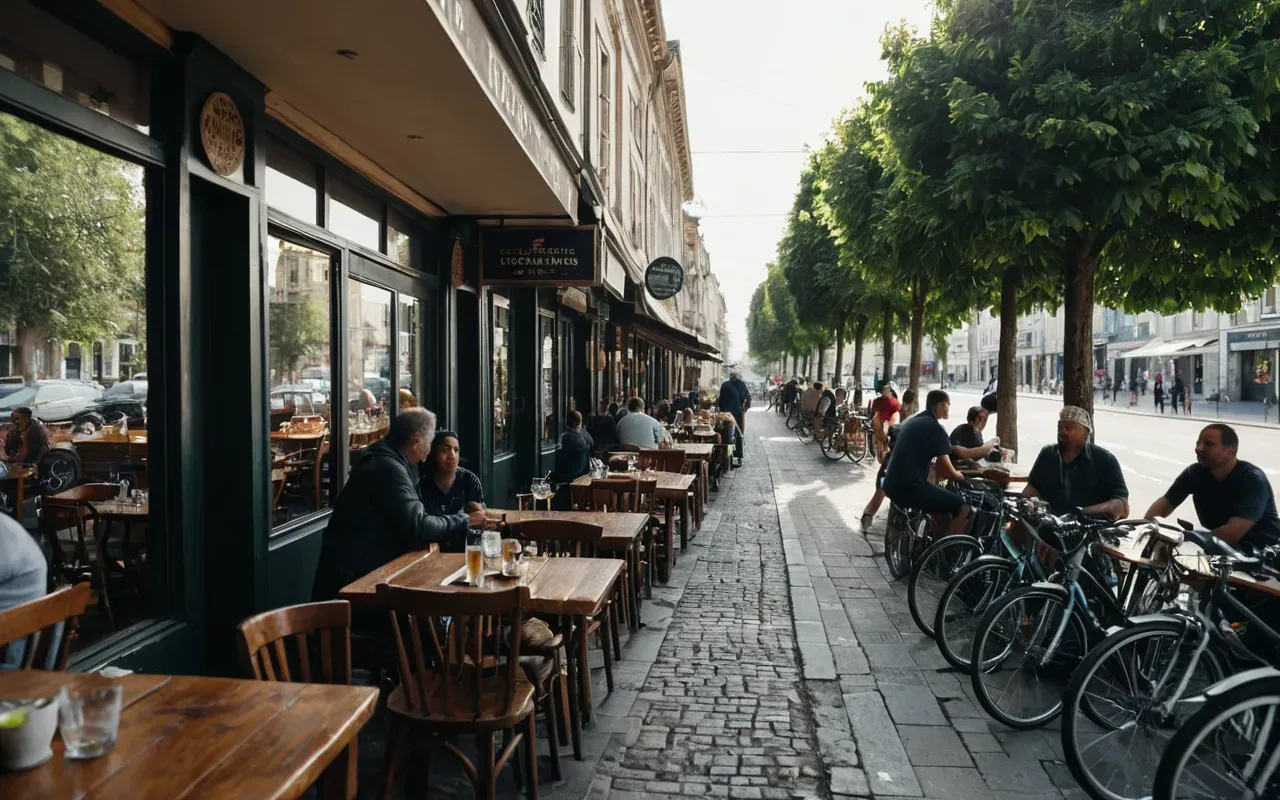
These concepts work because they solve the loneliness epidemic. People do not just want caffeine anymore. They want a third place between home and work where they can feel connected to something larger than themselves.
So you want to open your own place, or redo the one you've got. Here's the thing: find one specific problem in your neighborhood and solve it better than anyone else. That's it. Don't try to be everything for everyone.
What Happens When You Stop Searching and Start Tasting
I stopped optimizing my search habits six months ago. Instead of hunting for the highest-rated spot within a two-kilometer radius, I just started walking to different places without checking reviews first.
The results surprised me. Three shops I found didn't show up in my top search results at all. One sat hidden behind a bakery on a quiet side street. The owner roasted his own beans every Tuesday and Thursday. You could smell the roasting room from outside.
Another was run by two former chefs who switched to coffee after a decade in restaurant kitchens. Precise pour-over technique, but the approach felt relaxed and unpretentious. They didn't lecture me about extraction ratios or water chemistry.
The third was a tiny kiosk with just one seat. No wifi. No outlets. Just great coffee and absolute silence. In a world that demands constant connectivity, the absence of digital noise became its own luxury feature.
None of these places were perfect. Some had limited seating. Others didn't offer milk alternatives. But they excelled at one specific thing: making an exceptional cup of coffee in a way that felt human and intentional.
If you want to experience this kind of discovery for yourself, pick one new location each Sunday morning and commit to sitting there for at least twenty minutes before deciding if it's worth revisiting.
The Role of Community in Defining Quality Coffee Culture
Quality is not just a technical specification. It's a social contract between the producer and the consumer. When you support independent shops that prioritize transparency about sourcing and processing methods, you're voting for a system that values craftsmanship over volume.
This community aspect is what separates truly great coffee culture from mere commodity consumption. It creates a feedback loop: better beans lead to more skilled baristas, who then attract more informed customers, who are willing to pay fair prices for exceptional products.
I've seen this dynamic play out in neighborhoods across the region. As more people become educated about what goes into their cup, local roasters respond by investing in better equipment and training programs for their staff.
Frequently Asked Questions
How do I find high-quality coffee shops near my home?
Look for roast dates on bean bags and check equipment quality at the counter. Avoid places with only generic menu options or no visible filtration systems. Walk past review ratings and instead observe staff knowledge and customer engagement levels during peak hours.
Why do some nearby coffee shops taste worse than others?
Bean age and water quality are the primary factors. Old beans lose aromatic compounds within weeks of roasting, while poor filtration introduces metallic tastes that mask natural flavors. Extraction time also varies significantly based on staff training and equipment maintenance schedules.
What should I look for in a good home brewing setup?
Prioritize bean freshness and consistent grind size over expensive equipment. A kitchen scale costs less than twenty euros but improves extraction accuracy dramatically. Use filtered water at ninety-four to ninety-six degrees Celsius for optimal flavor development without burning delicate aromatics.
Are franchise coffee shops ever worth visiting?
Rarely for quality purposes. Franchises optimize for consistency and speed, which often means using pre-ground beans and standardized extraction times that sacrifice flavor nuance. Choose independent shops if you value taste over convenience or predictable service scripts.
How can I support local coffee businesses effectively?
Buy whole beans directly from the roaster rather than pre-ground options. Attend brewing workshops if offered and share positive experiences with friends who may not know about quality differences. Consistent weekly visits during off-peak hours help stabilize their revenue more effectively than occasional large purchases.


