
The silent switch in your morning routine
Look at the cup in your hand. To most people, it's just a drink. But for millions of adults with heart conditions, it's a daily medical decision nobody ever warns them about.
The American Heart Association just dropped a statement that changes the rules for anyone who loves their morning ritual. And no, it's not about cutting coffee out of your life completely.
It's about how you make it. The gap between a heart-protective beverage and a cholesterol-raising trap comes down to one specific ingredient most coffee drinkers have never even heard of.
Cafestol. This compound sits quietly inside the oils of your beans. And it only ends up in your cup if you brew without a paper filter.
Why the old advice about caffeine was wrong
For decades, we were told to fear caffeine. Doctors routinely told patients with heart issues to drink decaf or quit altogether, convinced it was spiking their blood pressure.
But the new data paints a very different picture. Drinking two to four cups of caffeinated coffee per day is actually linked to a lower risk of heart disease.
And it's not just about the stimulant. Coffee contains bioactive compounds that work on your blood vessels and reduce inflammation in ways we're only starting to understand.
The specific numbers that matter most
Let's get concrete. The research points to a sweet spot of three to five eight-ounce cups per day.
That's roughly four hundred milligrams of caffeine. Drink three to four cups a day, and your risk of stroke drops by twenty-one percent compared to people who never drink coffee at all.
But here's the part that really surprised me. For adults with atrial fibrillation, drinking at least one cup a day was associated with a thirty-nine percent lower risk of the condition recurring.
That's a massive number. It completely flips the script on what we thought caffeine did to heart rhythm.
The brewing method trap nobody talks about
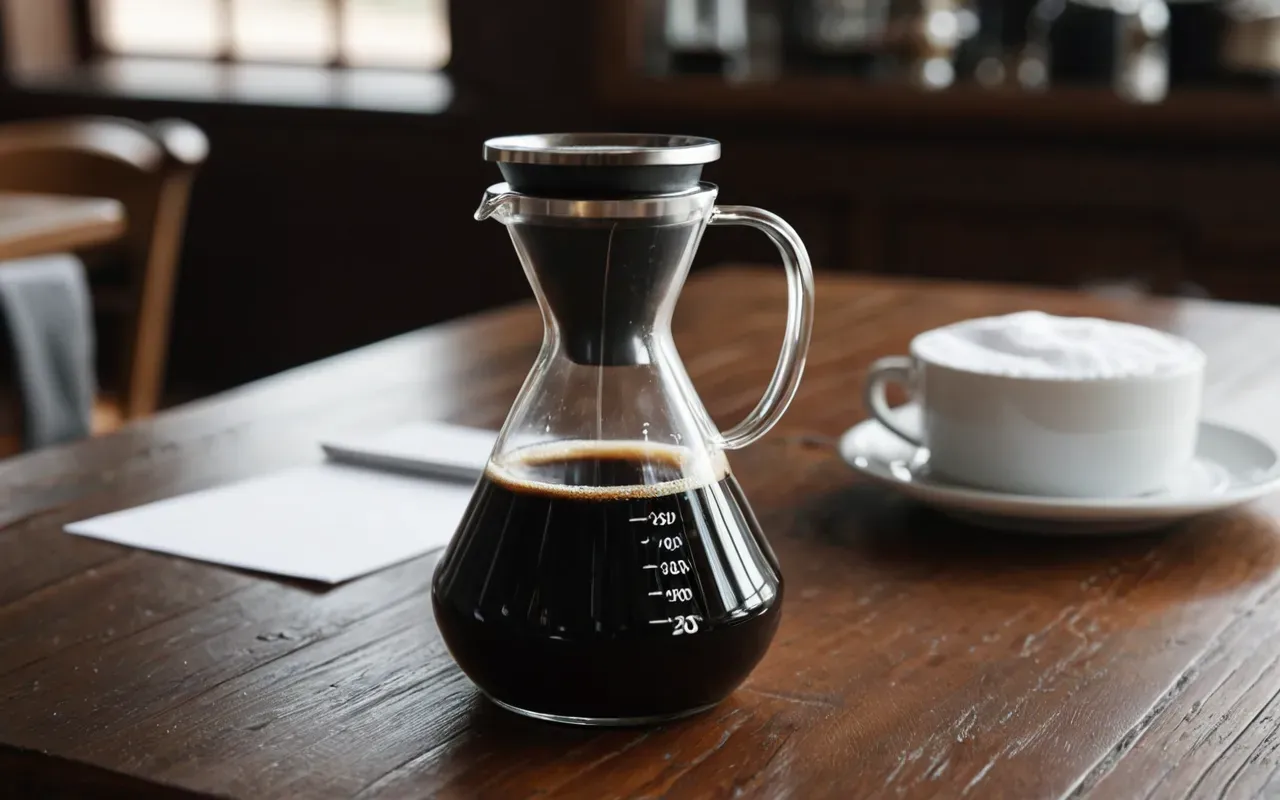
This is where the story gets complicated. The benefits I just mentioned apply to filtered coffee.
Use a French press, or make Turkish style coffee without filtering the oils out, and you're keeping cafestol in your cup.
Cafestol is a potent sterol that raises LDL cholesterol. That's the bad kind. It clogs your arteries and works against you even if the rest of the coffee is doing good things for your heart.
A paper filter removes most of this compound. It's one of the few times a simple piece of equipment actually changes your biological outcome in a measurable way.
Why decaf is not the answer you think it is
Many people assume that if caffeine is risky, they should switch to decaf. But the data suggests otherwise.
Observational research shows that decaffeinated coffee is also associated with a lower risk of coronary heart disease. Which means the protective effects aren't just about caffeine.
It's about all the other polyphenols and antioxidants in the bean. So if you're sensitive to caffeine, switching to decaf keeps those benefits without the stimulant.
The energy drink illusion that costs you
Here's where I get a bit frustrated. So many people reach for energy drinks thinking they're getting the same benefit as coffee.
They're not. Energy drinks do not offer the same documented heart health benefits as brewed coffee.
The high sugar content and other additives change how your body absorbs the caffeine. It can spike blood pressure in a way that's much harder to predict or control.
If you're trying to protect your heart, a simple cup of filtered coffee is the safer bet. It gives you the compounds without the chaotic chemical cocktail.
What this means for your daily habit
If you're a heavy coffee drinker using unfiltered methods like the French press, I'd strongly suggest looking at your cholesterol numbers.
You might be unknowingly raising your LDL while thinking you're just enjoying a rich cup of coffee. It's not about blaming the bean.
It's about being intentional with how you prepare it. A simple switch to a paper filter can make the difference between protection and risk.
The role of individual genetics in caffeine sensitivity
Not everyone metabolizes caffeine the same way. Your genes determine how fast your liver breaks it down.
Some people are slow metabolizers and might feel the effects longer. If you have a family history of heart issues or take medications that interact with caffeine, talk to your doctor.
They can help you find the right amount that works for your specific body without pushing you into a dangerous zone.
This is not one size fits all advice. It's about using the data to make a personal decision that supports your long-term health.
The bottom line for coffee lovers everywhere
Coffee is not the enemy. In fact, it might be one of the best things you drink every single day if done right.
Just be smart about the method. Filtered is king for heart health. And if you're adding sugar or syrups, keep it minimal to preserve those protective benefits.
So the next time you brew your morning cup, think about that little paper filter. It might just be doing more for your heart than any supplement on the market.
And if you're curious about how different brewing techniques affect the final taste profile beyond just health benefits, check out why your expensive coffee might actually taste like cardboard for some surprising insights on extraction.
The science is clear. The choice is yours. Make it one that keeps your heart healthy and your morning enjoyable.


